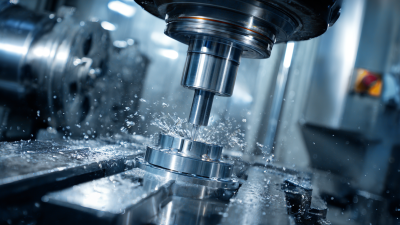
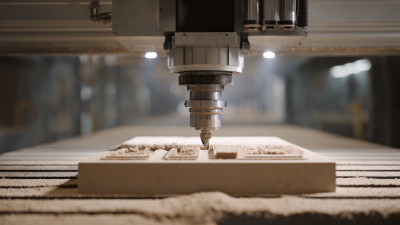
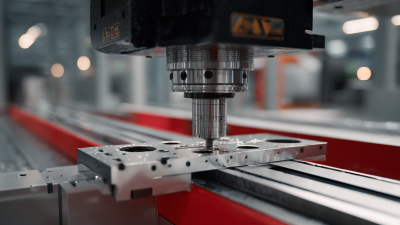
As the manufacturing world dives deeper into digital transformation, making Milling-Machine operations more efficient has really become a top priority. Today, real-time monitoring tech is a game-changer — it helps manufacturers keep an eye on how their machines are performing, cut down on unexpected downtime, and boost overall productivity. Did you know? According to a recent report from MarketsandMarkets, the market for Cnc Machine Tools is projected to hit aroundUSD 100 billion by 2025, growing at an annual rate of about 7.2% from 2020. That’s quite a leap! It really highlights just how much the industry needs advanced solutions, especially in CNC milling and lathe work. Over here at Taizhou Luqiao Shiheng Cnc Lathe Co., Ltd., we’re all about leading this tech push. Our R&D team, made up of some of the best engineers and industry experts, is always working to bring the latest innovations into our products. By harnessing real-time monitoring, we’re able to tweak and improve Milling-Machine performance, helping our clients stay ahead in this ever-changing market landscape.
Understanding CNC Milling Machines and Their Operational Importance
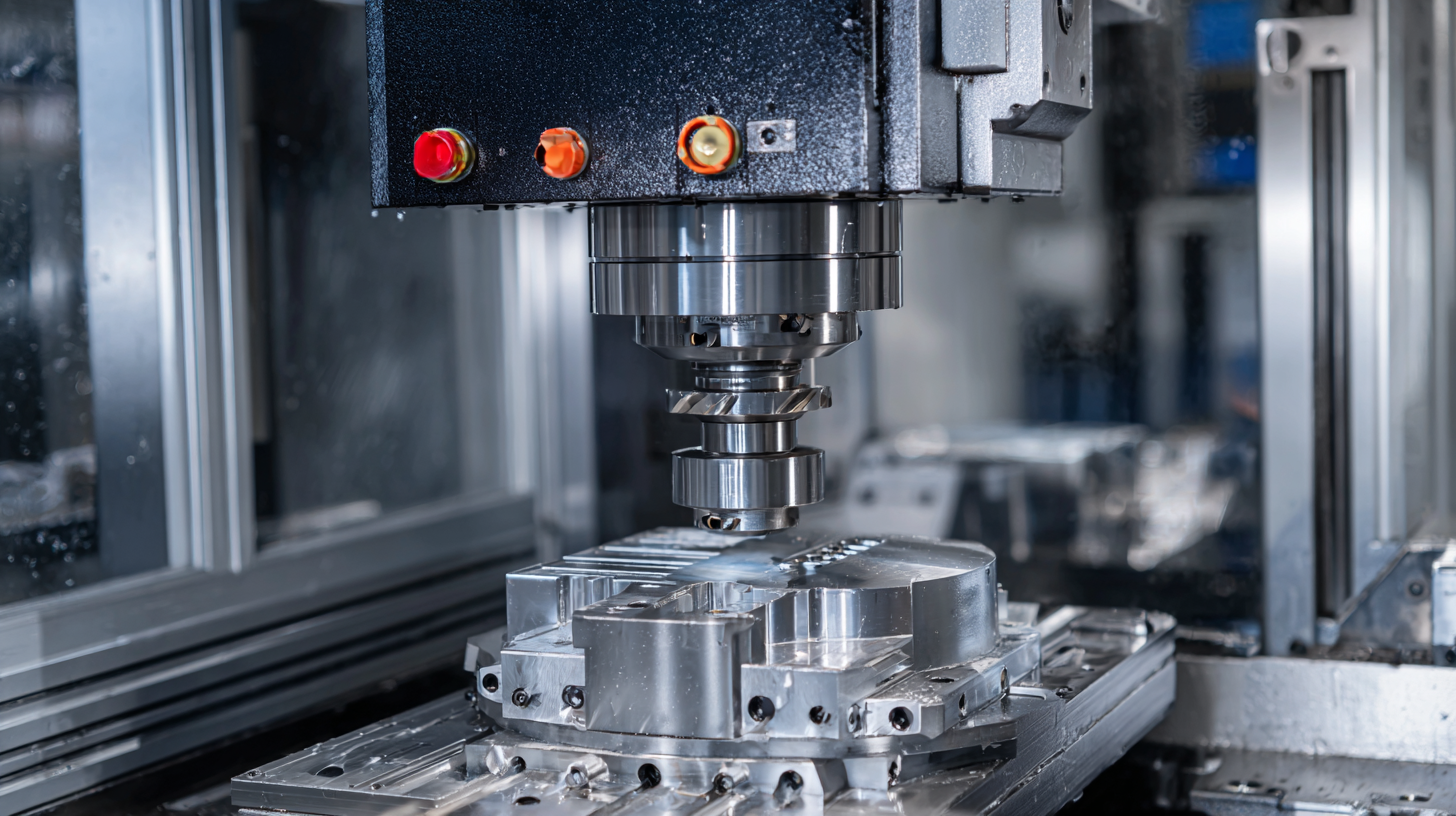
Cnc Milling Machines are pretty vital in a ton of different manufacturing processes. They really make a big difference when it comes to how efficient and high-quality the production turns out to be. Basically, these machines use computer numerical control—yeah, CNC—tech to do super precise cuts and shaping, which is crucial for creating the complex parts we see everywhere—from airplanes to cars. If a company wants to stay competitive, understanding how important these machines are isn't just a bonus; it’s kinda a must, especially with the CNC market expected to hit around $77 billion by 2024, no kidding.
To get the most out of CNC mills, more and companies are turning to real-time monitoring tech. This not only boosts productivity but also helps bridge the skills gap—a big deal in this industry. For instance, there are now CNC training centers that focus heavily on teaching folks G-Code programming and how to operate these machines. The idea is to build a skilled, tech-savvy workforce that can really make the most of all the advancements in CNC technology. That way, businesses can become more efficient, agile, and ready to tackle whatever the market throws at them.
Key Real-Time Monitoring Technologies for CNC Milling Optimization
You know, real-time monitoring tech has really become a game-changer for CNC milling machines. It’s all about helping manufacturers get pinpoint accuracy while also cutting down on downtime. I came across a report from MarketsandMarkets, and apparently, the worldwide market for these monitoring solutions is projected to hit around $1.2 billion by 2025. That’s mainly because everyone’s super keen on automating and making their manufacturing processes more efficient. What’s cool is that these technologies gather and analyze data on the spot, so you can tweak things right away and improve how your machines run.
Some of the main tools include vibration analysis, temperature checks, and predictive maintenance systems. For example, vibration analysis can spot weird noises or movements that hint at problems brewing, giving operators a heads-up before something actually breaks. Temperature monitoring keeps everything within the right thermal ranges, helping to extend tool life and get better quality outputs. And then there’s predictive maintenance, which basically uses AI to look at past and present data to forecast when a machine might need fixing—cutting unexpected breakdowns by up to 25%, according to a 2021 McKinsey report. Overall, jumping on these monitoring solutions doesn’t just boost machine performance; it also means big savings and a smoother, more productive operation.
Integrating Sensors and Data Analytics in CNC Operations
Switching gears a bit—integrating sensors and using data analytics in Cnc Machining is really a game-changer when it comes to boosting efficiency these days. Think about cool sensor tech likefrequency-adaptive vibration sensors; they let us keep an eye on tool conditions in real-time. By embedding these sensors right into the tool holders, manufacturers can pick up on vibrations that might hint at problems brewing, long before things turn into costly downtime. 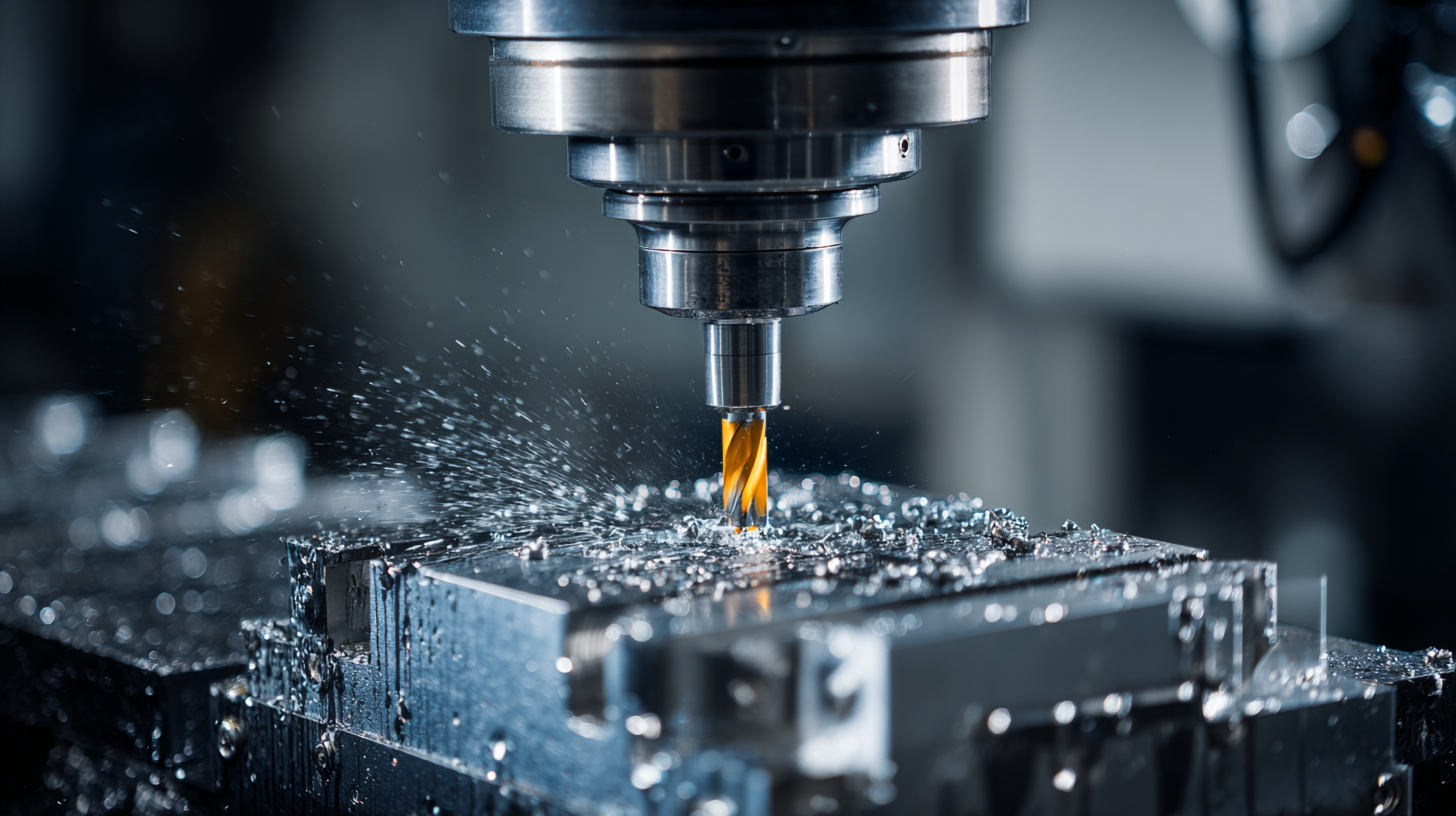 Interestingly, recent studies show that the global market for CNC machines is expected to jump from around $101 billion in 2025 to nearly $196 billion by 2032. This growth pretty much reflects how much everyone’s craving smarter, more automated solutions that meet tighter quality standards.
On top of that, using machine learning to analyze all this sensor data really amps up our ability to predict issues before they happen. Researchers have found that these algorithms can classify and forecast potential malfunctions, giving companies a heads-up so they can do maintenance proactively. That’s a huge plus in today’s competitive manufacturing scene. Overall, blending these high-tech tools not only helps meet rising expectations but also puts companies ahead of the curve in Industry 4.0 evolution. It’s pretty exciting stuff when you think about how much it can all improve the way things are made.
Developing a Real-Time Feedback Loop for Process Improvement
Real-time feedback loops are a game-changer when it comes to making CNC milling machines more efficient. By using advanced monitoring tech, operators can keep an eye on important stuff like spindle speeds, tool wear, and feed rates all the time. Having instant data like this helps them make smarter decisions on the fly, so they can tweak things in real-time for better results. Setting up sensors and IoT devices makes this process smooth sailing — information flows seamlessly, meaning adjustments are based on actual machine performance right then and there, not just old data.
Plus, keeping an eye on things in real-time can really boost process consistency and cut down on machine downtime. Analyzing the data helps catch potential problems early, so maintenance can be done proactively—keeping everything running smoothly and avoiding those frustrating pauses in production. It also helps extend the life of tools and equipment. As operators keep getting feedback, they can constantly fine-tune their process, adjusting for different materials or changing conditions. In the end, setting up a solid real-time feedback system isn't just about fixing issues—it's about creating a culture of continuous improvement, pushing CNC milling to be more efficient and productive all around.
Training Operators for Effective Use of Monitoring Technologies
Training operators to get the hang of real-time monitoring tech is pretty much essential when it comes to making CNC milling machines run smoother and more efficiently. Here at Taizhou Luqiao Shiheng CNC Lathe Co., Ltd., we totally get that having a knowledgeable team makes all the difference in unlocking the full potential of our advanced CNC equipment. We’re really focused on not just building top-notch machines but also on making sure our operators are well-trained — giving them the skills they need to make the most of monitoring systems.
We do this by offering hands-on training sessions and deep-dive workshops, because we know that actually practicing helps them understand how to read the data these real-time monitoring systems generate. Once they get that, they can make smarter decisions, boost productivity, and cut down on downtime. Plus, our R&D folks are always working on updating our training materials to keep up with the latest tech advances. It’s all about empowering our team, and at the same time, helping us stay ahead of the game in CNC technology. That’s how we maintain our edge and continue leading the industry.
Measuring Success: Metrics for Evaluating CNC Efficiency Improvements
When it comes to figuring out how well a CNC milling machine is performing, you really need to look at a bunch of different metrics. It’s not just about how much stuff gets made, but also about how efficiently the machine is running. Things like Overall Equipment Effectiveness (OEE), how much the machine is actually being used, and cycle times — they all give you a clearer picture of what's going on behind the scenes. OEE, in particular, is pretty useful because it combines availability, speed, and quality to give an overall feel for the machine’s effectiveness. The cool part? If you keep an eye on these numbers in real time, you can spot issues fast and take action before things get out of hand.
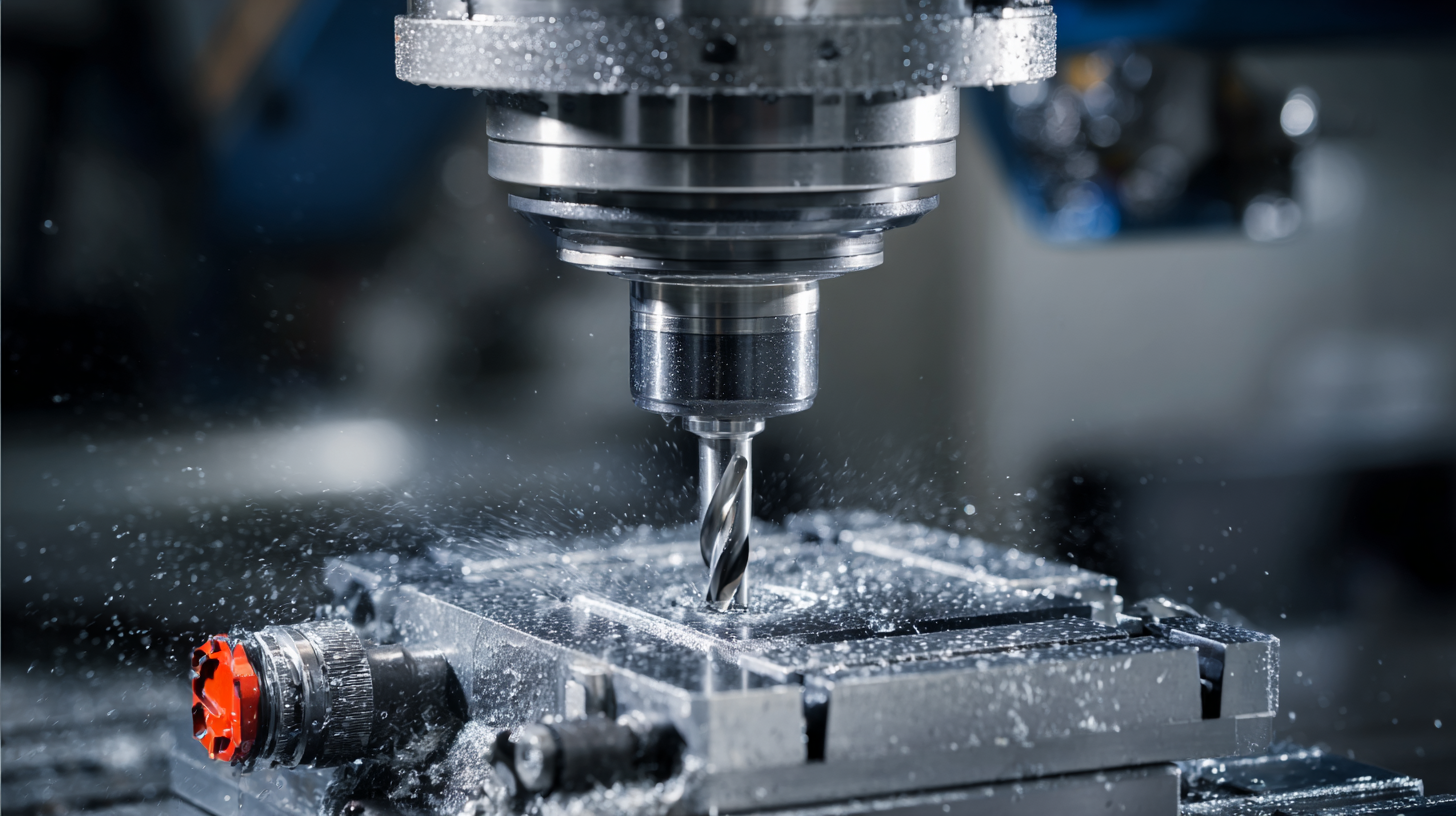
Plus, with modern tech that offers real-time monitoring, you can keep tabs on your production from start to finish. Tracking things like how much scrap you’re generating or how much energy you’re using can really help identify where resources are going to waste. When you gather and analyze this kind of data, it becomes way easier to make smart decisions about how to tune up your milling process. The end goal? Boost productivity, cut costs, and make sure those improvements stick around in the long run. That’s why relying on data-driven strategies isn’t just a buzzword — it’s the key to keeping CNC operations running smoothly over time.
Optimizing Precision and Versatility: The Benefits of the VMC Drilling and Milling Machine with CNC Options
The advancements in CNC (Computer Numerical Control) technology have transformed the landscape of machining, particularly through the introduction of machines like the VMC1160 vertical machining center. This dynamic machine optimizes precision and versatility by integrating an innovative vertical frame structure designed for improved efficiency. The fixed column bed design allows for a more stable operation, ensuring that the spindle head, which moves along the Z-axis, can deliver consistent and precise cuts. Coupled with the saddle's longitudinal movement along the Y-axis and the worktable’s transverse movement along the X-axis, the VMC1160 is engineered for a wide range of machining tasks.
Key components of the VMC1160 are made from high-strength cast iron using resin sand molding technology. This choice of materials not only enhances the strength and durability of the machine but also effectively minimizes deformation and vibration during operation. Data indicates that machines built with such robust materials and subjected to double stress-relief aging treatment show significant improvements in structural rigidity and stability, which are critical for maintaining accuracy during high-speed machining operations. Industry reports suggest that such optimizations can lead to efficiency increases of up to 30% in manufacturing processes, making the VMC1160 an ideal choice for modern facilities seeking to enhance productivity while maintaining high precision in their outputs.
FAQS
: CNC milling machines utilize computer numerical control technology to perform precise machining operations, essential for creating intricate parts across various industries.
Real-time monitoring technologies allow operators to continuously track key performance indicators, enabling timely adjustments that optimize machining operations and improve productivity.
Key performance indicators such as spindle speed, tool wear, and feed rates can be monitored to inform decision-making and enhance machine performance.
Training is crucial as it equips operators with the skills necessary to effectively use monitoring technologies, interpret data, and make informed decisions, ultimately enhancing productivity and reducing downtime.
Real-time monitoring helps identify potential issues before they escalate, allowing for proactive maintenance and adjustments to keep machines running smoothly, thereby improving process consistency.
The CNC market is projected to reach a value of $77 billion by 2024.
A real-time feedback loop fosters a culture of continuous improvement by enabling operators to fine-tune their processes based on immediate data, improving efficiency and productivity.
Training programs are regularly updated by the R&D team to reflect the latest advancements in technology, ensuring operators are well-equipped to utilize new features and systems effectively.
A skilled workforce can better leverage advances in CNC capabilities, resulting in improved operational efficiency and better adaptability to market demands.
The company provides hands-on training and in-depth workshops to ensure operators are adept at interpreting data from real-time monitoring systems, helping to enhance productivity and reduce downtime.
Conclusion
When it comes to boosting the efficiency of CNC milling machines, real-time monitoring tech really makes a difference. I mean, knowing how these machines are actually working on the fly helps a lot. It’s like having an extra pair of eyes watching over everything, and as we gather data and use sensors, we can start to see the little things—where we’re doing well and where we need some tweaks. This ongoing feedback makes it easier to keep improving day by day.
Of course, all these fancy tools won’t do much unless the folks running the machines know how to use them well. Training operators to get the most out of these monitoring systems is super important. At Taizhou Luqiao Shiheng CNC Lathe Co., Ltd., we’re all about staying ahead of the game. Thanks to our talented R&D team, we’re constantly pushing the envelope with new tech. And tracking how well we’re doing—by setting clear goals and measuring progress—helps make sure all these efforts actually lead to real improvements in our manufacturing process.