You know, the world of manufacturing is really changing fast, and in that shift, Vertical Cnc Machines are becoming super important for making production faster and way more precise. In this blog post, we’re diving into what the Vertical CNC Machine market looks like as we approach 2025. We’ll also showcase how these machines are being used in different industries right now.
Here at Taizhou Luqiao Shiheng Cnc Lathe Co., Ltd., we're all about pushing the limits of CNC machine tool technology. Our amazing R&D team, full of top-notch engineers and experts, is always bringing the latest tech into our Vertical CNC Machines. This way, we’re staying ahead of the game when it comes to innovation!
As we take a closer look at the incredible advantages these machines offer, it’s clear that they won’t just boost how companies operate but will also set new benchmarks in the industry. So, join us in exploring the future of Vertical CNC Machines and see how they’re going to change the manufacturing landscape for the better!
Emerging Trends in Vertical CNC Machinery Within Global Markets
Emerging trends in vertical Cnc Machinery are shaping the dynamics of the global market as we approach 2025. With rapid technological advancements, vertical CNC machines are now more efficient, versatile, and user-friendly than ever. Industries ranging from aerospace to automotive are increasingly adopting these machines for precision machining, which optimizes production processes and reduces downtime. As companies like Taizhou Luqiao Shiheng CNC Lathe Co., Ltd. lead the charge in innovation, the focus on integrating cutting-edge technologies will empower manufacturers to stay competitive.
Tip: Investing in employee training on the latest vertical CNC technologies can significantly enhance operational efficiency. A well-trained workforce is essential to fully leverage the advanced features of new machinery, ensuring that your business remains at the forefront of industry advancements.
Moreover, the rise of automation and smart technology in vertical Cnc Machining is noteworthy. The incorporation of IoT and AI into machining processes enables real-time monitoring and adjustments, which leads to superior product quality and reduced waste. Companies must remain agile in adopting these innovations to meet the ever-evolving demands of global markets.
Tip: Regularly assess and upgrade your CNC equipment to incorporate advancements in automation and AI. This continuous improvement can provide substantial long-term benefits in productivity and cost savings.
Future Insights into Best Vertical CNC Machine Market by 2025 with Real World Applications
| Application Area | Market Size (USD Million) | Growth Rate (%) | Key Trends |
| Aerospace | 450 | 7.5 | Lightweight Materials Adoption |
| Automotive | 620 | 6.0 | Customization & Efficiency |
| Electronics | 320 | 8.2 | Miniaturization Technology |
| Medical Devices | 275 | 5.5 | Precision Engineering |
| Tool and Die Making | 500 | 4.8 | Automation Integration |
Innovations Driving the Best Vertical CNC Machines: What to Expect
Hey there! Have you noticed how the vertical CNC machine market is really changing right now? There’s this whole wave of innovations coming through that are making manufacturing more precise and efficient than ever. It’s exciting to see how industries are pushing for better productivity. Smart technologies are popping up everywhere, completely reshaping the scene. With things like cloud computing and IoT integration, operators can monitor everything in real-time and analyze data on the fly—super handy when you need to make quick decisions!
And let’s not forget about automation. More and more companies are jumping on that bandwagon, making their operations smoother and cutting down on human errors and downtime. It’s all about working smarter, you know?
Then there’s AI and machine learning making their mark in vertical CNC machining. This tech is really setting the bar high for predictive maintenance. Instead of waiting for something to break down unexpectedly, companies can now take a proactive approach. That means fewer surprises and optimized maintenance schedules, which ultimately keeps costs down and speeds things up.
Plus, we’re seeing some cool advancements in material sciences and tooling technologies. This is allowing these machines to handle a broader range of materials while still nailing that accuracy and finish we all want. So, by 2025, I think we’re going to see these innovations not just boost the capabilities of vertical CNC machines, but also open up new possibilities across all sorts of industries—from aerospace to medical device manufacturing. It’s going to be quite a ride!
China's Role in the Evolution of Vertical CNC Technology
China is really making a name for itself in the vertical CNC (Computer Numerical Control) machine market! It's like they've turned into this big powerhouse, driving all sorts of innovation and tech advances that are shaking up the industry. As a major manufacturing hub, China isn’t just cranking out machines but also stepping up their game by making CNC machines way more sophisticated. You see, this transformation has a lot to do with new tech like AI, IoT, and automation. These tools are helping manufacturers produce super high-quality, precise components on a scale that’s pretty mind-blowing.
But it’s not just about making machines; China’s playing a crucial role in global supply chains, too. Manufacturers there are really focusing on creating machines that are customized for real-world applications, catering to industries like aerospace, automotive, and electronics. This smart strategy means that vertical CNC tech is actually meeting the growing demand for efficiency and precision in manufacturing.
With all the investments pouring into research and development, plus a skilled workforce, China’s influence in the vertical CNC machine market is set to take off even more. By 2025, we might just see some serious changes in how global manufacturing works!

Real-World Applications of Vertical CNC Machines Across Industries
You know, vertical CNC machines are really becoming a big deal in so many industries these days. They’re super handy for all sorts of applications that boost both productivity and precision. Take aerospace, automotive, and medical manufacturing, for instance—these sectors are really tapping into what these machines can do, especially when it comes to crafting complex parts that need tight tolerances. And get this: recent market analyses suggest that the global CNC machine market is gearing up for some serious growth, potentially hitting over $100 billion by 2032! A lot of that surge is thanks to the rise of advanced technologies, like 5-axis machining systems, which help manufacturers streamline their operations and shave down lead times.
In the automotive world, vertical CNC machines come in handy for producing intricate components like engine blocks and transmission housings. The cool thing is they can handle multiple tasks all in one setup, which means manufacturers can skip the hassle of needing extra machinery and keep their workflows slick and efficient. Plus, more and more industries are jumping on the Industry 4.0 bandwagon, bringing vertical CNC machines together with IoT tech for real-time monitoring and data collection. This isn’t just about boosting operational efficiency; it’s also about giving manufacturers the agility to adapt quickly to market changes and whip up customized solutions for their clients. As technology keeps marching on, you can bet the capabilities of these machines are only going to grow, further cementing their importance across various industries.
Quality Manufacturing: How China Leads the Global Export of CNC Machines
You know, China has really made a name for itself in the global CNC machine export scene. These days, they account for about 35% of all CNC machine exports worldwide, according to a recent report from Statista. This impressive status isn’t just luck; it’s thanks to a bunch of factors like speedy tech advancements, super competitive prices, and a strong manufacturing backbone. Because of these elements, Chinese manufacturers are cranking out high-quality CNC machines that meet the ever-evolving needs of industries such as aerospace, automotive, and electronics.
And let's not forget the Chinese government! They've been all in with their initiatives like 'Made in China 2025' to boost manufacturing capabilities. They're pouring money into R&D, which means they’re not just upgrading what they already have, but also diving into cool features like automation and precision engineering. Reports suggest that the CNC machine market is poised for some serious growth too, with expectations of around a 6.5% CAGR through 2025. This trend really shows that China is not only in a good spot now, but could also strengthen its lead in global CNC machine manufacturing, playing a major role in the future of top-notch manufacturing.
Future Market Projections: Vertical CNC Machines and Business Growth Strategies
Looking ahead to 2025, it’s pretty clear that the vertical CNC machine market is getting ready to soar, and that's all thanks to some amazing tech advancements and better manufacturing processes. A recent report from Grand View Research shows that the global CNC machine market is on track to hit a whopping USD 100 billion by 2025, with vertical CNC machines especially leading the charge. This growth is really being driven by the skyrocketing need for precision machining and automation in sectors like aerospace, automotive, and electronics. I mean, who wouldn’t want machines known for their efficiency and accuracy in production, right?
To take full advantage of this upward trend, businesses really need to get their game plan together—finding growth strategies that fit their specific needs is key. One solid move is to pour some resources into the latest CNC technology. Not only does this ramp up productivity, but it also ensures that part quality is top-notch. Plus, building strong relationships with suppliers can make a huge difference too, helping companies secure consistent material quality. Industry reports actually suggest that organizations that implement these strategies can really boost their competitiveness and pivot more easily as market demands evolve.
Tip: Don’t forget to put some focus on training your employees on new CNC technologies. It's a great way to ramp up operational efficiency and make sure your team is skilled in the latest manufacturing techniques. By creating an environment where continuous learning is the norm, businesses can really maximize their machine utilization and cut down on downtime significantly.
Maximizing Precision and Efficiency: Exploring the Benefits of Flat Bed CNC Lathes with Linear Guides
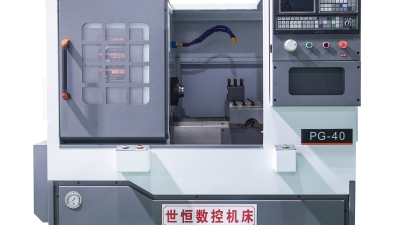
The advancement of CNC lathe technology has ushered in a new era of precision and efficiency in metal processing. With the integration of linear guides, models such as the X400, XG6132, PG40, and PG40B represent the pinnacle of this technological evolution. These flat bed CNC lathes utilize both traditional turning techniques and modern linear rolling guide systems, yielding significant improvements in the accuracy and speed of machining operations. According to a recent industry report, machines that incorporate linear guides demonstrate up to a 30% increase in productivity, a compelling advantage in today’s competitive manufacturing landscape.
The unique design of flat bed CNC lathes facilitates the processing of complex parts with exceptional precision. The linear guide technology minimizes friction and wear, leading to consistent performance and extended machine life. This is crucial, especially in industries that demand stringent standards for precision and strength, such as aerospace and automotive manufacturing. Additionally, the increased rigidity of these machines allows for high-performance machining, enabling manufacturers to tackle intricate designs and tight tolerances more effectively.
Furthermore, the adaptability of these CNC lathes makes them suitable for a wide range of applications, from production runs of small components to large-scale part fabrication. Manufacturers leveraging flat bed CNC lathes with linear guides can expect not only heightened output but also improved operational efficiency. As businesses continue to seek ways to optimize their processes, investing in advanced CNC technology is essential for achieving competitive advantages in precision engineering.
FAQS
: Industries such as aerospace, automotive, and medical manufacturing are utilizing vertical CNC machines for their capability to create complex parts with tight tolerances.
Vertical CNC machines allow for multiple tasks to be performed in a single setup, reducing the need for additional machinery and optimizing manufacturing workflows.
The global CNC machine market is expected to exceed $100 billion by 2032, driven by advancements in technology and manufacturing processes.
Industry 4.0 principles, along with IoT technologies, are being integrated into vertical CNC machines for real-time monitoring and data collection, enhancing operational efficiency and responsiveness to market demands.
China accounts for approximately 35% of global CNC machine exports due to rapid technological advancements, competitive pricing, and a strong manufacturing infrastructure.
Initiatives like "Made in China 2025" focus on upgrading machinery and investing in research and development, including automation and precision engineering features.
The increasing demand for precision machining and automation in industries such as aerospace, automotive, and electronics is driving growth in the vertical CNC machine market.
Businesses can invest in advanced CNC technology, establish strong supplier partnerships, and emphasize employee training on new CNC technologies to enhance competitiveness and adapt to market demands.
The CNC machine market is projected to have a compound annual growth rate (CAGR) of around 6.5% through 2025.
Fostering an environment of continuous learning increases operational efficiency, optimizes machine utilization, and helps reduce downtime significantly.