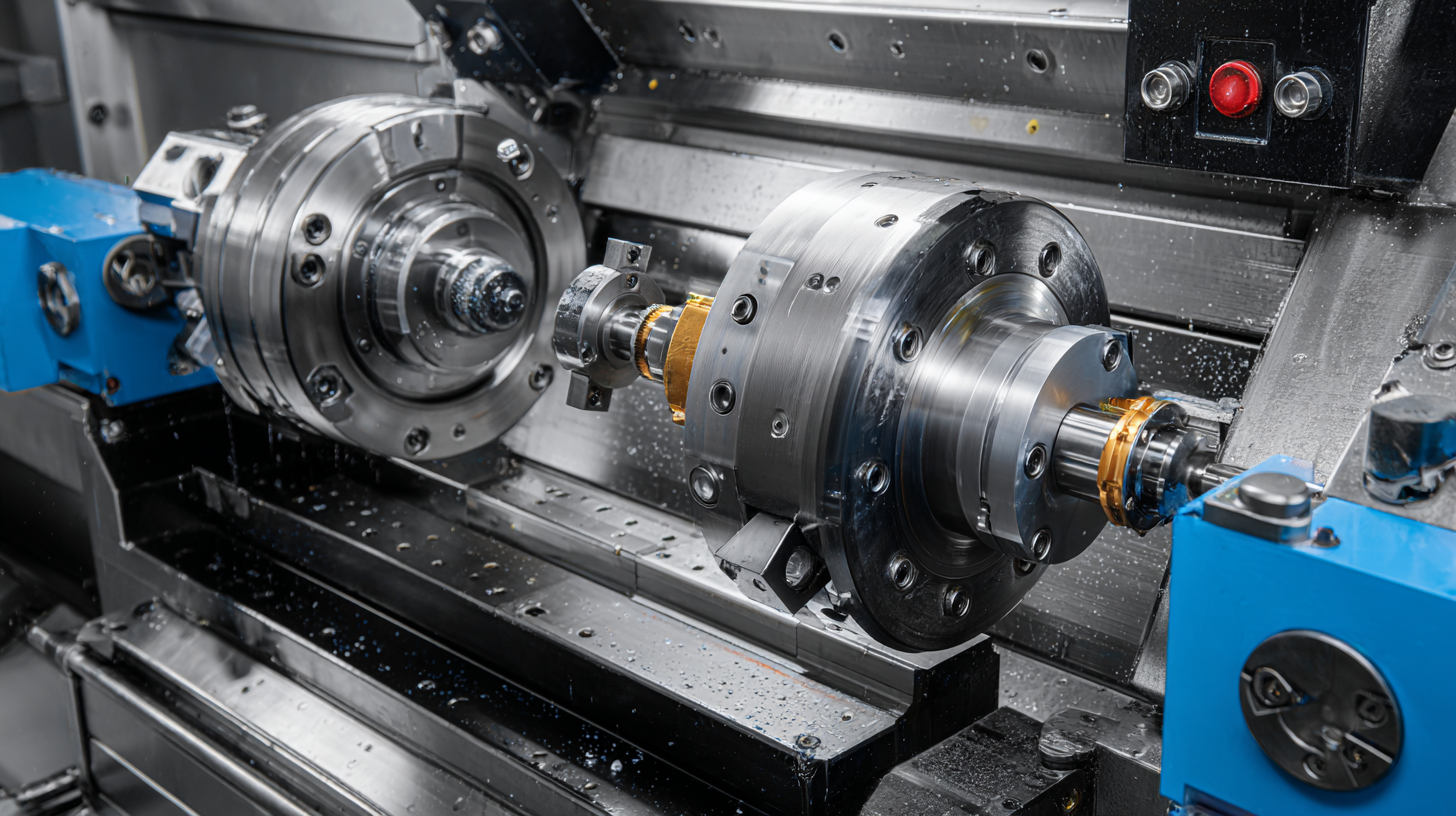
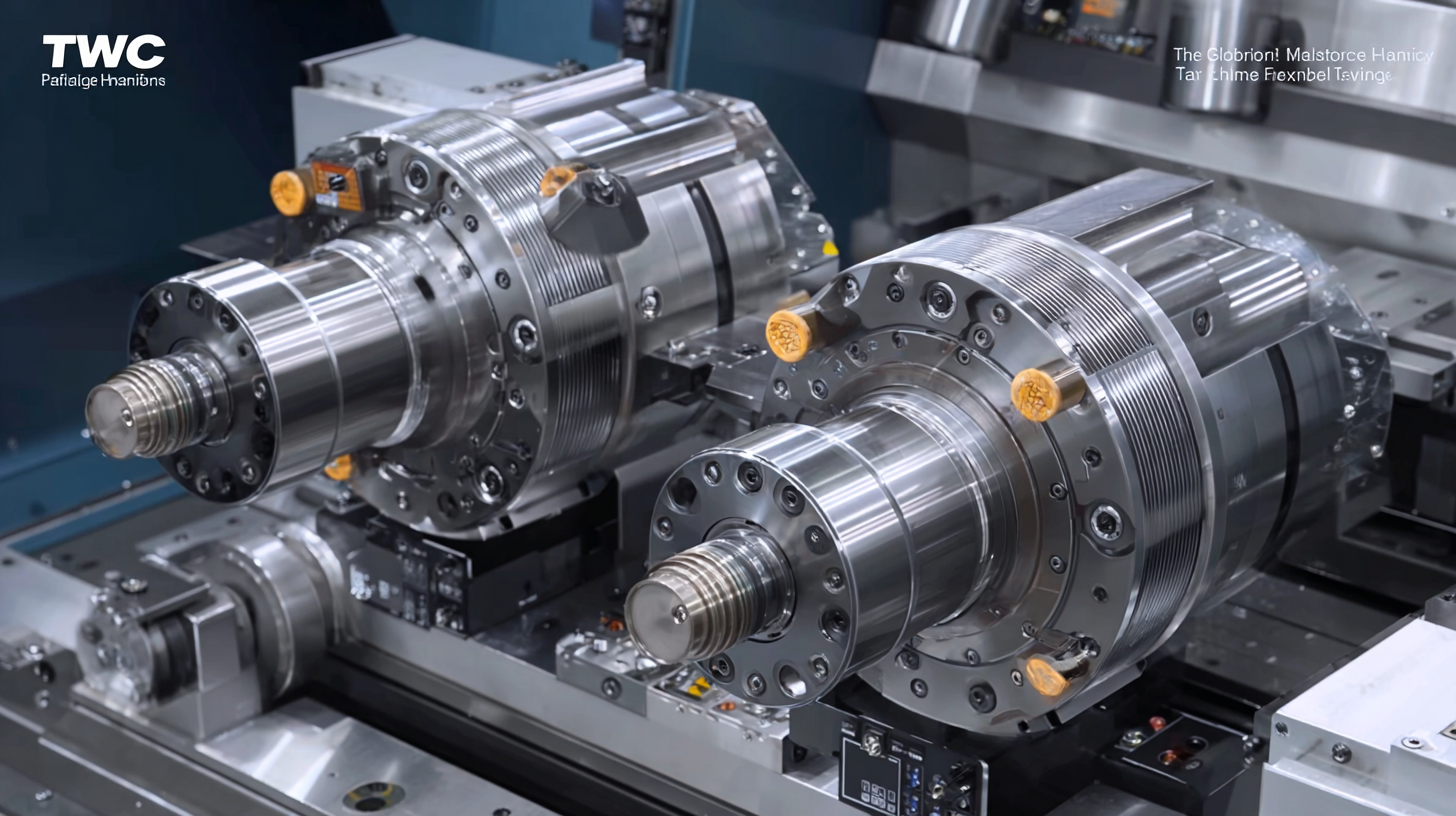
You know, the world of global manufacturing is changing really fast these days! With that shift, there's been a huge spike in the need for advanced machining solutions, especially when it comes to nifty equipment like the Twin Spindle Lathe. A recent report from MarketsandMarkets even predicts that the Cnc Machine market will hit a whopping $100 billion by 2025! Can you believe that? It really shows how important precision tools are for boosting productivity and efficiency. At Taizhou Luqiao Shiheng Cnc Lathe Co., Ltd., we’re leading the charge in CNC machine tool technology.
Our amazing R&D team, filled with top-notch engineers and experts, is totally committed to weaving the latest advancements into our products. Because of this dedication, our Twin Spindle Lathes are top-tier solutions for manufacturers who want to really optimize their operations and nail down unmatched precision in their machining processes. It's an exciting time to be in this field!
The Importance of After-Sales Service in Twin Spindle Lathes
You know, when you're thinking about investing in a twin spindle lathe, one thing that's just as important as how the machine performs is the after-sales service. I mean, sure, we all know that manufacturers from China are pretty well-regarded for making top-notch twin spindle lathes. But honestly, the real question is how reliable the company is once you've made that purchase. These machines can be pretty complex, and let's face it, you'll need some proper maintenance and the occasional fix-up. Having a solid after-sales support can really make a difference, keeping that downtime to a minimum for manufacturers.
Good after-sales service means getting timely tech support, having easy access to replacement parts, and even offering thorough training for operators. When a manufacturer focuses on these aspects, they’re not just boosting the value of their product – they're also building a solid trust with their customers. Regular maintenance checks and quick assistance can really stretch the life of the machinery, which in turn can ramp up productivity and lower operational costs. And with global competition heating up, companies that choose twin spindle lathes from those who really shine in after-sales support are definitely going to have an edge when it comes to keeping things efficient and running smoothly.
Global Manufacturing Excellence: After-Sales Service in Twin Spindle Lathes
Understanding Maintenance Costs for Twin Spindle Lathes
So, when you're looking at the maintenance costs for twin spindle lathes, it’s not just about that initial price tag; you've really got to take into account all the ongoing expenses too. I mean, it’s crucial! Some recent reports have pointed out that automation plays a huge role in bringing those costs down. For example, bringing in robotic systems can really boost productivity by smoothing out operations and cutting down on any downtime, which ultimately helps balance out those pesky maintenance costs. And get this—industry analysts have found that adding robotic assistance can ramp up productivity by as much as 30%! That's pretty impressive when you think about how effective it is to splash out on advanced tech.
Now, let’s not forget that twin spindle lathes are pretty complex machines, especially since they often use driven tools. This complexity can definitely influence maintenance costs. But on the flip side, these machines can deliver better part quality and shorter cycle times, which is a win for the bottom line, right? There’s some solid data suggesting that shops using CNC lathes with these driven tools see big improvements in efficiency and how consistently they output parts. As folks in manufacturing keep pushing the envelope with innovation, it’s becoming super important to really get how the capabilities of your machines relate to maintenance costs. So yeah, investing in automated solutions is shaping up to be a smart strategy for keeping those costs in check.
Key Digital Features to Look for in Advanced Twin Spindle Lathes
You know, in the world of advanced manufacturing, twin spindle lathes are really starting to take off. They're super popular because they can boost productivity and precision, which is what everyone’s after, right? If you're diving into the options from China, it'll really pay off to pay attention to some key digital features that can amp up performance. One major thing to look for is real-time monitoring. This neat feature lets operators keep an eye on how efficiently each machining process is running and adjust things right on the spot, which helps ensure optimal output. Plus, having some sophisticated software integration can really streamline scheduling and workflow management, making it easier for manufacturers to get the most out of their operations.
And let’s not forget about automation. Lathes that come with automated functions are a game changer. They cut down on manual labor and also lower the chances of human error, which is key for keeping things accurate. These days, smart connectivity is becoming super important too. If your lathe can hook up with Industry 4.0 systems, you can do real-time data analysis, which really helps in making quicker and better decisions, plus it’s great for predictive maintenance. So, if you’re thinking about investing in twin spindle lathes with these fancy digital features, you’ll definitely be giving your business a serious edge in the global market!
Practical Tips for Selecting the Right Twin Spindle Lathe
Choosing the right twin spindle lathe for your manufacturing setup isn’t just about picking a machine; it’s about finding the one that fits your needs now and where you want to go in the future. You know, according to this report from Grand View Research, the CNC lathe market is set to hit around $4.89 billion by 2025, mainly because more and more companies are leaning into automation and precision in their processes. So, when you invest in a solid twin spindle lathe, it could really boost your production efficiency and accuracy.
Now, let's talk about some important things to think about when you're on the hunt for a twin spindle lathe. Speed and flexibility are key. Nowadays, you're looking at modern twin spindle lathes that come packed with features like high spindle speeds and a bunch of tooling options. These can really chop down your cycle times and ramp up your throughput. Oh, and I came across some data from Technavio, which suggests that manufacturers using these advanced machining techniques might bump up their productivity by as much as 30%—that’s pretty impressive, right?
Also, don’t forget about the brand's reputation and the support they offer. It can really make a difference, trust me. Having reliable after-sales service means you can get the most out of your lathe and keep things running smoothly on your production line without too much downtime.
Global Manufacturing Excellence: Discover the Best Twin Spindle Lathe from China
| Model | Max Swing Diameter (mm) | Spindle Speed (RPM) | Number of Spindles | Power (kW) | Weight (kg) |
| Model A | 400 | 3000 | 2 | 11 | 1500 |
| Model B | 450 | 3500 | 2 | 15 | 1800 |
| Model C | 500 | 2500 | 2 | 18 | 2000 |
| Model D | 550 | 4000 | 2 | 22 | 2200 |
Comparing Chinese Twin Spindle Lathes with Global Competitors
When you dive into the world of precision machining, you quickly realize that twin spindle lathes are super important for boosting productivity and efficiency. It’s pretty exciting to see how Chinese manufacturers have really stepped up their game, producing some seriously high-quality twin spindle lathes that can hold their own on the global stage.
Now, when you stack these machines up against those from other countries, there are a few key things you need to think about—like technology, cost, and the support services that come with them. Sure, the big names from Japan and Germany usually have a strong grip on the high-end market, but let me tell you, quite a few Chinese brands are rolling out impressive specs and features that catch the eye of budget-conscious manufacturers, without skimping on performance.
Another thing to keep in mind is how quickly things are changing in Chinese manufacturing. With all the buzz around automation and smart tech, more and more Chinese twin spindle lathes are incorporating cool features like CNC integration and real-time monitoring. This makes them super flexible to meet modern production needs. Plus, the pricing is really competitive, which is a major win for manufacturers across the board—especially those small to medium-sized businesses that are trying to upgrade their machinery without breaking the bank. So, this combo of great value and cutting-edge tech really puts Chinese twin spindle lathes in the spotlight as serious players in the global manufacturing scene, challenging what we usually think and raising the bar for everyone in the industry.
Maximizing Performance and Longevity of Twin Spindle Lathes
You know, if you really want to get the most out of your twin spindle lathes, it’s super important to wrap your head around how they work and what kind of maintenance they need. These machines are awesome for cranking out production because they can do a lot at once—like, seriously, they really boost output in manufacturing. But here’s the thing: to keep them running at their peak, you gotta stay on top of regular maintenance and calibration. Little things, like the precision of the spindle bearings and the tooling, can really affect how well the lathe performs. So, taking some time for routine checks can not only make your equipment last longer but also cut down on those pesky downtime moments when you’re trying to get things done.
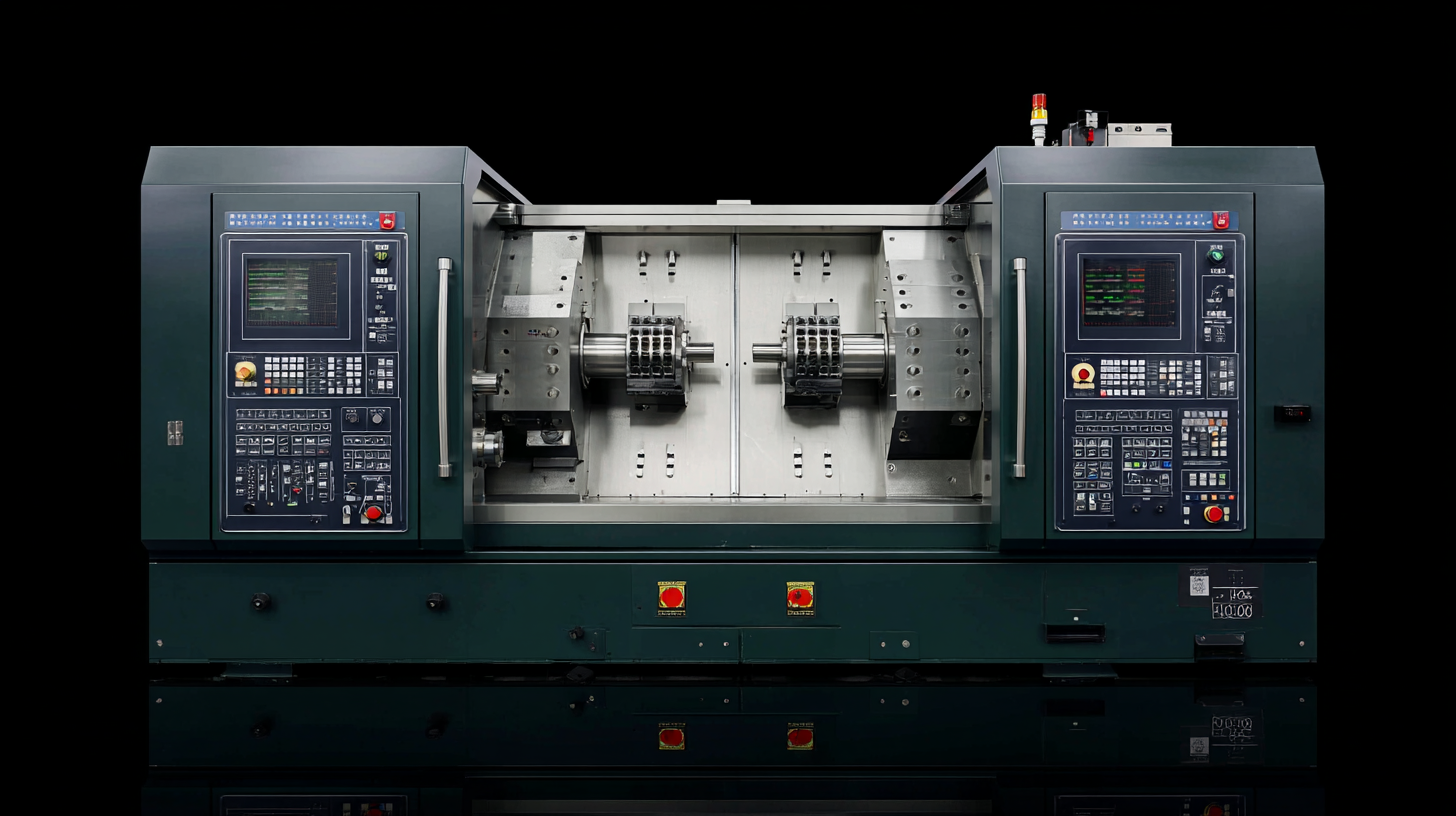
And don't forget about selecting the right materials and cutting tools! The quality of your tooling, especially when it's tailored for the specific things you're machining, can seriously up your cutting efficiency and minimize wear and tear. Plus, if you bring in some advanced tech like automated monitoring systems, you can catch any potential hiccups early on, which is a game changer for keeping your twin spindle lathe running like a dream. By doing all this, manufacturers can really make the most out of their twin spindle lathes, driving efficiency through the roof and slashing those operational costs on the production floor.
FAQS
: Maintenance costs for twin spindle lathes are influenced by initial investment, ongoing operational expenses, and the complexity of the machines, which often integrate driven tools. Automation, such as robotic systems, helps to reduce downtime and can offset maintenance expenses.
Automation can enhance productivity by streamlining operations and reducing downtime. Reports indicate that integrating robotic assistance can lead to productivity increases of up to 30%, making automated solutions cost-effective in the long run.
Key digital features to look for include real-time monitoring for efficiency tracking, sophisticated software integration for scheduling and workflow management, enhanced automation to minimize manual labor and errors, and smart connectivity options for real-time data analysis.
Chinese twin spindle lathes have become competitive on a global scale due to their impressive specifications, cost-effectiveness, and rapid innovation cycles. While Japanese and German brands may dominate the high-end market, many Chinese models offer advanced features appealing to cost-sensitive manufacturers.
Advanced twin spindle lathes provide enhanced productivity, precision, and improved part quality. Features like CNC integration and driven tools lead to higher efficiency and output consistency, positively impacting operational returns.
Real-time monitoring allows operators to track the efficiency of machining processes and make necessary adjustments on the fly, ensuring optimal output and minimizing operational delays.
Smart connectivity allows for integration with Industry 4.0 systems, enabling real-time data analysis, facilitating better decision-making, and improving predictive maintenance capabilities.
Investing in automated solutions helps to balance maintenance costs with operational efficiency, as they reduce manual labor, enhance accuracy, and contribute to overall productivity improvements.
Automation minimizes the risk of human error in machining processes, thereby improving overall accuracy and quality of output, which is essential for precision manufacturing.
By investing in twin spindle lathes with advanced digital features and automation, manufacturers can significantly boost productivity, improve operational capabilities, and maintain a competitive edge in the global market.