Leave Your Message
0%

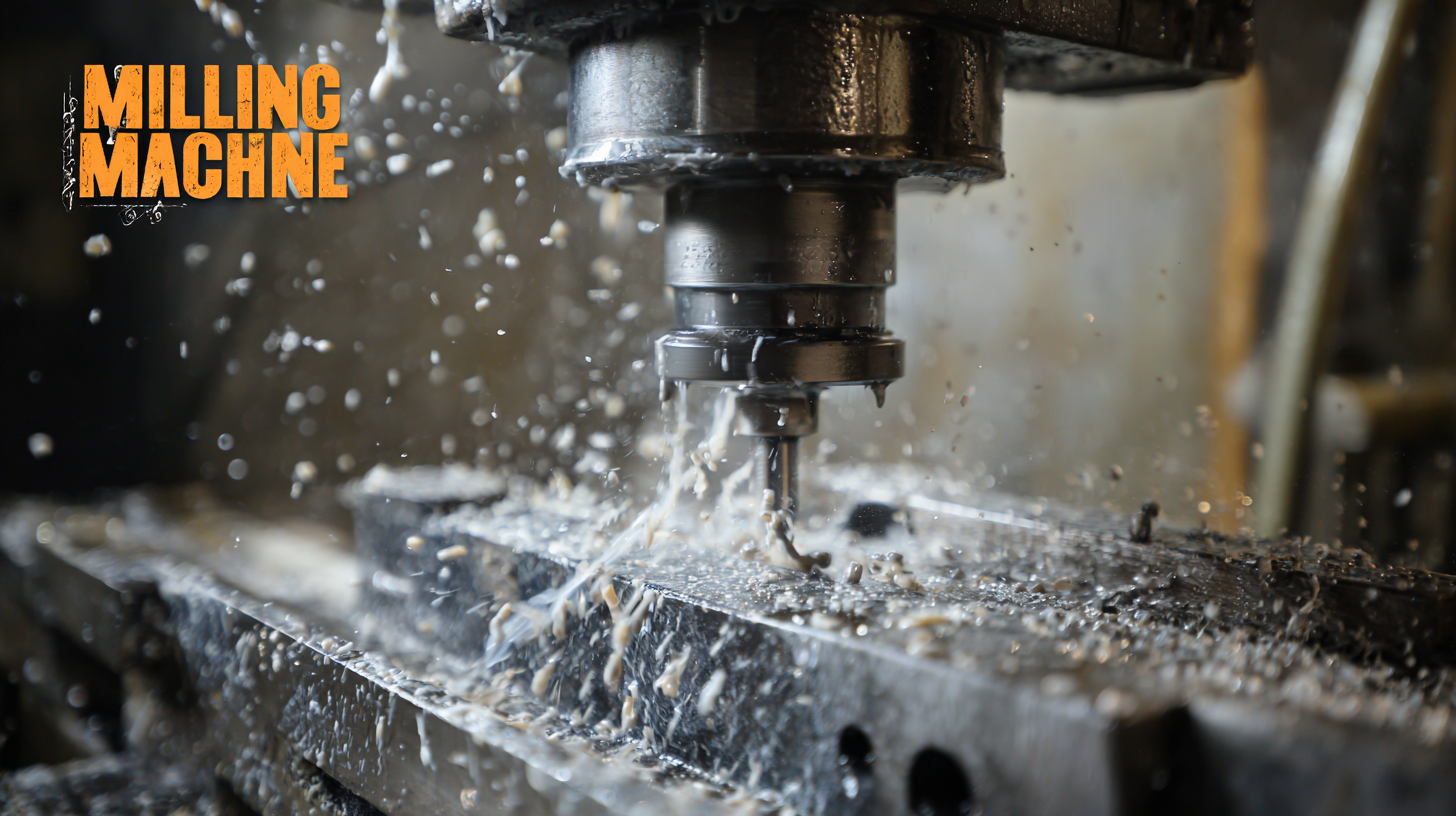
You know, the demand for Milling Machines around the world is really on the rise. People are projecting that by $75 billion! Isn't that wild? A big part of this growth comes from the leaps we've made in CNC technology and automation. These improvements are making manufacturing processes way more precise and efficient. 7 Strategies to Choose the Best Milling Machine for Global Buyers Speaking of which, Taizhou Luqiao Shiheng Cnc Lathe Co., Ltd.is at the forefront of Cnc Machine tool tech, and we're all about tapping into the latest innovations to keep up with what buyers need as things change. Our awesomeR&D team—made up of some pretty top-notch engineers and experts—works tirelessly to incorporate the newest tech into our Milling Machines. We want to make sure our machines not only meet the market's standards but actually surpass them! It's crucial for buyers to really grasp the complexities of this market and to use smart selection criteria when they're looking to invest in high-quality milling solutions that can boost their productivity and profits. It’s a big deal!
Key Factors to Evaluate When Selecting a Milling Machine for International Markets

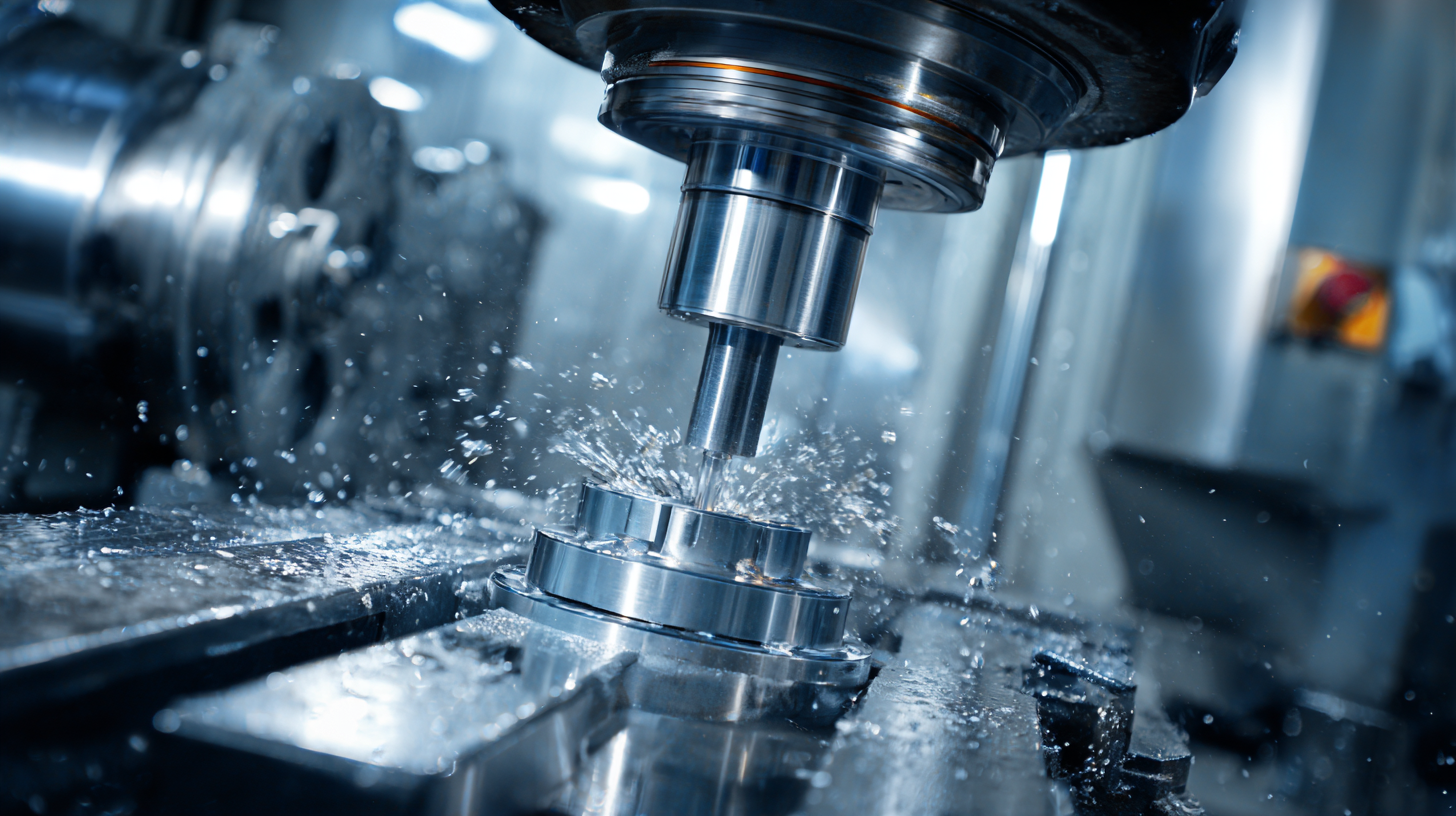
So, when you're thinking about picking a milling machine for international markets, there are quite a few important things to keep in mind that can really influence how well it runs and, of course, your bottom line. You know, I came across this report from MarketsandMarkets, and it mentioned that the global Cnc Milling Machine market is projected to hit a whopping $100 billion by 2025, with a solid growth rate of about 7.5% annually. That just goes to show how crucial it is to make smart choices when you're looking to invest in milling gear. You definitely want to think about factors like precision, whether the materials you work with are a good match, and how tech-savvy the machines are – it's super important to ensure they can handle your production needs now and down the road.

Another thing that's really key is how easily you can get technical support and spare parts in the areas where you're operating. I found this study from Research and Markets that pointed out how tech advancements, like automation and IoT integration, are playing a big role in what buyers decide on. Machines that come with cool features, like predictive maintenance and real-time monitoring, don’t just ramp up productivity – they can save you a ton in operational costs over time. And on top of all that, it’s vital to get a grip on regional regulations and understand what the market demands are. This way, buyers can choose machines that not only stay within the legal guidelines but also help boost efficiency.

Understanding the Different Types of Milling Machines and Their Applications

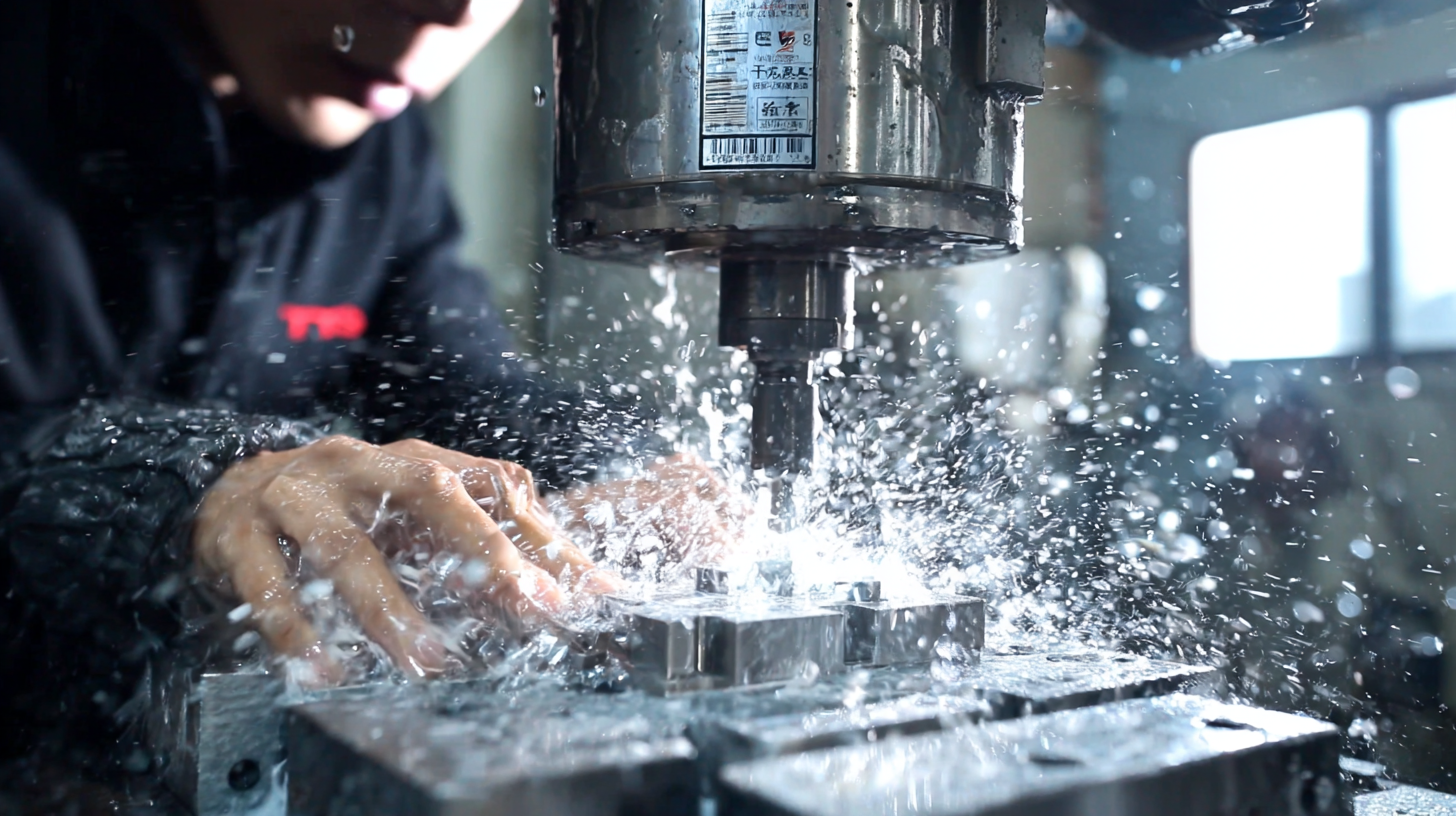
Alright, so when you're trying to pick out the right milling machine, it’s super important to get a good grasp on the different types and what they’re actually used for. You’ve got your vertical and horizontal milling machines, and they each have their own special talents. Vertical machines are pretty much the go-to for small-scale production and detailed designs. They’re just perfect for working on those little components that need some fine-tuning. That’s why you’ll see them a lot in fields like electronics and automotive stuff. Now, if you’re dealing with bigger jobs, horizontal milling machines are where it’s at. They can tackle larger workpieces and are a beast when it comes to mass production, making sure things stay consistent and efficient.

Another thing to keep in mind is the milling process itself—like, are you going for conventional machining or CNC (Computer Numerical Control)? Conventional machines are more of a hands-on deal and are great for simpler tasks, while CNC mills are all about automation, giving you those precise cuts that are a dream for creating intricate designs. And don’t forget to think about what you actually need the machine for—whether it’s making flat surfaces, cutting slots, or crafting complex shapes. By knowing these details, you’ll be in a much better position to choose the milling machine that really hits the mark for your production needs.

Comparative Analysis of Milling Machine Brands Based on Performance and Reliability

So, if you’re on the hunt for the perfect milling machine, you really need to take a good look at how different brands stack up in terms of performance and reliability. You know, it’s crazy how often things go wrong because of poor maintenance – it can really mess up production schedules. Some studies, including one that digs into predictive maintenance tech, show that if you have a solid maintenance plan in place, you can cut down on breakdowns by more than 40%! That’s some serious savings for manufacturers.

Also, when we talk about milling machines, it’s not just about having them run; you want to focus on things like precision and speed too. These metrics are super important for hitting those production targets. A recent report pointed out that machines that are more reliable can actually improve operational efficiency by about 30% when you compare them to ones that aren’t so dependable. So, picking a milling machine from a brand that’s known for reliability and easy maintenance can really give your productivity a nice boost, especially in industries where every second counts.

Exploring Technological Innovations in Milling Machinery: What Global Buyers Should Consider

When it comes to picking out a milling machine, global buyers really need to keep an eye on the latest tech innovations that can boost productivity and efficiency. A big factor to consider is how well the machine integrates with digital technologies, like CNC (Computer Numerical Control) capabilities. CNC milling machines are a game changer because they offer precision and automation—this means manufacturers can crank out products faster while cutting down on human error. Plus, new software that allows for real-time monitoring and data analytics can seriously optimize machining processes. So, when you're choosing a milling machine, make sure to take a close look at these features!

But that’s not all—another key thing to think about is how adaptable the machine is to different materials and applications. Nowadays, you can find advanced milling machines that can handle a much wider variety of materials, from metals to composites, which is great for many different industries. For those globally sourcing these machines, understanding a machine’s flexibility and its compatibility with new materials could really give you an edge in the market. And let's not forget, sustainability is becoming a huge deal in milling technology. Things like energy efficiency and waste reduction are more important than ever. As manufacturers strive to shrink their environmental footprint, choosing machines that are up-to-date with these innovations isn’t just about meeting regulations; it also appeals to those eco-conscious buyers out there.

The Importance of After-Sales Support and Maintenance Services in Milling Equipment Purchase

So, when you’re on the hunt for a milling machine, it’s super important for global buyers to really pay attention to after-sales support and maintenance services. You see, how well your milling equipment performs and how long it lasts really depends a lot on the quality of these services. Having a solid aftermarket strategy? Absolutely crucial! Not only does it keep the machinery running smoothly, but it also builds a long-lasting relationship between the manufacturers and their customers. Nowadays, many manufacturers are actually weaving these aftermarket services into their main business strategies, making sure they offer support that truly meets their clients' ongoing needs.

And let’s not forget about tech advancements! They’re shaking things up in the maintenance services world. With cool stuff like digital manufacturing and preventive maintenance, companies can come up with personalized solutions that really pump up equipment performance and cut down on those annoying downtimes. By adopting innovative product-service systems, manufacturers can provide proactive maintenance which is key to keeping complex machinery in top shape. So, for those global buyers out there, it’s a good idea to focus on vendors who are genuinely committed to outstanding after-sales service. It’ll definitely help create a reliable and efficient production environment.

7 Strategies to Choose the Best Milling Machine for Global Buyers

Cost-Benefit Analysis: How to Assess Milling Machine Investments for Long-Term Gains

So, you’re thinking about getting a milling machine? That’s great! But before you dive in, it’s super important to do a solid cost-benefit analysis to make sure you’re not just throwing money down the drain. Start off by looking at what it’ll actually cost you to get the machine up and running. This includes not just the price tag of the machine itself but also any installation fees and those handy accessories you might need. Don’t forget about the ongoing costs, like electricity, maintenance, and spare parts—those little things can really add up over time and impact your overall budget. If you compare all these costs against what you expect to produce, as well as how much more efficient you’ll become, it’ll help you make smart choices that fit your financial game plan.

And hey, you’ve got to think about the potential return on investment (ROI) too! Look at how this machine is going to boost your production rates and quality over the long haul. A reliable and efficient machine can really save you on labor costs while ramping up your output, which means more money in your pocket. Plus, it’s wise to consider how adaptable the machine is to new tech and changing market trends—going for something versatile can pay off big time as your manufacturing needs evolve. By digging into all these elements, you can pick a milling machine that not only meets your current production demands but also sets you up for long-term success in this competitive landscape.

7 Strategies to Choose the Best Milling Machine for Global Buyers

FAQS

: What should be prioritized when selecting a milling machine?

: A comprehensive comparative analysis of brands based on performance and reliability is essential, alongside considerations for maintenance strategies to reduce unplanned downtimes.

How can maintenance strategies impact milling machine performance?

Implementing systematic maintenance approaches can reduce breakdowns by over 40%, leading to substantial cost savings and improved production rates.

What metrics are important for assessing the performance of a milling machine?

Key metrics include precision and speed, which are critical for meeting production demands effectively.

What advantages do reliable milling machines offer?

Machines with higher reliability can achieve around 30% improvement in operational efficiency compared to less reliable counterparts.

Why should global buyers consider technological innovations in milling machinery?

Technological advancements, such as CNC capabilities and real-time monitoring software, enhance productivity and efficiency while minimizing human error.

How important is adaptability in a milling machine?

The ability to process a diverse range of materials and adapt to changing applications is crucial for catering to various industries and maintaining a competitive edge.

What role does sustainability play in the selection of milling machines?

Sustainability features, including energy efficiency and waste reduction, are increasingly important for meeting regulatory standards and appealing to eco-conscious consumers.

What elements should be included in a cost-benefit analysis for a milling machine?

Important elements include initial investment costs, operational costs (energy, maintenance, spare parts), and potential output and efficiency gains.

How can return on investment (ROI) be assessed for a milling machine?

Evaluate how the machine will impact production rates and quality over time, considering its reliability and adaptability to future technological changes.

What is the significance of making informed decisions when purchasing a milling machine?

Analyzing costs, benefits, and the machine's adaptability ensures that buyers choose a machine that meets their current needs while positioning them for long-term success.
Clara

Clara

Clara is a dedicated marketing professional with a deep-rooted expertise in CNC machine tool technology. With a rich background in engineering and a keen understanding of market dynamics, she plays a pivotal role in highlighting the innovative capabilities of her company. Clara's passion for......
Previous Global Manufacturing Excellence Discover the Best Twin Spindle Lathe from China