Leave Your Message
0%

In today's competitive manufacturing landscape, optimizing production processes has become essential for achieving efficiency and quality. One significant advancement in this regard is the use of Vertical Cnc Machines, which have gained a strong foothold in various industries due to their ability to handle complex machining tasks with precision. According to a recent industry report by XYZ Research, the market for CNC machines is projected to grow by 7.2% annually, reaching $100 billion by 2025, driven by the increasing demand for automation and high-precision manufacturing. At Taizhou Luqiao Shiheng Cnc Lathe Co., Ltd., we are at the forefront of CNC machine tool technology, with our dedicated R&D team of industry-leading engineers constantly integrating the latest advancements into our Vertical CNC Machines. This continuous innovation positions us to help manufacturers enhance their operational efficiencies and meet the ever-evolving market demands effectively.
How to Optimize Your Production with a Vertical CNC Machine

Understanding the Basics of Vertical CNC Machines for Enhanced Production

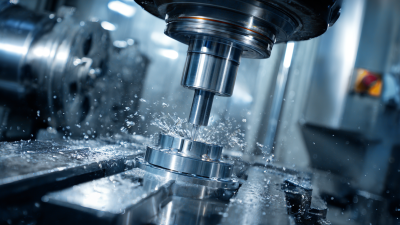
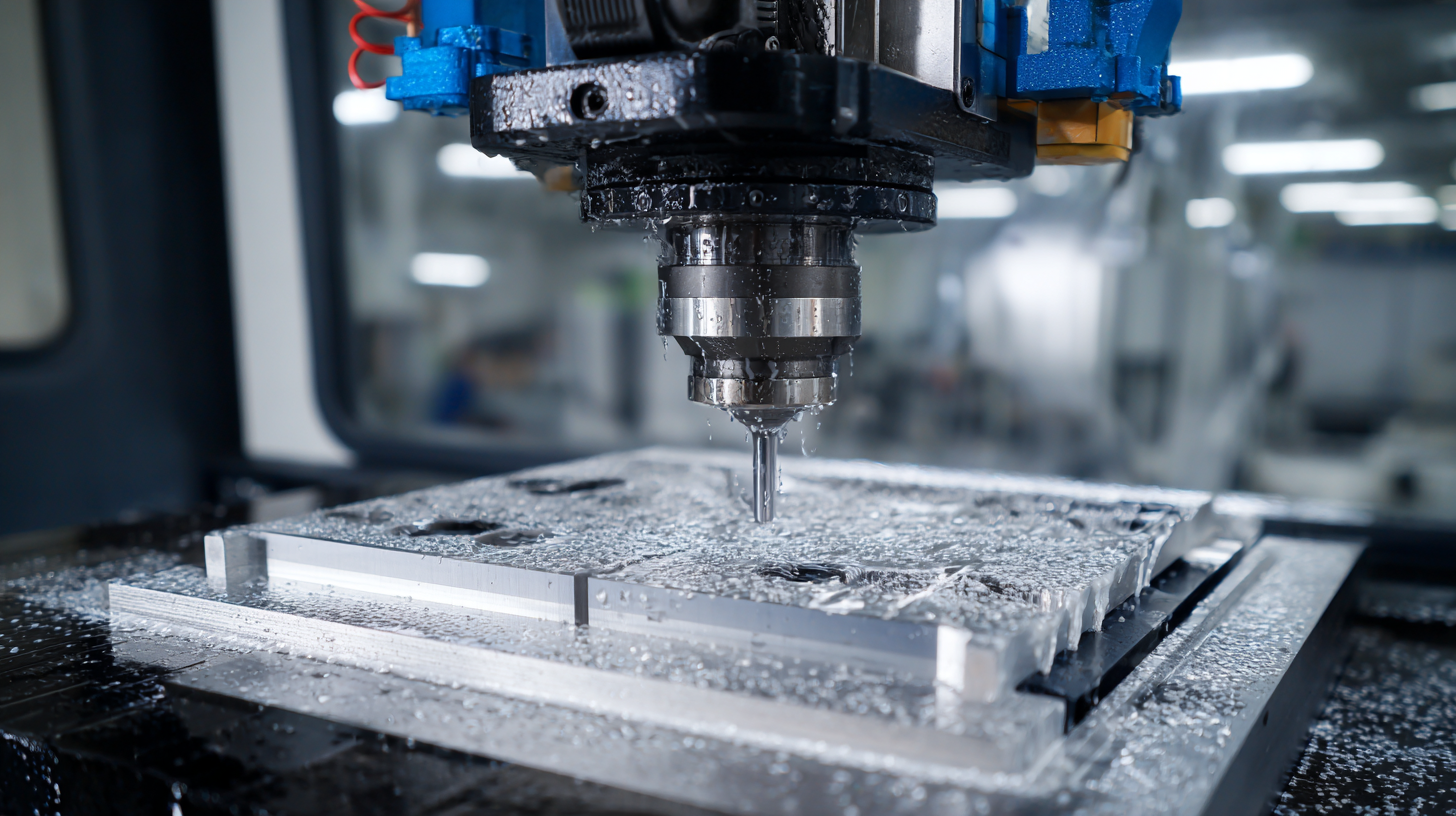
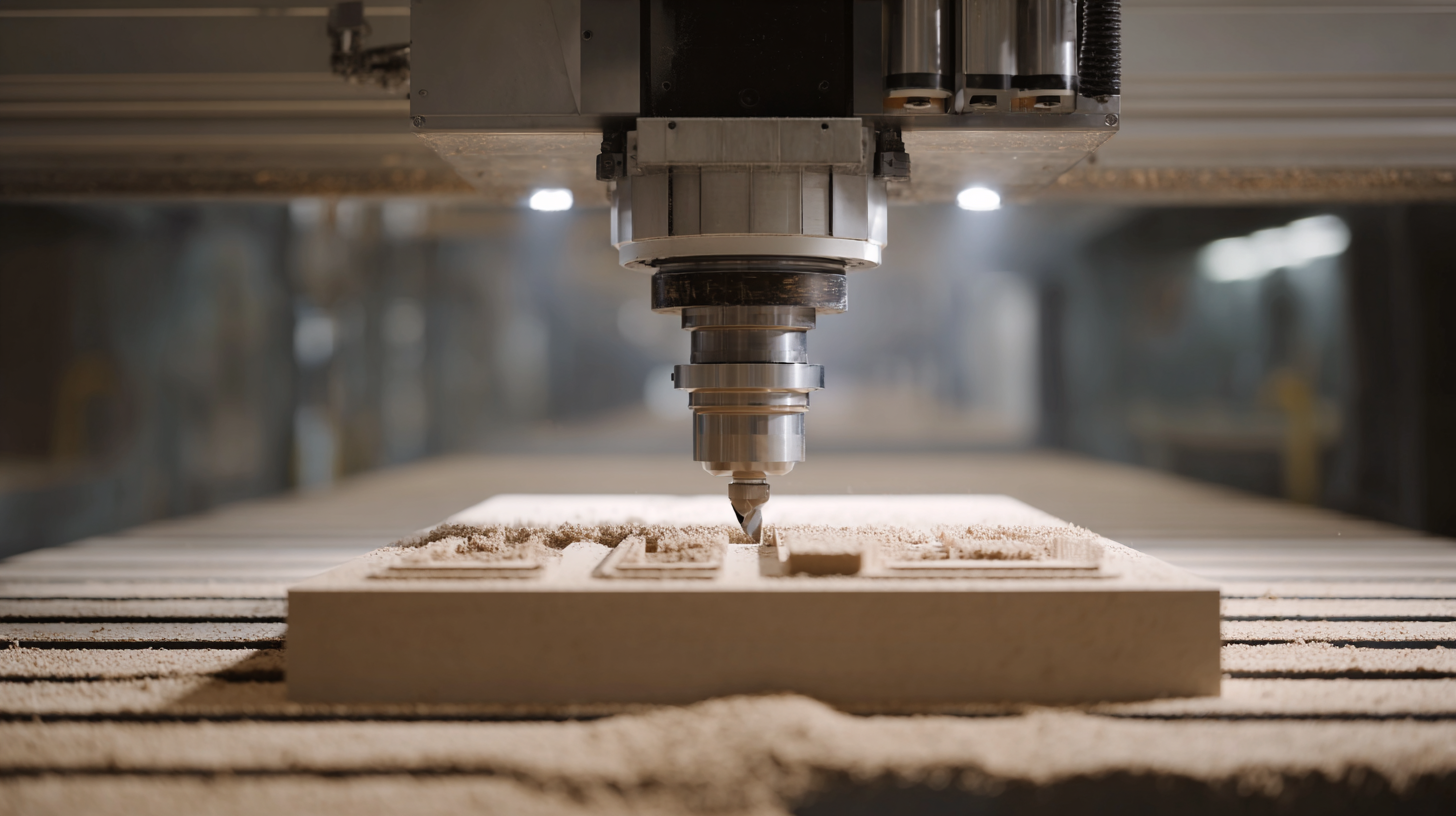
Vertical CNC machines have become a staple in modern manufacturing due to their ability to perform precise machining tasks efficiently. Understanding the basics of these machines is essential for optimizing production. Vertical CNC machines operate with a spindle that moves vertically, allowing for a clear line of sight and easier access to the workpiece. This orientation makes them particularly effective for tasks such as milling, drilling, and tapping, enabling manufacturers to achieve high levels of accuracy and repeatability.

Additionally, the setup and programming of vertical CNC machines are relatively straightforward, making them accessible for operators of varying experience levels. Operators can quickly learn to program these machines using CAD/CAM software, facilitating the rapid transition from design phase to production. The ability to handle a wide range of materials, from metals to composites, further enhances the versatility of vertical CNC machines. By investing in these machines and understanding their fundamental principles, businesses can streamline their manufacturing processes, reduce waste, and ultimately improve overall productivity.

Key Features of Vertical CNC Machines That Boost Efficiency

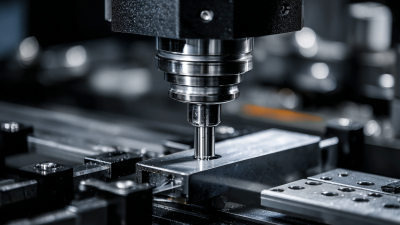
Vertical CNC machines are designed to enhance production efficiency through several key features that significantly boost operational performance. One of the most notable attributes is their superior precision, which allows for tighter tolerances and higher-quality outputs. This is crucial in industries where exact specifications are essential for product integrity. Moreover, the vertical configuration optimizes the workflow, enabling easier access for operators and reducing setup times, which leads to increased throughput.

To further enhance efficiency, operators can consider implementing these tips:

1. **Utilize Tool Management Systems**: Incorporating a tool management system can streamline the process of tool changing, ensuring the right tools are always ready for use, minimizing downtime.

2. **Regular Maintenance**: Regularly scheduling maintenance checks not only extends the machine's lifespan but also ensures optimal performance, preventing costly repairs and production halts.

3. **Adapt Automation**: Leveraging automated processes, such as robotic loading/unloading, can significantly reduce manual handling and speed up production cycles, thereby maximizing the machine’s potential.

These features and practices combined pave the way for more efficient production, enabling manufacturers to meet the demands of a rapidly evolving market.

Best Practices for Setting Up Your Vertical CNC Machine

Setting up a vertical CNC machine effectively is crucial for optimizing production and ensuring efficient machining processes. One of the best practices involves understanding and utilizing post processors. A post processor is a software component that translates the CAD/CAM-generated toolpath into machine-readable code, specifically tailored for the CNC machine being used. By selecting the right post processor, operators can prevent errors, enhance the machine's output, and streamline the setup process.

How to Optimize Your Production with a Vertical CNC Machine

Another effective practice is to establish a well-organized workflow that incorporates the latest CNC advancements. Keeping up with breakthroughs in precision machining can significantly improve productivity. This includes implementing updated programming techniques that are designed to enhance efficiency and reduce setup time. By focusing on these best practices, operators can maximize the potential of their vertical CNC machines, leading to higher quality outputs and more efficient operations in the workshop.

Strategies for Optimizing Tool Paths in Vertical CNC Milling

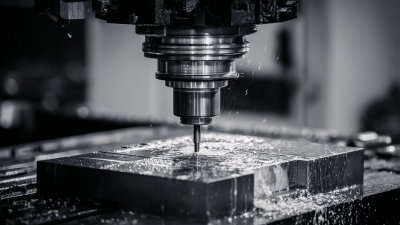
Optimizing tool paths in vertical CNC milling is crucial for enhancing production efficiency and achieving superior quality in finished parts. One effective strategy is to minimize the distance that the cutter must travel between operations. This can be accomplished by strategically planning the sequence of operations and organizing parts on the worktable to reduce unnecessary movements. For example, clustering similar tasks or components can help streamline the machining process, saving both time and energy.

How to Optimize Your Production with a Vertical CNC Machine

Another important aspect of tool path optimization involves selecting the appropriate cutting parameters. By adjusting feed rates, spindle speeds, and depth of cuts, operators can significantly improve machining performance and extend tool life. It is also beneficial to employ advanced tool path strategies, such as adaptive clearing or trochoidal milling, which allow for more efficient material removal. These techniques not only enhance the machining process but also contribute to better surface finishes and dimensional accuracy, ultimately resulting in higher quality products.

Common Troubleshooting Tips for Vertical CNC Machine Operations

When operating a vertical CNC machine, understanding common troubleshooting tips can significantly enhance productivity and reduce downtime. According to a report by the Association for Manufacturing Technology, unplanned machine downtime can cost manufacturers up to $260,000 annually. Therefore, being proactive in addressing potential issues is essential. Regular maintenance checks, such as ensuring proper lubrication and calibration, can mitigate common problems related to tool wear and alignment inaccuracies.

Furthermore, software glitches can often be overlooked but can lead to significant operational inefficiencies. A study from the National Institute of Standards and Technology indicated that improper software configurations could result in material waste of around 10-15%. To resolve these issues, operators should routinely review machine parameters and error logs, ensuring compatibility with the latest software updates. Additionally, staff training plays a crucial role in troubleshooting; knowledgeable operators can identify and address minor issues before they escalate, fostering a more efficient production environment. By implementing these strategies, manufacturers can optimize the performance of their vertical CNC machines and enhance overall output.

Production Optimization with Vertical CNC Machines

This chart illustrates key performance metrics for optimizing production with vertical CNC machines. High efficiency is crucial for minimizing material waste and reducing set-up and maintenance time, ultimately improving production volume.

Ultimate Guide to Heavy Duty CNC Lathe Machines with Tailstock: Features, Benefits, and Applications

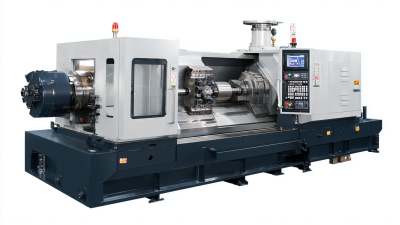
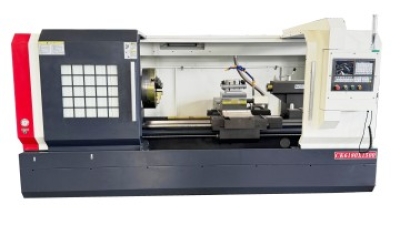
Heavy-duty Cnc Lathe Machines with tailstocks have revolutionized the manufacturing sector, offering enhanced precision and efficiency for various applications. Specifically designed to handle demanding tasks, models like the CK6140, CK6150, and CK6180 excel in processing a range of components, including shafts, discs, and sleeves. The high power and rigidity of these machines ensure that they can withstand the stresses of heavy operations while delivering exceptional dimensional accuracy.

One of the standout features of this series is the optimized design of their main components and structures. This thoughtful engineering not only results in improved performance but also enhances the longevity and reliability of the machines. The tailstock adds versatility, allowing for greater stability when working on long workpieces and facilitating the machining of complex shapes. Industries that require precision-engineered parts, such as aerospace, automotive, and manufacturing, can significantly benefit from the advanced capabilities of these CNC lathes, making them an essential asset in modern workshops.

FAQS

: What are the main benefits of using vertical CNC machines in manufacturing?

: Vertical CNC machines provide precise machining tasks, efficient production, a clear line of sight, and easier access to workpieces, making them particularly effective for milling, drilling, and tapping. They achieve high levels of accuracy and repeatability.

How easy is it to set up and program vertical CNC machines?

The setup and programming of vertical CNC machines are relatively straightforward, allowing operators of varying experience levels to quickly learn programming through CAD/CAM software, facilitating a rapid transition from design to production.

What materials can vertical CNC machines handle?

Vertical CNC machines are versatile and can handle a wide range of materials, including metals and composites.

What are some strategies for optimizing tool paths in vertical CNC milling?

Effective strategies include minimizing the cutter's travel distance by planning operation sequences, organizing parts on the worktable, and employing advanced techniques like adaptive clearing or trochoidal milling to enhance material removal efficiency.

How do cutting parameters affect machining performance?

Adjusting feed rates, spindle speeds, and depth of cuts can significantly improve machining performance and extend tool life. Proper selection of these parameters is essential for efficient operations.

What are some common troubleshooting tips for vertical CNC machine operations?

Regular maintenance checks, ensuring proper lubrication and calibration, reviewing machine parameters and error logs, and providing staff training can help address common problems and reduce downtime.

Why is it important to address software glitches in CNC machines?

Software glitches can lead to operational inefficiencies and significant material waste, so routinely checking for proper configurations and compatibility with updates is essential to maintain optimal performance.

How can clustering similar tasks help in CNC machining?

Clustering similar tasks or components on the worktable reduces unnecessary movements, streamlining the machining process and saving time and energy.

What impact does unplanned machine downtime have on manufacturers?

Unplanned machine downtime can cost manufacturers up to $260,000 annually, making it crucial to be proactive in addressing potential operational issues.

How can staff training contribute to efficient CNC machine operations?

Knowledgeable operators can identify and resolve minor issues before they escalate, fostering a more efficient production environment and enhancing overall output.

Conclusion

Optimizing production using a Vertical CNC Machine involves understanding its fundamental principles and leveraging its key features. Vertical CNC Machines are designed to enhance efficiency in manufacturing processes through their precise control and versatility. To maximize their potential, best practices for setup and maintenance are essential, ensuring that the machines operate at peak performance.

Effective strategies for optimizing tool paths in vertical CNC milling can significantly reduce cycle times while improving overall production quality. Additionally, being familiar with common troubleshooting tips can help operators quickly resolve issues, minimizing downtime. At Taizhou Luqiao Shiheng CNC Lathe Co., Ltd., our commitment to advancing CNC machine tool technology, supported by our leading R&D team, ensures that we provide the most innovative and efficient Vertical CNC Machines to meet the evolving needs of the industry.
Sophie

Sophie

Sophie is a dedicated marketing professional at the forefront of CNC machine tool technology. With an in-depth understanding of the industry, she effectively communicates the cutting-edge advancements that her company offers. Sophie regularly updates the company blog, crafting insightful articles......
Previous Global Manufacturing Excellence Discover the Best Twin Spindle Lathe from China