Picking out the perfect milling machine for your business isn’t exactly something to take lightly. The right tool can really make a difference—think higher productivity and better quality to impress your clients. When you choose wisely, you’ll find that operations run smoother and you can get more done in less time. But honestly, I know this isn’t always straightforward—lots of companies get stuck trying to decide. Things like your budget, available space, and what kind of work you do all matter quite a bit.
Now, when it comes to milling machines, especially CNC milling machines, there’s a whole range of features. It’s so important to understand what each machine offers—some are packed with advanced tech, while others are simpler but still do the job. Think about the materials you’ll be working with and how complex your projects are. Every business has its own unique needs, so what works for one might not be ideal for another.
Take your time and do your homework. Not all milling machines are created equal—brands differ a lot in quality, reliability, and support. It’s worth reading reviews, asking around, and really digging into what each company is known for. I get it—making this choice isn’t always easy. But in the long run, investing in the right machine pay off big time. Just keep your goals in mind and think about how this decision will help you improve your business down the line.
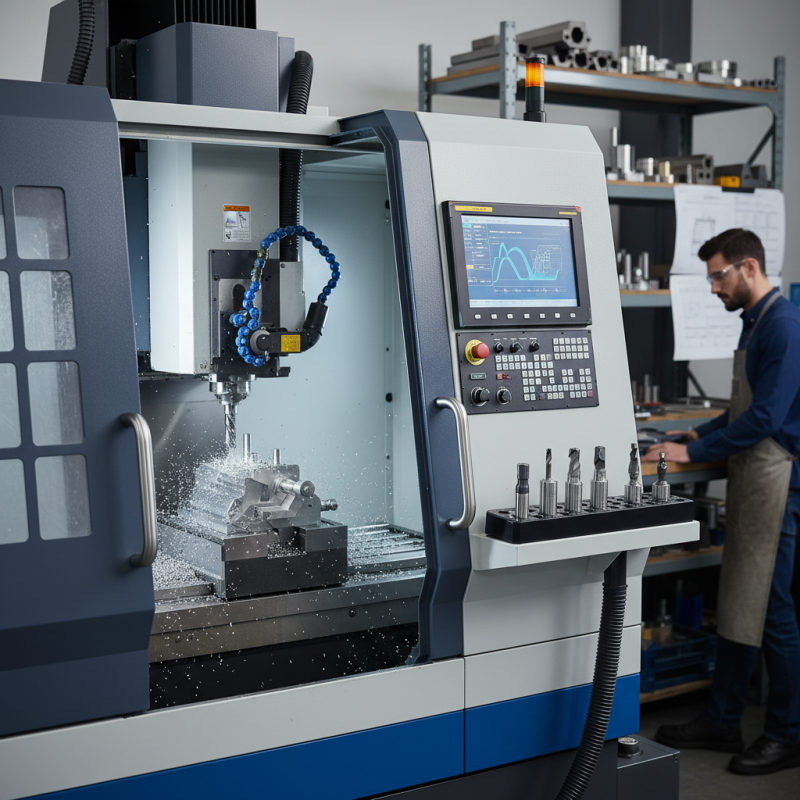
Factors to Consider When Choosing a Milling Machine
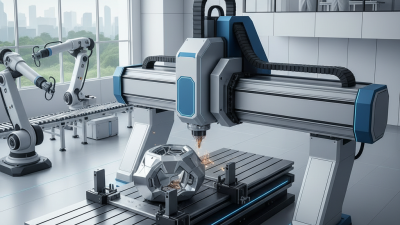
When selecting a milling machine for your business, it's vital to evaluate specific factors. The type of milling machine can significantly influence production efficiency. For instance, a 5 Axis Milling Machine offers advanced capabilities for complex parts. According to industry reports, companies utilizing multi-axis machines can experience up to a 30% boost in productivity compared to traditional models.
Another crucial consideration is the material to be machined. Different materials, such as aluminum, steel, or composite, require distinct milling machine features. A 2022 industry survey highlighted that 45% of manufacturers reported difficulties in sourcing machines compatible with diverse materials. Investing time in understanding your material requirements can prevent costly mistakes.
Cost-effectiveness is also essential. While advanced machines, like 5 Axis Milling Machines, might seem expensive initially, long-term savings in labor and material waste can offset the price. However, aligning budget constraints with specific needs requires careful analysis and sometimes, difficult choices. Continuously reassessing your production goals helps ensure that your milling machine investment aligns with strategic business objectives.
Types of Milling Machines and Their Specific Applications
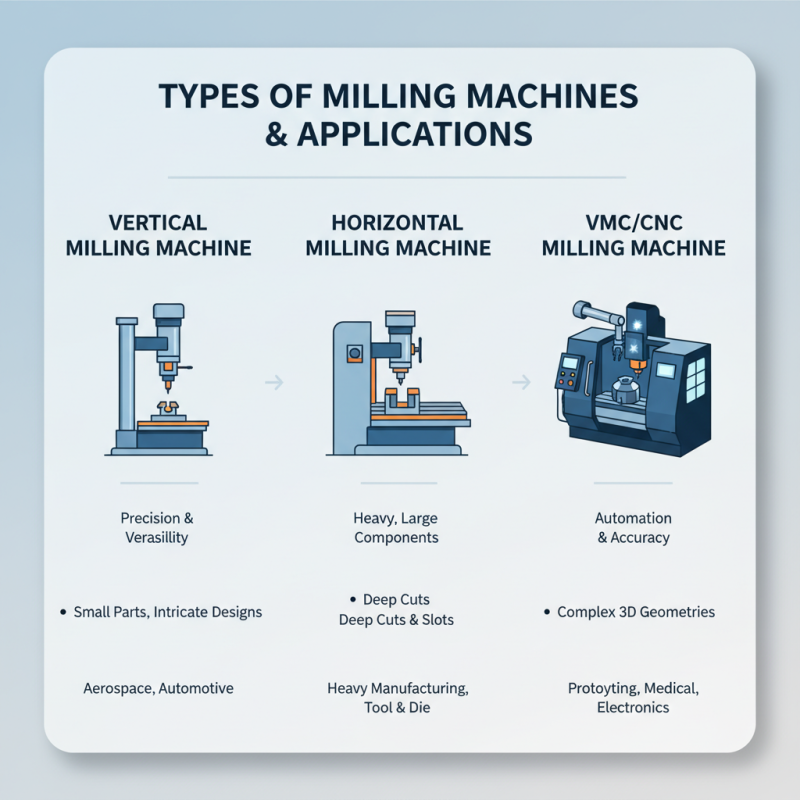
When selecting a milling machine, understanding the various types is essential for making an informed decision. The most common milling machines include vertical, horizontal, and Vmc Cnc Milling Machines. Each type serves unique applications. Vertical milling machines are ideal for tasks that require precision and versatility. They can efficiently handle smaller parts and intricate designs. These machines are favored in industries such as aerospace and automotive for their ability to produce high-quality components.
Horizontal milling machines are used for larger, bulk production runs. They provide a stable platform for processes like slab milling and can operate on larger workpieces. This type shines in manufacturing environments that require high material removal rates. According to industry reports, about 35% of machining operations utilize horizontal mills due to their efficiency in processing heavy-duty work.
Vmc Cnc Milling Machines have gained popularity in recent years. They automate processes and offer greater precision, reducing labor costs. These machines are frequently employed in rapid prototyping and complex part manufacturing. However, the initial investment can be a drawback for small businesses. Choosing the right milling machine ultimately hinges on specific needs and operational goals. Understanding these types will aid in making better purchasing decisions.
Machine Size: Determining the Space and Production Needs
When choosing a milling machine, size relates to more than just dimensions. It's crucial to assess your workspace and production requirements. A machine's footprint should fit seamlessly into your production area. Large machines need ample room for operation and maintenance. Conversely, smaller machines can save space but might limit your production capacity.
Consider the materials you will work with. Heavier materials require robust machines that can withstand higher stress. If your production involves various materials, flexibility in machine size is essential. Think about the workflow too. If the machine is too big for your space, it can hinder movement and efficiency. Proper layout can enhance productivity.
Many businesses overlook future needs. As demand grows, your milling machine must adapt. Investing in a larger machine can be beneficial long-term. Yet, it’s a balancing act. An oversized machine may lead to wasted resources if production slows. Consult experts to understand the optimal size for your specific application. Your choice should combine current needs with future potential.
Key Features to Look for in a Milling Machine
When choosing a milling machine, focus on its key features. The machine’s power is essential. Higher horsepower allows for faster and more efficient operations. Look for models that offer adjustable speed settings. This flexibility helps adapt to different materials and project requirements.
Next, consider the machine’s build quality. A robust frame ensures stability and precision. Check the materials used and the overall design. Heavy materials often indicate durability. Pay attention to the table size and travel capacity. A larger work area can enhance productivity but requires adequate space in your workshop.
Don’t overlook user-friendliness. A machine that is complex may lead to operational challenges. Intuitive controls and clear interfaces make a difference. Also, think about maintenance. Regular upkeep can ensure longevity. Machines with easily accessible components tend to be more reliable. Reflect on your specific needs and examine how various machines align with them.
Key Features to Consider When Choosing a Milling Machine
This chart represents the importance levels of various features when selecting the best milling machine for a business. Features such as power, precision, weight, speed, and price are critical to ensure you make an informed decision that aligns with your business needs.
Evaluating Milling Machine Brands and Manufacturer Reputation
When evaluating milling machine brands and manufacturer reputation, understanding the landscape is critical. Industry reports indicate that over 70% of companies prioritize brand reliability when choosing a milling machine. A reliable manufacturer often means consistent performance and support. Look for companies that have established a long history in the milling machine sector. Experience generally correlates with product longevity and quality.
Another factor to consider is customer feedback. A study showed that nearly 60% of users will advise against brands with poor customer service. This speaks to the importance of manufacturer support. Investigate reviews and testimonials across various platforms. Each machine, including a New Cnc Milling Machine, should come with a history of robust after-sales service to ensure your operations run smoothly.
It's essential to reflect on any red flags in brand reputation. Sometimes, newer brands might offer cutting-edge technology but lack proven reliability. A well-respected brand may have slower product updates, but their long-term durability is often unmatched. Balancing innovation and reliability is a common dilemma in the market. Understanding these nuances can guide you towards a more informed decision about which milling machine aligns best with your business needs.
Budgeting for Your Milling Machine Purchase and Maintenance
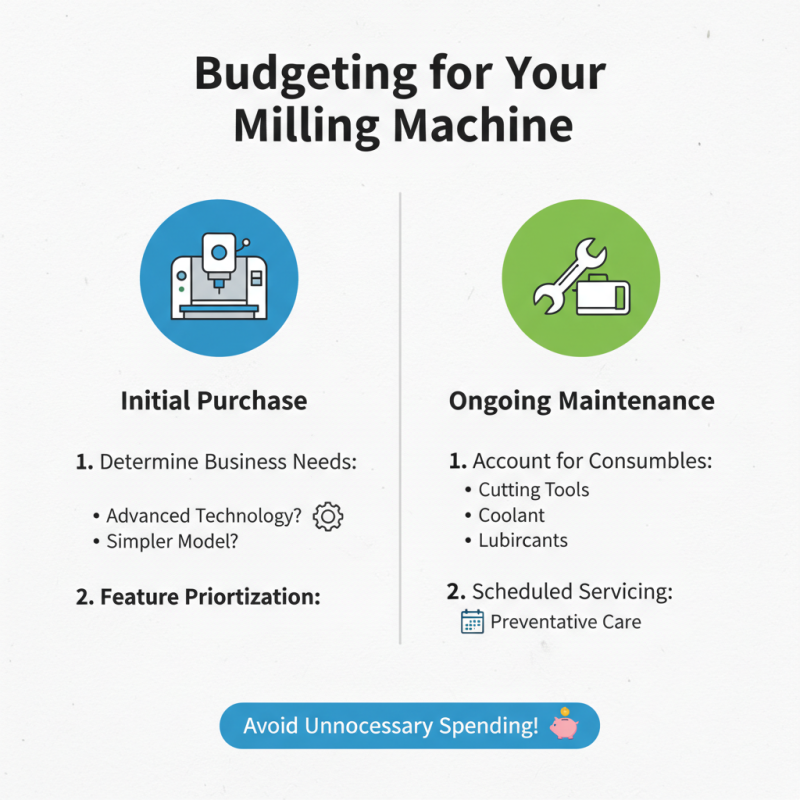
When budgeting for a milling machine, it’s crucial to account for both the initial purchase and ongoing maintenance costs. The price of a quality machine can vary widely. Start by determining what features your business needs. Will you require advanced technology, or will a simpler model suffice? Understanding your operational requirements can help you avoid spending on unnecessary features.
Maintenance is another cost that can’t be overlooked. Regular servicing can prevent costly repairs down the line. Set aside a percentage of your budget specifically for maintenance. For example, aim for 10-15% of the machine's price each year. This will help you keep the machine in prime working condition.
Tips: Research service providers before making a purchase. Find someone with a good reputation and relevant experience. It may be worth investing in a service contract. Additionally, consider refurbishment options for older machines. Sometimes, these options can significantly lower costs while still meeting your operational needs.
The Importance of After-Sales Support and Service Options
When selecting a milling machine, after-sales support is often overlooked. However, it plays a crucial role in long-term success. A reliable support system can make or break your business. When problems arise, quick access to service can minimize downtime.
Consider the complexities of a Cnc Bed Milling Machine. These machines are sophisticated, requiring knowledgeable technicians for upkeep. A company that offers robust training and responsive service can help you use the machine more efficiently. Knowing how to solve issues quickly ensures you're not left waiting for assistance.
Think about how often you'll need parts and support. Delays in receiving spare parts can halt production. Evaluate the after-sales services offered. Are there local technicians? Are they available 24/7? A brand might offer a great product but fail in service. Finding a balance between quality machinery and excellent support is essential to maintain productivity and efficiency in your business.
Conclusion
Choosing the best milling machine for your business involves careful consideration of several key factors. First, you should evaluate the specific applications required by your operations and understand the different types of milling machines available. It's crucial to assess the machine size to ensure it fits within your workspace while meeting production needs. Additionally, look for essential features that enhance performance and efficiency, and consider the reputation of manufacturers to ensure reliability.
Budgeting is another critical aspect, as it involves not only the initial purchase cost but also maintenance expenses. Lastly, the importance of after-sales support and service options cannot be overlooked, as they can significantly impact the longevity and effectiveness of your milling machine. By examining these elements, you can make a well-informed decision that aligns with your business objectives.