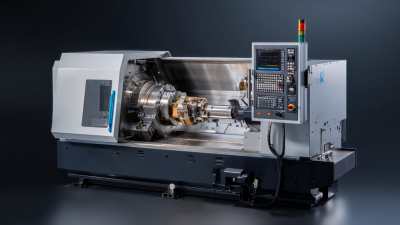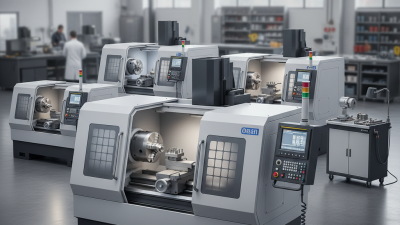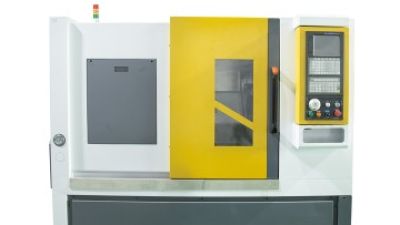
When it comes to precision machining, the Twin Spindle Lathe really stands out. It offers some pretty awesome benefits for manufacturers who are looking to ramp up efficiency and flexibility. Having two spindles running at the same time means you can crank out more parts faster and cut down on those long cycle times — pretty cool, right?
But, it’s not just about getting more done quickly. The way this machine is designed actually allows for the production of complex parts with really high precision. Companies that decide to go all in on this tech can see some serious improvements in their workflows. That said, jumping into using a Twin Spindle Lathe requires a bit of a game plan — proper training and setup are key.
A lot of organizations surprisingly aren’t fully prepared to make the most of what a Twin Spindle Lathe can do. Without the right knowledge, all those potential benefits can kinda go to waste. So, investing in some good expertise and making sure everything’s set up right really makes a difference. This machine has the power to totally transform manufacturing processes — but only if it’s used skillfully and thoughtfully.
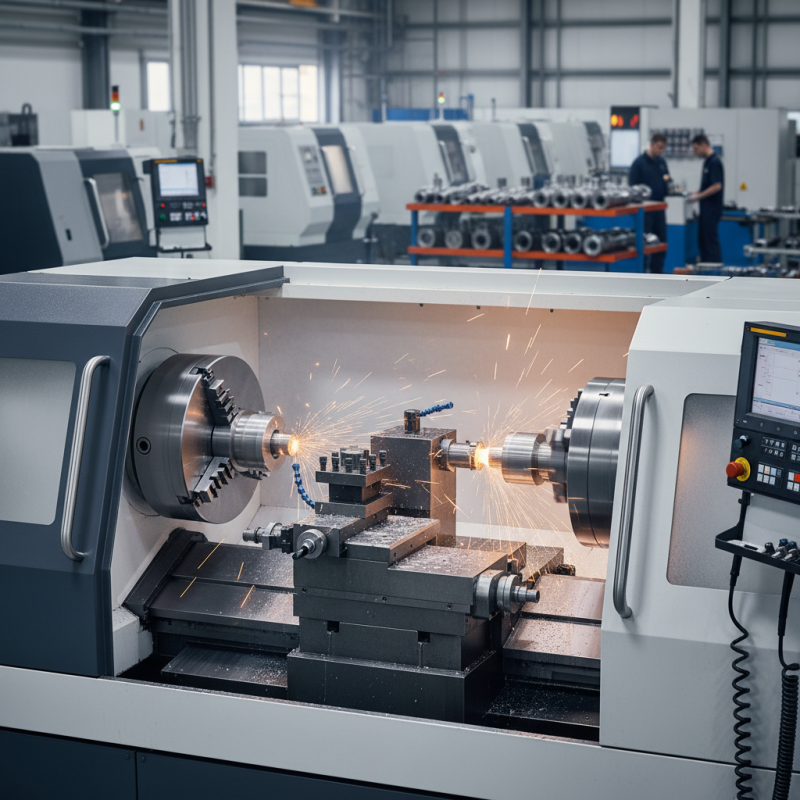
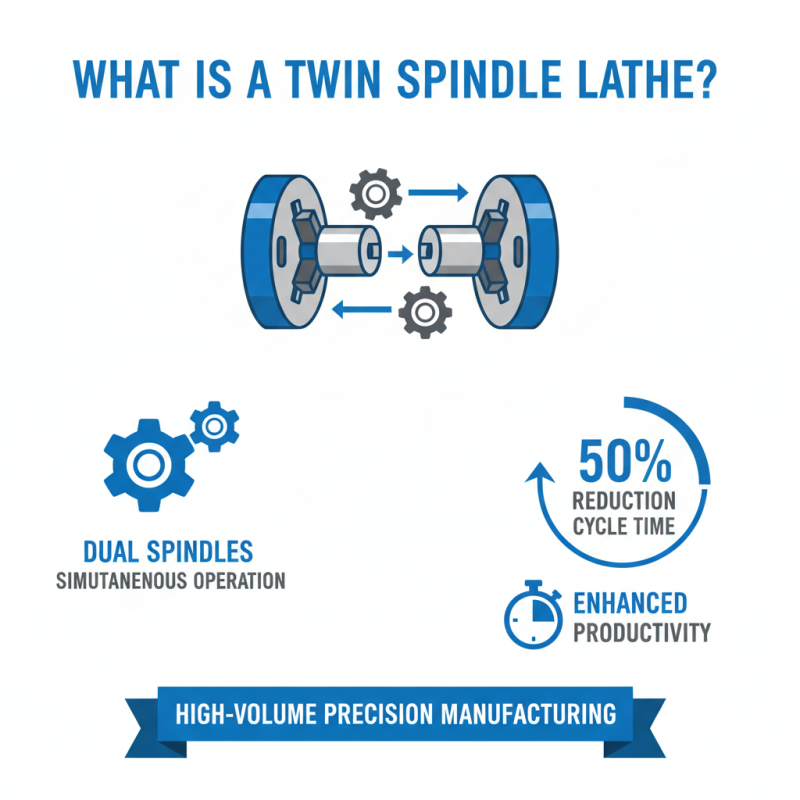
A Twin Spindle Lathe is a sophisticated machining tool used in precision manufacturing. By having two spindles, it allows simultaneous operation, enhancing productivity. According to industry reports, these machines can reduce cycle times by up to 50%. This capability is essential in industries requiring high-volume parts, where efficiency is critical.
Choosing a Twin Spindle Cnc Lathe can significantly streamline operations. The reduced downtime between setups also leads to less wasted material. Users should consider the available automation options. Implementing automation can further amplify machine utilization rates. Research indicates that incorporating automation can increase production output by 25% or more.
Tips: Regular maintenance is key to ensuring longevity. Consider conducting routine checks to identify wear and tear early. Additionally, employee training on optimal spindle usage can improve accuracy and minimize errors. In a complex machining environment, finding the right balance between efficiency and quality control is vital. Investing in a Twin Spindle Lathe offers a step toward modernizing your manufacturing processes.
Twin spindle lathes are increasingly popular in precision machining. Their design features two spindles, allowing for simultaneous operations. This dual setup enhances productivity significantly. Operators can perform multiple tasks in one cycle, reducing cycle time. This efficiency is crucial in industries that require high-volume production.
Key features set twin spindle lathes apart. The ability to switch between spindles allows for continuous work without delays. Each spindle can handle different tools, leading to versatile operations. Machinists can achieve complex geometries more easily. Additionally, these lathes often have advanced control systems, providing precise feedback and adjustments. This level of control can improve the quality of the final product.
Despite these advantages, using twin spindle lathes may pose challenges. The initial setup can be complex and time-consuming. Operators must be well-trained to maximize efficiency. Maintenance is also critical, as any downtime can negate the benefits. Reflecting on these aspects is important before integrating this equipment into production lines.
| Feature | Description | Benefit |
|---|---|---|
| Dual Spindles | Allows for simultaneous machining operations on different workpieces. | Increased productivity and reduced cycle times. |
| Multi-Tasking Capability | Capable of performing various operations like turning, milling, and drilling. | Reduces the need for multiple machines, saving space and costs. |
| High Precision | Designed for high accuracy and repeatability in machining. | Ensures high-quality output, reducing waste and rework. |
| Automatic Tool Change | Equipped with systems to automatically change tools during operations. | Minimizes downtime and speeds up production processes. |
| Flexible Setup | Versatile design accommodating different workpiece sizes and shapes. | Enhances adaptability for various projects and customer requirements. |
The twin spindle lathe offers numerous advantages for precision machining. This machine allows for simultaneous cutting operations, significantly enhancing productivity. Data from the Manufacturing Technology Institute shows that Dual Spindle Lathe can boost output by up to 50% compared to single spindle machines. With both spindles operational, manufacturers reduce cycle times and increase throughput.
Operators appreciate the flexibilityof twin spindle lathes. They can process multiple parts or perform complex operations without manual intervention. Reports indicate that companies utilizing Dual Spindle Lathes experience a noticeable decrease inlabor costs and machine downtime. However, these machines require skilled operators to maximize their capabilities, which can be a challenge in training and workforce development.
Despite the clear advantages, there are considerations to keep in mind. The initial investment for a twin spindle lathe can be substantial. Maintenance costs might also increase due to the complexity of the machinery. Manufacturers must weigh these factors against the potential for increased efficiency. While the benefits are evident, organizations must carefully evaluate their specific needs and resources before transitioning to a dual spindle lathe system.
Twin spindle lathes are increasingly popular in various industries due to their efficiency. These machines allow for simultaneous processing of parts, which saves a lot of time. They are commonly used in manufacturing components for the automotive and aerospace sectors. Precision is vital in these applications, as parts often require tight tolerances and high repeatability.
When considering twin spindle lathes, think about the specific needs of your production line. These machines can significantly increase output, making them a top choice for high-demand projects. However, setup can be complex, and operators need proper training. Incorporating a Spindle Cnc Machine into your workflow enhances flexibility and productivity. But be cautious; the learning curve may slow down initial production.
Many shops use twin spindle lathes for creating intricate parts. This method allows for complicated geometries that can be hard to achieve with single spindle models. Remember, while they offer many advantages, each machine has its limitations. Investing in one requires careful planning, analysis, and reflection on your production goals.
When evaluating twin spindle lathes against single spindle lathes, various factors come into play. This comparative analysis reveals significant differences in efficiency and productivity. According to industry data, twin spindle lathes can enhance production speeds by up to 50%. This increase occurs because they can simultaneously work on two pieces. In a production run, this efficiency can lead to considerable time savings.
Single spindle lathes typically offer simplicity and ease of use. However, they often fall short in productivity for larger manufacturing runs. Data shows that single spindle machines require more time for changeovers between tasks. This can lead to downtime that impacts overall output. In contrast, twin spindle lathes are designed for quick adjustments, allowing for minimal interruptions during operation.
Despite their advantages, twin spindle lathes have drawbacks. They can be more complex to operate and maintain. Operators may require additional training to manage advanced features properly. Such considerations can lead to higher initial costs, which operators need to evaluate in their budget planning. Finding the right balance is essential for achieving optimal production efficiency.
This chart illustrates the comparison between twin spindle lathes and single spindle lathes in various dimensions such as production speed, setup time, flexibility, and cost. It shows that twin spindle lathes generally offer higher production speed and flexibility, while single spindle lathes may have a lower setup time but are typically more cost-effective.
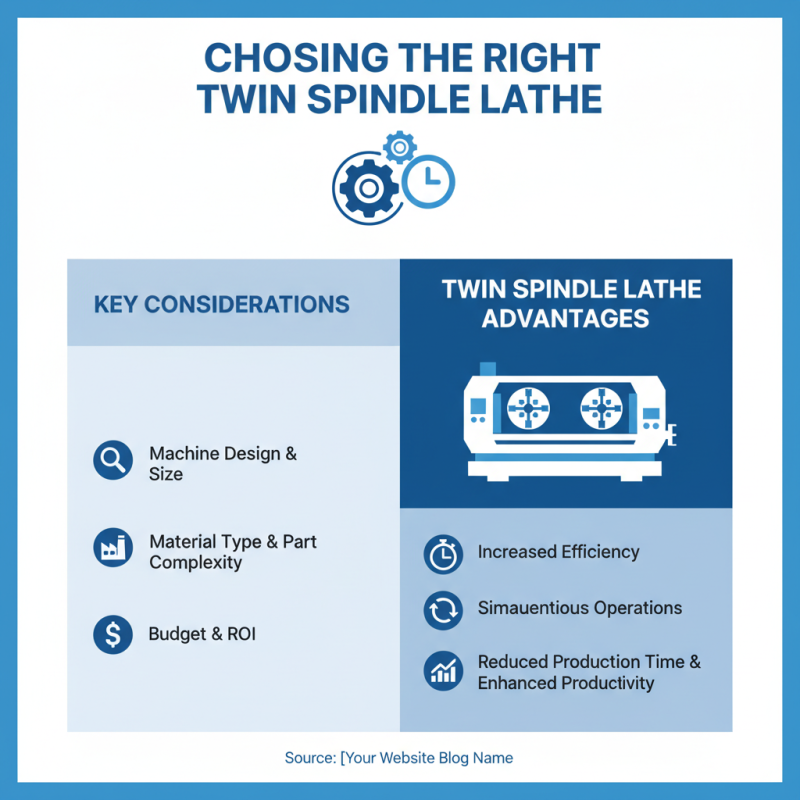
When selecting a twin spindle lathe, various factors must be considered. The design of a twin spindle lathe allows for increased efficiency. You can perform multiple operations simultaneously, cutting down production time significantly. This feature is crucial for businesses aiming to enhance productivity.
Consider the specifications carefully. Different models offer various capabilities. Pay attention to spindle speed and torque. The application demands influence the choice. A higher spindle speed is great for smaller parts, while torque is essential for larger, tougher materials. However, a more powerful lathe can increase costs and energy consumption. Thus, balance is key.
Think about the space available. Twin spindle lathes can be bulky. Ensure your shop floor can accommodate this machinery. Also, choose a machine with a reliable safety system. Operator safety should never be overlooked. Maintenance is another aspect to reflect on. Regular checks prevent unexpected breakdowns and extend the machine's lifespan. Weigh these factors carefully for a well-informed decision.
Maintaining a twin spindle lathe is crucial for optimal performance. These machines, often referred to as Cnc Double Spindle Machines, have advanced capabilities, but they require diligent care. Regular maintenance can prevent costly downtime and ensure precision in operations.
One must check spindle bearings regularly. Worn bearings can lead to vibrations, affecting machining accuracy. Additionally, keeping the coolant system clean is essential. Contaminated coolant can cause overheating and damage precision components. The American Machinist reports that about 30% of breakdowns result from inadequate lubrication and coolant maintenance. This statistic highlights the importance of routine checks in maintaining machine reliability.
Tips for maintaining a twin spindle lathe include scheduling consistent inspections. Documenting performance can reveal patterns requiring attention. Consider the environmental conditions of your workspace; high humidity can lead to rusting. Practicing these methods may seem tedious but reflects a commitment to quality and efficiency. Regular attention to these factors ensures the longevity of your Cnc Double Spindle Machine.
The heavy-duty integral slant bed CNC Lathe Machines represent a significant advancement in the field of precision turning and milling. These machines are designed to enhance productivity while maintaining exceptional accuracy, making them ideal for a wide range of manufacturing applications. Their integral slant bed structure not only ensures robustness but also contributes to optimal chip removal performance. This design allows for efficient workflow, significantly reducing downtime during operations.
One prime example of these machines is characterized by its high precision and efficiency, suitable for processing a variety of complex parts, including shafts, discs, and sleeves. The design supports a substantial processing range, accommodating diverse requirements in the manufacturing industry. Furthermore, with a focus on automation and reliability, these CNC lathes streamline operations, enabling operators to achieve remarkable results with ease. The user-friendly interface facilitates smooth operation, making it accessible even to less experienced users while still meeting the demands of seasoned machinists. In summary, the heavy-duty integral slant bed CNC lathe machines are engineered to provide exceptional performance, facilitating advanced manufacturing processes and enhancing overall productivity.
: Twin spindle lathes enhance productivity through simultaneous cutting, boosting output by up to 50%.
It can process two pieces simultaneously, leading to time savings and reduced cycle times.
Skilled operators are necessary, and training can be a significant investment for manufacturers.
Regular maintenance prevents costly downtime and ensures precision during operations.
Check spindle bearings and keep the coolant system clean to avoid overheating and damage.
Yes, their complexity can lead to higher maintenance costs, requiring careful budget planning.
Evaluate the initial investment against potential efficiency improvements to ensure it meets specific needs.
Yes, operators may need additional training to manage the machine's advanced features effectively.
High humidity can cause rusting, which negatively impacts the machine's reliability.
They can identify patterns and issues that need attention, ensuring long-term performance and efficiency.
A Twin Spindle Lathe is a specialized machining tool featuring two spindles that allow for simultaneous operations, enhancing productivity and efficiency. Key features of these lathes include the ability to perform complex tasks quickly and the integration of multiple cutting tools. The advantages of using a Twin Spindle Lathe are significant, particularly in reducing cycle times and improving precision in mass production settings.
Common applications for Twin Spindle Lathes span various industries, from automotive to aerospace, where high accuracy and speed are crucial. When comparing them to single spindle lathes, the benefits of increased throughput and reduced setup times become evident. To select the right Twin Spindle Lathe for specific needs, it's essential to consider factors such as size, capabilities, and maintenance requirements, ensuring optimal performance and longevity. Regular maintenance tips further contribute to the efficiency and lifespan of these machines.