In the world of precision engineering, the combo of Turning And Milling Lathe technology has really changed the game when it comes to manufacturing. It’s like having a Swiss Army knife—super versatile and able to handle those tricky, detailed parts with crazy accuracy. These advanced machines basically merge the functions of turning and milling, so engineers can shape, cut, and finish materials all in one go—saving time and effort. As industries push for higher precision and faster production, these turning and milling lathes are becoming pretty much essential tools in modern workshops.
If you're an engineer or technician wanting to step up your manufacturing game, it’s pretty important to get how these machines work. Basically, they use a rotating piece of work and different cutting tools to carve out all sorts of shapes and finishes. By tweaking things like speed, feed rate, and choosing the right tools, you can make super detailed parts that meet even the strictest specs. In this quick intro to turning and milling lathe tech, we’ll go over how it works, why it’s such a big deal, and the main ways it’s used across different industries—showing just how important it is for pushing innovation in engineering.
What is a Turning and Milling Lathe?
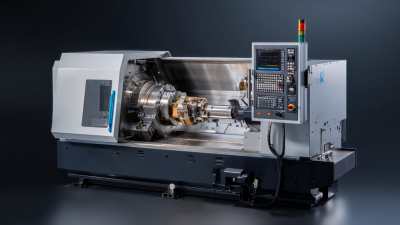
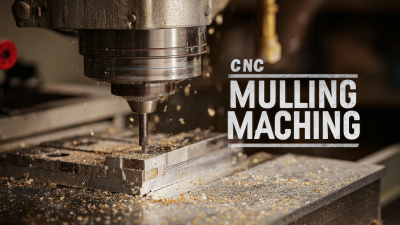
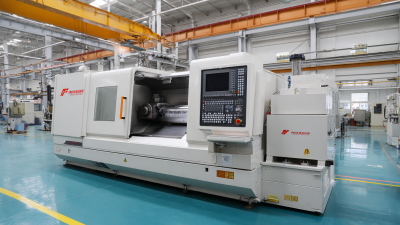
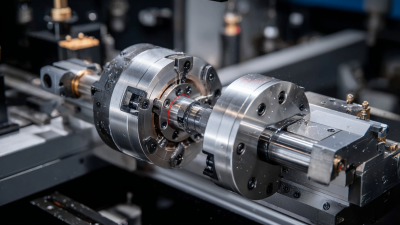
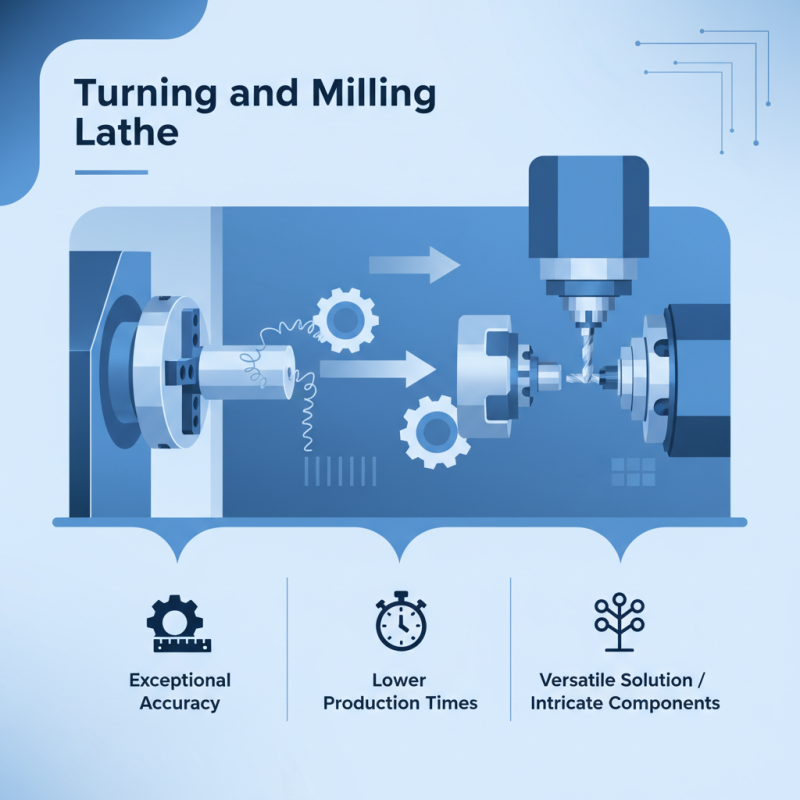
A turning and milling lathe is a versatile machine tool used in precision engineering to shape and fabricate various materials, primarily metals. By combining turning and milling operations, this machinery enhances productivity and precision in manufacturing processes. The turning component involves rotating the workpiece against a cutting tool, allowing for the creation of cylindrical, conical, or complex shapes. Meanwhile, the milling aspect uses a rotating cutter to remove material from the surface of the workpiece, enabling the production of flat surfaces, grooves, and intricate designs.
Essentially, a turning and milling lathe operates by integrating multiple functions into a single setup, which minimizes the need for equipment changes and aligns with modern manufacturing demands for efficiency. The operator can adjust parameters such as speed, feed rate, and tool positioning, thereby achieving desired tolerances and surface finishes. This adaptability makes it an essential tool for sectors that require high precision, such as aerospace, automotive, and medical devices, where the intricacies of each component can significantly impact overall performance and safety.
Turning and Milling Lathe Usage in Precision Engineering
The Historical Development of Turning and Milling Lathes
The journey of turning and milling lathes has its roots deep in the Industrial Revolution, when the need for precision in manufacturing began to rise significantly. The advent of lathes revolutionized metalworking; the first lathes were simple devices powered by hand or foot, enabling artisans to turn wood and metal into more intricate shapes. As the 19th century progressed, advancements such as the introduction of steam power enabled higher levels of efficiency and complexity, allowing for the production of varied components used in steam engines and machinery. According to a report by the International Federation of Robotics, as of 2022, the global market for Cnc Lathes is expected to grow to over$10 billion by 2026, driven largely by continuous advancements in automation and precision engineering.
One notable milestone in the evolution of lathes was the introduction of numerically controlled (NC) machines, paving the way for Computer Numerical Control (CNC) lathes. This innovation allowed for increased automation and precision, overcoming the limitations of manual machining processes. The integration of digital technologies in turning and milling lathes has enabled manufacturers to meet the demands of rigorous quality assurance standards, facilitating the production of components that require tolerances as tight as ±0.005 mm.
Tip: When selecting a lathe for precision engineering, consider factors such as the machine’s rigidity and the precision of its controls. Additionally, understanding the material properties of the workpieces you intend to fabricate can significantly influence tool selection and operational parameters, ultimately affecting your machining outcome.
Key Components of Turning and Milling Lathes
Turning and milling lathes are essential machines in precision engineering, widely used for their versatility and efficiency in shaping materials. Key components of these lathes include the spindle, tooling system, carriage, and control systems. The spindle is responsible for holding and rotating the workpiece, providing the necessary speed and torque for effective machining. According to a report by the International Federation for Robotics, the spindle’s performance is crucial, as it can significantly impact the accuracy and surface finish of the final product. The integration of high-speed spindles has increased machining efficiency by up to 30% in some applications.
The tooling system is another critical component, encompassing tools for both turning and milling processes. The selection of tools directly affects the lathe's ability to perform complex operations and achieve desired tolerances. Advanced materials such as carbide and high-speed steel are frequently used for tool manufacturing, as noted in the 2022 Annual Manufacturing Report, which highlighted that tools made with these materials can withstand higher temperatures and provide longer tool life. Additionally, the carriage carries the cutting tool across the material, allowing for precise movements essential for intricate designs. The modern lathe’s control system also incorporates CNC (Computer Numerical Control) technology, enhancing precision and reducing human error. This shift has allowed the precision engineering sector to meet increasing demands for quality and reliability, with Cnc Machines now accounting for over 70% of lathe sales globally.
How Turning and Milling Lathes Operate: A Step-by-Step Guide
Turning and milling lathes are essential tools in precision engineering that combine the processes of turning and milling to create intricate parts and components. The operation of these machines begins with the selection of materials, typically metal or plastic, which are then securely clamped onto the lathe's spindle. As the spindle rotates, the cutting tool moves along various axes to shape the material. This step is critical, as it allows for the removal of excess material, enabling the creation of precise dimensions and surface finishes.
The turning process involves the tool moving in a linear motion along the length of the workpiece, while the milling function facilitates the removal of material in a rotary motion, leveraging various cutting tools to create complex features such as slots, holes, or contours. Skilled operators can program these machines using CNC technology, which enhances accuracy and repeatability. The interplay between turning and milling allows for the manufacturing of highly detailed components with minimal manual intervention, streamlining production in industries ranging from aerospace to automotive.
Overall, the fusion of these operations results in a powerful process that elevates the standards of precision engineering.
Applications of Turning and Milling Lathes in Precision Engineering
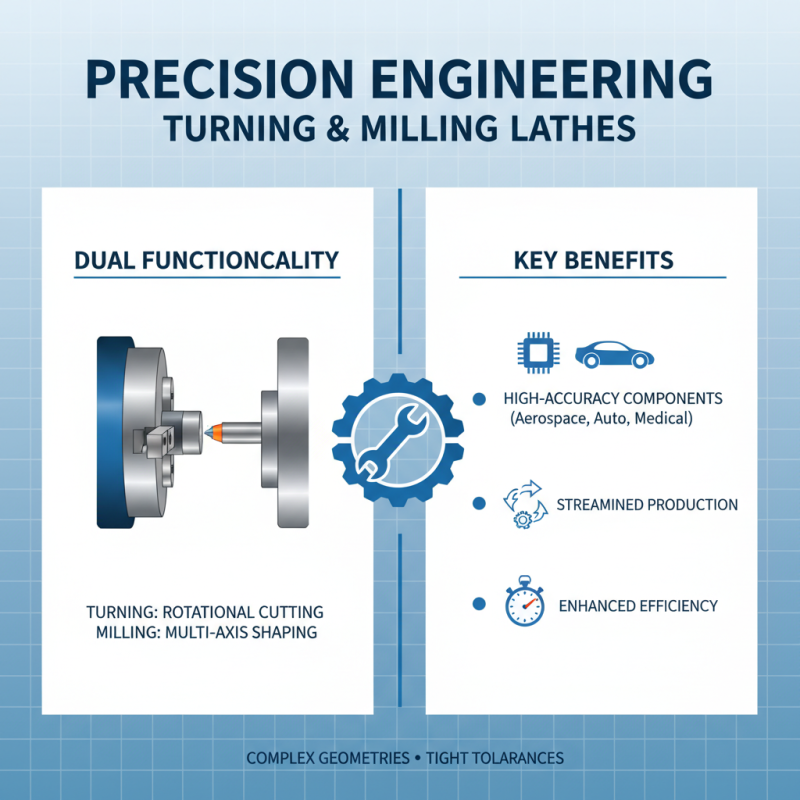
Turning and milling lathes play a crucial role in precision engineering, offering a combination of cutting techniques that yield high-accuracy components. These machines are indispensable in manufacturing various parts for industries such as aerospace, automotive, and medical devices. By utilizing both turning and milling capabilities, engineers can create intricate designs that require tight tolerances and complex geometries. This dual functionality not only streamlines production processes but also enhances the efficiency of the workflow.
A significant application of turning and milling lathes is in the production of custom components. For instance, in the aerospace sector, these lathes are employed to craft lightweight yet robust parts that are vital for aircraft performance and safety. Similarly, the medical field benefits from the precision of these machines to produce surgical instruments and implants with exact specifications. The ability to switch between turning and milling operations allows manufacturers to reduce setup times and minimize material waste, leading to cost-effective solutions.
Tips: When working with turning and milling lathes, precision is paramount. Always ensure that the tools are correctly calibrated and maintained to prevent inaccuracies. Additionally, utilizing simulation software before actual machining can help anticipate potential issues and improve the final product’s quality. Regularly reviewing and updating machining techniques can also keep processes efficient and relevant with the latest industry practices.
Advantages of Using Turning and Milling Lathes in Manufacturing
Turning and milling lathes have become indispensable tools in modern precision engineering, offering a range of advantages that enhance manufacturing processes. These machines excel at producing complex geometries with high accuracy, making them crucial in industries such as aerospace, automotive, and medical device manufacturing.
According to a recent market analysis by Technavio, the global Cnc Turning and milling market is expected to grow by USD 1.34 billion between 2021 and 2025, indicating a significant increase in demand for these versatile machines.
One of the primary advantages of using turning and milling lathes in manufacturing is their ability to combine multiple operations in a single setup. This not only reduces cycle times but also minimizes the risk of errors associated with part handling between different machines. A study published by the International Journal of Advanced Manufacturing Technology noted that utilizing multi-tasking lathes can reduce production time by up to 30%, leading to enhanced efficiency and lower operational costs. Furthermore, the precision offered by these lathes results in reduced material waste, contributing to overall sustainability in production processes.
Additionally, advances in technology have improved the capabilities of turning and milling lathes, allowing for greater automation and integration into Industry 4.0 frameworks. The implementation of smart manufacturing technologies has led to increased productivity, with the potential to enhance throughput by up to 25%, as highlighted in a report by McKinsey. These improvements not only optimize performance but also provide manufacturers with valuable data insights for continuous improvement, establishing turning and milling lathes as a cornerstone of modern manufacturing solutions.
Safety Considerations When Operating Turning and Milling Lathes
When operating turning and milling lathes, safety considerations are paramount to ensure the well-being of the operator and the integrity of the machinery. Before beginning any operation, it is essential to wear appropriate personal protective equipment (PPE), such as safety glasses to protect the eyes from flying chips and dust, ear protection against high noise levels, and gloves to prevent cuts and abrasions. Additionally, proper footwear should be worn to provide stable footing and prevent slips, as the work environment can often become cluttered or slick.
Another critical safety measure involves a thorough understanding of the machine's operational guidelines. Operators should familiarize themselves with the lathe's controls, emergency shut-off systems, and protective features before operation. Regular maintenance checks are also necessary to identify and mitigate any potential hazards, such as worn parts or malfunctioning equipment. Furthermore, maintaining a clean and organized workspace reduces the risk of accidents, allowing for greater focus on the task at hand. Following these safety protocols not only ensures personal safety but also enhances overall productivity in precision engineering tasks.
FAQS
: Turning and milling lathes are used to combine cutting techniques, allowing the creation of high-accuracy components and intricate designs that require tight tolerances and complex geometries. They are essential for industries such as aerospace, automotive, and medical devices.
These lathes allow manufacturers to produce lightweight yet robust parts vital for sectors like aerospace and medical. Their dual functionality reduces setup times and material waste, leading to cost-effective manufacturing solutions.
The primary advantages include combining multiple operations in a single setup, which reduces cycle times and minimizes handling errors. This leads to increased efficiency and lower operational costs, as well as reduced material waste.
Technological advancements have improved automation and integration into smart manufacturing frameworks, enhancing productivity and throughput, while providing valuable data insights for continuous improvement in manufacturing processes.
Operators should wear appropriate personal protective equipment, understand machine operational guidelines, conduct regular maintenance checks, and maintain a clean workspace to ensure safety and enhance productivity.
Utilizing simulation software before actual machining can help anticipate potential issues, allowing operators to improve the final product’s quality and prevent inaccuracies during production.
Operators should wear safety glasses, ear protection, gloves, and proper footwear to ensure safety from flying debris, high noise levels, cuts, and slips in the work environment.
A clean and organized workspace reduces the risk of accidents, allowing for greater focus on the task at hand and enhancing overall productivity during precision engineering tasks.
These machines help reduce material waste through their precision capabilities and effective setup processes, which contributes to more sustainable manufacturing practices.
Conclusion
The article "What is Turning and Milling Lathe and How Does it Work in Precision Engineering" provides a comprehensive overview of turning and milling lathes, highlighting their significance in the field of precision engineering. It discusses the historical development of these machines, detailing how they have evolved to meet the demands of modern manufacturing. Key components such as the spindle, tooling systems, and control mechanisms are explored, alongside a step-by-step guide on how these lathes operate.
Additionally, the article notes the diverse applications of turning and milling lathes in various industries, emphasizing their advantages in enhancing productivity and precision. Safety considerations when operating these machines are also addressed, underscoring the importance of adhering to safety protocols to prevent accidents. Overall, the turning and milling lathe stands out as a vital tool in contemporary manufacturing processes.