As we navigate the ever-changing world of manufacturing, Twin Spindle Cnc Lathes are really taking center stage, boosting productivity and precision across a wide range of industries. You will hear a lot about them as automation and smarter manufacturing tech push ahead. A MarketsandMarkets reportputs the Cnc Machine market aroundUSD 100 billion by 2025, driven by demand for automation and advanced manufacturing capabilities. Here at Taizhou Luqiao Shiheng CNC Lathe Co., Ltd., we are proud to be at the cutting edge of CNC machine tool technology. Our dedicated R&D team, made up of top engineers and industry experts, continually explores the latest tech and folds fresh advances into our products. In this blog, we will look at the trends expected in 2025 and also check out solid alternatives to our premier Twin Spindle CNC Lathes, underscoring our commitment to manufacturing excellence for a global client base that's rooted in China.
Future Manufacturing Technologies Shaping the Industry by 2025
The manufacturing world is changing fast, and by 2025 we're likely to see a big shift driven by new tech. AI, IoT, and advanced robotics are already reshaping how we produce, boosting efficiency, precision, and flexibility. At Taizhou Luqiao Shiheng CNC Lathe Co., Ltd., we're right there at the forefront, weaving these innovations into our CNC lathe products. Our ongoing R&D keeps us competitive and ready to meet what modern manufacturing demands. As we move forward, digital twins and smart manufacturing will matter even more. Digital twins create realistic simulations of real-world processes, letting manufacturers fine-tune production lines in real time. Paired with our high-performance twin-spindle CNC lathes, this puts us in a strong position to deliver innovative solutions that streamline operations. The future isn't just about churning out goods; it's about building intelligent systems that learn, adapt, and respond to shifting market conditions, paving the way for smarter, more sustainable practices across the industry.
Exploring the Future of Manufacturing: 2025 Trends & Alternatives to the Best Twin Spindle CNC Lathes
| Trend | Description | Impact on Industry | Alternatives |
| Automation | Increased use of robotics and AI in manufacturing processes. | Higher efficiency and reduced labor costs. | Collaborative robots (cobots), Modular automation. |
| Additive Manufacturing | Utilization of 3D printing technologies to create complex parts. | Customization and reduction in material waste. | Selective Laser Sintering (SLS), Fused Deposition Modeling (FDM). |
| Internet of Things (IoT) | Connecting machines and devices for efficient data sharing. | Real-time monitoring and predictive maintenance capabilities. | Smart sensors, Edge computing. |
| Sustainability Initiatives | Adopting eco-friendly practices and materials. | Reduction in carbon footprint and energy consumption. | Recycled materials, Energy-efficient machinery. |
| Digital Twin Technology | Creating virtual models of physical assets for simulation. | Enhanced design processes and operational understanding. | Simulation software, Virtual reality (VR). |
Key Trends Impacting CNC Lathe Operations in the Next Few Years
As 2025 approaches, the manufacturing world is gearing up for a big shift, especially when it comes to CNC lathe operations. Automation tech is becoming central—it's not just about cranking out more units; it's reshaping how we handle quality control too. With AI and IoT stepping in, manufacturers can expect better repeatability and fewer human errors, which means a smoother, more predictable production floor.
Automation in assembly, even in industrialized construction, shows how CNC machines are driving this change, helping workflows run more smoothly and supporting sustainability in manufacturing. And the global market for CNC controllers is projected to grow strongly, with forecasts calling for around $7.2 billion by 2033. That trend highlights the growing adoption of digital manufacturing tech that boosts productivity across a wide range of industries.
As firms like Taizhou Luqiao Shiheng CNC Lathe Co., Ltd. keep pushing the envelope—integrating the latest tech into their product lines—the future of CNC lathe operations looks brighter than ever. Embracing these key trends will be essential for manufacturers who want to stay competitive in a rapidly evolving landscape.
Advantages of Twin Spindle CNC Lathes in Modern Manufacturing
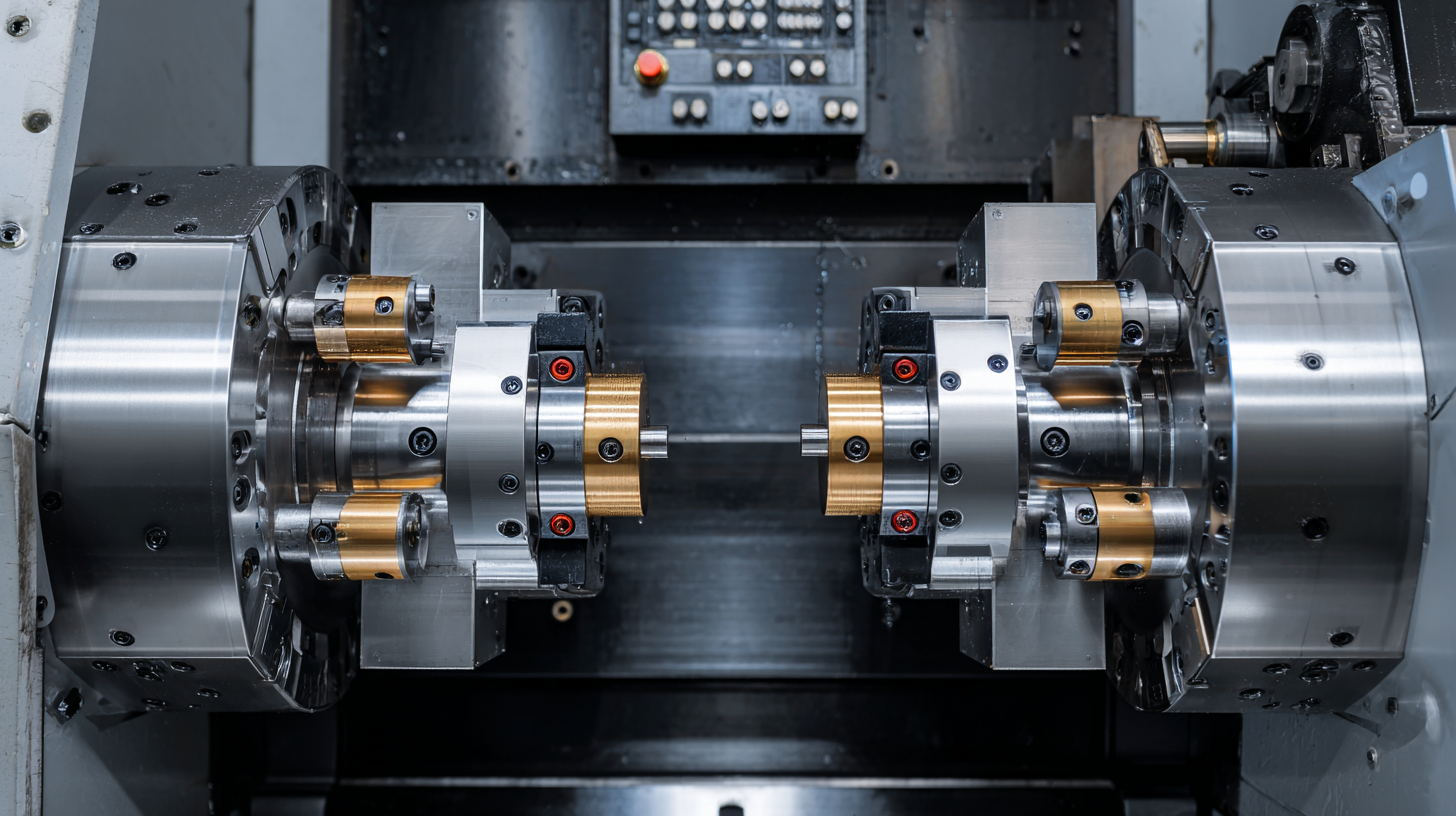
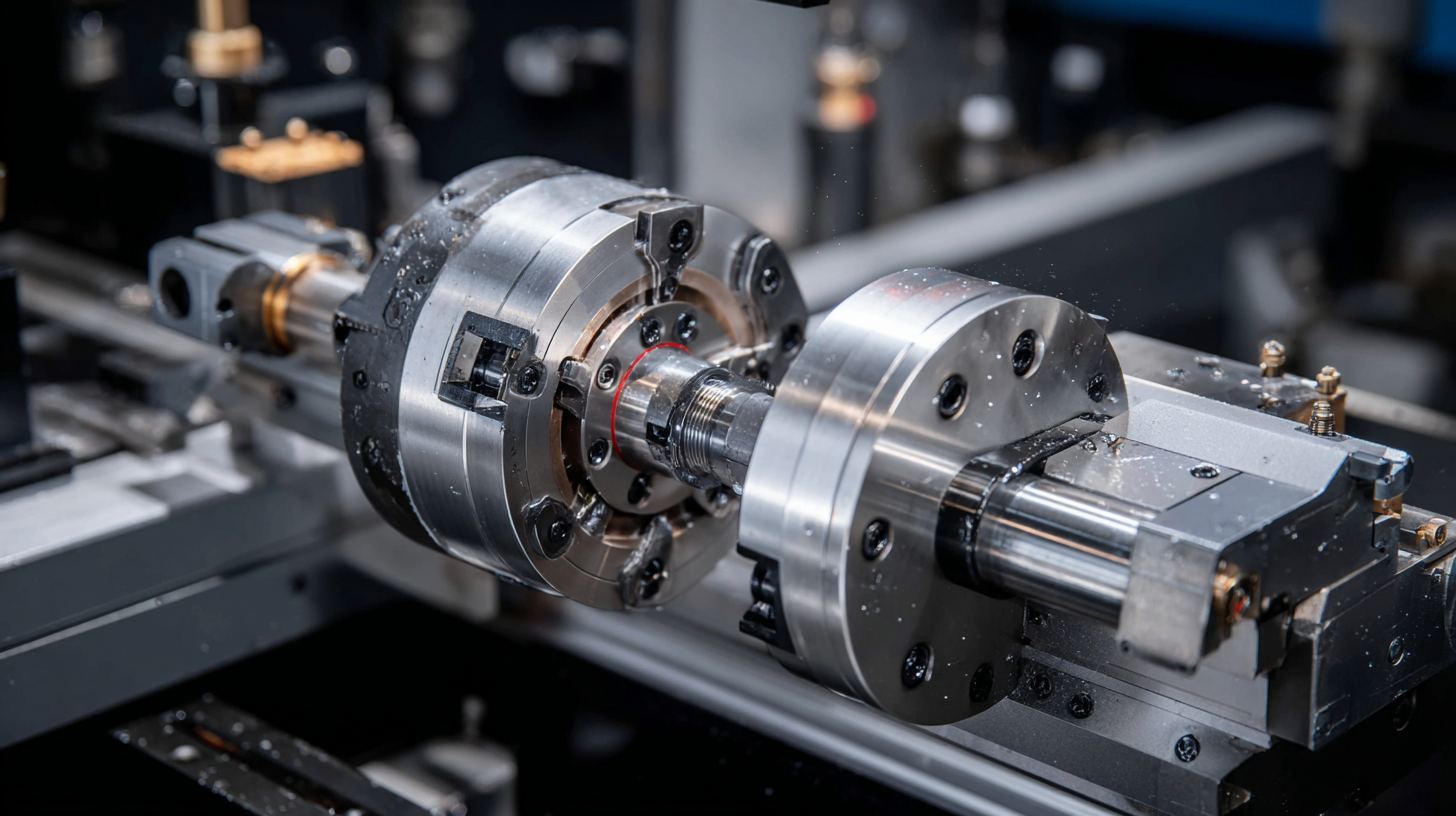
Twin-spindle CNC lathes have become a mainstay in today's manufacturing landscape. They're built for efficiency and precision. With two spindles, you can run operations in parallel, shaving production time dramatically. That dual setup not only boosts throughput but also gives you more flexibility—a real win when you're chasing complex parts with tight tolerances. As companies look to streamline their processes, the advantages of twin-spindle machines are becoming clearer, especially in competitive industries where every second counts.
Tip: When you're thinking about a twin-spindle CNC lathe for your shop, take a good look at your actual production needs and how complex the parts you'll machine are. That'll help you pick a model that delivers the best performance without breaking the bank.
On top of that, twin-spindle lathes can improve accuracy and cut waste in the production cycle. The ability to turn, drill, and even mill at the same time means fewer chances for human error and less scrap material. As these machines keep evolving—with smarter automation and AI features—their impact on manufacturing is only going to grow.
Tip: Make sure your operators get solid training so they can really tap into what twin-spindle CNC lathes can do. Getting comfortable with the controls and programming pays off with better utilization and, in the end, higher-quality output.
Alternative Solutions to Enhance CNC Lathe Efficiency
As the manufacturing world keeps moving at a rapid pace, squeezing every bit of efficiency out of CNC lathes becomes essential. Twin-spindle CNC lathes are still widely praised for their top-tier productivity, but there are other smart routes to push performance even further. 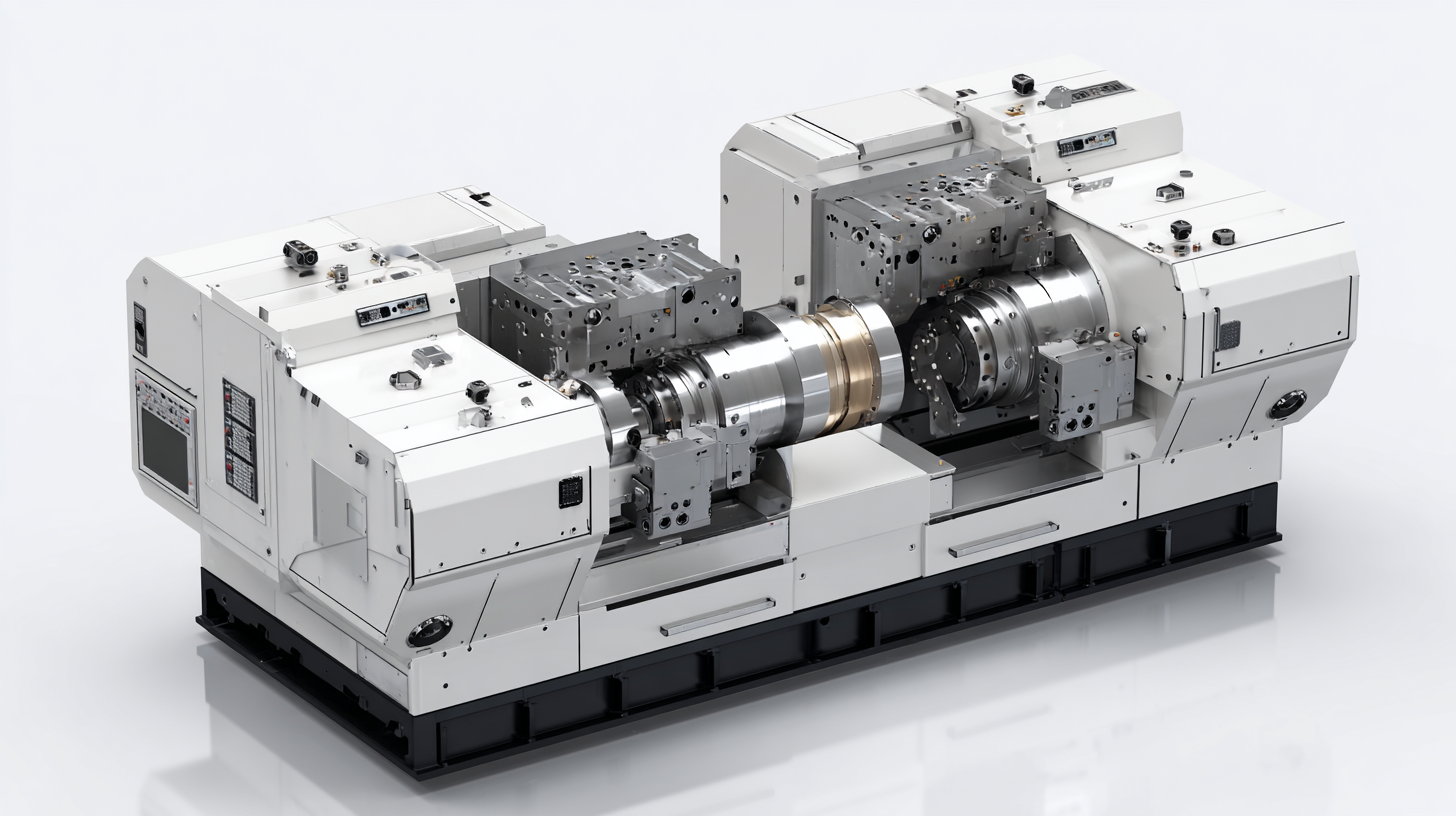 For example, bringing in modern automation, like collaborative robots (cobots) that can work side by side with human operators, can really boost throughput and cut downtime.
On top of that, smart software solutions like predictive analytics can take operation efficiency to the next level. By mining the data your machines generate, you can spot issues before they become problems, schedule maintenance before a failure, and avoid those nasty surprises. And then there’s modular tooling: faster changeovers and greater adaptability so the lathes can respond quickly to changing production needs. Taken together, these options don’t just raise output; they help build a more resilient manufacturing landscape for the years to come.
Strategic Approaches for Adapting to Manufacturing Innovations
As the manufacturing landscape keeps shifting, businesses need smart, practical strategies to stay competitive. A major trend that’s likely to reshape the space by 2025 is the integration of smart tech into production—think IoT and AI. These advances don’t just streamline operations; they can boost precision and cut downtime too. To get the most out of them, companies should invest in training their people so everyone can actually use these tools effectively and roll with the changes.
Tip: regularly take stock of your tech capabilities and call out where there’s room to improve. Being proactive like this lets you roll out new tools at a pace that fits your operation. And beyond tech, collaborating with suppliers and customers to create a feedback loop is key for navigating manufacturing's future. Open conversations help you better understand market demands and can spark fresh ideas for product development.
By pooling insights from all stakeholders, companies can diversify what they offer and respond more nimbly to consumer preferences. Tip: set up a quarterly review with partners to swap feedback on products and processes, and nurture a culture of continuous improvement throughout your supply chain.
Exploring Automation and AI in CNC Lathe Workflows
As we head into 2025, automation and artificial intelligence are set to really shake up how CNC lathes fit into the manufacturing landscape. The latest advances promise bigger gains in efficiency, precision, and consistency, making it much more feasible for manufacturers to keep up with a market that’s changing fast. When AI runs on the control systems, CNC lathes can spot patterns in production data, predict equipment failures, and optimize machining in real time—cutting downtime and boosting output.
What’s more, automation in CNC workflows isn’t limited to the machines themselves. The smart factory idea—IoT-enabled connectivity—lets machines, operators, and supply chains talk to each other more smoothly. That kind of interconnection reduces human error and makes production more agile, with systems learning from every cycle. The shift toward AI-driven CNC lathes isn’t just about higher productivity; it also opens the door for small and mid-sized manufacturers to stay competitive in an increasingly digital economy. As we ride these trends, the future of manufacturing looks not only more efficient but also more innovative, laying the groundwork for sustainable practices and stronger quality control.
Exploring the Future of Manufacturing: 2025 Trends in CNC Lathe Automation
FAQS
: Key technologies include artificial intelligence, the Internet of Things (IoT), and advanced robotics, which enhance efficiency, precision, and flexibility in production processes.
Digital twins simulate real-world processes, allowing manufacturers to optimize production lines by analyzing data in real-time, leading to improved operations.
AI enhances efficiency and precision by analyzing production data, anticipating equipment failures, and optimizing machining processes in real-time.
Automation minimizes human error and enhances production agility, allowing for seamless communication between machines, operators, and supply chains.
Automation helps small and mid-sized manufacturers remain competitive in a digitalized economy by increasing productivity and operational consistency.
High-performance twin spindle CNC lathes enable manufacturers to deliver innovative solutions that streamline operations and enhance production efficiency.
IoT facilitates interconnectedness among machines and systems, leading to improved communication and operational agility in manufacturing processes.
The future of manufacturing will focus on creating intelligent systems that adapt to market changes, promoting smarter and more sustainable practices.
The goal is to create more efficient, innovative, and sustainable manufacturing practices to meet the evolving demands of the market.