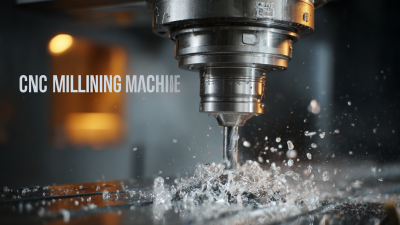
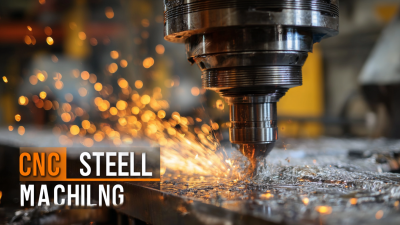
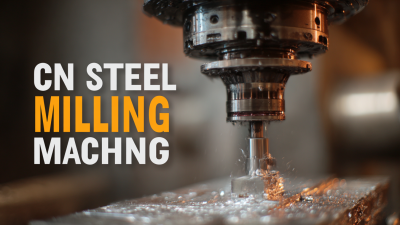
You know, in today's fast-paced world of manufacturing, picking the right Cnc Milling Machine is super important—like, you really can't overlook it. A recent report from MarketsandMarketseven predicts that the Global Cnc Machine market could hit a whopping$100 billion by 2026! This growth isn’t just some random figure; it’s fueled by advancements in automation, plus there’s a growing need for precision engineering in areas like aerospace, automotive, and even healthcare. Here at Taizhou Luqiao Shiheng Cnc Lathe Co., Ltd., we're all about staying ahead in CNC machine tool tech. Our awesome R&D team, made up of top-notch engineers, is always working hard to pack the latest innovations into our products.
It’s super crucial for any workshop wanting to boost productivity and quality to really get the hang of the different CNC milling machines out there. With the right support and advice, businesses can definitely make smarter choices that not only fit their specific needs but also set them up for future success in this competitive landscape. Pretty exciting stuff, right?
Understanding the Basics of CNC Milling Machines for Beginners
So, you're diving into the world of CNC milling machines, huh? That's awesome! But before you jump in, it's really important for newbies to get a grip on the basics of these cool tools. CNC stands for Computer Numerical Control, and basically, these machines run on programmed commands that allow them to make super precise cuts and shapes in all sorts of materials. Did you know that a report from MarketsandMarkets predicts that the global CNC machine market could hit a whopping $117.24 billion by 2026? That’s pretty mind-blowing and really shows how much we're leaning on automation and accuracy in manufacturing these days. With that kind of growth, picking the right machine for your workshop is a big deal.
If you’re just starting out, it’s wise to think about some key features of CNC milling machines. Stuff like the control system, spindle speed, and the size of the machine can really impact your work. Here at Taizhou Luqiao Shiheng CNC Lathe Co., Ltd., we’re all about bringing you the latest tech in Cnc Machinery. Our fantastic team works hard to add innovative features, making sure every machine hits top-notch quality standards. Whether you’re running a cozy little workshop or a big production facility, knowing these basics can really help you make smart choices and get the most out of your machining setup.
How to Choose the Best CNC Milling Machine for Your Workshop Needs
| Feature | Entry-Level | Mid-Range | High-End |
| Price Range | $1,000 - $5,000 | $5,001 - $20,000 | $20,001 and above |
| Spindle Speed | 5,000 RPM | 10,000 RPM | 20,000 RPM and above |
| Axis Configuration | 3-axis | 3-axis or 4-axis | 5-axis |
| Material Compatibility | Soft metals, plastics | Metals, harder plastics | All types of materials |
| Software Compatibility | Basic CAM software | Advanced CAM software | Professional CAD/CAM integration |
| User Skill Level | Beginner | Intermediate | Advanced |
Key Features to Look for in a CNC Milling Machine
So, when you’re on the hunt for a CNC milling machine that fits right into your workshop, there are a few things you really want to keep an eye on. First up, think about how precise and accurate the machine is. It’s interesting to note that a report from MarketsandMarkets says the CNC machine tools market is set to hit a whopping $117 billion by 2025! That’s big news and really shows how much folks are after machines that can nail down those tight tolerances—like ±0.001 inches, which is pretty much the gold standard for a lot of industrial work.
Next, don’t forget about versatility and size. A lot of the modern CNC milling machines are pretty impressive; they can do multi-axis work, which means you can tackle some really complex shapes without breaking a sweat. Plus, being able to work with different materials—from metals to plastics—makes it so much easier for workshops to jump into various projects without any hassle. Oh, and check this out: a study by Technavio predicts that the use of multi-axis CNC machines is going to shoot up, which really underscores how crucial they are for boosting productivity and flexibility in manufacturing.
In the end, if you keep these features in mind, you’ll be on the right track to picking out a CNC milling machine that fits your workshop’s needs and helps everything run a bit smoother.
Assessing Your Workshop Space: Size and Layout Considerations
So, you’re thinking about picking out a CNC milling machine for your workshop? Well, one of the first things you’ve got to consider is the space you’ve got to work with. I came across a report from MarketWatch that mentioned most machine shops are around 1,500 to 3,000 square feet. That size really plays a big role in what kind of milling machine will fit in your shop. If your space is a bit on the smaller side, say under 1,500 square feet, you might want to go for a compact CNC mill that takes up about 5 to 6 square feet. It’s the perfect balance between getting the job done and not cluttering up your workshop.
And don’t forget about the layout! A study from the Manufacturing Institute pointed out that if you arrange your shop floor efficiently, you can boost productivity by up to 30%. That’s pretty significant, right? When you’re figuring out where to place your CNC machine, think about how materials will flow through your space and how easy it is for your operators to get around. You’ll also want to leave enough room for tool storage and any maintenance you might need to do. Plus, if you're using any materials that produce fumes or debris, ventilation is key! By taking a good look at both the size and layout of your workshop, you can land on a CNC milling machine that not only fits perfectly but also helps you work smarter, not harder.
Evaluating Material Types and Their Impact on Machine Selection
Alright, so when you're on the hunt for the perfect CNC milling machine for your workshop, the first thing you gotta think about is the types of materials you’ll be working with. Seriously, this plays a huge role in picking the right machine. I came across this report from Grand View Research that says the global CNC machine market is set to hit a whopping USD 117 billion by 2025. The push for precision machining in industries like aerospace, automotive, and electronics is really driving this growth.
Now, here’s the deal: every material—whether it’s aluminum, steel, composites, or plastics—has its own unique machining requirements. We’re talking specific cutting speeds and tool types that your CNC machine needs to handle if you want it to perform at its best.
Plus, different materials come with their own quirks. They have varying levels of hardness and machinability, and let's not forget about thermal properties, which can really impact tool wear and how long your machine lasts. Take titanium, for example—it’s a big player in aerospace applications but requires high-performance milling machines that can handle a lot of wear and tear. A Metalworking Trends report even mentioned that titanium parts can lead to up to 40% more tool wear compared to aluminum! So, you definitely need a machine that’s tough, with solid rigidity and decent cooling systems.
In short, by giving some love and attention to the materials you'll be using, you can make sure that the CNC milling machine you pick not only meets your performance expectations but also stands the test of time. This way, you'll boost your workshop's productivity, and who doesn’t want that?
Budgeting Wisely: Cost Considerations for CNC Milling Machines
If you're on the hunt for the right CNC milling machine for your workshop, you've got to keep a sharp eye on your budgeting. Seriously, it's a huge factor that can really impact how efficiently you work and how much you get done. A report from Technavio shows that the global CNC machine tool market is set to grow by about 7% each year from 2021 to 2025. That just goes to show how many industries are leaning more on these high-tech machines these days. But here’s the thing: with so many CNC milling machines out there, it’s super important to make sure your budget matches what you actually need for the job.
One big thing to keep in mind is that it's not just about how much you spend upfront. You've also got to think about the ongoing costs, like maintenance and day-to-day operation. Studies say that owners usually end up spending about 15-20% of the machine's price each year on maintenance, and yeah, that can change depending on how complex your machine is and how often you use it. Plus, don’t forget that the energy use of CNC machines can take up about 10% of your total manufacturing costs. So, investing in energy-efficient models can really pay off in the long run. At Taizhou Luqiao Shiheng CNC Lathe Co., Ltd., we’re all about using cutting-edge technology to boost productivity while also keeping costs down. That way, you can stick to your budget while still putting out high-quality work.
Maintenance and Support: Ensuring Your Machine's Longevity
So, when you're on the hunt for a CNC milling machine for your workshop, you've gotta think beyond just what the machine can do. It’s also super important to consider how easy it’ll be to maintain and what kind of support you’ll get down the line. A milling machine that’s kept in good shape? That can really make a difference in how long it lasts and how well it performs. You know, doing regular check-ups and swapping out those worn parts on time can save you from those annoying downtimes and really boost your productivity. Plus, having access to solid technical support means that if something goes sideways, you can get it sorted out quickly, keeping your workflow on track.
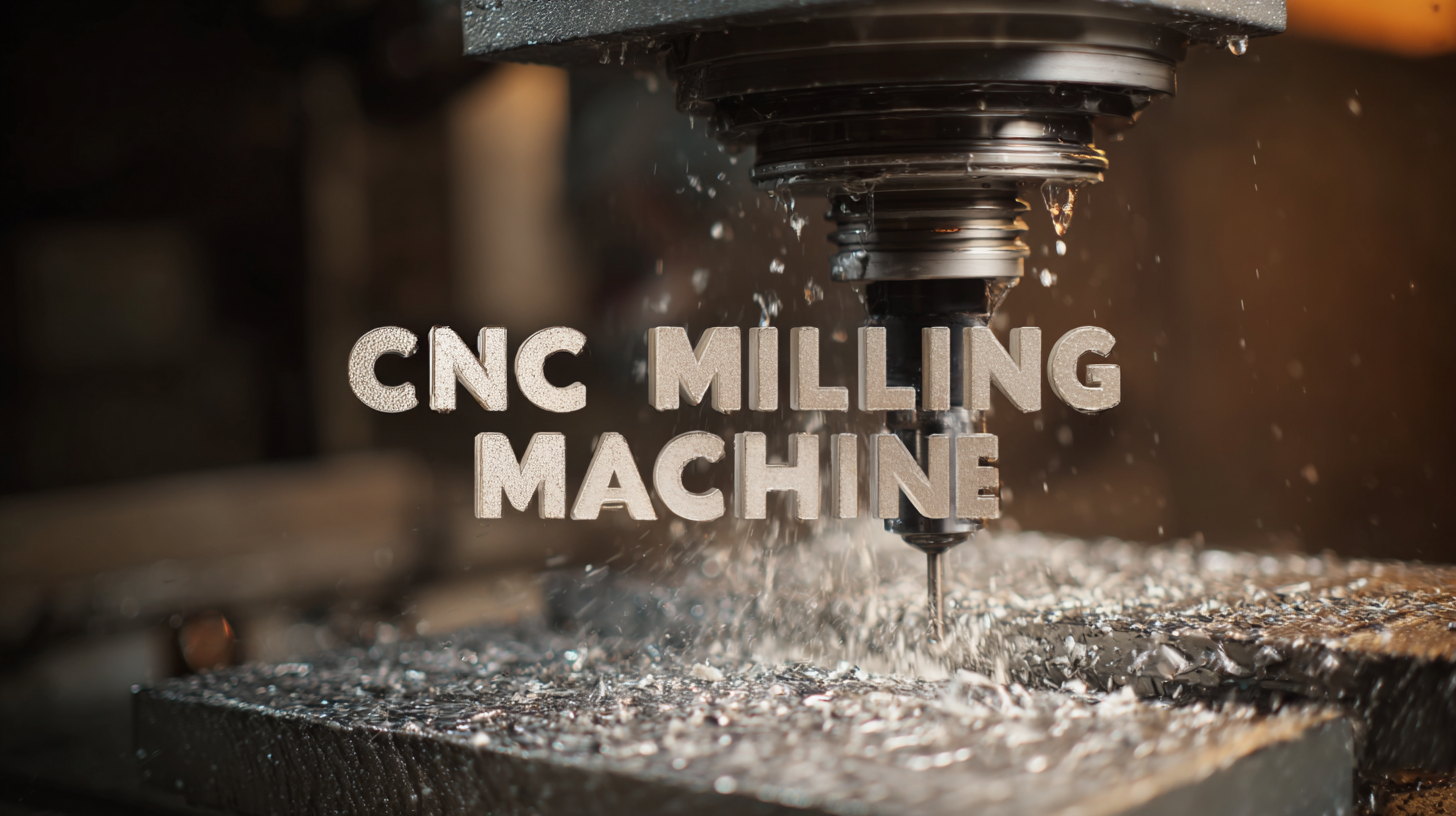
Here at Taizhou Luqiao Shiheng CNC Lathe Co., Ltd., we're totally aware of how crucial longevity is when it comes to CNC machinery. Our R&D team, packed with top-notch engineers from the industry, is focused on bringing the latest tech into our products. That means not only are our machines more efficient and precise, but they’re also designed with maintenance in mind. So, when you choose our CNC milling machines, you can relax knowing you’re getting a product that’s backed by fantastic support and a solid maintenance plan. It’s all about keeping your workshop running smoothly, year after year!
FAQS
: Key features include precision and accuracy, versatility, size, and multi-axis capabilities to efficiently handle complex geometries and diverse materials.
Many industrial applications require tolerances as tight as ±0.001 inches.
The size of the workshop influences the type and size of the milling machine that can be accommodated; smaller shops may need compact machines to optimize space.
A compact CNC mill with a footprint of approximately 5 to 6 square feet is ideal for workshops under 1,500 square feet.
An efficiently arranged shop floor can increase productivity by up to 30%, making layout considerations important for tool storage and operator access.
Regular maintenance extends the operational life of the machine, prevents costly downtimes, and ensures consistent performance.
Reliable technical support allows for swift resolution of issues, minimizing workflow disruptions and enhancing productivity.
Incorporating the latest advancements improves machine efficiency and precision while emphasizing ease of maintenance.
The ability to handle various materials enhances adaptability to diverse projects, increasing flexibility in manufacturing processes.
Adequate space for ventilation systems is necessary if working with materials that produce fumes or debris to ensure a safe working environment.