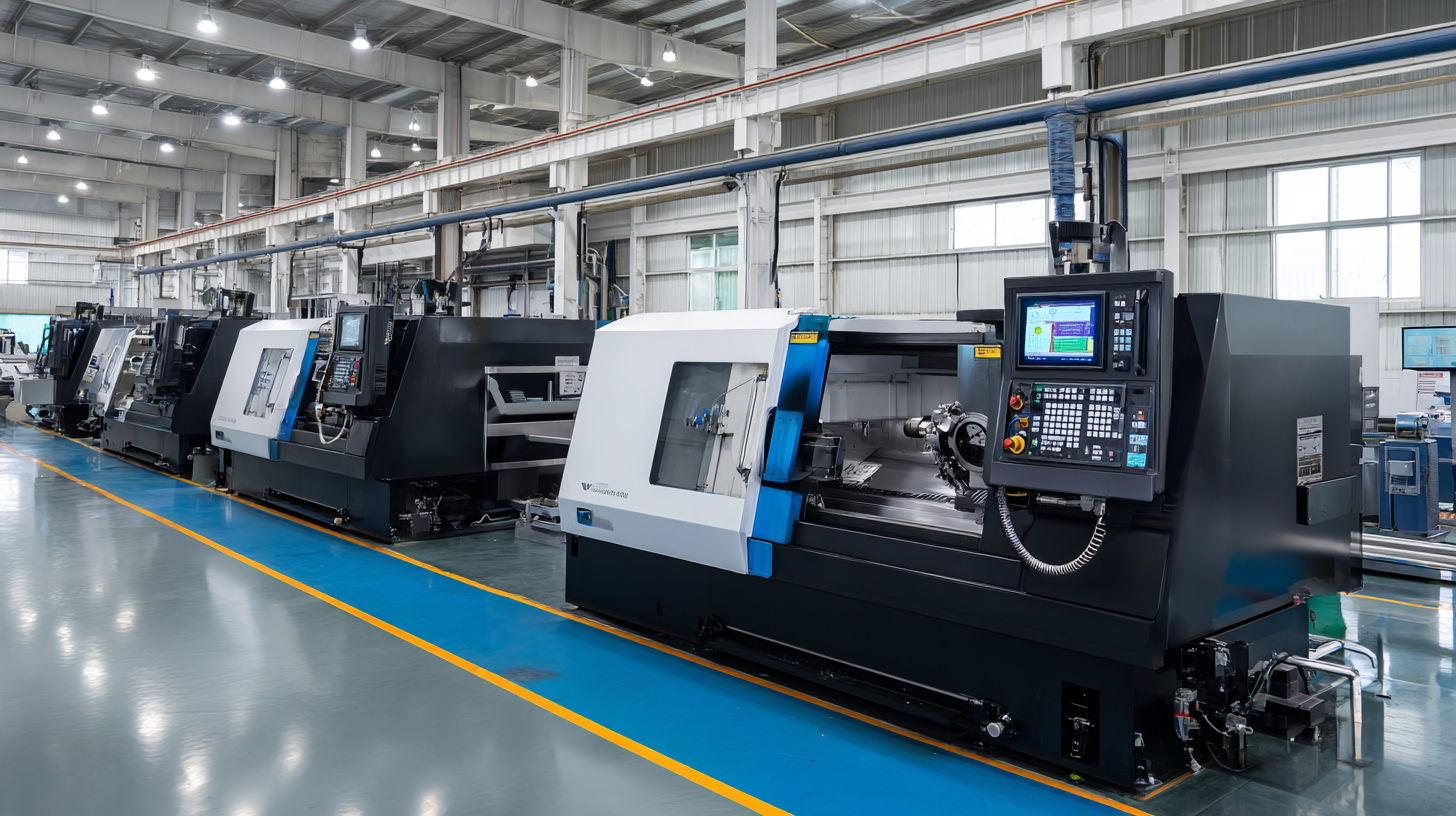
In today’s fast-moving manufacturing world, companies are constantly looking for creative ways to boost efficiency and get more done. At Taizhou Luqiao Shiheng Cnc Lathe Co., Ltd., we’re all about offering the latest and greatest with our state-of-the-art CNC Lathes. Our passionate R&D team, made up of top engineers and industry experts, is always digging into new tech and figuring out how to bring those innovations into our machines. When manufacturers use CNC Lathes, they can totally transform how they work—achieving amazing precision and dependability while cutting down on costs. This guide is here to show you how adopting advanced CNC lathes can level up your manufacturing game, make workflows smoother, and give you a real edge over the competition. Dive into the world of CNC Lathes, and take that first step toward manufacturing excellence—it's worth it!
Benefits of Upgrading to Advanced CNC Lathes in Manufacturing
Upgrading to more advanced CNC lathes really shakes things up for manufacturers itching to boost productivity and get even more precise. Thanks to the latest digital tech, these machines can do a lot of the work automatically, which means fewer manual mistakes and smoother, more efficient production lines. They’re using artificial intelligence now too, helping to speed things up and hit tighter tolerances. Plus, these machines are pretty versatile—they can adapt to different production needs, which not only makes things run more smoothly but can also save some serious cash in the long run.
And honestly, moving to these high-tech Cnc Machines puts manufacturers in a much stronger position on the global stage. As industries keep evolving, being able to innovate fast and handle changing demands is a must. These advanced lathes make that super easy—I’m talking rapid prototyping and customizing to fit exactly what clients want. Investing in this kind of equipment really marks a new chapter for manufacturing—one where operations are more capable and competitive, so companies can stay ahead of the curve and lead their industries.
Key Features to Look for in Modern CNC Lathe Machinery
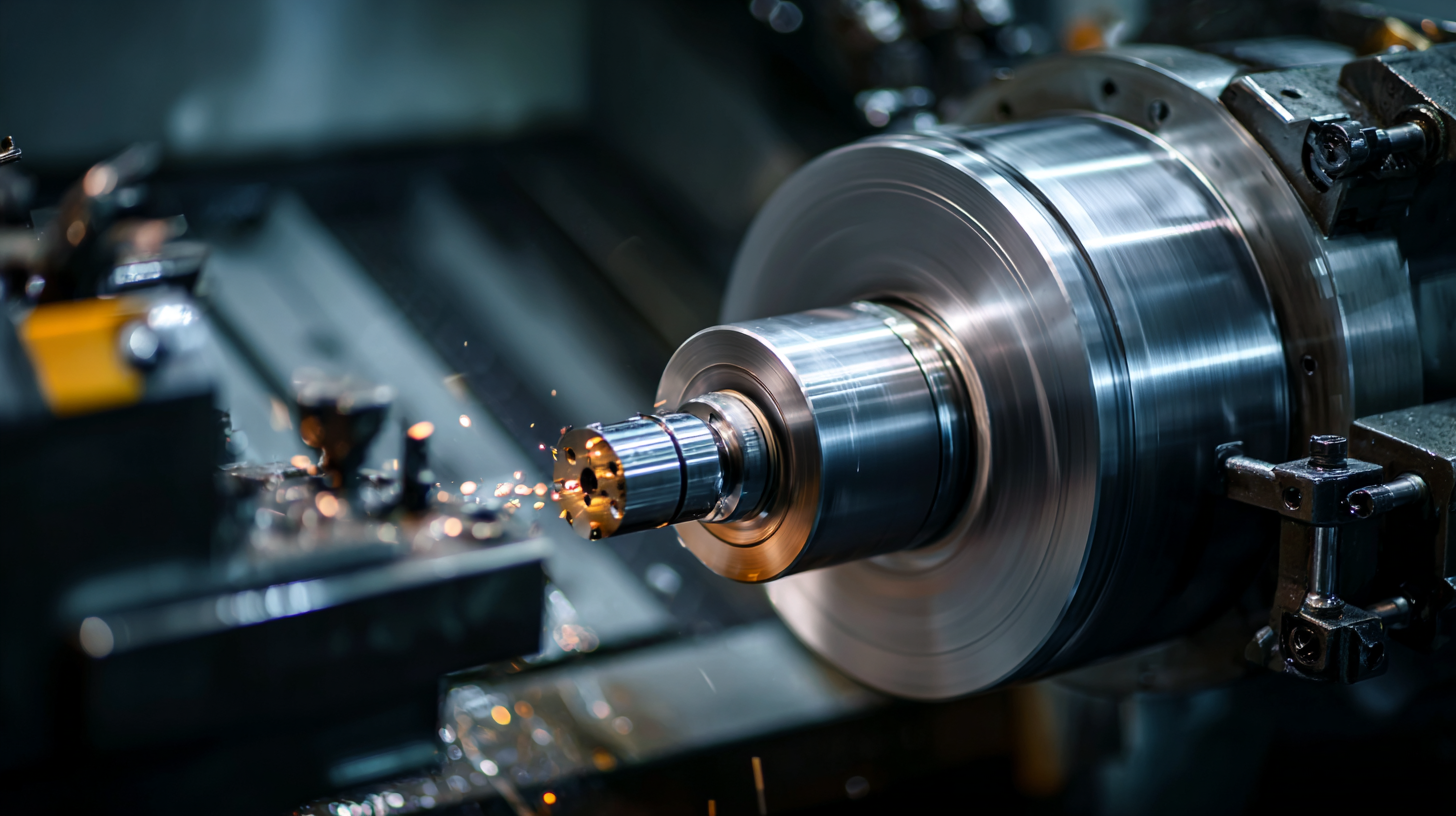
The manufacturing world is really about to shake things up thanks to those new advanced CNC lathe machines coming into play. They’re pretty much set to boost both productivity and precision like never before. If you’re browsing for a modern CNC lathe, keep an eye out for features like high-speed machining, multi-axis setups, and AI-driven performance tweaks — these are the game-changers. Market stats show that the global CNC machine market is expected to jump from around $101 billion in 2025 to nearly $196 billion by 2032, at a compound annual growth rate of about 9.9%. That’s mainly driven by the rising need for super-precise, multi-axis Machining Centers that really help manufacturing run more smoothly and efficiently.
When you’re thinking of investing in CNC lathes, it’s smart to consider how adaptable they are to newer tech like IoT and digital twins. These tools don’t just make operations smoother—they also crank up the accuracy through real-time data and feedback. Plus, don’t overlook the importance of noise suppression tech, which helps cut down chatter and keeps your machine in better shape for longer. All in all, these upgrades allow your business to ramp up production without blowing your budget.
**Pro tip:** Always go for CNC lathes that come with solid customer support and training options. That way, your team can really make the most of these cool tech features. Oh, and keep an eye on emerging tech trends in CNC — things move fast, and staying updated means staying ahead of the curve!
Tips for Maximizing Efficiency with CNC Lathe Operations
If you're looking to get the most out of your CNC lathe operations, there are a few key things you really should keep in mind. First off, keeping the machines well-maintained and properly calibrated is a game-changer—bad gauges or worn-out parts can cause unexpected breakdowns and mess up your precision. Setting up a regular maintenance routine and training your operators to check the machines periodically can really help extend their lifespan and keep things running smoothly. Oh, and using software that lets you monitor things in real-time? It’s super handy for catching inefficiencies early and cutting down on those annoying downtimes.
On the programming side, optimizing your CNC programs is a must. That means cleaning up tool paths to shorten unnecessary movements and boosting speeds without sacrificing quality. Investing in simulation software can be a huge help too—it lets you test out and troubleshoot your programs before actually running them, which saves materials and avoids costly errors. Plus, giving your operators some extra training on the latest machining techniques can open doors to new ideas and even better results.
When you focus on these strategies, not only will you see productivity go way up, but the overall quality of your work will seriously improve too.
Integrating CNC Lathes with Smart Manufacturing Technologies
You know, the way CNC lathes are now being integrated with smart manufacturing tech really feels like a game-changer. I read somewhere—actually, a report from MarketsandMarkets—that by 2025, the global market for smart manufacturing could hit around $506.84 billion. That’s pretty huge, and it shows just how much more manufacturers are starting to rely on cutting-edge tech in their daily operations. When companies bring CNC lathes into this smart world, they can tap into real-time data and IoT capabilities, which helps make production so much more precise and efficient.
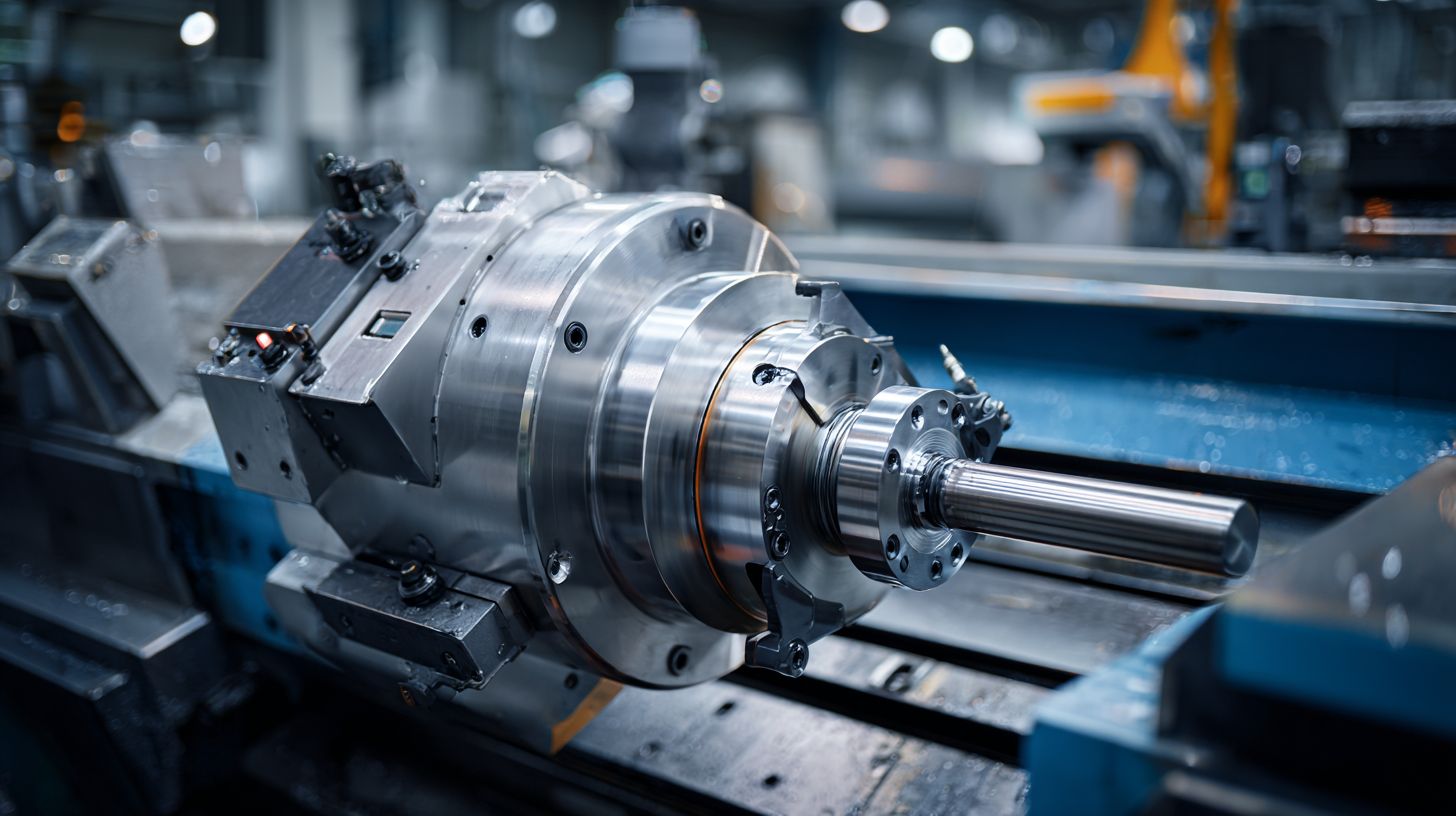
Investing in these Smart Cnc Machines isn’t just about speeding things up; it also helps with managing inventory and workflows better. What's really cool is that with features likepredictive maintenance, these systems can cut down downtime by as much as 30%, according to McKinsey. Plus, using machine learning algorithms, manufacturers can even predict when a machine might fail before it actually happens, keeping everything running smoothly and saving some serious costs.
Tip: If you really want to get the most out of CNC lathes, think about integrating them with advanced software that offers real-time monitoring and analytics. This way, you can make quick adjustments and keep the process flowing smoothly. And don’t forget, training your team on smart technologies is super important—making sure they’re comfy managing this new tech will make everything run even better.
Common Challenges in CNC Machining and How to Overcome Them
CNC machining definitely has its fair share of challenges that manufacturers need to tackle if they want their processes to run smoothly and produce quality results. One of the main issues is the wear and tear on tools from constantly working at high speeds—over time, this can mess with precision and even bump up production costs. A good way to handle this is by investing in more advanced CNC lathes that come equipped with smart monitoring systems. These gadgets keep an eye on tool conditions in real-time, so you can catch problems early and swap out tools before quality really starts to suffer.
Then there's the tricky task of getting the surface finish and dimensional accuracy just right, especially across different materials. When you're dealing with complex stuff like car parts or medical components, precision isn't optional—it's a must. Maintaining that kind of accuracy in large production runs can be tough, though. That's where cool techniques like adaptive machining and feedback systems come into play. They allow you to make continuous tweaks on the fly, giving you better control over the process. Not only does this boost the quality of the final product, but it also makes the whole manufacturing process more flexible and capable of quick adjustments based on market needs.
Future Trends in CNC Lathe Technology and Their Impact on Industry
The future of CNC lathe technology is really poised to shake up how manufacturing works. As more industries jump on board with these advanced digital tools, we're already seeing some pretty impressive boosts in productivity across the board. For example, the market for CNC controllers is expected to jump from around $3.2 billion in 2023 to a whopping $7.2 billion by 2033. That’s a huge growth spurt, and it’s mainly driven by continuous technological advancements and the growing need for faster, more precise machinery.
So, here’s a thought—manufacturers really should take a good look at their current processes and think about how CNC tech could fit in. Connecting with leading tech providers can also be a game-changer, giving you insights into custom solutions that can really ramp up efficiency and accuracy.
On another note, the rise of AI-powered features in CNC machines signals a move towards smarter, more automated manufacturing. Experts are expecting this part of the market to grow by approximately $21.9 billion between 2025 and 2029. This trend points toward more high-precision, multi-axis machining centers becoming the norm. If your company gets on board early with these innovations, you won’t just boost your production — you’ll be all set for the future, no matter how the market evolves.
And here’s a tip: setting up ongoing training for your team on new CNC tech can really smooth out the transition and make sure everyone’s getting the most out of the machinery. Investing in modern equipment might seem like a big step, but in the long run, it can lead to better output, lower operational costs, and higher returns. So, why not get ahead of the curve?
Optimizing Precision: A Comprehensive Guide to CNC Turning and Milling Machines with Y Axis and Tailstock
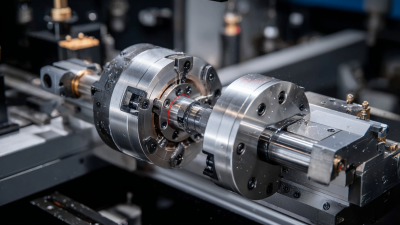
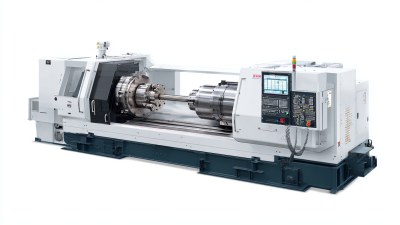
CNC turning and milling machines equipped with a Y axis and tailstock represent a significant advancement in precision machining. The GD5245Y Composite Machine exemplifies this innovation, featuring an integrated slant body that enhances chip discharging efficiency—an aspect critical for maintaining productivity in high-precision environments. According to industry data, improved chip management can increase machining productivity by up to 30%, allowing operators to achieve tighter tolerances and better surface finishes.
The machine boasts a robust 12-station turret, providing ample positions for tools and power-driven tools to meet various machining needs. The reinforced internal rib structure contributes to overall rigidity, achieving Z-axis drives of 350mm or 550mm. Research indicates that a rigid machine reduces vibrations, leading to significant improvements in machining accuracy. In fact, a reduction in vibrations can minimize dimensional errors by as much as 50%, making the GD5245Y an excellent choice for precision applications.
Furthermore, the spindle's design includes a non-contact double feedback indexing system that ensures high resolution and rapid response during operation. Coupled with hydraulic locking, this feature allows for high-speed rotation and indexing, achieving positioning accuracy that is critically important in industries like aerospace and automotive. Reports suggest that machines with advanced spindle systems can enhance cycle times by 20% to 40%, highlighting the efficiency gains provided by such technology. The GD5245Y embodies these advancements, making it a valuable asset in any precision machining facility.
FAQS
: Regular maintenance and calibration of the machinery prevent unexpected breakdowns and ensure precision in production, enhancing machine longevity and performance.
Optimizing programming practices involves refining CNC programs to minimize tool path lengths and increase machining speeds, while investing in simulation software can help visualize programs and reduce errors.
Tooling wear due to high-speed operations can lead to precision loss and increased production costs. Investing in advanced machines with intelligent monitoring systems can help manage tool conditions for timely maintenance.
Implementing advanced machining techniques like adaptive machining and feedback systems allows for continuous adjustments, improving control over the manufacturing process and ensuring quality.
The CNC lathe technology market is expected to grow significantly, particularly with the integration of AI, which will enhance high-precision and multi-axis machining capabilities.
Manufacturers should actively evaluate their current processes and engage with leading technology providers to identify tailored solutions for enhancing operational efficiency and precision.
Establishing a continuous training program for staff on new technologies aids in smooth transitions and optimal machinery usage, contributing to overall productivity.
Investing in modernized equipment can yield higher returns through improved output and reduced operational costs, helping companies remain competitive in the evolving market.
Real-time monitoring helps identify inefficiencies and reduce downtime, allowing for proactive measures to enhance production efficiency and quality.
The adoption of advanced digital manufacturing technologies is expected to significantly enhance productivity levels across various sectors, reflecting a growing demand for efficient machinery.
Conclusion
In today’s super competitive manufacturing scene, upgrading to newer CNC lathe machines isn’t just a smart move — it’s kinda essential if you want to boost both productivity and precision. These advanced machines offer a ton of advantages, like working faster, delivering top-notch quality, and handling those tricky, complex designs with ease. When choosing new CNC lathes, it’s a good idea to focus on must-have features like automation, easy-to-use interfaces, and how well they can connect with the latest smart manufacturing tech.
To really get the most out of these machines, companies should follow best practices in CNC operation — and be ready to deal with some common bumps in the road along the way. Staying in the loop about the latest trends and innovations in CNC lathe tech can put your business ahead of the game. Here at Taizhou Luqiao Shiheng CNC Lathe Co., Ltd., our passionate R&D team works tirelessly to embed cutting-edge advancements into our machinery, so we can keep leading the charge in making manufacturing better, faster, and smarter.