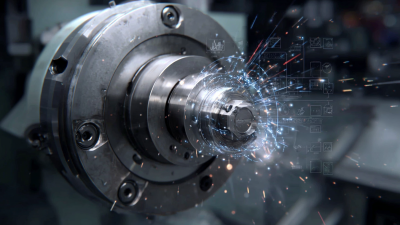
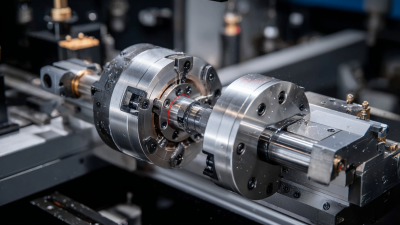
 Looking ahead, the future of precision engineering is really closely tied to advancements in Lathe Machines — they’re pretty much the backbone of manufacturing today. As we dive into this exciting fourth industrial revolution, Taizhou Luqiao Shiheng CNC Lathe Co., Ltd. is proudly leading the way when it comes to innovating Cnc Machine Tools. Our passionate R&D team, made up of some of the top engineers and experts in the field, is constantly exploring new technologies to make our Lathe Machines even better.
We’re not just about pushing performance and efficiency; we’re also all about redefining what’s possible in precision engineering. Honestly, as these machines keep evolving, they’re shaping the future of manufacturing big time. That’s why it’s more important than ever for businesses to stay on top of these game-changing trends.
The Evolution of Lathe Machines in Precision Engineering Markets
You know, the evolution of lathe machines really has made a huge difference in the world of precision engineering. It’s exciting to see how these advancements line up with the rapid growth in related industries. For instance, the Global Cnc Machine market is expected to jump from about $101 billion in 2025 to nearly $196 billion by 2032—talk about a strong growth rate of nearly 10% each year! This just goes to show how vital CNC tech is becoming, especially as industries push more for automation and tighter precision.
And it’s not just CNC machines—metal machining, in particular, is set to see an extra $16.6 billion in growth between 2025 and 2029, thanks in part to more investments in infrastructure. Plus, there’s a clear trend towards bringing in AI to shake things up and make traditional machining smarter and more efficient. It’s a big deal because, by 2030, the global market for metal cutting tools is predicted to hit around $113 billion—fueled by new tech and the constant demand for more precise, innovative manufacturing solutions. All in all, it’s an exciting time to be following these changes in the industry.”
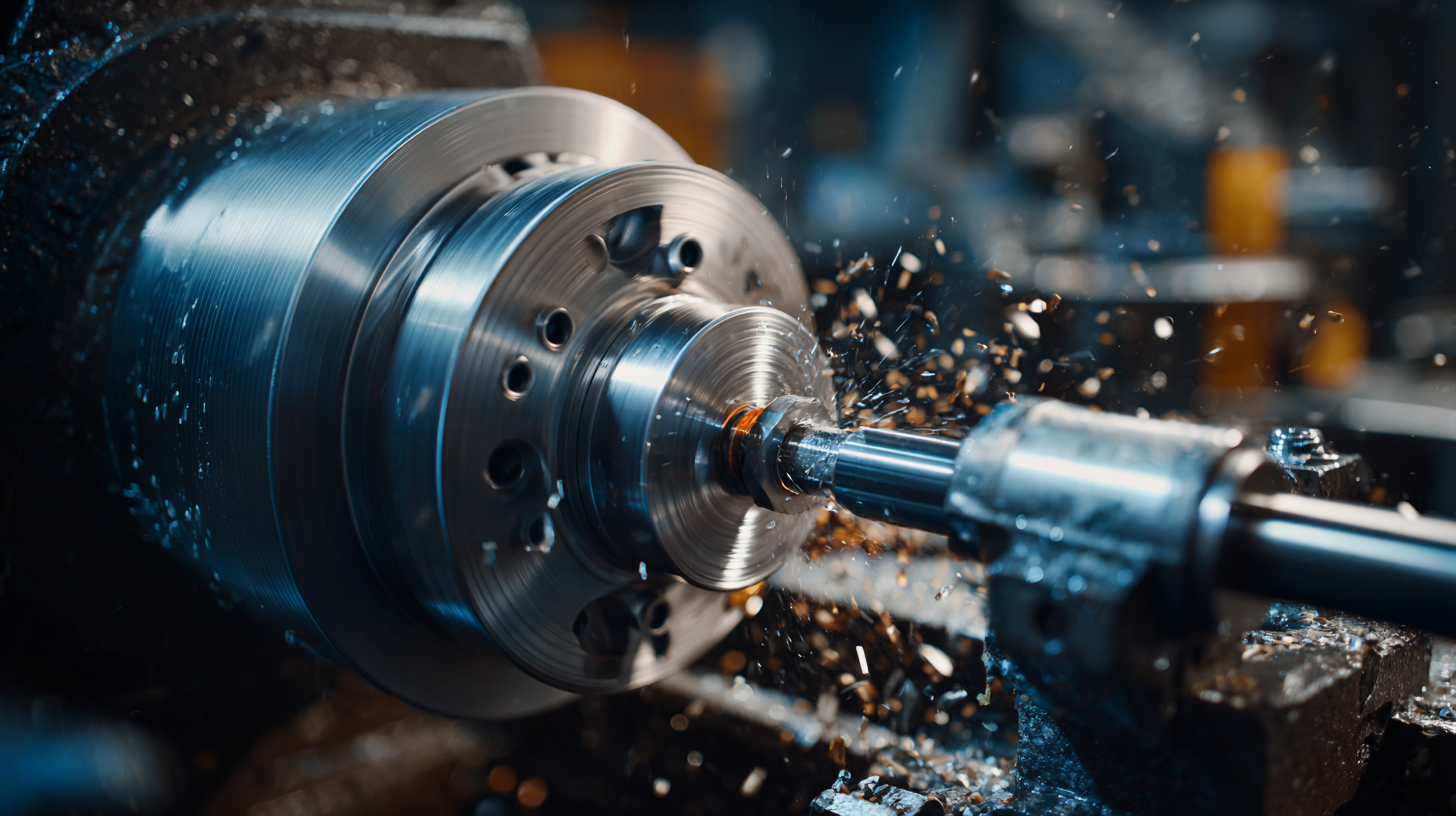
Key Industry Trends Influencing Lathe Machine Innovations
The world of precision engineering is changing pretty fast these days, thanks to some key trends that are really pushing innovation, especially when it comes to lathe machines. If you’ve been following recent market reports, you might have seen that the global CNC lathe machine market is expected to grow at about 7.2% annually from 2023 to 2028. That’s basically a sign that everyone’s really craving more automation and accuracy in manufacturing these days. Companies like Taizhou Luqiao Shiheng CNC Lathe Co., Ltd. are actually leading the way—especially by adding cool tech like IoT and AI into their machines. It’s making production not just more precise but also way more efficient.
One of the really interesting shifts happening now is how much additive manufacturing, or 3D printing, is blending with old-school subtractive methods like turning. Industry stats show that nearly 45% of manufacturers are now using hybrid machines that combine both techniques. Why? Because it gives them the ability to produce more complex shapes, smooth out workflows, and cut down on lead times—pretty awesome, right?
**Quick tip:** If you want to stay ahead of the game, it’s a good idea to look into CNC lathe machines that come with smart tech built in—stuff that can analyze data in real time. Not only does this boost your efficiency, but it also helps with predictive maintenance, which means fewer unexpected breakdowns and more uptime.
And let’s not forget, sustainability is becoming a huge deal. There’s mounting pressure from regulations to cut waste and energy use, so manufacturers are on the lookout for eco-friendly materials and smarter processes. Being proactive about this stuff isn’t just good for the planet—it can also help you stay compliant and attract customers who really care about green practices.
**Another tip:** Keep an eye out for energy-efficient lathes that give detailed reports on energy use. This can really help you track and tweak your processes to be more sustainable and cost-effective.
Integrating Automation and IoT in Lathe Machine Operations
You know, combining automation and IoT into lathe machine operations is really shaking things up in the world of precision engineering. As these lathe machines get smarter and more advanced, it’s no surprise that the global market for lathe machines is expected to jump from around USD 25.4 billion in 2023 to roughly USD 35.84 billion by 2032. This upward trend is driven by breakthroughs in automation tech and the Internet of Things, reflecting a clear rise in the need for super-accurate machining across all sorts of industries.
And it doesn’t stop there. The CNC machine market is also forecasted to grow big time—from USD 101.22 billion in 2025 all the way to nearly USD 195.59 billion by 2032, with an annual growth rate of about 9.9%. This boom is largely thanks to more widespread use of AI, making machining smarter through things like predictive maintenance and on-the-fly adjustments. Plus, IoT tools are now giving manufacturers the ability to monitor performance in real time, keeping things running smoothly and accurately. As these innovations keep rolling out, they’re reshaping precision manufacturing and opening up some seriously exciting possibilities for both makers and users alike.
Enhancing Material Efficiency: Strategies for Precision Manufacturing
In today’s fast-changing world of precision engineering, finding ways to use materials more efficiently has really become a top priority for manufacturers. I read a report from McKinsey & Company recently, and it’s pretty impressive — companies that nail down effective material efficiency strategies can slash their material costs by up to 30%. That’s a game-changer for keeping the finances healthy. Lathe machines, which are known for their accuracy and flexibility, are actually super important here. They help reduce waste and boost the yield during production, making everything run smoother and more cost-effective.
One really effective approach is adopting newer machining techniques like dry machining and fine-tuning cutting settings. Not only does this improve the quality of the finished parts, but it also cuts down on scrap. There was this study in the International Journal of Advanced Manufacturing Technology that showed using smarter CNC lathe machines led to about a 25% jump in machining efficiency, and at the same time, less material was wasted. Plus, putting predictive maintenance in place can make a big difference — it keeps machines running at their best, making sure manufacturers aren’t caught off guard by unexpected breakdowns and helping them get the most out of their materials. All in all, by embracing these innovative strategies, the field of precision engineering can really push the boundaries of sustainability and productivity, setting new standards for the future.
Addressing Workforce Skill Gaps in Precision Engineering with Lathe Technology
As the world of precision engineering keeps changing, it's more important than ever to tackle the growing skills gap in the workforce—especially when it comes to lathe technology. The Manufacturing Institute recently reported that up to 2.4 million manufacturing jobs could go unfilled over the next decade because of this skills shortage. Lathe machines are pretty complex, and working with them isn’t just about knowing how to run the machine; it also involves understanding CAD designs and using CNC technology, which requires some serious skills.
To close this gap, more and more companies are putting effort into training programs specifically geared toward lathe operation and high-precision techniques. Investing in vocational training or apprenticeships is a great way to build up skills and meet the growing demand. A survey by Deloitte even found that companies who invest in upskilling their workers see productivity jump by as much as 24% — not too shabby!
**Tip:** Keep encouraging your team to learn new things by offering access to online courses or workshops on the latest lathe tech. It’s a simple way to stay ahead.
Plus, partnering up with local trade schools can really help! Building those relationships means you can help shape the curriculum so it’s aligned with what the industry actually needs. This way, you get a steady stream of skilled folks ready to step into engineering roles.
**Tip:** Consider offering internships to students studying precision engineering. It’s a win-win — they get hands-on experience with lathe machines, and you get some much-needed help to fill those skill gaps.
Future Projections: Market Growth and Lathe Machine Adaptability by 2030
Looking ahead to 2030, it’s clear that the world of precision engineering is set for some serious changes, especially when it comes to lathe machines. The push for higher accuracy and efficiency in manufacturing is really fueling innovation in this area. Today’s lathes are becoming much more versatile, outfitted with advanced automation and smart tech that don’t just boost how they perform but also make it easier to fit into Industry 4.0 setups. As manufacturers try to streamline their processes and cut down on downtime, having lathe machines that can quickly adapt to different production demands is going to be a game-changer.
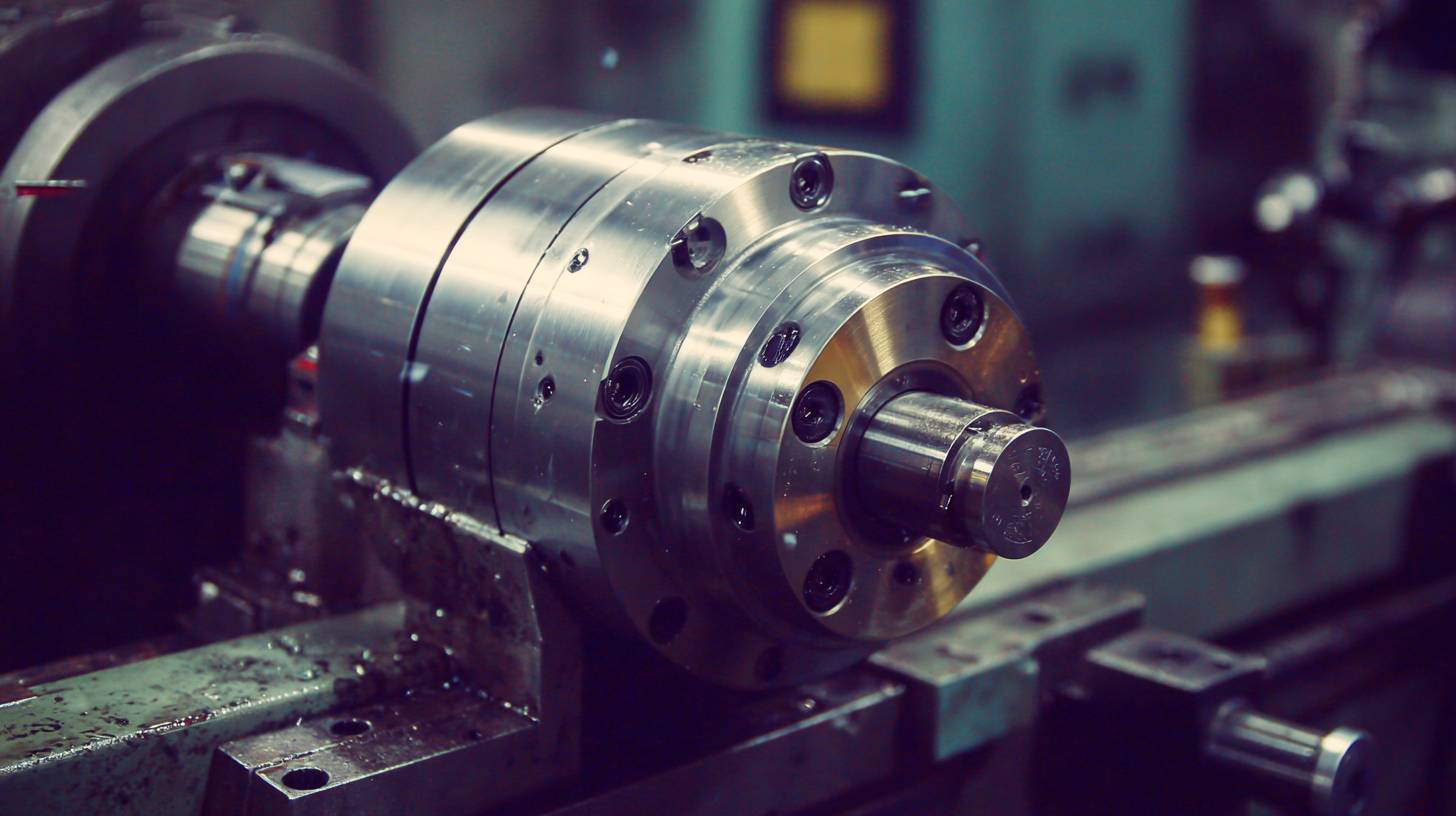
Market forecasts are pointing towards pretty impressive growth in the precision engineering space, with lathe machines leading the charge. Flexibility and precision are more important than ever, especially as industries deal with tighter tolerances and faster production cycles. Thanks to CNC technology and smarter software, these machines are now capable of offering customization options that we used to think were impossible. By the time 2030 rolls around, I’d expect to see more user-friendly interfaces and real-time monitoring features, making life easier for engineers and helping ensure the continued success of precision engineering in this rapidly changing market.
Revolutionizing Precision Manufacturing: Insights from the 2023 Metalworking Industry Report on Heavy Duty CNC Lathe Machines
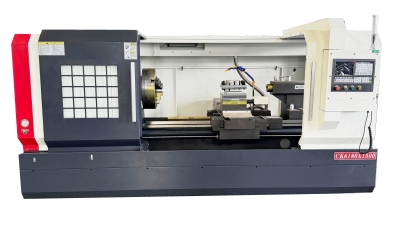
The modern landscape of precision manufacturing is continuously evolving, and the insights gleaned from the 2023 Metalworking Industry Report emphasize the crucial role of heavy-duty CNC lathe machines in this transformation. Among the prominent models are the CK6140, CK6150, and CK6180, which stand out due to their high precision, substantial power, and exceptional rigidity. These attributes make them indispensable for manufacturers aiming to enhance their production capabilities while maintaining stringent quality standards.
The design of these CNC lathes is meticulously optimized, ensuring that they meet the specific needs of processing various workpieces, including shafts, discs, sleeves, and specialty shapes. The engineering advances incorporated in these machines not only boost efficiency but also enhance the reliability of operations. As industries increasingly demand more complex components, the ability of the CK series to handle screw workpieces and intricate designs sets a new benchmark in the realm of heavy-duty manufacturing.
By investing in such advanced CNC lathe machines, manufacturers can significantly improve their precision, reduce waste, and streamline production workflows. The CK series serves as a testament to how technology can revolutionize traditional manufacturing processes, enabling businesses to stay competitive in an ever-demanding market.
FAQS
: The evolution of precision engineering and the intricate capabilities of lathe machines require a workforce skilled in operating these machines, interpreting CAD designs, and utilizing CNC technology.
According to the Manufacturing Institute, nearly 2.4 million jobs in manufacturing may go unfilled over the next decade due to skill shortages.
Companies can invest in training programs tailored to lathe operation and precision engineering techniques, as well as vocational training and apprenticeships to enhance employee skill sets.
A survey by Deloitte indicates that companies investing in upskilling their workforce can see an increase in productivity of up to 24%.
By fostering partnerships with local trade schools and influencing curriculum development, businesses can ensure that training aligns with current industry standards.
Companies should offer internship opportunities that allow students to gain hands-on experience with lathe technology, which can help alleviate skill shortages.
By 2030, lathe technology is expected to become more adaptable, incorporating advanced automation and smart technology to enhance operational capabilities and integrate seamlessly into Industry 4.0 environments.
The precision engineering sector is projected to experience substantial growth, with an emphasis on flexibility and precision in manufacturing processes, particularly for lathe machines.
Enhanced user-friendly interfaces, real-time monitoring systems, and improved software solutions are expected, enabling better customization and operational efficiency.
As manufacturers seek to optimize processes and reduce downtime, lathe equipment that can quickly adjust to varied production demands will be essential for meeting tighter tolerances and faster production cycles.