You know, in today’s fast-moving world of manufacturing, Cnc Lathe Machinery really stands out as a game-changer. It’s pretty much become a key technology that’s transforming how industries produce parts. I recently came across a report from Markets and Markets that says the CNC lathe market is expected to hit around USD 5.09 billion by 2026 — and honestly, that’s mainly because companies want more precise and efficient machining options. As manufacturers try to streamline their processes and improve product quality, getting a good understanding of what CNC lathes can do is more important than ever if they want to stay competitive.
What’s really cool about CNC lathes is that they’re not just about automation; they pack some pretty advanced features that boost productivity, cut down on waste, and improve accuracy. Knowing key specs like spindle speed, how many tools they can handle, and the control systems involved is crucial for pros who want to get the most out of their machines. From what I’ve seen, businesses that invest in high-quality CNC lathe machines tend to be more competitive, with faster production times and better operation flow. So, as we dig into the top ten features of CNC lathe machinery, it’s worth thinking about how these tech improvements can actually help tackle today’s manufacturing challenges—and make operations smoother in the long run.
Essential Features of CNC Lathes for Modern Manufacturing
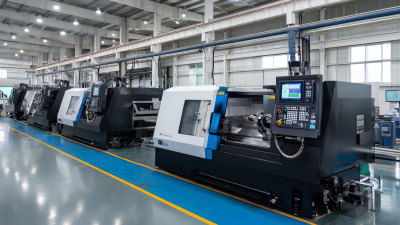
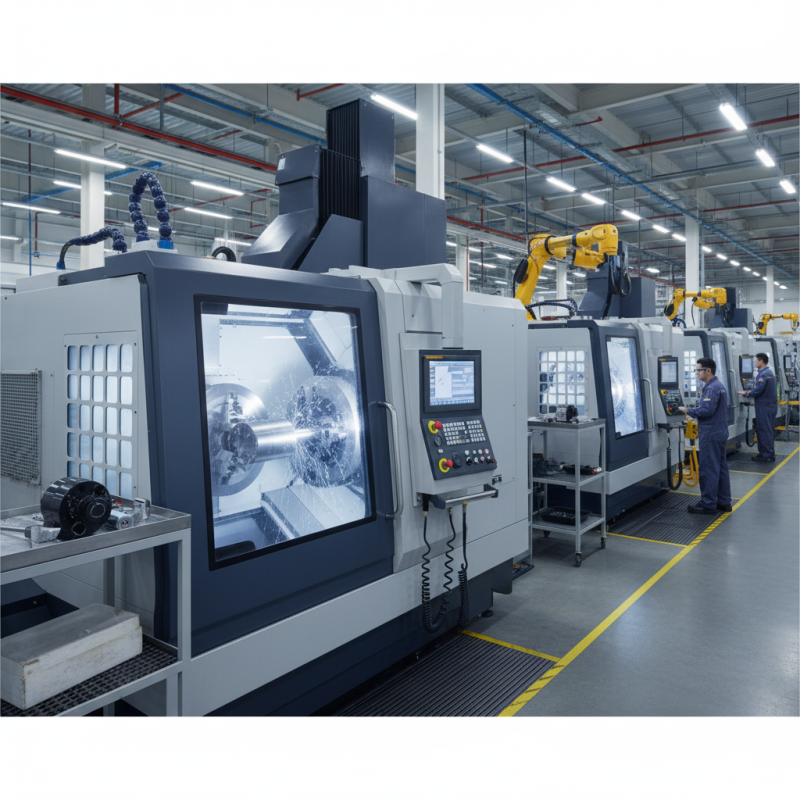
CNC lathes are a cornerstone of modern manufacturing, integrating automated precision with operational efficiency. The essential features of CNC lathes include high-speed machining capabilities, which can reduce cycle times significantly. According to a recent report by the International Federation of Robotics, CNC lathes have increased production rates by up to 30% in various industries, showcasing their crucial role in enhancing manufacturing throughput. Other vital features include advanced tool changers and control systems that facilitate complex part production without the need for manual intervention.
When selecting a CNC lathe, it's vital to consider the machine's rigidity and thermal stability. These factors directly affect the accuracy and consistency of the produced parts. An effective CNC lathe should also support varying materials, from metals to plastics, making versatility another key feature. A study by the Manufacturing Technology Association revealed that approximately 75% of manufacturers prioritize multi-material capabilities in their machinery to meet diverse production needs.
**Tip:** Always look for CNC lathes that adaptive software for real-time monitoring, as this can significantly reduce downtime and increase overall efficiency in the production process. Investing in units with enhanced user interfaces can further streamline operations, allowing operators to focus on optimizing other parts of the manufacturing workflow.
Top 10 CNC Lathes Machinery Features You Should Know About
| Feature | Description | Benefits |
| Automatic Tool Change | Allows for quick switching between different tools. | Increases productivity and reduces downtime. |
| CNC Control Software | Advanced software for precise control and programming. | Enhances accuracy and allows complex shapes to be machined. |
| Live Tooling | The ability to mill and drill while the lathe is rotating. | Reduces setups and allows more operations in one setup. |
| Rigid Tapping | Simultaneous movement of the spindle and the Z-axis for tapping operations. | Improves thread quality and reduces cycle times. |
| Multi-axis Capability | Ability to operate in more than two axes. | Allows for complex parts to be machined efficiently. |
| High Spindle Speed | Fast spindle rotation for quick material removal. | Increases machining efficiency and reduces production time. |
| Coolant Through Tool | Coolant supplied directly through the tooling. | Improves tool life and workpiece quality. |
| Bar Feeder | Automatic feeding of bar stock into the lathe. | Increases production for long or repetitive runs. |
| Tool Offset Compensation | Automatic adjustment for tool wear and tool size variance. | Minimizes error and maintains part dimensions over time. |
| User-friendly Interface | Intuitive controls and displays for easier operation. | Reduces learning curve and improves efficiency. |
Precision Control: Understanding CNC Lathe Accuracy and Repeatability
Precision control is a critical aspect of CNC lathe technology, directly influencing the quality and efficiency of machining processes. Understanding accuracy and repeatability is essential for manufacturers looking to optimize their production capabilities. Accuracy refers to how close a machined part is to its intended design specifications, while repeatability measures the machine's ability to produce identical parts under the same conditions over multiple cycles. Together, these factors ensure that the final products meet stringent tolerances demanded by various industries.
Modern CNC lathes utilize advanced control systems and high-precision components to achieve remarkable accuracy and repeatability. Technologies such as closed-loop feedback systems adjust for any deviations in real time, ensuring that even the most intricate designs can be realized with precision. Furthermore, the integration of high-resolution encoders and sophisticated software aids in monitoring and calibrating the machine's performance, thereby enhancing both reliability and output quality. This versatility not only increases productivity but also reduces waste, making CNC lathes a vital asset in any high-volume manufacturing environment.
Top 10 CNC Lathes Machinery Features: Precision Control
This bar chart illustrates key performance metrics of CNC lathes, emphasizing precision control characteristics such as accuracy, repeatability, and other essential features that impact operational efficiency.
The Role of Spindle Speed in CNC Lathe Performance
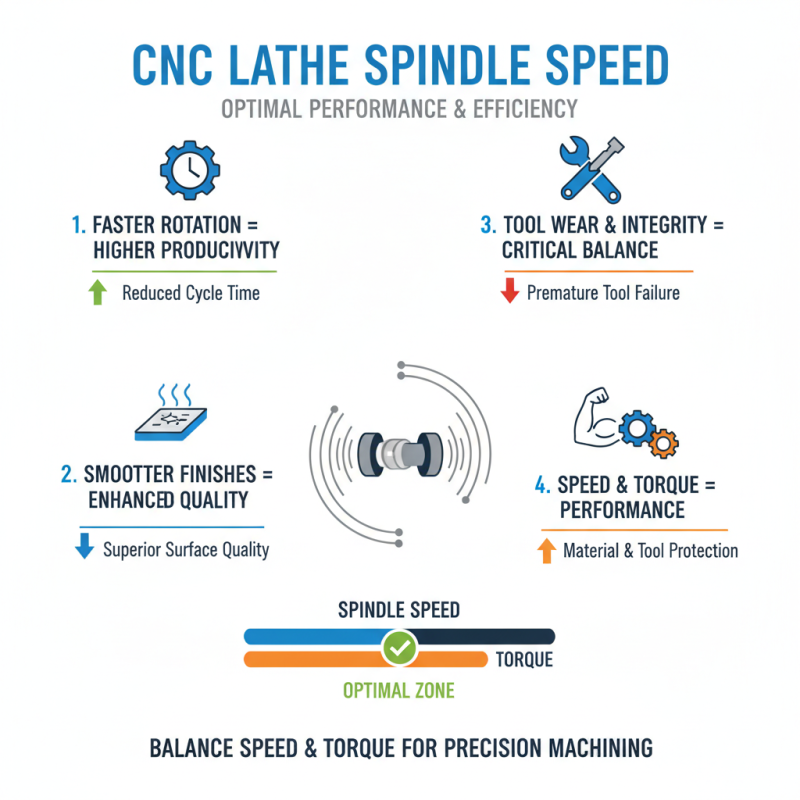
Spindle speed is a crucial aspect of CNC lathe performance that directly affects the quality and efficiency of machining operations. It refers to the rotational speed of the spindle, which drives the cutting tool or the workpiece during the manufacturing process. Higher spindle speeds can enhance productivity and help achieve smoother finishes on machined parts. However, selecting the optimal spindle speed is vital, as it can significantly influence tool wear and the integrity of the final product. Balancing speed with adequate torque is essential to maximize performance while minimizing the risk of damaging both tools and materials.
When operating a CNC lathe, one important tip is to consider the material being machined. Different materials require different spindle speeds to achieve the best results. For instance, soft metals like aluminum can be machined at higher speeds, while harder materials like steel demand a slower operational tempo to avoid overheating and tool degradation. Another consideration is the diameter of the workpiece; larger diameters typically necessitate lower spindle speeds to prevent vibration and ensure precision.
In addition, it's advisable to keep an eye on the coolant system. Proper coolant application during high-speed operations can help dissipate heat and prolong tool life. Maintaining optimal spindle speed through monitoring and adjustments can significantly enhance overall CNC lathe efficiency and ensure consistent production quality.
Exploring Tooling Options: Fixed vs. Live Tools in CNC Lathes
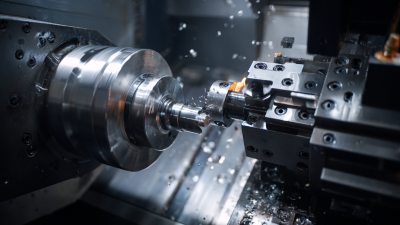
When it comes to CNC lathes, understanding the tooling options is crucial for optimizing production processes. The two principal types of tools used in these machines are fixed tools and live tools. Fixed tools are stationary and typically used for processes such as turning, drilling, and boring. They provide stability and accuracy, making them ideal for standard machining operations. However, their limitation lies in versatility; they can only perform specific tasks without additional setup or tool changes.
On the other hand, live tools are designed to rotate and deliver increased functionality within the CNC lathe itself. These tools enable advanced operations like milling, which adds a significant level of versatility to machining tasks. By allowing for multiple operations to be performed in one setup, live tools can enhance productivity and efficiency. However, the incorporation of live tools often requires more complex programming and can present challenges in terms of maintenance and tool wear.
Ultimately, the choice between fixed and live tools should be made based on the specific requirements of the project, including complexity, material type, and desired outcomes.
Automation and CNC Lathes: Benefits of Integrated Tool Change Systems
Automation has become a transformative force in the manufacturing industry, particularly with the integration of CNC lathes and advanced tool change systems. These integrated systems allow for seamless transitions between various machining tasks, significantly increasing productivity and reducing cycle times. By automating the tool change process, manufacturers can minimize downtime, ensuring that machines are operating at peak efficiency. This leads to enhanced output while also providing operators with the ability to focus on higher-level programming and quality control tasks, rather than manual tool handling.
Moreover, the use of integrated tool change systems in CNC lathes brings a new level of precision and consistency to machining operations. Automated tools can be calibrated and adjusted with high accuracy, reducing the risk of human error that often occurs during manual changes. This not only improves the quality of the final product but also extends the lifespan of the tools themselves, as they are managed more effectively. The payoff is evident in reduced waste, enhanced reliability, and the capacity to handle complex projects with varying specifications more efficiently. As manufacturers continue to embrace automation, the benefits of these sophisticated systems become clear, driving innovation and competitive advantage in an evolving market.
Analyzing the Importance of Work Holding Mechanisms in CNC Lathes
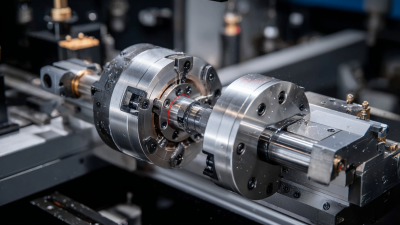
Work holding mechanisms are a pivotal aspect of CNC lathes, directly influencing the precision and efficiency of machining operations. These mechanisms ensure that workpieces are securely clamped in place during the cutting process, preventing any movement that could lead to inaccuracies. A well-designed work holding system can accommodate various shapes and sizes, allowing for flexibility in production. This adaptability is crucial in modern manufacturing, where quick changes between different workpieces are common.
Moreover, the choice of work holding mechanism impacts the overall productivity of CNC lathes. By minimizing setup time and enhancing the stability of workpieces, manufacturers can achieve higher throughput and reduce scrap rates. Additionally, advanced work holding solutions, such as hydraulic and pneumatic clamps, provide consistent force application, which contributes to the longevity and reliability of both the workpiece and the machinery. Therefore, understanding and selecting the appropriate work holding mechanisms is essential for optimizing machining processes and attaining high-quality results in CNC operations.
CNC Lathe Software: Key Features for Efficient Machining Operations
CNC lathe software plays a crucial role in enhancing the effectiveness of machining operations. Key features of this software streamline the workflow, allowing operators to achieve precision and efficiency. One of the most important aspects is the intuitive user interface, which simplifies the programming process, enabling even novice users to create complex designs effortlessly. Additionally, advanced simulation tools allow for real-time visualization of machining processes, reducing errors before the actual production, saving both time and resources.
When selecting CNC lathe software, it’s essential to prioritize compatibility with various CAD/CAM systems. This integration facilitates seamless transitions from design to machining, minimizing downtime and maximizing productivity. Furthermore, robust toolpath optimization features can significantly enhance machining speed and accuracy.
**Tips:** Always check for regular software updates to ensure you have the latest features and bug fixes. Investing in training resources can also help your team fully leverage the capabilities of the CNC lathe software. Finally, consider software options with excellent technical support to resolve any potential issues quickly.
FAQS
: Precision control refers to the ability of CNC lathes to maintain high accuracy and repeatability in machining processes, which directly impacts the quality and efficiency of production.
Accuracy measures how close a machined part is to its intended specifications, while repeatability assesses the machine's capacity to produce identical parts under the same conditions across multiple cycles.
Modern CNC lathes utilize advanced control systems, closed-loop feedback systems, high-resolution encoders, and sophisticated software to monitor performance and adjust for any deviations in real time.
Fixed tools are stationary tools used for standard machining operations like turning and drilling, while live tools can rotate and perform additional functions such as milling, thus enhancing versatility.
Live tools allow for multiple operations to be conducted in one setup, which increases productivity and efficiency but may require more complex programming and maintenance.
CNC lathe software enhances workflow efficiency, simplifies programming for operators, provides real-time simulations to reduce errors, and integrates well with CAD/CAM systems.
Key features to consider include an intuitive user interface, compatibility with various CAD/CAM systems, toolpath optimization capabilities, and access to robust technical support.
Regular software updates ensure that operators have the latest features and bug fixes, which can help enhance the overall efficiency and effectiveness of machining processes.
Manufacturers should evaluate the specific requirements of their projects, including complexity, material type, and desired outcomes, to determine the most suitable tooling option.
Maintaining high precision reduces the likelihood of defects and the need for rework, leading to less waste and more efficient resource use in high-volume manufacturing environments.
Conclusion
Cnc Lathes Machinery plays a crucial role in modern manufacturing, offering a range of essential features that enhance precision and efficiency. Key aspects to consider include precision control, which ensures accuracy and repeatability in machining operations, as well as the impact of spindle speed on overall lathe performance. Understanding tooling options—whether utilizing fixed or live tools—is vital for optimizing production workflows.
Additionally, automation is reshaping the capabilities of CNC lathes, with integrated tool change systems streamlining processes and reducing cycle times. Effective work holding mechanisms are equally important, as they secure materials and ensure quality outputs. Finally, the software that drives CNC lathes is integral for managing operations, making it easier to achieve efficient machining outcomes. Familiarity with these features can greatly enhance the performance of CNC lathes machinery in any manufacturing setup.