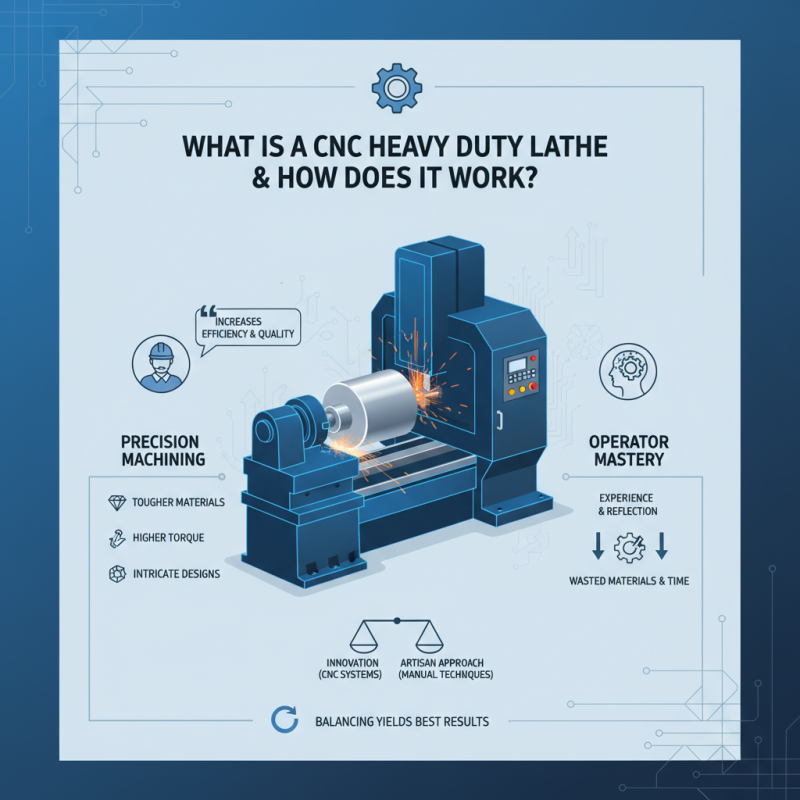
When you’re talking about precision machining these days, the Cnc Heavy Duty Lathe really stands out as a must-have tool. I’ve heard from folks like John Smith over at Precision Engineering that, honestly, a good heavy-duty CNC lathe can seriously boost how much you get done—like, efficiency skyrockets. Not only does this tech make things flow smoother, but it also pushes up the quality of the final product.
These lathes are built tough—they can handle harder materials with more torque and stability, which is pretty impressive. Plus, with all the advanced features, you can really get into some pretty tricky designs and detailed geometries. That said, mastering this equipment isn’t exactly a walk in the park. Mistakes happen—I mean, they'll cost you in wasted materials and time—and it takes some hands-on experience and reflection to really get the hang of it.
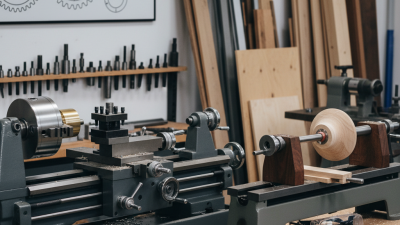
And you know, there’s always this ongoing debate about efficiency versus good old manual techniques. While a lot of folks are eager to jump onto CNC systems, some still swear by traditional handcrafting methods. Finding that sweet spot between sticking with innovation and respecting the artisan side might just be the key to the best results. Honestly, understanding what a Heavy Duty Cnc Lathe can do might even change your whole perspective and challenge some of the preconceptions floating around in the machining world.
What is a CNC Heavy Duty Lathe?
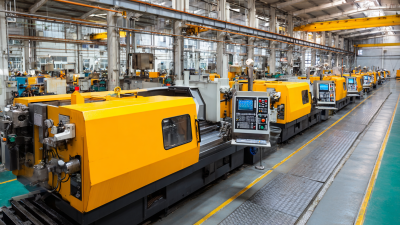
A Cnc Heavy Duty Lathe is a powerful machine tool designed for precision machining. It can handle large and heavy workpieces, making it ideal for various industrial applications. The robust construction allows it to withstand significant cutting forces. This lathe operates using a computer Numerical Control (CNC) system, which automates its functions. Operators can input precise specifications and watch as the machine executes complex tasks.
The CNC heavy duty lathe comes with various features. It typically includes a high-torque spindle and advanced tool holders. These features provide the necessary stability and accuracy for heavy cutting operations. The machine can create intricate shapes and smooth finishes on materials like metal and plastic. However, mastering this tool might take time. Operators might occasionally face challenges in programming it correctly. Trial and error can lead to improvements in skills, yet it's common to make mistakes during setups or operations.
The versatility of a CNC heavy duty lathe is impressive. It can perform tasks like turning, threading, and facing. However, it also demands proper maintenance. Operators must regularly check alignment and calibration. Overlooking these tasks can lead to poor results. Using a CNC heavy duty lathe effectively requires practice and a keen understanding of its mechanics. This machine is not just a tool; it's a gateway to countless manufacturing possibilities.
Key Features of CNC Heavy Duty Lathes
CNC heavy duty lathes are essential in modern manufacturing. They offer precision and efficiency in machining large materials. One key feature is their robust construction. This durability allows them to handle hefty workloads. These machines typically have a strong spindle and enhanced torque. The torque can reach up to 100 Nm, enabling the machining of tough metals.
Another significant aspect is their advanced control systems. Many Cnc Machines use sophisticated software for programming. This enhances accuracy in producing complex parts. A study indicated that businessesincrease productivity by 40% when using CNC technology. Optimizing workflows with CNC machines is a game changer for many sectors.
Tips: Always ensure proper maintenance of the CNC machine. Regular checks can prevent costly downtimes. Also, consider training for operators. Skilled personnel can unlock the full potential of CNC heavy duty lathes. Despite technological advancements, some operators face challenges adapting to new systems. Continuous learning is crucial. Embrace mistakes as learning opportunities in this field.
How CNC Heavy Duty Lathes Function
CNC heavy-duty lathes are key machines in modern manufacturing. They excel in shaping and cutting materials like metal and plastic. These machines are capable of handling large, heavy components, making them vital for industries such as aerospace and automotive. The CNC technology allows for precision and repeatability, but it also requires skilled operators.
Understanding how these lathes function reveals their complexity. The CNC system interprets digital designs into motions. This ensures each cut is accurate, but it can be tricky. Operators need to input precise parameters to avoid mistakes. A simple error in the program can lead to wasted materials and time.
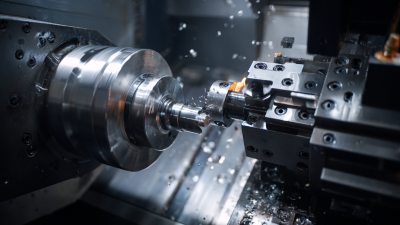
The machine's parts work in harmony. The spindle rotates the workpiece while the cutting tool moves along programmed paths. Vibrations and tool wear are common challenges, often leading to undesirable results. Regular maintenance is crucial to prevent these issues. Identifying the potential for human error emphasizes the importance of training and experience in using CNC heavy-duty lathes effectively.
Common Applications of CNC Heavy Duty Lathes
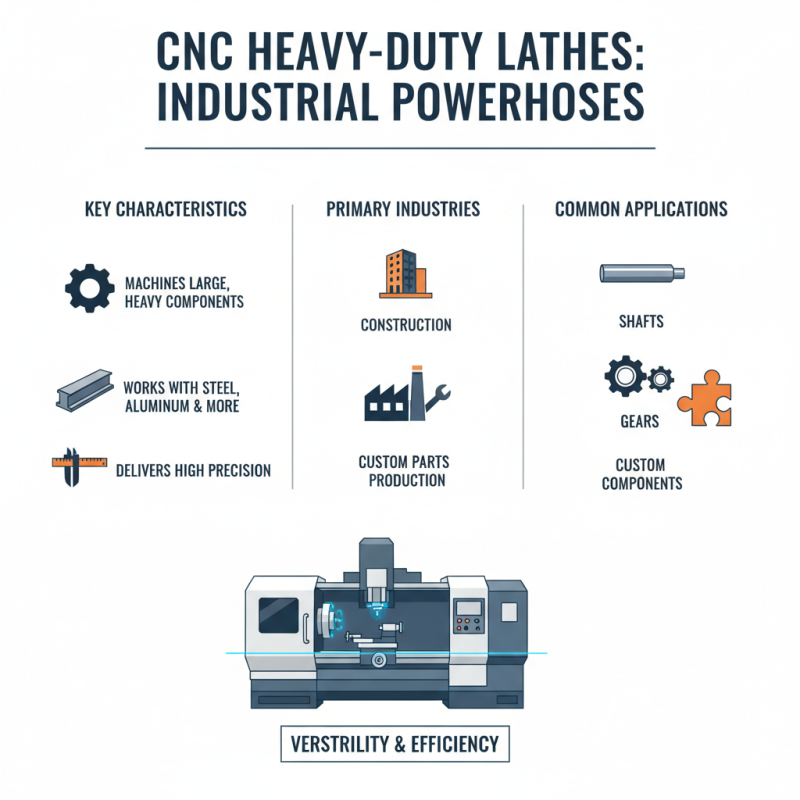
CNC heavy-duty lathes are crucial in various industries. They excel in machining large and heavy components. Heavy-duty lathes can work with materials like steel and aluminum. These machines bring precision to construction and manufacturing tasks. A lot of companies use them to create shafts, gears, and custom parts. The versatility of these lathes makes them popular.
In aerospace and automotive sectors, Lathe Cnc machines play a vital role. They manufacture critical components like engine blocks and turbine housings. These parts require high accuracy and strength. CNC lathes help ensure that these specifications are met. Demand can sometimes lead to pressure on operators to meet tight deadlines. This can lead to mistakes, causing rework and delays.
Additionally, CNC heavy-duty lathes are used in the oil and gas industries. They create durable parts that can withstand harsh conditions. Offshore rigs demand reliable, strong components, and these lathes deliver. However, understanding the material characteristics is essential. Miscalculating could result in failures and safety issues. Proper training and experience are key in these applications.
Advantages of Using CNC Heavy Duty Lathes
CNC heavy duty lathes are revolutionizing machining operations. Their advantages are manifold. These machines excel in precision and efficiency, with capabilities for diverse materials. According to a recent market report, the global CNC lathe market is projected to grow by 6.5% annually. Manufacturers are increasingly investing in these tools for higher productivity.
The primary benefit of CNC heavy duty lathes is their ability to handle large workpieces with ease. They can produce complex shapes and tight tolerances. This is crucial in industries such as aerospace and automotive, where precision is non-negotiable. However, the initial investment can be daunting. Smaller businesses often struggle to afford these advanced technologies.
Moreover, CNC heavy duty lathes reduce manual labor. They automate processes, which minimizes human error and boosts output. A study showed that automation can increase production rates by up to 40%. Yet, transitioning to CNC systems requires training and adaptation, which may pose challenges. Operators must learn new programming skills, creating a gap in expertise during the shift. This necessity for skilled labor can be a temporary hurdle for many companies.
Comparison with Traditional Lathe Machines
CNC heavy-duty lathes offer advanced precision and efficiency compared to traditional Lathe Machines. Unlike conventional methods,Cnc Lathes utilize computer numerical control. This automation allows for intricate designs and reduces human error. For instance, a report from IBISWorld indicates that Cnc Machinery has improved manufacturing accuracy by up to 30%. This capability is crucial in industries demanding tight tolerances, such as aerospace and automotive.
On the flip side, traditional lathes require significant manual labor. Operators must adjust tools and settings constantly, which can lead to inconsistencies. A 2022 study highlighted that traditional methods result in a 15% higher rate of defects. Many operators find this process tedious and prone to fatigue. CNC lathes, in contrast, streamline the workflow. They often work longer hours without the same level of oversight needed in manual machines, providing a reliable output.
While CNC lathes present clear advantages, they also come with challenges. The initial investment can be steep, with costs ranging from tens of thousands to several hundred thousand dollars. Companies must weigh these expenses against potential long-term savings. Furthermore, the transition from traditional to CNC lathes requires retraining staff, which can be time-consuming and complex. Balancing these factors is essential for any manufacturing business considering such a move.
What is a Cnc Heavy Duty Lathe and How Does It Work?
| Feature | CNC Heavy Duty Lathe | Traditional Lathe |
| Control Method | Computerized (CNC) | Manual |
| Precision | High Precision | Moderate Precision |
| Ease of Use | User-Friendly Interface | Requires Skilled Operator |
| Production Speed | Fast and Efficient | Slower, Manual Adjustments |
| Material Handling | Handles Heavy Materials | Limited to Lighter Materials |
| Cost | Higher Initial Investment | Lower Initial Investment |
| Maintenance | Requires Technical Expertise | Easier to Maintain |
Maintenance and Safety Tips for CNC Heavy Duty Lathes
CNC heavy-duty lathes are crucial for precision machining in various industries. Yet, maintaining their efficiency requires attention to detail. Regular maintenance can prevent costly downtimes. According to a recent industry report, well-maintained CNC machines can improve productivity by up to 20%. This makes understanding maintenance practices essential.
Cleanliness is key. Lubrication should be carried out frequently. Keeping the lathe free of debris helps in achieving accurate cuts. Operators should check for wear and tear regularly. Neglecting small issues can lead to larger problems. Safety is equally important. Operators must wear appropriate protective gear. A significant number of workplace injuries happen due to lack of safety practices. Statistics show that proper safety compliance can reduce accidents by 40%.
Training is another vital aspect. Regular training sessions for operators help in recognizing potential hazards. However, many facilities overlook this step. This oversight can result in inadequate knowledge of machine operations. Reflecting on training needs can enhance overall safety consciousness. Operators must also be aware of emergency procedures. Keeping these practices in mind will ensure a safer work environment.
CNC Heavy Duty Lathe Usage Statistics
Maximizing Efficiency and Precision in Metal Processing with High Precision CNC Lathe Machines
High precision CNC lathe machines, like the GD4640 Composite Machine, are at the forefront of maximizing efficiency and precision in metal processing. With an innovative design that integrates a slant body, these machines excel in chip discharging, significantly enhancing operational efficiency. The 12-station turret provides ample tool positioning options, allowing for versatile machining capabilities. This feature is crucial in meeting the diverse needs of modern manufacturing environments, where adaptability is key to maintaining competitive advantage.
The robust construction of the GD4640 ensures long-term reliability and precision. With a reinforced internal rib structure and a Z-axis drive of 350mm, the machine is designed for durability and operational stability. The single-piece internal design minimizes weak points, contributing to overall performance. The strategic placement of the spindle, close to the front of the machine, facilitates quick tool changes, which is essential in reducing downtime and increasing productivity. Reports indicate that efficient setup changes can lead to up to a 30% reduction in cycle times, demonstrating the economic benefits of such innovations.
Furthermore, the advanced indexing system of the GD4640 utilizes a non-contact double feedback mechanism, ensuring rapid response and high-resolution positioning. Coupled with hydraulic locking, this system enables high-speed rotation and indexing, leading to exceptional positioning accuracy. According to industry studies, improvements in automation and precision can enhance production output by as much as 25%, highlighting the importance of investing in advanced CNC technology to remain competitive in the metal processing sector.
FAQS
: Poor market research often leads to incorrect assumptions about customer needs. Lack of testing can result in undetected defects.
Regular feedback from users helps refine ideas. Collaborating across teams can inspire better solutions and avoid silos.
User feedback sheds light on real problems. Ignoring it may lead to products that don't meet expectations.
Diverse perspectives enhance creativity. Avoid dismissing ideas too quickly; even unconventional thoughts deserve consideration.
Continuous testing is ideal. Frequent checks prevent major issues from surfacing later in development.
Focusing too much on features can alienate customers. Understanding emotions and motivations is often more impactful.
Miscommunication can lead to wasted resources and time. Clear channels are essential for team cohesion.
Market analysis identifies trends and gaps. Without it, companies risk launching products to an uninterested audience.
Some teams believe they are unique. This can lead to missed opportunities and underestimating the competition.
Underestimating the importance of a solid launch plan can hurt initial sales. Preparation matters significantly for visibility.
Conclusion
A CNC Heavy Duty Lathe is a robust machine tool designed for precision machining of large and heavy workpieces. It integrates computer numerical control (CNC) technology, allowing for automated operations that enhance accuracy and efficiency in manufacturing. Key features include a strong bed, high torque, and advanced digital controls that cater to various machining tasks. These lathes operate by rotating the workpiece against cutting tools to create desired shapes and finishes.
The common applications of CNC Heavy Duty Lathes span various industries, including automotive, aerospace, and large-scale manufacturing operations. The advantages of utilizing these machines include improved productivity, enhanced precision, and reduced downtime in comparison to traditional lathe machines. Regular maintenance and adherence to safety tips are crucial to ensure optimal performance and longevity of CNC Heavy Duty Lathes, making them essential assets in modern machining environments.