Hey there! In today’s fast-changing world of manufacturing, the way your production runs really depends a lot on how good your Metal CNC Machines are. Did you know that, according to a recent report from Market Research Future, the Global Cnc Machine market could hit a whopping USD 100 billion by 2025? That’s mainly because more folks are looking for precision and automation these days. Here at Taizhou Luqiao Shiheng CNC Lathe Co., Ltd., we’re super proud to be leading the charge in CNC machine technology. Our R&D team, made up of some of the best engineers and industry experts out there, is always working to bring the latest tech into our machines. This guide is all about sharing practical tips and strategies to help manufacturers get the most out of their Metal CNC Machines — because, let’s face it, the more efficient you are, the more competitive you can become in today’s busy market.
Understanding CNC Machining: Key Concepts and Benefits for Efficiency
Cnc Machining really changed the game in manufacturing. It’s all about precision, speed, and flexibility. If you’re running a business, getting a good handle on how it works can seriously boost your productivity. I came across a report from Deloitte that says manufacturers using CNC machines can crank out products up to 20% faster than with older, traditional methods. That’s a pretty big time saver, which means not only do you get things done quicker, but you also cut down on labor costs. More resources, more efficiency — it's a win-win.
When you’re actually setting up CNC tech, here are a few tips I’d recommend. First off, splurge a bit on good-quality tools and materials. Turns out, about 30% of machining problems come from using crappy tools, which can really slow things down. Next, don’t forget to fine-tune your machine settings. Regularly adjusting things like feed rates and spindle speeds based on the material you’re working with can cut your cycle times by around 15%. That way, your machines are always running at their best.
And here’s the kicker — adding automation to your CNC processes can really take things up a notch. According to the National Institute of Standards and Technology, automation can boost production speed by up to 50%, plus it helps reduce errors and waste. By understanding these key points about CNC machining, manufacturers can really unlock the full potential of their equipment and make everything run more smoothly.
Essential Metrics for Measuring CNC Machine Performance and Productivity
When it comes to getting the most out of CNC machines, really understanding the key metrics is super important. Things like Overall Equipment Effectiveness (or OEE), cycle time, and scrap rate are pretty much the backbone of running things smoothly. I remember reading in a report by the Manufacturing Institute that if you can boost your OEE, you might see productivity jump by 20 to 30 percent—that’s a big deal! Keeping an eye on these numbers regularly helps companies spot what's holding things up and where they can improve. In the end, it’s all about making operations more efficient and hassle-free.
A great tip I’ve come across for ramping up CNC productivity is to try out predictive maintenance. Turns out, companies that jump on this train see their downtime cut in half—like, up to 50 percent! Using real-time data analytics to spot possible failures before they happen can save you from unexpected halts. Plus, investing in good quality tooling isn’t just about fancy upgrades; it can actually help reduce cycle times and cut down on scrap—so, more efficient machines, less waste.
Another thing to keep an eye on is the spindle utilization rate. Ideally, you want this number above 85%. Basically, it means the machine is being used effectively during its working hours. If it’s lower, maybe it’s time to revisit your tooling strategies or tweak the schedule a bit. Focusing on these kinds of metrics really helps organizations get the most out of their CNC machines, streamline production, and boost profits overall.
Best Practices for Tool Selection to Enhance CNC Efficiency
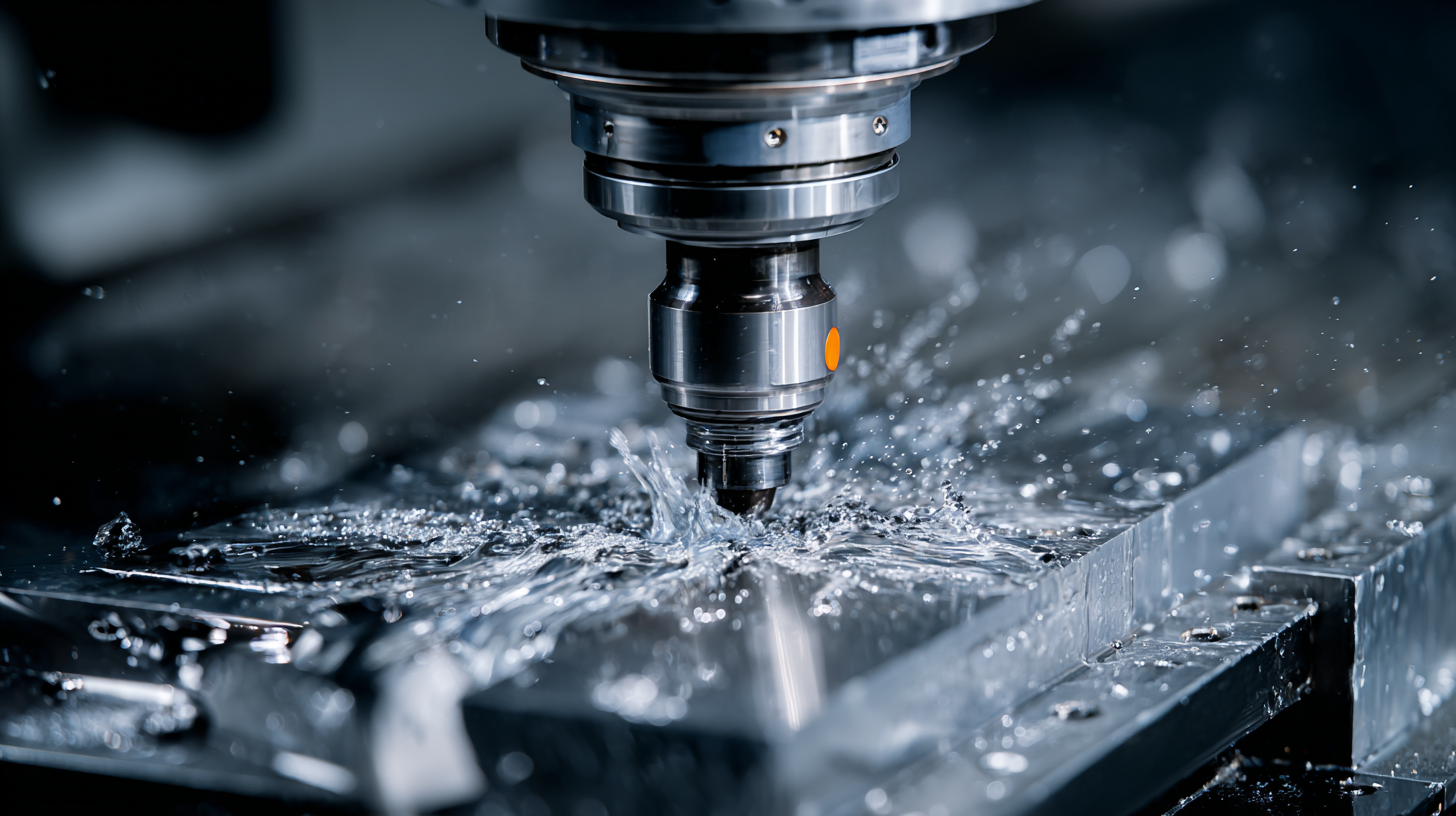 Picking the right tools really makes a big difference when it comes to CNC machining—it’s kind of the secret sauce to working smarter, not harder. When manufacturers go for tools that fit the specific materials and shapes they’re working with, it doesn't just boost precision and overall quality; it also helps cut down on downtime and saves money in the long run. Using the right tools for the job—whether it's high-speed steel, carbide, or ceramic—can seriously extend how long they last and keep things running smoothly. Each type of tool has its own perks, especially depending on what you're cutting and how tough the material is, so making the right choice is pretty crucial.
Plus, with today’s tech like AI and machine learning, things get even more interesting. These tools can actually predict when a tool might wear out or need maintenance, so you're not caught off guard with a sudden breakdown. Using data and real-time info, manufacturers can be more strategic about which tools to use and when, rather than just relying on old habits or past experiences. It’s kind of like giving your process a brain of its own—helping to make machining more efficient, while also being better for the environment. Less energy waste, less material wasted—it's all about working smarter and greener these days.
The Role of Automation in Maximizing CNC Machine Output
Automation has really changed the game for the metal CNC machining world. It's made things way more efficient and boosted overall production. I read this interesting report from the International Federation of Robotics, and it said that companies jumping on the automation bandwagon can boost their productivity by up to 30%. Pretty impressive, right? The reason? Less manual work needed, so machines can run nonstop and there’s less downtime sneaking in.
If you want to really get the most out of automation, think about adding some advanced software. Stuff that gives you real-time monitoring and data insights. With Industry 4.0 tech, you can even catch problems before they happen — so no surprise breakdowns shutting everything down. Oh, and automated tool changers? They can really speed things up, slicing down cycle times quite a bit.
A quick tip: make sure you keep your CNC software up-to-date. Newer versions often come with cool features that can boost automation. Also, don't forget to invest in proper training for your operators. When they’re comfortable with both manual and automated processes, your machines will perform better and your output improves. If you ask me, embracing these ideas could really keep your shop ahead in this fast-moving industry.
Maintenance Strategies to Prevent Downtime in CNC Operations
When it comes to CNC operations, having a solid maintenance strategy is absolutely key. It’s all about keeping downtime to a minimum and making sure everything runs smoothly. With the CNC machine market expected to hit around $170 billion by 2033—growing at nearly 10% annually—manufacturers really need to adopt smarter, more comprehensive maintenance plans if they want to stay ahead of the game. Regular, planned maintenance is the backbone of a dependable operation; it helps catch issues early before they turn into costly surprises that can mess up production.
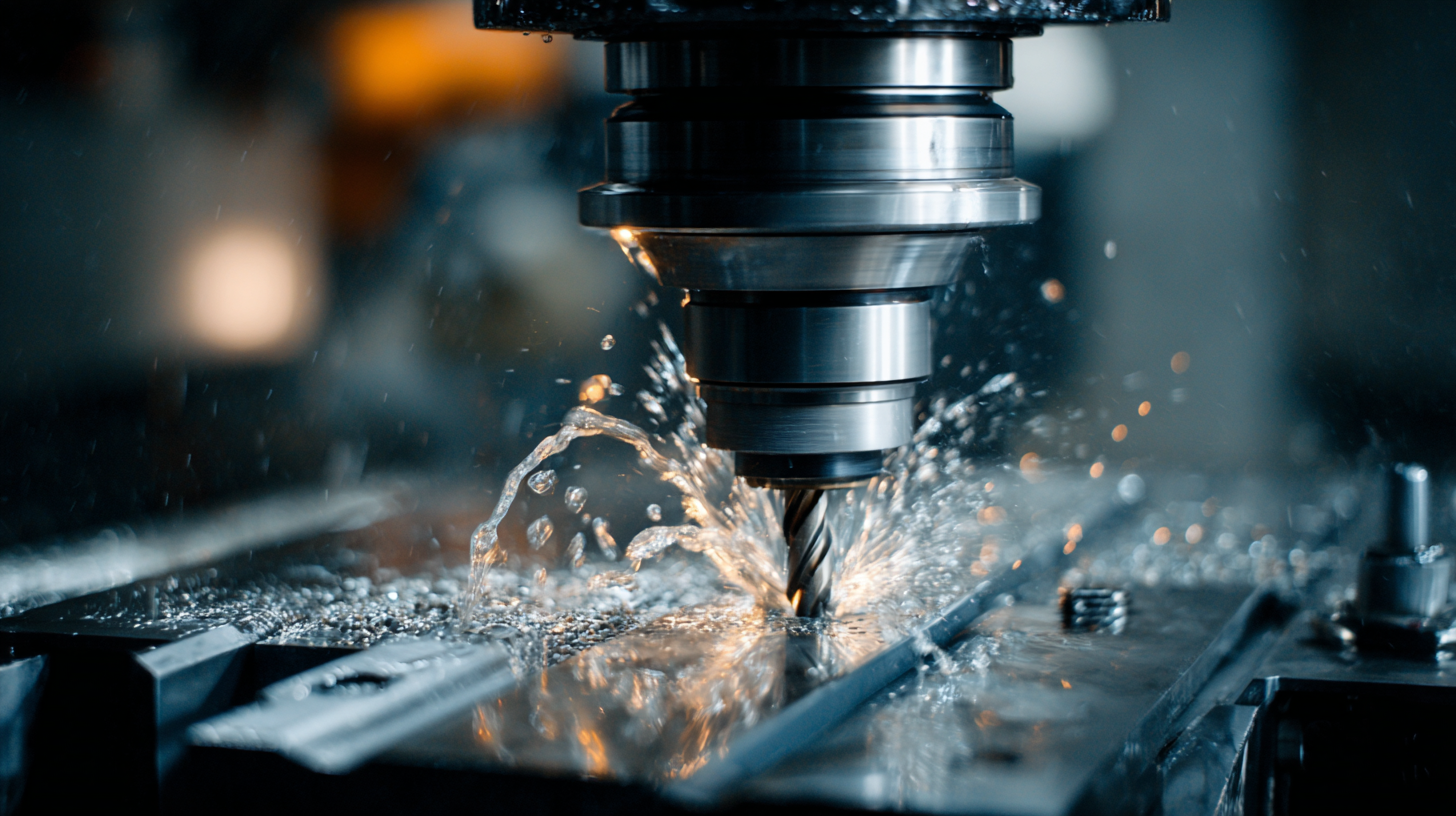
Lately, predictive maintenance—sometimes called PdM—has really picked up steam across various industries, especially manufacturing. By harnessing data analytics, companies can actually predict when a machine might fail, which means fewer unexpected breakdowns and less unplanned downtime. It’s a proactive approach that not only boosts efficiency but also helps cut costs—something every industry is after to stay competitive. And with AI making its way into modern CNC machines, we've already started to see the benefits. AI helps automate programming and makes the machining process more adaptable, ensuring maintenance is more timely and effective.
As everything becomes more digital and diagnostics get smarter, these advanced maintenance tools are only going to become more important. Real-time data on how machines are performing allows quick identification of problems, so fixes can be made fast—keeping machines running and productivity high. Bottom line: as companies put more resources into optimizing CNC operations, blending planned, reactive, and predictive maintenance strategies looks like the best way to keep things running smoothly in the long run and stay sustainable in a competitive world.
Leveraging Software Solutions for Optimizing CNC Workflows and Designs
When you're working with CNC machining, leveraging the right software can really make your workflow smoother and help you optimize your designs. Modern CAD/CAM tools make it super easy to go from drawing up your design to actually fabricating it—kind of like having everything connected in a seamless flow. Investing in solid software doesn’t just prevent mistakes; it also helps cut down on material waste and boosts your overall productivity. Trust me, it’s a game-changer.
Oh, and here’s a tip: make sure you keep your software up to date. That way, you get access to the latest features and improvements that can save you time and hassle. Also, don’t forget to explore the training resources that most software providers offer. Spend some time learning all the features—it might seem like a lot at first, but it really pays off in the long run.
Another tip is to use simulation tools. Testing your designs virtually before actually machining saves so much headache. It helps you catch potential issues early on, so you're not caught off guard during production. Plus, it makes it easier to tweak and refine your designs quickly, keeping things moving smoothly and maintaining high quality.
And if you’re working with a team, consider using cloud-based solutions. Sharing files and giving feedback in real-time makes collaboration way easier, which speeds up your project turnaround time. It’s like having everyone on the same page—all the time.
Ultimate Guide to Maximizing Efficiency with Metal CNC Machines - Leveraging Software Solutions for Optimizing CNC Workflows and Designs
| Parameter | Value |
| CNC Machine Type | Vertical Machining Center |
| Max RPM | 12,000 RPM |
| Working Area (X x Y x Z) | 1200 x 800 x 600 mm |
| Tool Changing Time | 2 seconds |
| Max Feed Rate | 30,000 mm/min |
| Software Used | CAD/CAM Software Suite |
| Setup Time | 15 minutes |
| Annual Maintenance Cost | $1,200 |
| Average Cycle Time | 45 minutes |
| Material Cost per Part | $5.00 |
FAQS
: Key performance indicators (KPIs) for CNC machine performance include Overall Equipment Effectiveness (OEE), cycle time, scrap rate, and spindle utilization rate.
Improving OEE can lead to a 20-30% increase in productivity according to a report by the Manufacturing Institute.
Predictive maintenance strategies can reduce downtime by up to 50%, helping anticipate potential failures before they disrupt production.
The ideal spindle utilization rate should be above 85%, indicating effective use of the machine during operational hours.
Choosing the right tools can improve precision and quality, minimize downtime, lower production costs, and ensure longer tool life.
Advanced technologies such as artificial intelligence and machine learning can optimize tool selection through predictive analytics for tool wear.
Matching tools to specific materials and geometries reduces wear and tear, ensuring consistent performance and efficiency in machining processes.
Real-time data analytics helps in anticipating maintenance needs and choosing tools based on current performance metrics, leading to streamlined operations.
Common materials for CNC tools include high-speed steel, carbide, and ceramic, each offering distinct advantages depending on machining requirements.
An adaptive approach based on real-time performance metrics fosters a more sustainable environment by minimizing energy use and material waste.
Conclusion
In our 'Ultimate Guide to Maximizing Efficiency with Metal CNC Machines,' we really dig into the key ideas and perks of CNC machining that help boost productivity. If you get a grip on the main metrics for measuring how well your machines are performing, you can actually make smarter decisions that lead to more output. Picking the right tools and bringing automation into the mix are game-changers—these things can really fine-tune your machine's precision and cut down on those long cycle times.
And let’s not forget about maintenance—staying on top of it is absolutely crucial to avoid those expensive downtimes. We also look into some pretty neat software options that can make your workflow smoother and your design process easier, helping you stay ahead of the competition. At Taizhou Luqiao Shiheng CNC Lathe Co., Ltd., they’re all about pushing the envelope with the latest tech to help businesses squeeze the most out of their metal CNC machines. It’s all about working smarter, not harder.