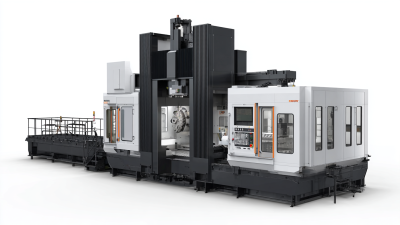
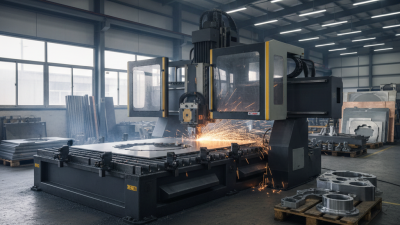
Figuring out which Multi Tool Cnc Machine is right for you can feel pretty overwhelming, honestly. There are so many options out there, each with its own set of features, and it’s easy to get a bit lost in the details. But here’s the thing: choosing the right machine can really boost your productivity, no matter what kind of projects you’re into.
When you’re shopping around, think about what you actually need. What materials will you be working with? Are you all about super high precision, or is speed the main thing? These questions can really steer your decision. Also, don’t forget to check out the reputation of the manufacturer. Companies with a solid reputation usually offer better support and resources if you run into issues.
And let’s talk about budget for a sec. A cheaper Multi Tool Cnc Machine might seem tempting—and, yeah, it can be nice to save some cash—but consider the long haul. Lower-cost machines might not be as durable or packed with the features you need, and that could end up causing more headaches (and expenses) down the line. Plus, think about how much time you’re willing to spend getting familiar with new tech. Are you ready to invest some effort into learning? Taking all these things into account will really help you make a smarter choice overall.

Understanding Multi Tool CNC Machines and Their Benefits
Multi Tool CNC machines are revolutionizing the fabrication industry. These machines consolidate multiple functions in one unit, enhancing efficiency and flexibility. According to recent industry reports, nearly 70% of manufacturers find multi-functional capabilities as a significant advantage. This versatility allows for seamless transitions between milling, drilling, and engraving tasks.
When selecting a Multi Cnc Machine, consider your specific needs. Look for machines that offer modular capabilities. Machines that can adapt to different materials and operations tend to deliver greater value. Features like user-friendly software can significantly reduce the learning curve, enhancing productivity early on. Remember, a well-rounded machine should also be reliable. Check customer reviews and ratings to gauge long-term performance.
Tips: Assess your production volume and complexity before purchase. A high-capacity machine may be unnecessary for small-scale projects. Regular maintenance is crucial; neglect can lead to costly repairs. Lastly, ensure that the machine's technology aligns with future trends in manufacturing. Being forward-focused can keep you competitive in a rapidly changing industry.
Key Factors to Consider When Choosing a Multi Tool CNC Machine
Choosing the right multi tool CNC machine is crucial for achieving precision and efficiency in your projects. Key factors include machine capabilities, material compatibility, and user requirements. Analyze the specific processes you will perform. According to a recent report from the International Federation of Robotics, multi-axis machines are gaining popularity, with 26% more manufacturers adopting them in the last year. This trend reflects the growing demand for flexibility in manufacturing settings.
Consider the machine's specifications. Multi-Axis Cnc Machinesoffer enhanced versatility over traditional options. They allow machining from multiple angles, increasing production speed and accuracy. Data from Industry Week indicates that manufacturers using multi-axis systems report a 30% decrease in production time. However, such systems require skilled operators. Training can be an added cost that impacts overall budget sustainability.
Assessing reliability is essential. Examine the machine's reputation among professionals. User feedback can provide insights into long-term performance. Furthermore, the ability to integrate with existing systems can influence your choice. Too often, companies overlook this factor, leading to compatibility issues. Investing time in researching these aspects can lead to a more informed decision and ultimately to better operational outcomes.
Types of Multi Tool CNC Machines Available on the Market
When selecting a multi-tool CNC machine, understanding the types available is crucial. These machines come in various designs, each serving specific purposes. Three common types include combination routers, milling and engraving machines, and plasma cutters. Combination routers are versatile and can handle various materials, making them ideal for small to medium projects. Milling and engraving machines focus on precision, suitable for intricate designs in wood or metal.
Tips: Identify the primary materials you’ll work with. This influences your choice of machine. For woodworking, a router may suffice. For metals, consider a plasma cutter.
Another essential type is the 3D CNC printer. These machines create three-dimensional objects from digital files. They are becoming increasingly accessible and affordable, serving hobbyists and professionals alike. You might also explore deskTop Cnc Machines that offer compact solutions for limited spaces.
Tips: Evaluate the maximum tool size and workspace. Ensure it matches your project requirements. Always check customer reviews for reliability and performance insights. These aspects help gauge a machine’s trustworthiness.
How to Choose the Best Multi Tool CNC Machine for Your Needs?
| Type of CNC Machine | Features | Ideal For | Price Range |
| Desktop CNC Router | Compact, Easy to Use, Good for Wood | Hobbyists, Small Businesses | $1,500 - $5,000 |
| Cnc Milling Machine | High Precision, Versatile, Metal Capable | Manufacturing, Prototyping | $10,000 - $100,000 |
| CNC Plasma Cutter | Fast Cutting, Metalwork, Affordable | Fabricators, Metal Shops | $2,500 - $15,000 |
| CNC Laser Cutter | Precision Cutting, Minimal Waste, Engraving | Sign Makers, Artists | $3,000 - $50,000 |
| Multi-Tool CNC Machine | Multiple Functions, Wood and Metal | Versatile Users, Workshops | $5,000 - $30,000 |
Evaluating Your Production Needs and Capacity Requirements
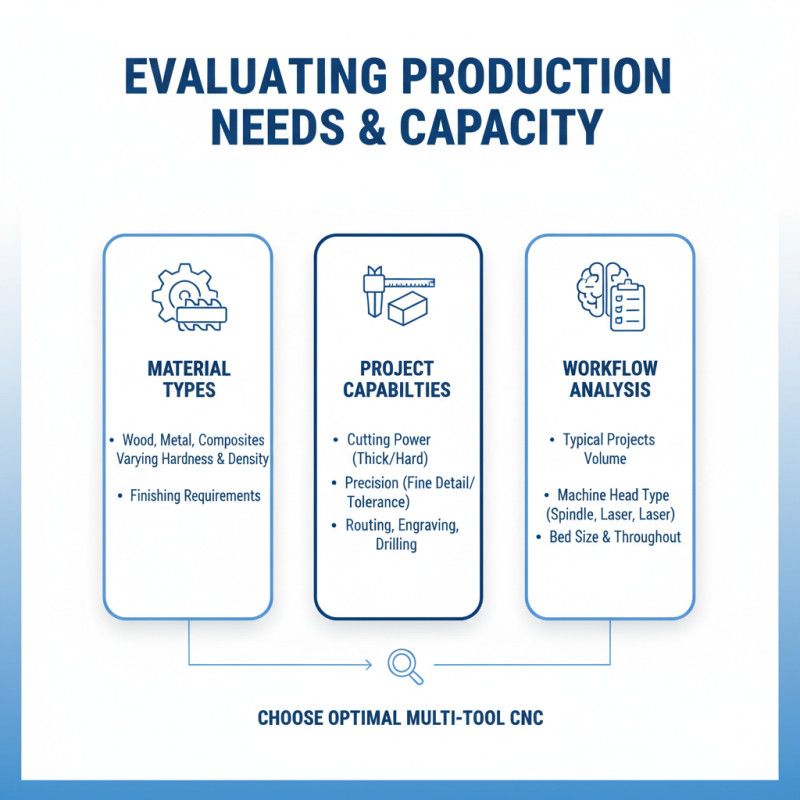
When evaluating your production needs, consider the types of materials you will work with. Different projects require different capabilities. Some materials need more cutting power, while others require precision. Analyze your typical projects and identify the key features needed in a multi-tool CNC machine. This assessment helps narrow down choices and ensures the machine fits your workflow.
Capacity is equally critical. Determine your production volume. Are you making a few pieces or mass production? A machine that works well for small batches might struggle with high-volume tasks. Conversely, a high-capacity machine may exceed your needs and budget for smaller operations. Reflect on whether your operation might scale or change in the future. This foresight will influence your decision significantly. Understanding these aspects not only improves efficiency but also tailors the machine to your specific demands.
Assessing Budget Constraints and Cost of Ownership
Choosing the right multi-tool CNC machine isn't just about features. It's crucial to assess your budget and understand the total cost of ownership. According to a recent industry report, the initial price is just one part of the equation. Operating costs, maintenance, and potential downtime play critical roles in long-term profitability.
A study found that companies can spend up to 30% of the machine's purchase price on maintenance annually. This emphasizes the need to factor in warranty services and support. A reliable machine may come with a slightly higher price tag. However, it can significantly reduce unexpected costs down the line.
Tips: Consider hidden costs like software updates and operator training. These can impact your overall spending. Evaluate financing options as many manufacturers provide tailored plans. Calculate return on investment (ROI) carefully. An informed decision today can lead to greater efficiency and savings tomorrow.
Ensuring Technical Support and Maintenance Options are Available
When selecting a Multi Purpose Cnc Machine, technical support and maintenance are crucial factors. Many users overlook these aspects, leading to costly downtime. Reports indicate that 70% of businesses experienced issues due to inadequate support. Choosing a machine with a reliable support system can save you time and money.
Ensure that the manufacturer offers comprehensive maintenance options. Routine checks can prevent significant breakdowns. According to industry data, regular maintenance extends machine lifespan by up to 30%. When assessing providers, ask about response times and available services. Fast assistance can minimize interruptions in production.
Tips: Look for reviews shared by other users. Check for any support guarantees. Consider the availability of spare parts as well. Evaluating these factors will help you find a Multi Purpose CNC Machine that meets your operational needs effectively. Organizations should not underestimate the impact of choosing a dependable partner for ongoing support. Quality machines require quality care.
Comparing Reviews and Recommendations from Other Users
When choosing a multi tool Cnc Machine Cnc, user reviews provide valuable insights. Many users highlight the importance of reliability over flashy features. Machines that consistently deliver precise cuts and withstand daily use tend to earn higher praise. Some buyers admit they underestimated machine size, leading to workspace issues—a detail often missed in product listings.
Tips: Pay close attention to feedback about machine setup. Complex installations can slow down your project and increase costs. Look for reviews mentioning customer support responsiveness; it saves headaches when problems arise.
User recommendations also stress the significance of compatibility with various tools. A multi tool CNC that easily integrates with different bits and software platforms wins in flexibility. However, some users point out that not all machines are truly versatile despite marketing claims. It’s crucial to assess if the machine meets your specific work materials and project scope.
Tips: Don’t ignore comments about maintenance frequency. Machines needing constant tune-ups can disrupt workflow. Prioritize those with clear, accessible parts and straightforward troubleshooting guides to avoid unexpected delays.
Exploring the Efficiency and Precision of VMC Machine Drilling and Milling: Insights from CNC Industry Reports on 3, 4, and 5 Axis Capabilities
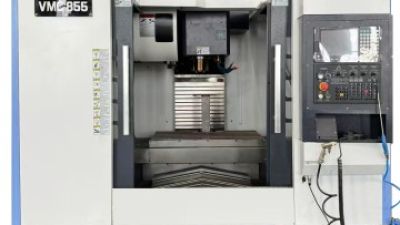
The efficiency and precision of Vertical Machining Centers (VMCs) is crucial in modern manufacturing, particularly in drilling and milling operations. A recent CNC industry report highlights the significance of utilizing advanced machine configurations, such as 3, 4, and 5-axis capabilities, to enhance production efficiency and maintain precision. The adoption of VMCs allows for intricate part geometries to be machined with high accuracy, significantly reducing the setup time and improving overall workflow. With multi-axis machines, manufacturers can achieve complex machining tasks in a single setup, which is a considerable advantage in reducing operational costs and lead times.
The VMC1160 vertical machining center exemplifies these advancements with its robust design and innovative features. Utilizing a vertical frame structure, the machine's key components—such as the bed, worktable, and spindle head—are crafted from high-strength cast iron, a choice supported by industry studies indicating that materials with superior mechanical properties enhance vibration damping and stability during machining. The implementation of double stress-relief aging treatment further refines structural rigidity, minimizing deformation and ensuring high-precision machining. Simulations conducted with tools like Pro/E and Ansys confirm that optimized geometries contribute to significantly enhanced performance across various milling and drilling tasks.
Industry reports underscore the importance of machine stability and precision, pointing to statistical data showing that VMCs with suitable design and materials can reduce cutting tool wear by up to 40%. The integration of sophisticated CNC technology not only elevates the quality of manufactured components but also aligns with the growing demand for precision in industries such as aerospace and automotive. With the evolution of VMC technology, manufacturers are better equipped to respond to complex demands, pushing the boundaries of what can be achieved in machining excellence.
FAQS
: Multi-tool CNC machines consolidate various functions, enhancing efficiency. They can mill, drill, and engrave seamlessly.
Consider your specific needs and check for modular capabilities. User-friendly software is also important for productivity.
Regular maintenance prevents costly repairs. Neglecting it can lead to significant long-term expenses and downtime.
Evaluate initial price, maintenance costs, and potential downtime. All these affect long-term profitability.
They offer increased versatility and machining from multiple angles. This speeds up production and enhances accuracy.
Costs like software updates and training can impact spending. Always factor them into your overall budget considerations.
User feedback offers insights into the machine's long-term reliability. It can influence your purchasing decision significantly.
Assess the complexity and scale of your projects. A high-capacity machine may not be needed for smaller tasks.
Yes, skilled operators are essential for these machines. Training costs should be factored into your overall budget.
Choosing a machine aligned with future trends keeps you competitive. Staying updated on industry advancements matters.
Conclusion
Selecting the right Multi Tool CNC Machine is crucial for optimizing production efficiency and meeting the specific needs of your projects. Understanding the benefits of these machines can help in identifying which features are most essential for your operations. When choosing a multi tool CNC machine, consider key factors such as production capacity, technical support availability, and budget constraints, as these elements significantly impact overall ownership costs and operational effectiveness.
Moreover, it is essential to assess the various types of Multi Tool CNC Machines available on the market, ensuring they align with your production requirements. Evaluating user reviews and recommendations can provide valuable insights into reliability and performance, aiding in making an informed decision. By carefully considering these aspects, you can select a Multi Tool CNC Machine that enhances productivity and fits your business objectives.