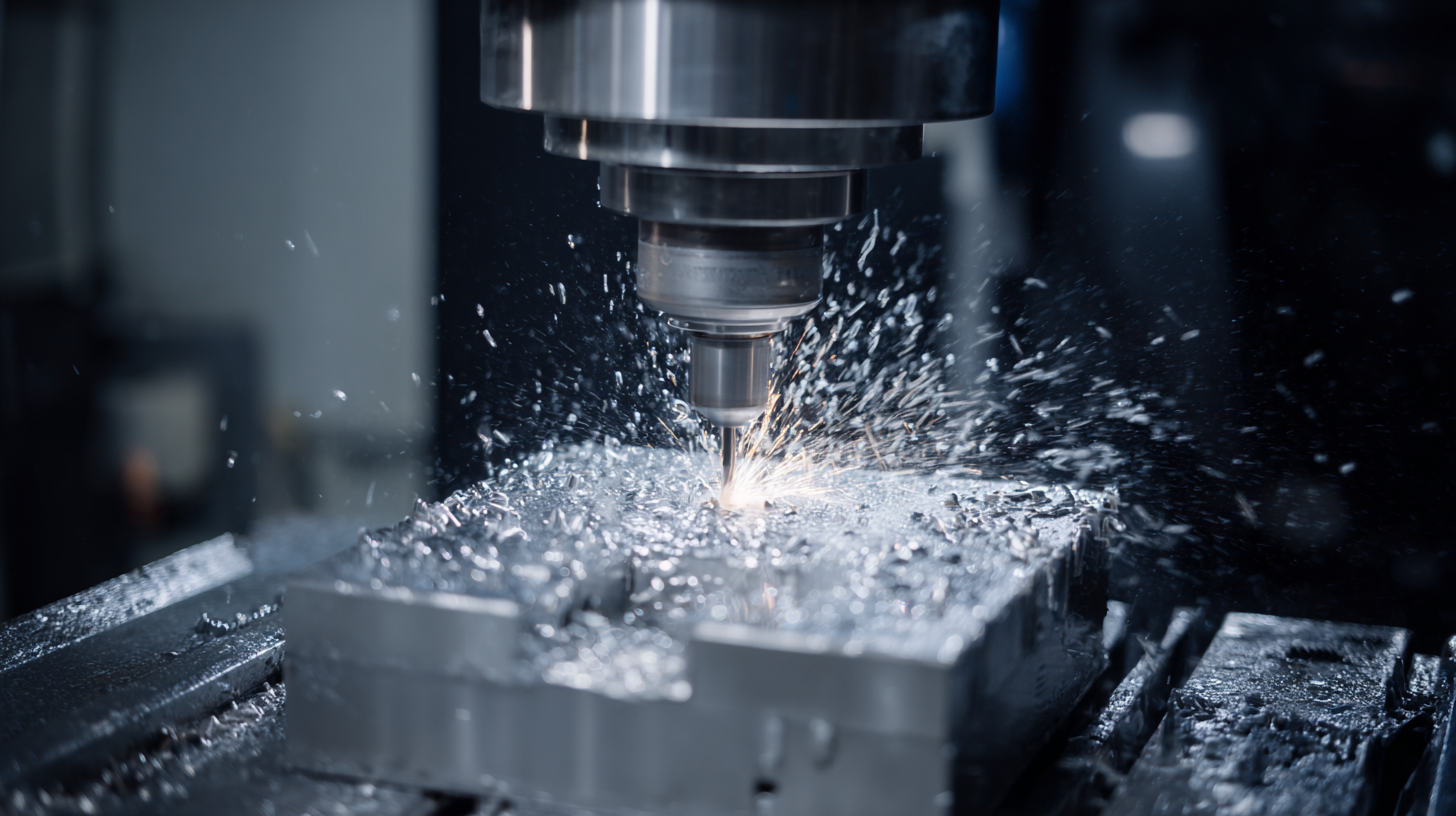
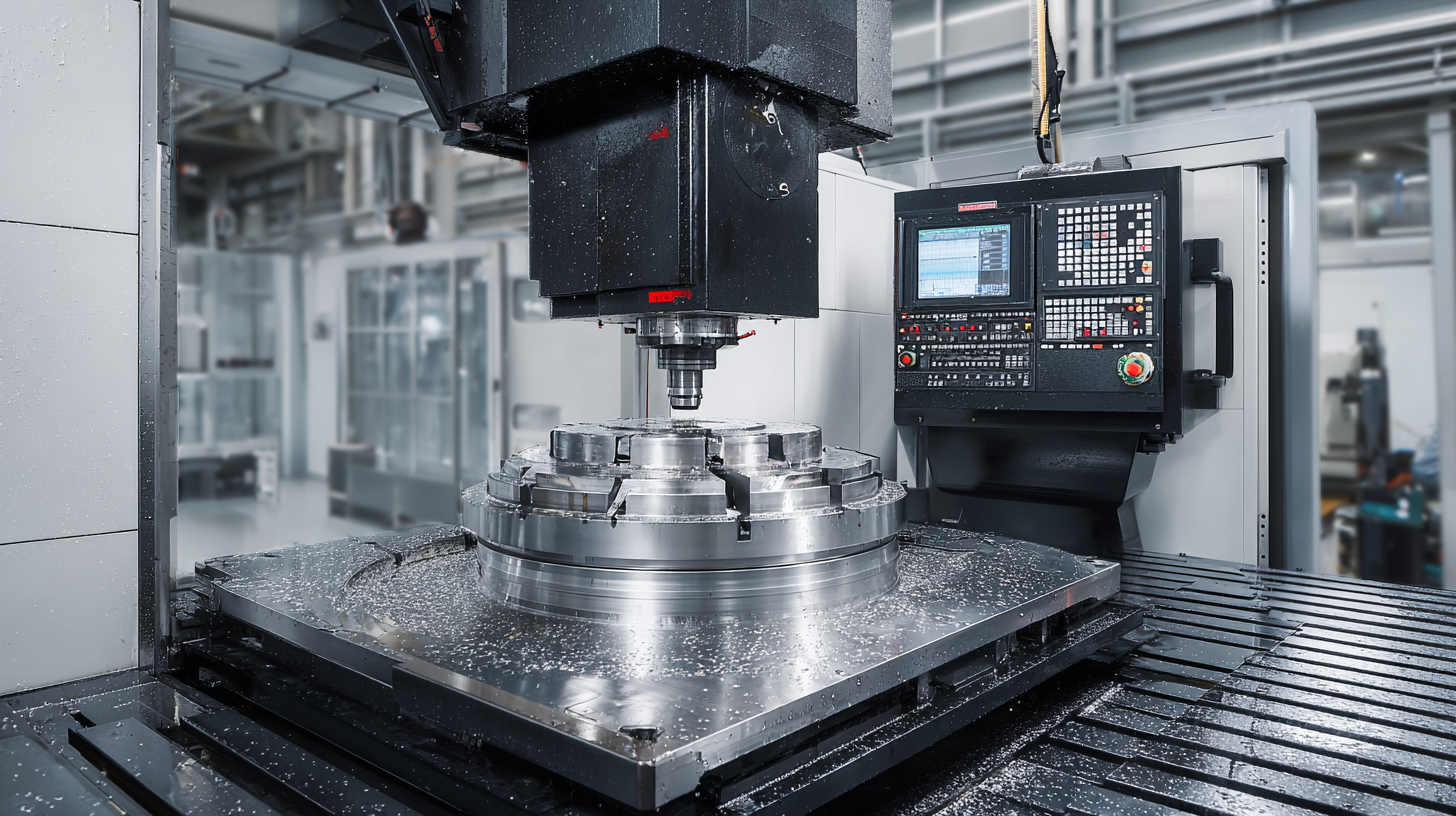
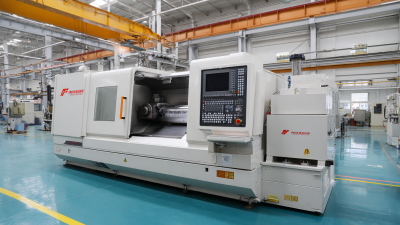
In today’s competitive world of manufacturing, using Multitasking Cnc Machines is really turning out to be a game-changer when it comes to boosting production efficiency. From what I’ve seen and heard, companies that are adopting this kind of advanced machinery are seeing pretty impressive results — like cutting cycle times by up to 30% and bumping up overall productivity by around 20%.
Taizhou Luqiao Shiheng Cnc Lathe Co., Ltd. is actually leading the charge here, pushing the envelope by investing heavily in new tech through their dedicated R&D team made up of some of the top engineers and industry experts around. By making the most of theseMultitasking CNC Machines, manufacturers are able to simplify their operations, cut down on setup times, and get much more precise in their production — all of which adds up to saving a good chunk of money and becoming more competitive.
As everything in the industry keeps changing so fast, jumping on these new technologies isn’t just a smart move — it’s pretty much essential if you want to stay ahead and grow steadily.
Benefits of Integrating Multitasking CNC Machines in Manufacturing Processes
These days, the manufacturing world is changing pretty fast. One of the coolest upgrades has been the rise of multitasking CNC machines, which really help boost production efficiency. Adding these smart machines into your workflow isn’t just about speed — it also improves the quality of what you produce. Since they can do multiple jobs in one go, they cut down on handling time and reduce mistakes, which means saving money and getting products out the door quicker.
To really get the most out of these machines, it’s a good idea to invest in proper training for your team. Once operators know all the tricks and features, they can unlock a lot of hidden efficiencies. And don’t forget to keep your machine’s software and hardware up to date — the latest tech advancements in CNC can make a noticeable difference. It’s also worth taking a step back every now and then, looking over your production process, and figuring out where multitasking machines could help even more.
Plus, don’t overlook your CAD/CAM software. Making sure you’re using its advanced features can simplify things a ton, helping you go smoothly from design all the way to manufacturing. If you follow these tips, you’ll stay competitive and be ready to meet the growing demands of the market without breaking a sweat.
Key Performance Metrics: Measuring Production Efficiency with CNC Technology
If you want to really boost your factory's productivity, understanding your key performance metrics when working with multitasking CNC machines is a must. These numbers help you keep an eye on how things are running and spot where improvements are needed. Things like overall equipment effectiveness (OEE), cycle time, and yield rates are all pretty important—they give you a clear picture of how efficiently your machines are working and how well they’re being utilized.
To get better results, it’s a good idea to set up regular maintenance schedules. That way, downtime is kept to a minimum, and your machines stay running at their best. Also, make sure your operators are well-trained on all the multitasking features—after all, their skills have a big impact on how well the machines perform. Keeping an eye on real-time data can also be a game-changer—making it easier to tweak workflows or shift resources as needed.
And here’s a tip: set some benchmark standards based on past performance data. Comparing current numbers to these benchmarks can help you spot trends early on and make proactive adjustments. By putting these strategies into play, your factory can really take full advantage of CNC tech, leading to better output and, hopefully, more profit. It's all about staying ahead and fine-tuning things as you go.
Key Performance Metrics: Measuring Production Efficiency with CNC Technology
| Metric | Value | Unit | Description |
| Overall Equipment Effectiveness (OEE) | 85 | % | Measure of manufacturing efficiency |
| Cycle Time | 12 | minutes | Time to complete one cycle of production |
| Scrap Rate | 3 | % | Percentage of output that is scrap |
| Machine Utilization | 90 | % | Percentage of time machines are in operation |
| First Pass Yield (FPY) | 95 | % | Percentage of products manufactured correctly on the first attempt |
Cost Savings Analysis: How Multitasking CNC Machines Reduce Production Expenses
When it comes to boosting production efficiency, multitasking CNC machines are really turning heads lately. I recently came across a report from the International Federation of Robotics that pointed out how adopting advanced automation—like these multi-purpose CNC machines—can bump up productivity by as much as 30%. These machines are pretty impressive; they can handle milling, turning, and drilling all in one go, which simplifies the whole production process and cuts down on cycle times significantly. It’s like having several machines in one, saving you a lot of hassle.
And here’s the interesting part—according to a cost analysis by the Association for Manufacturing Technology, companies that jump on the multitasking CNC bandwagon could slash their overall production costs by up to 40%. That’s mainly because they need fewer workers to manage multiple machines, plus they save on tooling and setup costs. Plus, these machines are super precise, meaning less material waste, which is a big plus given everyone’s push toward more sustainable practices. As manufacturers aim to make their operations leaner and more efficient, investing in these multitasking CNC machines seems like a smart move for boosting profits and streamlining things overall.
Case Studies: Successful Implementation of Multitasking CNC Solutions in Factories
Multitasking CNC machines are truly a game-changer in manufacturing these days. They give factories the chance to boost their efficiency by handling several machining tasks all in one go—talk about streamlining things! If you look at different industries, you'll see stories of how companies have slashed their lead times and ramped up their production since jumping on the multitasking bandwagon. For example, one top auto parts manufacturer saw their production time drop by about 30% after they started using these machines. It’s pretty clear they can really help smooth out operations.
But here’s the thing: to get the most out of multitasking CNC tech, you need to invest in proper training and optimize your workflow. My tip? Make sure your operators are getting regular training sessions—familiarity with the machines’ full capabilities is key. Also, take a good look at your current processes. Spot the places where you can tighten things up—cut down on unnecessary stops and make sure you’re using the machines as effectively as possible. Industry reports often suggest these machines can boost productivity by up to 50%, so leaning into these improvements really pays off.
Oh, and don’t forget about quality control. It’s super important, especially when speeds and complexity increase. My advice? Set up real-time monitoring systems that give instant feedback on the machining process. That way, you can make quick adjustments on the fly and keep your quality standards high. Follow these tips, and you’ll be well on your way to unlocking the full potential of multitasking CNC machines, leading to some serious gains in overall production efficiency.
Error Reduction Strategies: Enhancing Quality Control Through Advanced CNC Capabilities
So, in the world of manufacturing these days, quality control is really starting to rely more heavily on advanced CNC tech. Not only does it bump up precision, but it also helps cut down on mistakes pretty significantly. Companies are now mixing in cool digital twin technology — basically, creating a super accurate virtual version of their physical equipment. This way, they can spot discrepancies early on, which honestly reduces errors during production by up to 25%, based on what I’ve read. It’s a game-changer, because it turns quality assurance into more of a proactive thing—real-time monitoring and quick tweaks mean fewer problems down the line.
And get this — AIis making its way into Cnc Machining too, and the results are pretty impressive. Manufacturers who are jumping on the AI bandwagon are seeing about a30% boost in efficiency and better accuracy overall. By using predictive analytics and smart algorithms, they can catch potential issues before things go totally off the rails. This combo of high-tech CNC and AI isn’t just fixing current problems — it’s setting up factories to be smarter, more efficient, and more precise in the future of manufacturing. Pretty exciting stuff, right?
Future Trends: The Evolution of Multitasking CNC Machines in the Manufacturing Industry
The manufacturing industry is really going through some rapid changes these days, especially with multitasking CNC machines getting more sophisticated to keep up with what’s needed. If you’ve seen the latest reports from MarketsandMarkets, they’re saying this market could hit a whopping $100 billion by 2026, growing at around 6.2% each year. A big reason for this boom? It’s all about those multitasking capabilities. Now, manufacturers can do a bunch of things—like turning, milling, drilling, and more—all on just one machine. That’s a huge deal because it cuts down setup times and makes everything run more smoothly and efficiently. It’s like having several machines in one, which is pretty awesome.
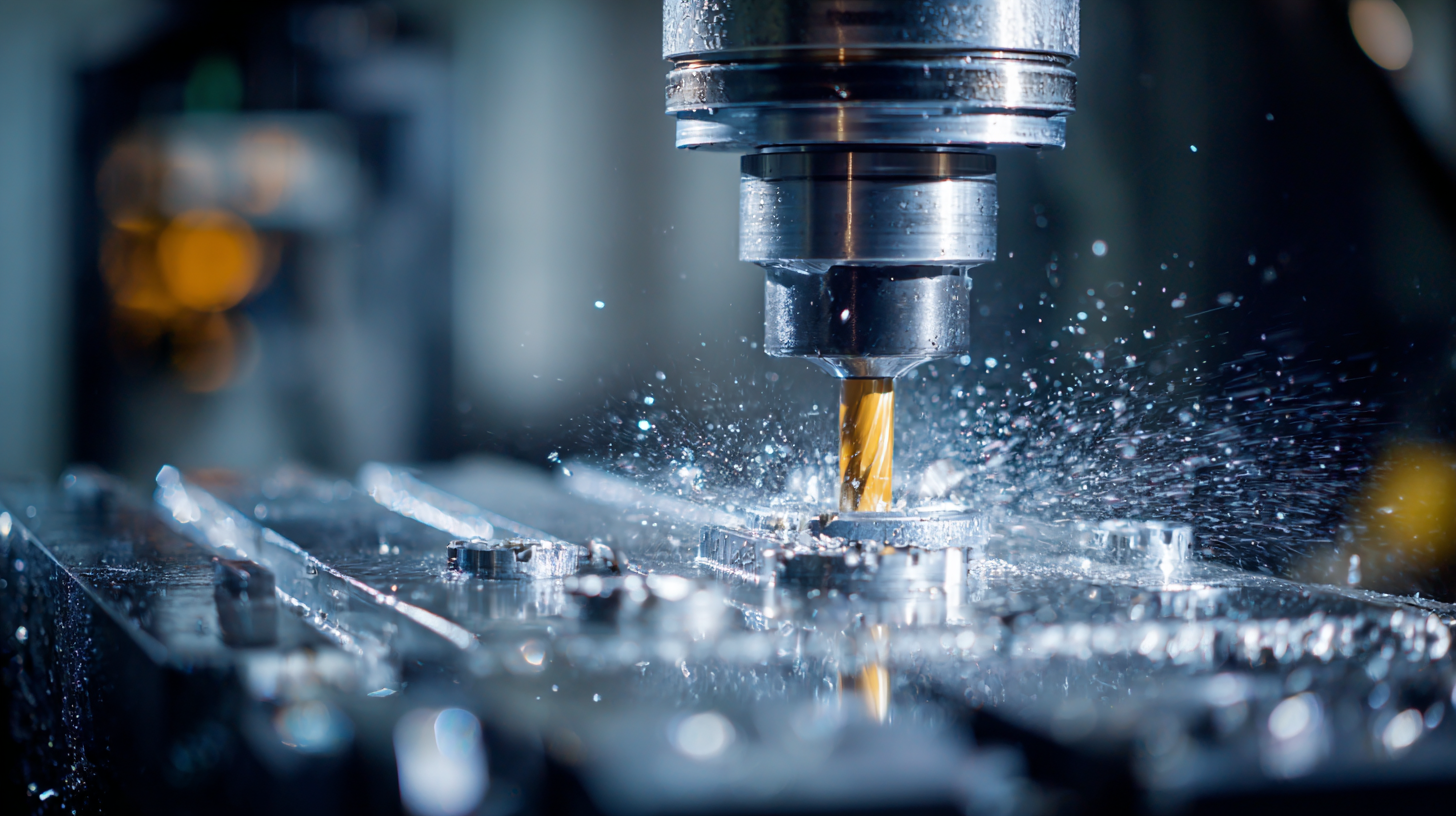
And get this, a recent survey by the Association for Manufacturing Technology found that about 72% of manufacturers have already jumped on the multitasking CNC train, mainly to keep up with shorter production cycles and the need for more flexibility. These machines do more than just speed things up—they help make work more precise and waste less material, which is great for sustainability and all that eco-friendly talk. As factories start bringing in smart tech like IoT and AI, these multitasking machines are only going to become more important. They’re paving the way for factories that can adapt on the fly to changing market demands—super exciting stuff, honestly.
FAQS
: Multitasking CNC machines are advanced manufacturing technologies that combine multiple machining processes—such as turning, milling, and drilling—into a single setup to enhance production efficiency.
Implementing multitasking CNC machines can significantly reduce production times; for example, one automotive parts manufacturer achieved a 30% reduction in production time after integration.
Regular training sessions are essential for operators to ensure they understand and can utilize the full capabilities of multitasking CNC machines effectively.
Factories should analyze their current workflows to identify areas for consolidation, minimizing transitions and maximizing machine usage for improved efficiency.
Quality control is crucial; implementing real-time monitoring systems provides immediate feedback on machining processes, allowing for quick adjustments and maintaining high product quality despite increased speed.
Digital twin technology creates accurate virtual replicas of physical assets, which can reduce error rates by up to 25% during production by minimizing discrepancies.
AI integration in CNC machining has been reported to increase production efficiency by 30% while enhancing accuracy, helping identify potential issues before they escalate.
The multitasking CNC machine market is expected to grow significantly, with innovations allowing more operations to be performed on single machines, which will reduce setup times and increase operational efficiency.
According to a survey, 72% of manufacturers have adopted multitasking CNC machines to address the need for shorter production cycles and greater flexibility.
By streamlining workflows and enhancing precision while reducing waste, multitasking CNC machines support sustainable manufacturing practices, contributing to more efficient use of resources.
Conclusion
In today’s pretty competitive world of manufacturing, adding in multitasking CNC machines can really give your production a boost. These high-tech machines are built to do multiple tasks at once, which helps speed things up and makes everything run smoother. You know, by cutting down on cycle times and cranking up productivity, they’re a real game-changer. To figure out just how well this works, manufacturers often look at key performance metrics—kind of like how athletes track their stats—to see where they’re improving and make smarter, data-backed decisions.
On top of that, these multitasking CNC machines don’t just save you time—they save you money too. They help cut down on production costs and even lower the chances of mistakes, which means better quality overall. There are quite a few real-world examples out there showing how these machines have made a big difference in different factories, really boosting how efficiently things run. Looking ahead, Taizhou Luqiao Shiheng CNC Lathe Co., Ltd. keeps pushing the envelope with new CNC tech, and we’re excited to see what the future holds for multitasking machines in manufacturing. We’re all about exploring new trends and staying ahead of the game!”