When it comes to precision machining, the Twin Spindle Lathe really stands out as a game-changer. Manufacturers around the globe see it as a way to boost productivity and make operations smoother. Basically, this type of lathe lets you work on multiple parts at the same time, cutting down on cycle times like crazy. Big names like Haas Automation and DMG Mori are leading the charge with their innovative designs, making it even more impressive.
That being said, choosing the right Twin Spindle Lathe for 2026 isn’t just about picking any fancy machine. You gotta look at the nitty-gritty stuff—things like spindle speed and tooling options can seriously impact your results. Not every machine out there will perform perfectly; some might require constant tweaks or might not be as reliable as you'd hope.
Thanks to tech advancements, Twin Spindle Lathes are only getting better and more exciting. But yeah, challenges still pop up here and there. It’s really about weighing your options carefully and maybe even chatting with the experts. The goal is to make things efficient while still hitting those high standards. Finding the perfect lathe isn’t a walk in the park, and it takes some careful thought and ongoing tuning to get it just right.
Overview of Twin Spindle Lathes and Their Importance in Production
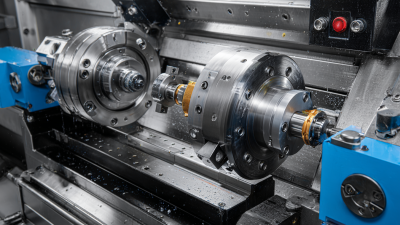
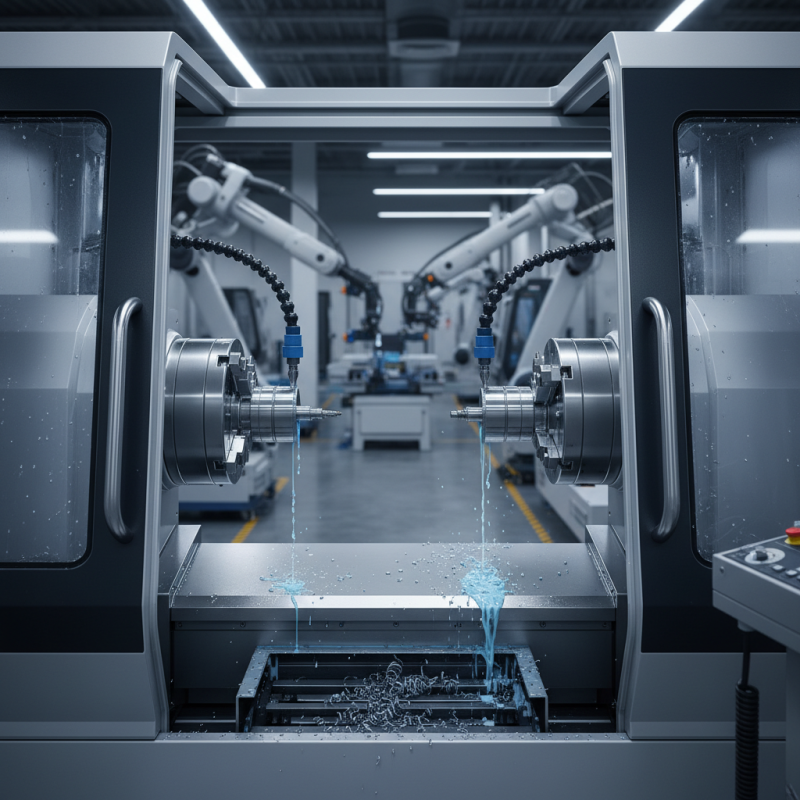
Twin spindle lathes play a significant role in modern manufacturing. Their unique design allows for simultaneous machining of two components, greatly enhancing production efficiency. This dual approach reduces cycle times and increases output, making them popular in various industries. Businesses can meet tighter deadlines and respond better to market demands with these machines.
It's crucial to understand the operational aspects of twin spindle lathes. Each spindle can be programmed independently, allowing for more complex parts to be produced in a single setup. This capability reduces setup times and improves precision. However, operators must be well-trained to maximize the equipment's potential. Mismanagement can lead to costly errors and wasted materials.
Tips for better performance include regularly maintaining the machine. Clean the spindles and check alignments frequently. When programming, double-check settings to avoid errors. Moreover, always keep an eye on the tools being used. Worn tools can compromise part quality. Lastly, engage your operators in continuous training to keep their skills sharp and adaptable to evolving technologies.
Key Features to Consider in Selecting a Twin Spindle Lathe
When selecting a twin spindle lathe, it is important to focus on several key features. Speed and precision are at the top of the list. A lathe with higher RPM can enhance productivity. Faster work cycles can lead to increased output. Precision machining reduces errors during production. This can save both time and resources.
Tooling options also play a vital role. The ability to change tooling quickly is advantageous. It allows for flexibility when handling different materials. Additionally, consider the machine’s overall build quality. A robust frame can minimize vibrations. This leads to better accuracy and longevity. Sometimes, it’s easy to overlook the importance of tool accessibility.
Another aspect to reflect on is automation capability. Machines with automatic loading and unloading can improve efficiency. However, initial investment cost can be high. Some manufacturers may not provide adequate support, which can be frustrating. Research is essential. Checking user reviews can provide valuable insights. Understanding potential drawbacks is crucial before making a decision.
Top Brands and Models of Twin Spindle Lathes for 2026
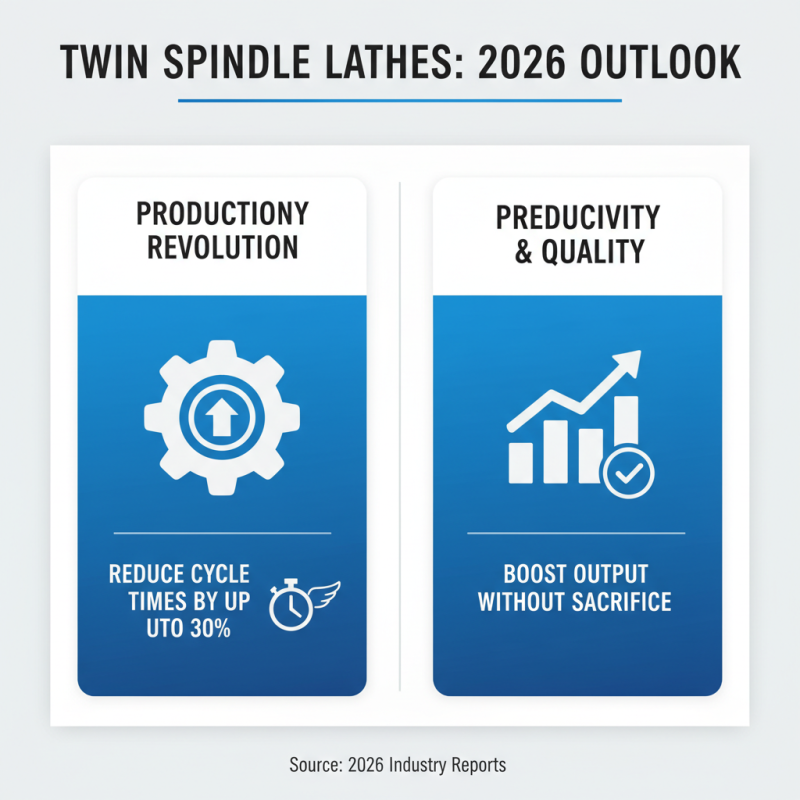
In 2026, twin spindle lathes are set to revolutionize production efficiency. Industry reports indicate that these machines can reduce cycle times by up to 30%. This significant decrease directly impacts productivity, allowing manufacturers to increase output without sacrificing quality.
Top models on the market are characterized by user-friendly interfaces and advanced automation features. However, not all brands deliver reliability. Data from a recent market study suggested that nearly 15% of users experienced downtime due to maintenance issues. Such realizations emphasize the importance of selecting a brand known for robust engineering and support.
Additionally, the learning curve for new operators can be steep. Avoiding models with complex programming is crucial. Clear, concise manuals and training support can enhance operator proficiency quickly. Many firms overlook this aspect, yet it's vital for maximizing the benefits of twin spindle lathes. Ultimately, the right combination of features and support can lead to superior production outcomes.
Comparative Analysis of Performance: Key Metrics to Evaluate
When evaluating the best Twin Spindle Cnc Lathe for efficient production, key metrics hold significant importance. Performance metrics like spindle speed, tooling capacity, and cycle times are crucial. Recent industry reports indicate that optimal spindle speed can exceed 6000 RPM for precision manufacturing. This allows for enhanced material removal rates, ultimately increasing productivity levels.
Another aspect to consider is the tooling capacity. A Twin Spindle Cnc Lathe can support diverse tooling setups, but not all machines excel. Surveys suggest that machines with multi-tool capability offer25% better efficiency in complex operations. However, operators often face challenges in maximizing this potential without proper training.
Cycle time analysis is vital. The industry's benchmark suggests an average reduction of 30% when using a twin spindle lathe for repetitive tasks. Yet, this requires ongoing monitoring to avoid errors. Regular assessments help ensure that the lathe maintains its efficiency over time. In conclusion, understanding these performance metrics helps manufacturers choose the right twin spindle CNC lathe for their production needs.
User Reviews and Industry Feedback on Leading Twin Spindle Lathes
When evaluating the best twin spindle lathe for efficient production, user reviews and industry feedback are invaluable resources. Companies are increasingly turning to Dual Spindle Lathes to enhance their operational efficiency. According to a recent industry report, over 70% of manufacturers reported a reduction in cycle times after integrating these machines. Users emphasize the importance of precision and reliability in their feedback, indicating that even minor errors can lead to significant production delays.
In practical applications, operators noted improved flexibility in handling different tasks on a single machine. For instance, users highlighted how the ability to run two operations simultaneously saves valuable time. However, some reviews pointed out challenges with setup complexity. This raises questions about whether training programs are adequate for all users. The learning curve can affect the overall productivity of the workforce. Continuous investment in training is essential to mitigate these issues.
Furthermore, feedback revealed maintenance concerns that manufacturers need to address. Regular maintenance is crucial for maximizing the lifespan of a Dual Spindle Lathe. Users mentioned the need for better support in troubleshooting hardware issues. Without proper guidance, downtime can be a significant setback. Industry analysts suggest that manufacturers should prioritize simplifying maintenance processes to improve user satisfaction.
2026 Best Twin Spindle Lathe Efficiency Ratings
Future Trends in Twin Spindle Lathe Technology and Innovation
The evolution of twin spindle lathe technology is shaping the future of manufacturing. Twin spindle lathes allow for simultaneous operations, significantly improving efficiency. These machines can reduce cycle time while enhancing precision in production. As industries demand higher output, innovations in Spindle Cnc Machines provide a way to meet these challenges.
One notable trend involves automation integration. Advanced robotics are increasingly used alongside twin spindle lathes, allowing for simultaneous loading and unloading. This reduces manual labor and increases production speed. However, not all facilities can seamlessly adopt these technologies. There is a learning curve associated with operating automated systems. Companies may face challenges in training staff and ensuring consistency.
Data-driven manufacturing is another significant trend. The use of sensorsand IoT technologies in spindle Cnc Machines enablesreal-time monitoring. This provides valuable insights into operational efficiency. Yet, businesses need to adapt their workflows to fully leverage these advancements. Balancing cutting-edge technology with traditional methods can be complex. Being aware of these dynamics can guide manufacturers in their strategic decisions.
Maintenance Tips for Optimal Performance of Twin Spindle Lathes
Proper maintenance of twin spindle lathes is essential for efficient production. Regularly check the lubrication levels in your Cnc Double Spindle Machine. Insufficient lubrication can lead to increased friction and wear. It's crucial to replace the lubricant based on the manufacturer's recommendations.
Inspect the spindle bearings for wear and tear. Over time, these components may degrade, which can hinder performance. Tighten any loose parts promptly. If you notice unusual noises or vibrations, address them immediately. These could be signs of deeper issues that need attention.
It's important to clean the machine regularly. Dust and debris can build up and affect precision. Utilize industrial vacuums or compressed air. Create a cleaning schedule that fits your production cycle. Training your team on maintenance best practices can boost overall efficiency. This helps prevent breakdowns and costly repairs down the line. Regular audits of your maintenance procedures can bring insights for further improvements.
Innovative Advancements in 5 Axis Lathe and CNC Milling Machines for Precision Engineering
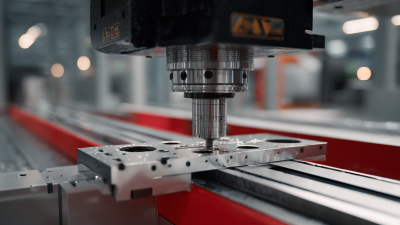
The advancement of technology in precision engineering has led to the development of innovative 5-axis lathes and CNC milling machines. These machines are crucial for industries that require high levels of accuracy and efficiency. One standout example of such progression is the 5-axis CNC lathe, which offers a comprehensive array of features designed to enhance performance and user safety. The inclusion of a full containment shield serves not only to protect operators but also to ensure the stability of the machine during operation, mitigating safety concerns that often accompany high-precision engineering processes.
At the heart of this cutting-edge lathe is a high-speed electric spindle, engineered to deliver exceptional speed and minimal vibration. This design enhances both the precision and overall efficiency of the machine, making it an ideal choice for complex manufacturing tasks. Coupled with high-end ball screw rods guiding the X, Y, and Z axes, users experience improved dynamic characteristics and accuracy. This innovative synergy of components allows for seamless operations, catering to the demanding needs of modern engineering projects. The developments in 5-axis lathes and CNC milling machines underscore a significant shift towards automation and precision, propelling the industry into a future of enhanced capabilities.
FAQS
: Twin spindle lathes can reduce cycle times by up to 30%, boosting productivity significantly.
Brand reliability is crucial as 15% of users report downtime due to maintenance issues.
New operators should avoid models with complex programming to ease their learning process.
Clear manuals and comprehensive training enhance operator proficiency, maximizing the benefits of the lathe.
Automation integration is a major trend, improving production speed and reducing manual labor needs.
Yes, there is a learning curve for staff, making training essential for smooth implementation.
It allows for real-time monitoring and insights, improving operational efficiency and decision-making.
No, balancing advanced technologies with traditional methods can be complex and challenging.
These machines enhance precision while increasing output, which can improve overall production quality.
They must consider both the complexity of the new tech and the readiness of their workforce.
Conclusion
The article titled "2026 Best Twin Spindle Lathe for Efficient Production" delves into the critical role of twin spindle lathes in modern manufacturing processes. It highlights their importance in enhancing production efficiency by allowing simultaneous machining operations, thus minimizing cycle times. Key features to consider when selecting a twin spindle lathe include rigidity, tool capacity, and automation options.
A comparative analysis of performance metrics provides insights into how different models stand out in terms of speed, accuracy, and operational versatility. User reviews and industry feedback are essential in guiding potential buyers towards the most reliable options available. Additionally, the article discusses emerging trends and technological innovations that promise to shape the future of twin spindle lathes. To maintain optimal performance, it also offers practical maintenance tips that ensure longevity and productivity in production settings.