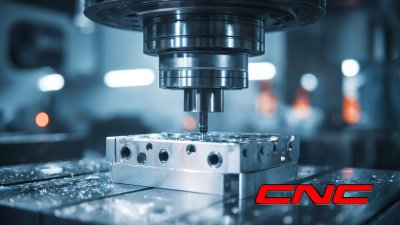
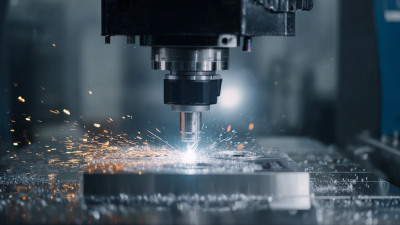
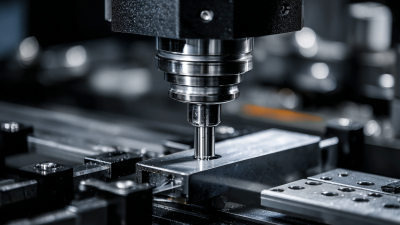
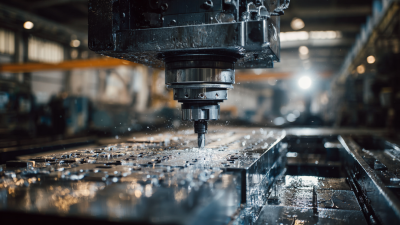
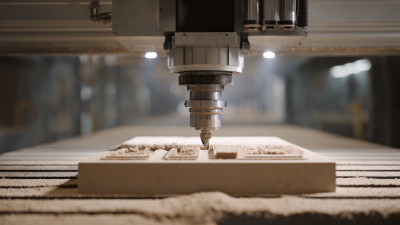
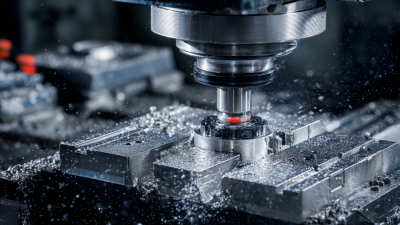
When it comes to precision engineering, choosing the right Vertical Cnc Machine is a pretty big deal. These machines really push the boundaries of accuracy and efficiency, so they're pretty much must-haves across different industries. Brands like Haas Automation and DMG MORI offer some fantastic options, each tailored to fit various manufacturing needs.
Vertical Cnc Machines are great at vertical movements, which really helps boost productivity when you're doing milling or drilling. Plus, their compact design means they don’t take up too much space, making them perfect for workshop setups. But here’s the thing — picking the right one isn’t always straightforward. Each machine comes with its own set of features and, let’s be honest, a few limitations too. That’s why it’s super important to think about what you actually need before making a choice.
Getting a good grasp of what these machines can do is key. Some come loaded with advanced automation and tooling options but can be a bit pricey. Others might lack certain features that you might really need for specific projects. So, taking a moment to reflect on these aspects can seriously help you make a smarter investment. In the end, having the right Vertical CNC Machine can really make a difference in your overall manufacturing process and how smoothly things run.
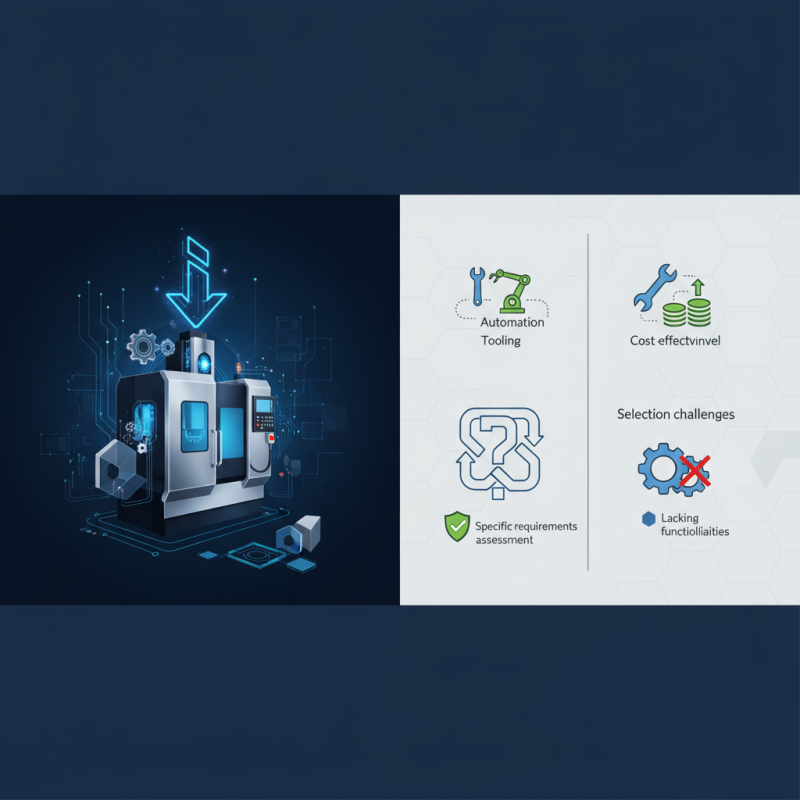
Overview of Vertical CNC Machines in Precision Engineering
Vertical CNC machines are vital in precision engineering. They allow for high accuracy in various applications. Many industries rely on these machines for intricate designs and complex geometries. The vertical setup enables easy access to the workpiece, adding to efficiency. Commonly, these machines work with materials like metals and plastics. Using advanced software, operators can create precise tool paths.
When choosing a Cnc Vertical Turning Lathe Machine, consider its tooling capacity. The ability to accommodate different tools enhances versatility. This adaptability can save time during production runs.
Additionally
, look for models with robust spindle designs. A strong spindle can handle various loads without sacrificing precision.
Tips: Regular maintenance is crucial. Keeping machines clean and well-lubricated prevents wear. Schedule routine checks to avoid unexpected downtime. Operators should receive comprehensive training. Understanding machine capabilities maximizes output. Testing new processes on a small scale can help fine-tune operations. Always reflect on performance metrics to ensure continual improvement.
Key Features to Consider When Choosing Vertical CNC Machines
When considering vertical CNC machines, several key features stand out. Precision is critical. A machine with high accuracy can significantly impact your engineering projects. Focus on the spindle speed and torque. Higher speeds often translate to better surface finishes. Look for machines that offer variable speeds for flexibility. This adaptability can improve your workflow, enabling you to tackle diverse materials.
Another aspect to evaluate is the machine’s size. Ensure it meets the demands of your workspace and the parts you intend to manufacture. Sometimes, larger machines feel cumbersome and can hinder efficiency. Additionally, consider control systems. User-friendly interfaces improve productivity. If a CNC machine is complicated, it can lead to frustration and errors.
Don’t overlook the construction material of the CNC machine. A sturdy build enhances stability during operation. Machines made from high-quality materials tend to have a longer lifespan, but they might come at a higher cost. Balance your budget against durability. It's also wise to inspect the maintenance requirements. Some machines need more upkeep than others, which can add to your overall expenditure. Consider these features when selecting your next Cnc Machine Cnc.
10 Best Vertical CNC Machines for Precision Engineering
| Model | Accuracy (mm) | Table Size (mm) | Spindle Speed (RPM) | Tool Capacity | Price Range (USD) |
| Model A | 0.005 | 800 x 400 | 10000 | 20 | $30,000 - $40,000 |
| Model B | 0.003 | 1000 x 500 | 12000 | 24 | $50,000 - $70,000 |
| Model C | 0.004 | 600 x 300 | 8000 | 16 | $20,000 - $25,000 |
| Model D | 0.006 | 1200 x 800 | 6000 | 10 | $15,000 - $18,000 |
| Model E | 0.002 | 700 x 700 | 15000 | 30 | $60,000 - $80,000 |
Top 10 Vertical CNC Machines for Precision Engineering in 2023
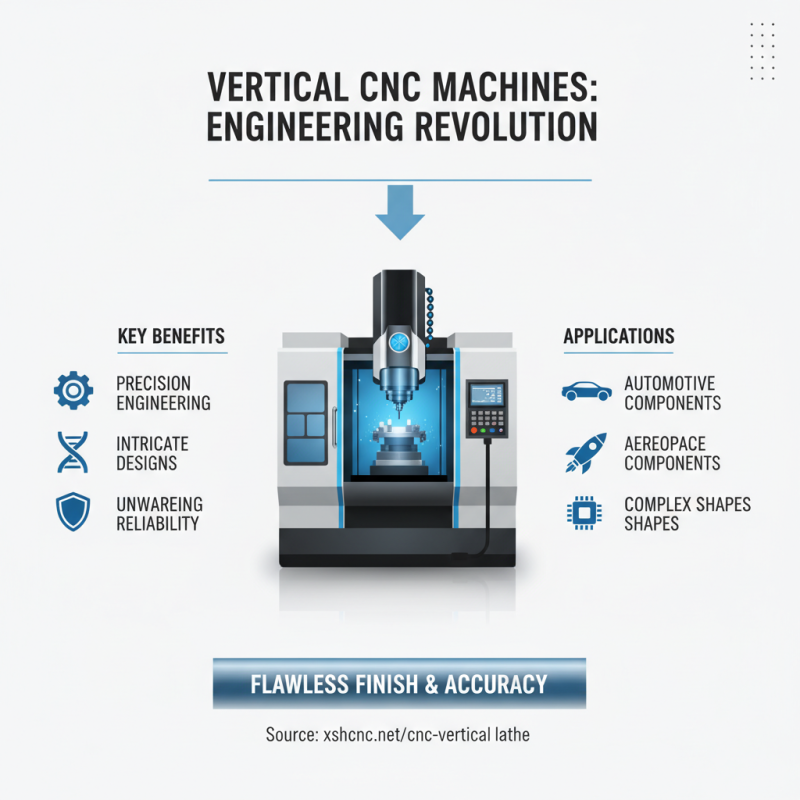
Vertical CNC machines have transformed precision engineering. These machines excel at creating intricate designs, showcasing reliability. Their use ranges from automotive to aerospace components, where accuracy is crucial. The precision of Cnc Vertical Lathes ensures a flawless finish on complex shapes.
When selecting the best machine for your needs, consider several factors. Speed, programming capabilities, and load capacity matter significantly. A capable Cnc Vertical Lathe must handle various materials while maintaining quality. Some machines struggle with heavier workloads, making it essential to match tasks with machine specifications.
In 2023, technology continues to evolve. Newer models offer advanced features, such as improved user interfaces and enhanced automation. However, not every model lives up to its promise. User reviews reveal occasional issues with software glitches or endurance. Evaluating these critiques is vital, ensuring that your investment in precision engineering is worthwhile.
Comparison of Performance: Speed, Accuracy, and Reliability
When choosing vertical CNC machines, performance is critical. Speed, accuracy, and reliability are key factors in precision engineering. For example, research indicates that top machines can achieve linear speeds of 30 meters per minute. However, not all models meet these standards consistently.
Accuracy is equally vital. A report by the Precision Engineering Society noted that machines with a repeatability of 0.001 mm significantly reduce waste. This specificity is essential in sectors like aerospace, where tolerances are incredibly tight. Yet, some models fail to maintain this level of precision over time, leading to potential reworks.
Reliability can dramatically impact production efficiency. Data shows that machines with excellent uptime records can exceed 90%. Machines with frequent breakdowns might only achieve 60%. In a competitive industry, these differences can lead to significant cost overruns. Ultimately, understanding these performance metrics is crucial for a well-informed investment in vertical CNC technology.
Applications of Vertical CNC Machines in Various Industries
Vertical CNC machines play a pivotal role in several industries today. Their precision is vital in manufacturing components for aerospace, automotive, and medical sectors. These sectors require detailed and complex parts. For instance, aircraft parts must meet rigorous safety standards. A small error can be catastrophic in such applications.
In the automotive industry, vertical CNC machines assist in fabricating components like engine blocks and transmission housings. These parts demand high tolerance levels and accuracy. Additionally, in medical manufacturing, intricate tools and devices must be produced under strict regulations. Precision here is non-negotiable. Industry professionals often find themselves grappling with challenges related to software integration and machinery calibration. Adapting to new technologies can be daunting.
Reflection is crucial; understanding where errors occur can guide improvements. Many operators experience difficulties with tool wear and setup time. Overlooking these factors can lead to wasted materials and financial losses. Addressing these issues requires a systematic approach to training and maintenance. Emphasis on continuous learning can enhance operational efficiency and product quality in the long run.
Maintenance Tips for Maximizing the Lifespan of CNC Machines
CNC machines require regular maintenance to ensure longevity. Keeping the equipment clean is essential. Dust and chips can accumulate over time. This can lead to overheating and reduced performance.
Routine checks on the lubrication systems are crucial. Ensure that the oil levels are adequate. Proper lubrication minimizes wear and prevents breakdowns. A worn-out spindle can be costly to replace.
Consider setting a maintenance schedule. This should include inspections, cleaning, and replacing worn parts. Neglecting these tasks can result in unexpected downtimes. Even simple tasks, like tightening screws, can make a difference. Regular attention can enhance performance and extend the machine's life.
Future Trends in Vertical CNC Technology for Precision Engineering
The evolution of CNC vertical technology holds significant promise for precision engineering. New innovations are shaping how we design and manufacture components. Enhanced automation features are increasing operational efficiency. However, there are challenges in integrating these technologies seamlessly. Often, the learning curve can hinder immediate productivity gains.
The focus now is on developing smarter software systems. These systems can analyze performance data in real-time. Inadequate data handling can lead to errors. Engineers must remain vigilant about these potential pitfalls. Another trend involves the rise of hybrid machines. These combine both Cnc Vertical Machining and additive manufacturing capabilities. While this integration offers benefits, it also raises questions about maintenance and operation skills.
Sustainability is also a vital topic in vertical CNC technology. There's a push towards using eco-friendly materials. However, the transition can prove difficult for traditional manufacturers. Adapting to sustainable practices requires time and investment. Overall, the path forward is full of both promise and uncertainty, demanding careful consideration and continuous improvement.
Top 10 Vertical CNC Machines by Precision Tolerance
Maximizing Precision and Efficiency: The Advantages of Flat Bed CNC Lathes with Linear Guides
In today's manufacturing landscape, the demand for precision and efficiency has never been higher, particularly in metal processing applications. Flat bed Cnc Lathes equipped with linear guides represent a significant advancement in this realm, seamlessly integrating traditional turning techniques with state-of-the-art linear rolling guide technology. This combination not only enhances the speed of machining operations but also elevates the accuracy to meet the stringent requirements of various industries, including aerospace and automotive.
According to recent industry reports, CNC lathes utilizing linear guide technology can improve machining precision by up to 30% compared to conventional systems. This improvement is particularly notable when machining complex parts, where the robustness of the linear guide ensures minimal friction and enhanced stability during operations. For instance, the flat bed CNC lathes, like the X400 or PG40 models, have been shown to outperform traditional lathes in terms of cycle time and part quality, allowing manufacturers to increase throughput while maintaining high standards of product integrity.
Moreover, as industries continue to push for optimized production processes, the integration of advanced CNC technology becomes increasingly vital. With the capability to handle a wide range of part complexities, flat bed CNC lathes equipped with linear guides facilitate greater flexibility in production lines. As manufacturers seek to balance efficiency with precision, these advanced lathes stand out as essential tools that meet the evolving demands of modern machining environments.
FAQS
: The platform aims to provide a space for discussion and knowledge sharing.
Anyone interested in the topics can join and participate.
Registration may be needed for some features, but many resources are available without it.
Users can post comments, share experiences, and engage with others' thoughts.
A variety of topics are discussed, ranging from technology to lifestyle.
Yes, users should adhere to basic guidelines of respect and relevance.
You can report it to the moderators for review and action.
Yes, users can message and connect to discuss topics privately.
Disagreements are common; express your thoughts respectfully and constructively.
Feedback is welcome and can be submitted through a dedicated form.
Conclusion
The article provides a comprehensive overview of Vertical CNC Machines and their significance in precision engineering. It highlights key features to consider when selecting a Vertical CNC Machine, such as speed, accuracy, and reliability. The top 10 Vertical CNC Machines for 2023 are reviewed, emphasizing their performance across various factors. Additionally, the article explores the applications of these machines in different industries, demonstrating their versatility and importance in modern manufacturing.
To ensure longevity, maintenance tips are also shared, helping users maximize the lifespan of their Vertical CNC Machines. Finally, the article discusses future trends in Vertical CNC technology, indicating ongoing innovations that will shape the landscape of precision engineering. This summary serves to inform readers about the essential aspects and advancements in the realm of Vertical CNC Machines.