You know, the aerospace and automotive worlds are really leading the charge when it comes to technological breakthroughs. They heavily depend on precision manufacturingto keep everything running smoothly and safely. According to some pretty recent industry reports, the global market for Metal Cnc Machines is projected to hit around$8 billion by 2026. And a big reason for that? The rising demand for lightweight materials and all those complex shapes in both vehicle and aircraft designs.
At Taizhou Luqiao Shiheng Cnc Lathe Co., Ltd., we're all about tapping into the full potential of top-notch metal CNC machines for these industries. Our R&D team, made up of some of the best engineers and specialists, is constantly working on incorporating the latest tech into our products. By leveraging cutting-edge metal Cnc Machinery, we're aiming to boost productivity, improve accuracy, and make manufacturing more efficient—kind of paving the way for some really exciting advances in aerospace and automotive manufacturing.
Exploring the Role of CNC Machines in Aerospace and Automotive Sectors
You know, CNC machines—those computer-controlled tools—have really become essential in both the aerospace and automotive worlds. They’re amazing when it comes to delivering that perfect balance of precision and efficiency. Manufacturers love them because they can produce those really complicated parts with intricate designs, all while sticking to super strict industry standards. In aerospace, for example, CNC machines are used to make crucial components like turbine blades, fuselage parts, and landing gear—stuff where even tiny errors can be a big deal. Being able to replicate every detail exactly as specified not only boosts safety but also makes aircraft more reliable, which, in turn, helps push aviation tech forward.
And it’s pretty much the same deal in the auto industry. Cnc Machining is a game-changer when it comes to making everything from engine blocks to chassis components. Whether you’re doing quick prototypes or large-scale production, this tech handles it all without skipping a beat—and without compromising quality. Manufacturers can adapt on the fly, tweaking designs, speeding up production, and cutting costs at the same time. With electric vehicles and self-driving tech gaining ground, the demand for advanced CNC capabilities is only going to grow.It’s really pushing the limits of what’s possible in car manufacturing today.
Key Features of Best Metal CNC Machines for Precision Engineering
When you get into aerospace and automotive manufacturing, precision really is everything. The top metal CNC machines out there are designed to give you that high level of accuracy — they make sure complex parts are built exactly to the specs needed for high-performance stuff. Some key features that set these machines apart include smart control systems, fast-spinning spindles, and super sturdy build quality. All these parts work together to make the machining smoother, cutting down on cycle times and boosting overall efficiency.
Plus, these high-end CNC machines are pretty versatile—they can handle all kinds of metals, like aluminum, titanium, and even some really tough alloys. That’s a big deal in industries where different parts need different material properties. And with things like automatic tool changers and built-in software for simulation and programming, the whole workflow becomes much more seamless. Engineers can even fine-tune their designs before hitting go on production. Investing in the best metal CNC machines isn't just about getting better results — it opens up a whole new world of possibilities in precision engineering to keep up with what the aerospace and automotive sectors demand today.
Unlocking the Potential of Best Metal CNC Machines
This chart illustrates the capabilities of various metal CNC machines in precision engineering for aerospace and automotive manufacturing. The data represents the average cutting speed (in mm/min) and precision (in micrometers) of several types of CNC machines.
Advantages of Utilizing CNC Technology in Advanced Manufacturing
Hey, in today’s fast-changing manufacturing world, CNC tech is really making a big splash, especially in aerospace and automotive fields. It’s all about precision—helping manufacturers craft really complex parts with less chance of human error. Because it can produce such intricate designs pretty consistently, CNC machining has become pretty much essential for hitting those tough quality standards in these industries.
When you're choosing a metal CNC machine, though, it’s a good idea to think about what materials it can handle and what kinds of operations it can do. If you go for a multi-axis machine, for instance, it can manage more complicated designs, which is a huge plus for versatility.
On top of that, CNC tech can seriously speed things up. It lets you turn around projects faster without sacrificing quality. Automated workflows mean less manual work, lower labor costs, and shorter lead times—something that really matters when getting products to market quickly is a competitive edge.
Oh, and one quick tip—make sure to keep your CNC machines well-maintained. Regular check-ups can help avoid unexpected breakdowns and keep your production running smoothly and efficiently. Trust me, a little preventive maintenance goes a long way!
Future Trends in CNC Machine Designs for Aerospace and Automotive Applications
You know, the aerospace and automotive worlds are really pushing the envelope when it comes to technology. They're constantly changing to meet the ever-growing demands for precision, efficiency, and sustainability. If you look at where CNC machine design is headed, there's a big shift happening—think smarter machines that can work hand-in-hand with AI and IoT tech. A report by MarketsandMarkets even says that by 2025, this market could hit around $100.4 billion. And it’s no surprise—especially since aerospace and auto industries are craving more complex parts that need some seriously intricate machining.
To keep up with these trends, manufacturers are loading up their CNC machines with multi-axis options and blending different manufacturing methods—like combining additive and subtractive processes. This not only speeds things up but also cuts down on waste, which is a win for sustainability. Plus, according to McKinsey, if companies jump on the smart manufacturing bandwagon, they could see productivity rises of up to 30%. Pretty impressive, right?
Here’s a little tip—if you want to stay ahead of the game, it pays to invest in training your team on the latest CNC tech and things like machine learning. Also, exploring predictive maintenance can really save you headaches—by reducing downtime and helping your machines last longer. It’s all about working smarter, not harder.
Unlocking the Potential of Best Metal CNC Machines in Aerospace and Automotive Manufacturing - Future Trends in CNC Machine Designs for Aerospace and Automotive Applications
| CNC Machine Type | Material Compatibility | Precision Level (μm) | Max Speed (RPM) | Applications |
| 5-Axis CNC Machine | Aluminum, Titanium, Steel | 5-10 μm | 8,000 RPM | Aerospace Wing Components, Engine Parts |
| 3-Axis CNC Mill | Aluminum, Brass, Plastic | 20-50 μm | 6,000 RPM | Automotive Interior Parts, Fittings |
| CNC Router | Composite Materials, Wood, Foam | 50-100 μm | 18,000 RPM | Prototype Development, Design Models |
| Laser Cutting CNC | Stainless Steel, Aluminum, Brass | 10-30 μm | 20,000 RPM | Aerodynamic Testing Models, Precision Parts |
| EDM Machine | Tool Steel, Hardened Alloys | 5-20 μm | 1,500 RPM | Mold Making, Aerospace Equipment |
Challenges in Integrating CNC Machines into Existing Manufacturing Processes
Bringing the latest metal CNC machines into aerospace and automotive manufacturing isn’t without its fair share of hurdles. I mean, it’s not just plug-and-play—you’ve got to think about how these new techs play nice with the old-school machines that a lot of facilities are still using. That can really slow things down if they're not compatible, leading to headaches and clogs in the workflow. Fixing this usually means some careful planning, investing in new infrastructure, and maybe even retraining staff so everyone’s up to speed with the new systems. It’s a bit of a hassle, but totally worth it in the long run.
And then, there’s the fact that CNC machines are faster and more precise—great, right? Well, sometimes that can actually throw off your existing production schedules. Companies need to rethink how they set up their workflows and timelines so they don’t end up sacrificing quality while trying to keep up with the speed. It’s a balancing act that calls for close teamwork among engineering, production, and quality folks. They’ve got to work together to make sure everything stays smooth and standards are kept high. All in all, tackling these challenges is key if manufacturers want to really take advantage of what CNC machines can do, without messing up their tried-and-true processes.
Case Studies: Success Stories of CNC Machines in Aerospace and Automotive Industries
You know, in the world of aerospace, precision and efficiency really aren't just buzzwords — they're everything. CNC machines have totally changed the way stuff gets made. Take this one leading aerospace company, for example. They started using these super advanced 5-axis CNC milling machines to craft some pretty complex engine parts. And guess what? Not only did their accuracy skyrocket, but they also cut down on waste and sped up their production quite a bit. It was a game-changer for them, letting them stick to tough regulations while also saving on costs. Honestly, it shows just how powerful CNC machining can be when it comes to boosting quality and profits in aerospace manufacturing.
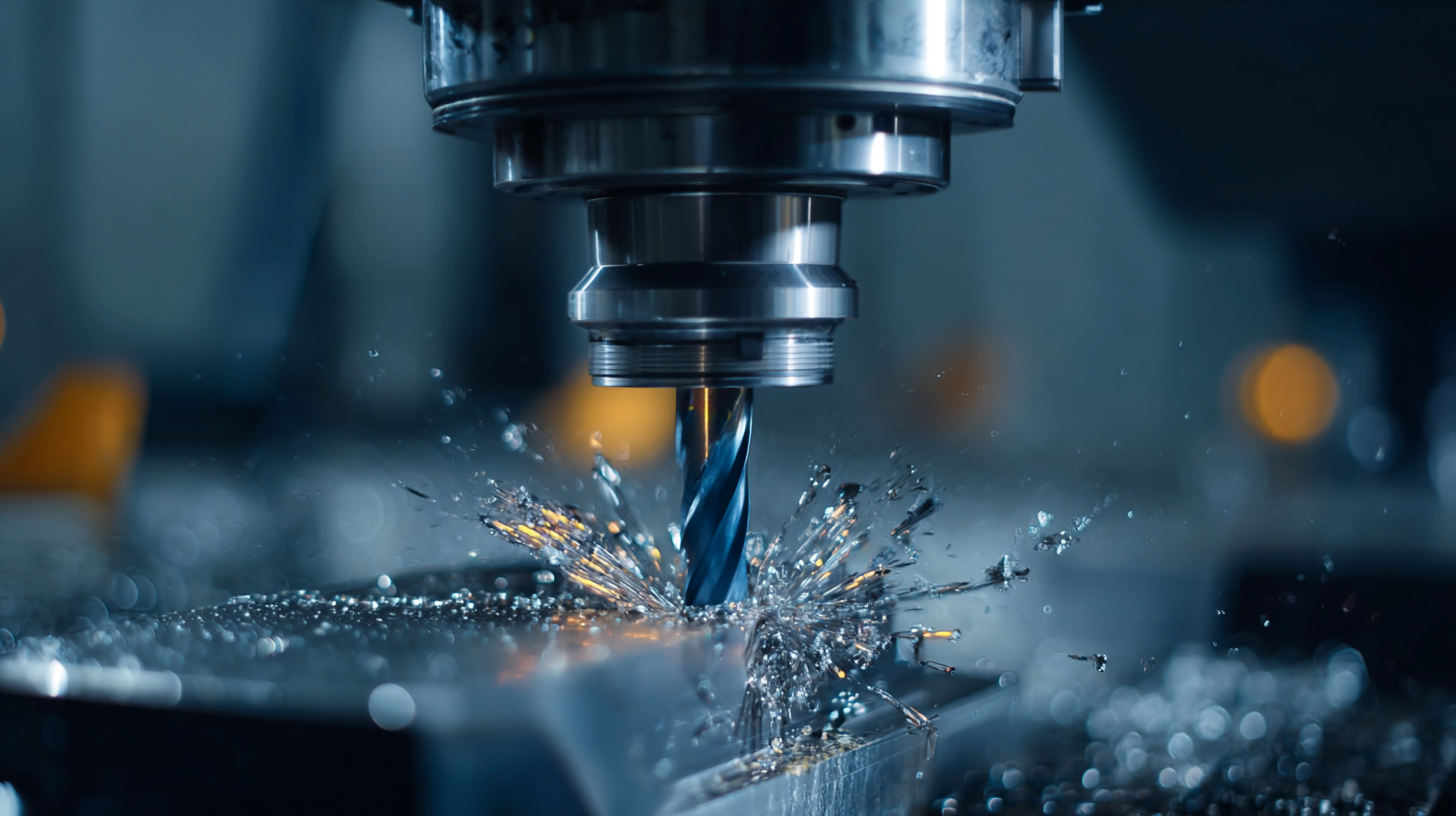
On a similar note, in the automotive industry, there's this well-known car maker that jumped on the CNC laser cutting bandwagon to create detailed body panels. This move really helped them make their production line smoother, making assembly easier and even giving their cars better aerodynamics. The cool part? They could easily tweak designs with programmable controls, so they could adapt quickly when market tastes shifted. Stories like these really highlight how CNC machines are pushing manufacturing forward, whether you're talking cars or planes. They’re driving tech forward and giving companies a real competitive edge.
Revolutionizing Manufacturing: Insights from Industry Reports on the Impact of CNC Lathes and Precision Milling Machines
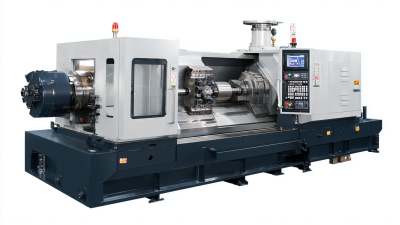
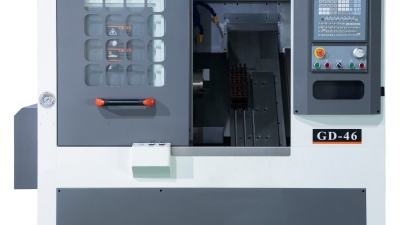
The manufacturing landscape is undergoing a significant transformation, largely driven by advancements in CNC technology. CNC lathes and precision milling machines are at the forefront of this revolution, providing manufacturers with the tools needed to enhance efficiency, accuracy, and versatility in production. Specifically, the GD46 slant bed CNC lathe exemplifies how these machines can optimize manufacturing processes. Featuring a high-low rail structure, the GD46 is both robust and reliable, making it suitable for producing parts of various shapes and sizes.
One of the standout characteristics of the GD46 CNC lathe is its adaptability in diverse applications. Manufacturers can employ this machine for complex machining tasks while benefiting from its excellent performance. Additionally, the integration of a chip conveyor allows for automatic chip removal, further streamlining the workflow and reducing downtime. As industry reports highlight, the implementation of such precision equipment not only enhances productivity but also improves the overall quality of manufactured products, positioning companies to compete effectively in a rapidly evolving market. The insights gleaned from these advancements reflect a tangible shift towards more intelligent manufacturing practices.
FAQS
: A major challenge is the compatibility of CNC systems with legacy manufacturing processes, as older machines may not seamlessly connect with modern CNC technology, causing bottlenecks in workflow and efficiency.
Manufacturers can overcome these challenges by careful planning, investing in updated infrastructure, and potentially retraining staff to ensure they are proficient in operating the new CNC systems.
The precision and speed of CNC machines can disrupt established production timelines, requiring manufacturers to rethink scheduling strategies and workflow layouts to accommodate faster output.
Collaboration among engineering, production, and quality assurance teams is crucial to synchronize output and maintain quality standards while adapting to the changes brought by CNC machine integration.
A leading aerospace manufacturer successfully implemented advanced CNC milling machines, utilizing 5-axis technology to improve accuracy, reduce waste, and cut production time while meeting regulatory standards.
A well-known car manufacturer used CNC laser cutting machines to fabricate intricate body panels, streamlining production and enhancing aerodynamics, while swiftly adapting to market demands through programmable controls.
CNC machines enhance manufacturing capabilities by improving precision, reducing waste, and speeding up production, which contributes to higher quality and profitability.
CNC machines drive technological progress and foster competitive advantages by enabling manufacturers to produce high-quality products more efficiently and respond quickly to market changes.