Leave Your Message
These days, when it comes to manufacturing, precision really is everything. And honestly, Cnc Steel Milling Machines have become an absolute game-changer. As industries push for tighter accuracy, faster processes, and more productivity, adopting cutting-edge CNC tech is truly revolutionizing how things get made. Here at Taizhou Luqiao Shiheng CNC Lathe Co., Ltd., we're right there in the thick of it, leading the charge. Our passionate R&D team—made up of top-notch engineers and specialists—is always working to push the limits of what CNC steel milling machines can do. By staying on top of the latest innovations, we make sure our products not only meet but often even beat industry standards. This article is all about the key roles CNC steel milling machines play in today’s manufacturing world—showing how they’re changing the game and helping businesses run smoother and more efficiently.
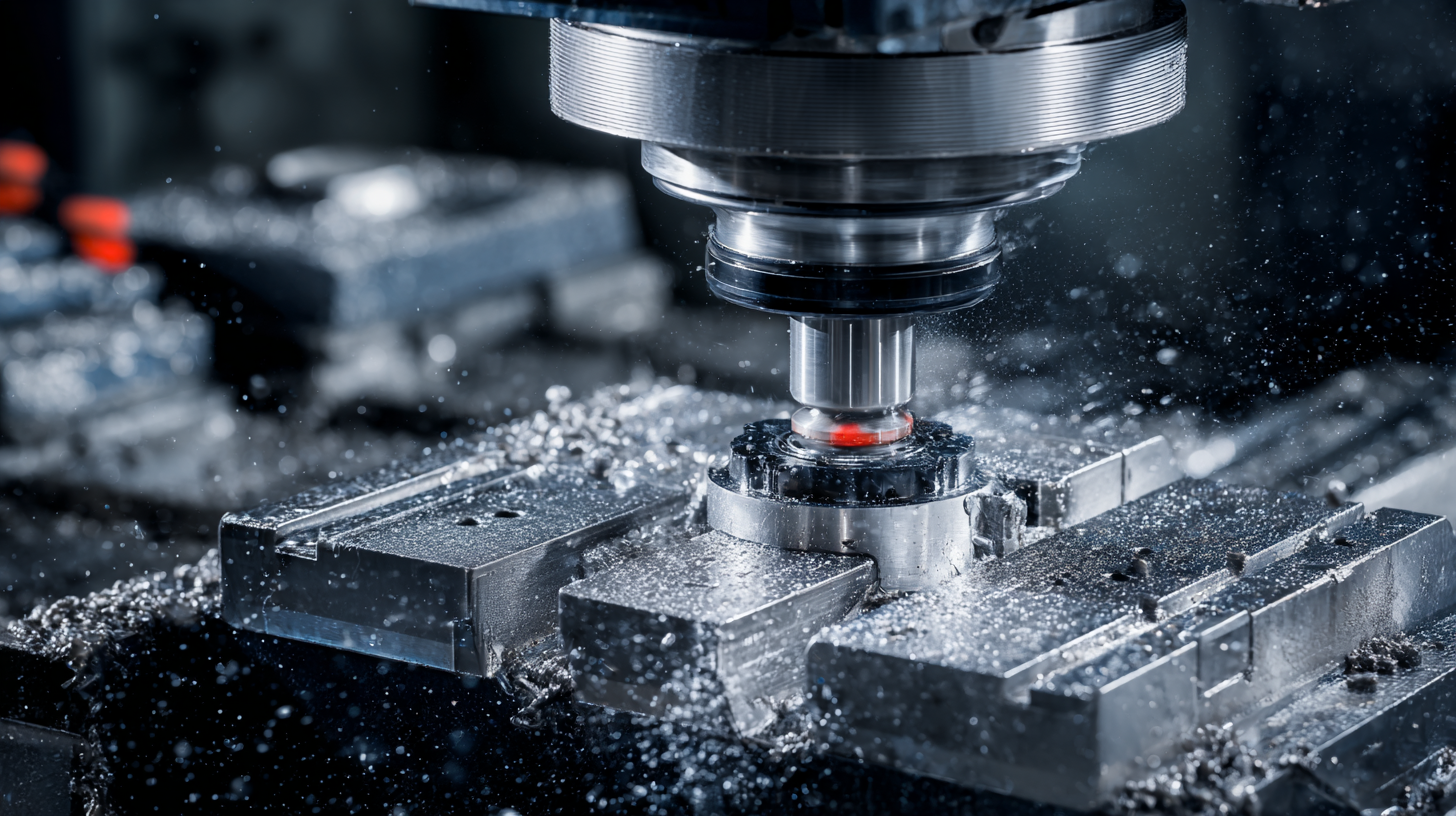
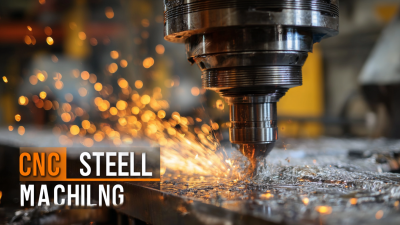
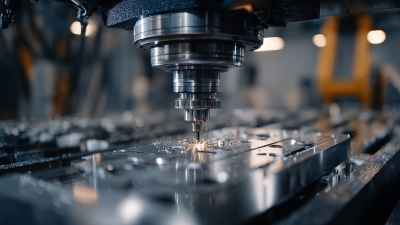
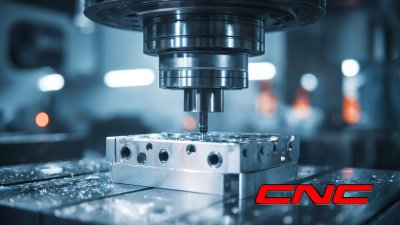
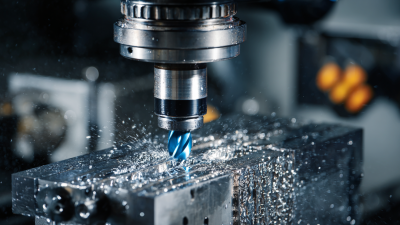
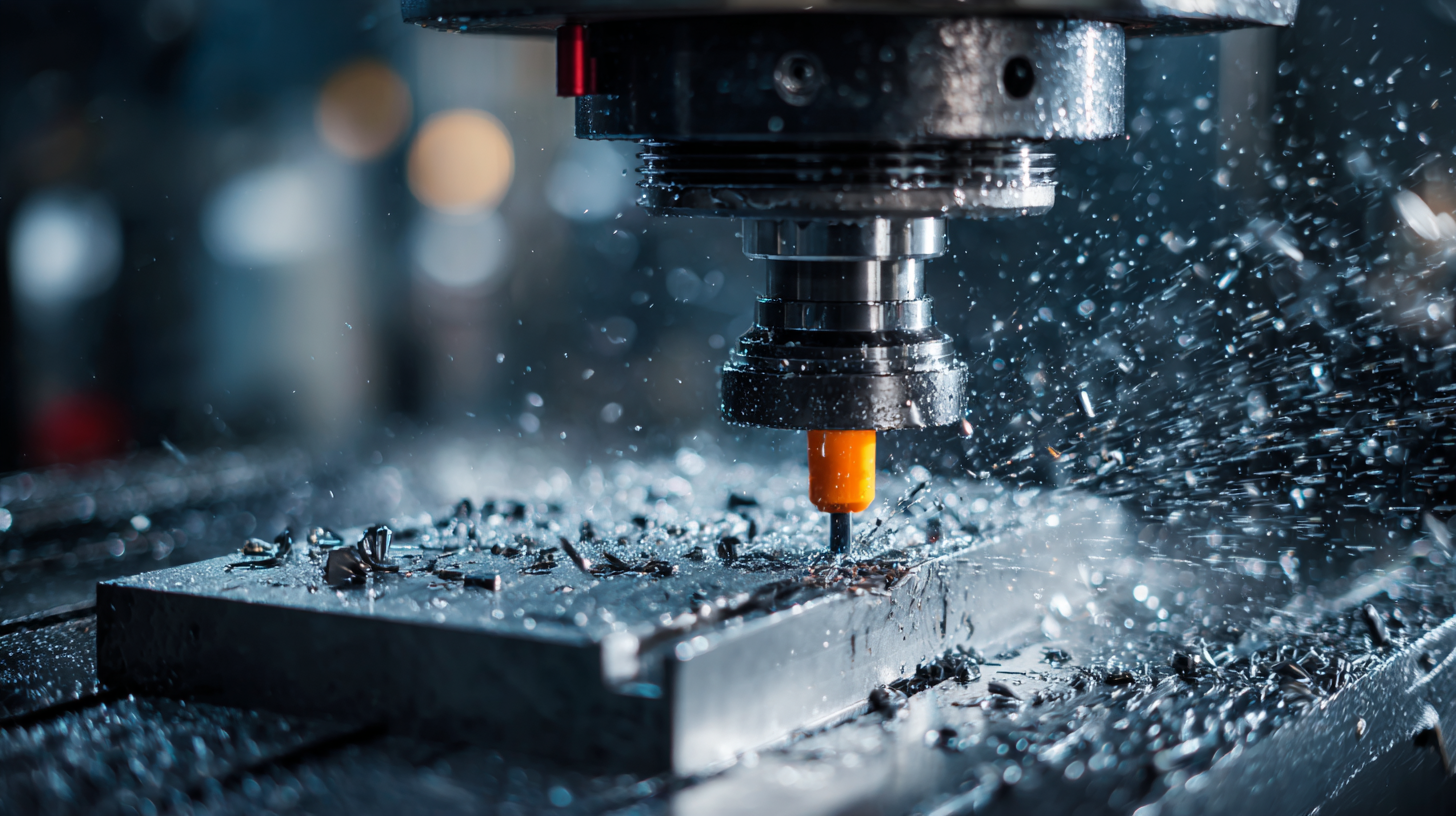
CNC steel milling machines are honestly a game-changer in today’s manufacturing world. They deliver such precision and efficiency—stuff that traditional methods just can’t compete with. Basically, these machines use computer control (that’s what CNC stands for) to handle the intricate designs and make sure every part is super accurate, again and again. Since they’re programmed to automatically adjust their machining process, it means fewer mistakes and a much smoother workflow on the shop floor.
When you’re trying to pick out a CNC steel mill, it pays to think about what kinds of materials you’ll be working with and how complex your parts are. Make sure the machine has enough horsepower and torque for what you’re doing — nobody wants to get halfway through a job only to realize the machine’s underpowered. Also, features like automatic tool changers and built-in software for programming and simulation can save you tons of time and hassle.
What’s pretty cool is how versatile these machines are across industries — from aerospace to automotive, pretty much anywhere there’s a need for complex geometries. They can crank out intricate designs fast, which is a huge plus for developing new and innovative products. As manufacturing keeps evolving, getting to know what CNC steel milling machines can do will definitely give your business a leg up and help keep you competitive in this really demanding market.
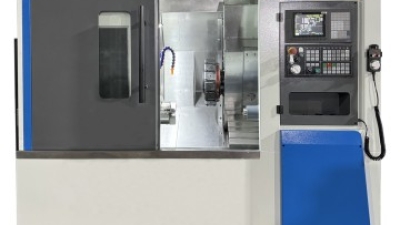
In the competitive landscape of modern manufacturing, the integration of advanced technologies in CNC turning and milling machines has become essential for maximizing efficiency. The GD5245Y Composite Machine stands out with its integrated slant body design that not only enhances chip discharging but also promotes effective machining. This feature, combined with a 12-station turret, allows for a variety of tools and power-driven attachments, enabling manufacturers to swiftly adapt to changing production needs while maintaining high precision.
Enhancing rigidity and durability, the GD5245Y’s construction utilizes a single, whole material with reinforced internal ribs. The Z-axis drive options of 350mm or 550mm enable precise adjustments according to manufacturing requirements. The spindle is strategically positioned close to the front of the machine, facilitating rapid tool changes that minimize downtime. Moreover, the spindle indexing system employs a sophisticated non-contact double feedback mechanism, ensuring high resolution and fast response during operation. Coupled with hydraulic locking, this technology supports high-speed rotation and indexing, ultimately resulting in superior positioning accuracy that manufacturers can rely on for enhanced output quality.
: CNC milling is a computer numerical control process that enables machines to execute precise movements based on programmed instructions. Its key advantages include unparalleled precision, reduced human error, streamlined manufacturing processes, cost-effectiveness, and flexibility to easily switch between tasks.
CNC technology automates many tasks that would traditionally require manual labor, reducing inefficiencies and inconsistencies in production. This automation allows for quicker production times and the ability to accommodate a wider range of projects without extensive reconfiguration.
CNC milling is particularly important in industries that require tight tolerances, such as aerospace and automotive sectors, as well as in consumer electronics where lightweight and intelligent designs are essential.
The integration of AI and robotics enhances productivity by streamlining operations and allowing for greater adaptability in machine tools. This advancement helps manufacturers meet market demands more efficiently and reduces the likelihood of human errors.
Businesses should assess their specific production line needs, including the types of materials used and the complexity of designs, to choose the right machinery. Staying updated on emerging technologies is also important to anticipate trends and adapt accordingly.
The global CNC machine market is projected to reach $117.2 billion by 2026, driven by increasing demand for automated solutions that enhance efficiency and accuracy in manufacturing processes.
The development of advanced materials like the “J” phase improves the mechanical properties of steel and optimizes the milling process, thus enhancing overall product quality and efficiency.
Manufacturers can expect a reduction of up to 30% in operational costs and improved product quality by implementing advanced CNC technologies, according to a study by Gartner.
Embracing CNC milling technology is vital for achieving sustainable growth as it helps manufacturers meet increasing standards of precision and production efficiency, allowing them to stay competitive in a rapidly evolving industry.
The article titled 'Unlocking Precision in Manufacturing: Understanding the Role of CNC Steel Milling Machines in Today’s Industry' really dives into why these CNC steel milling machines are such a big deal in modern manufacturing. It does a great job of explaining how they work, hitting on the main perks like better accuracy, faster production, and how versatile they are when it comes to different tasks. The piece also goes into some of the technical stuff that makes up these machines and shares tips on how to keep them running with top-notch precision.
Plus, it talks about how different CNC machining techniques can really boost manufacturing efficiency—making sure industries can keep up with high standards without breaking a sweat. As a company that’s always thinking ahead, Taizhou Luqiao Shiheng CNC Lathe Co., Ltd. is right there at the forefront of CNC technology. They have a solid R&D team dedicated to coming up with new innovations to improve CNC Steel Milling Machines, which is basically shaping the future of manufacturing as we know it.