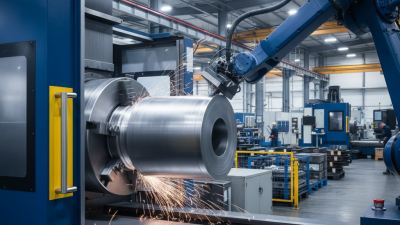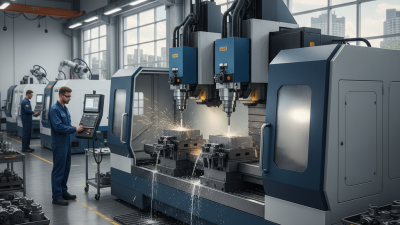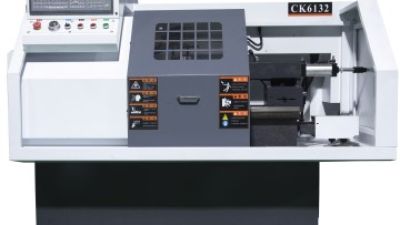
You know, the manufacturing world is really shifting towards more advanced machine tools these days, and one that’s catching a lot of attention is the Turret Lathe. According to a report from Research and Markets, the global market for Lathe Machines is expected to hit around $5 billion by 2027. That’s a pretty clear sign that there's a growing demand for versatile and efficient manufacturing tools.
What’s so great about the Turret Lathe? Well, for starters, it can handle multiple tasks thanks to its design, and changing tools is quick and straightforward. Manufacturers using this kind of equipment often see about a 30% bump in productivity—that’s a real game-changer. But, fair warning—not all turret lathes are exactly the same. Features can vary a lot, which means there can be big differences in how well they perform and how reliable they are.
If you’re thinking about investing in one, it’s definitely worth doing some homework. Things like automation features, how easy it is to maintain, and how precise the control is—those are all key factors if you want to get the most bang for your buck. That said, some folks do have concerns about how complicated these machines can be to operate, especially if you need skilled workers. Finding the right balance of features and complexity is really important so you can make smart choices in this competitive market.
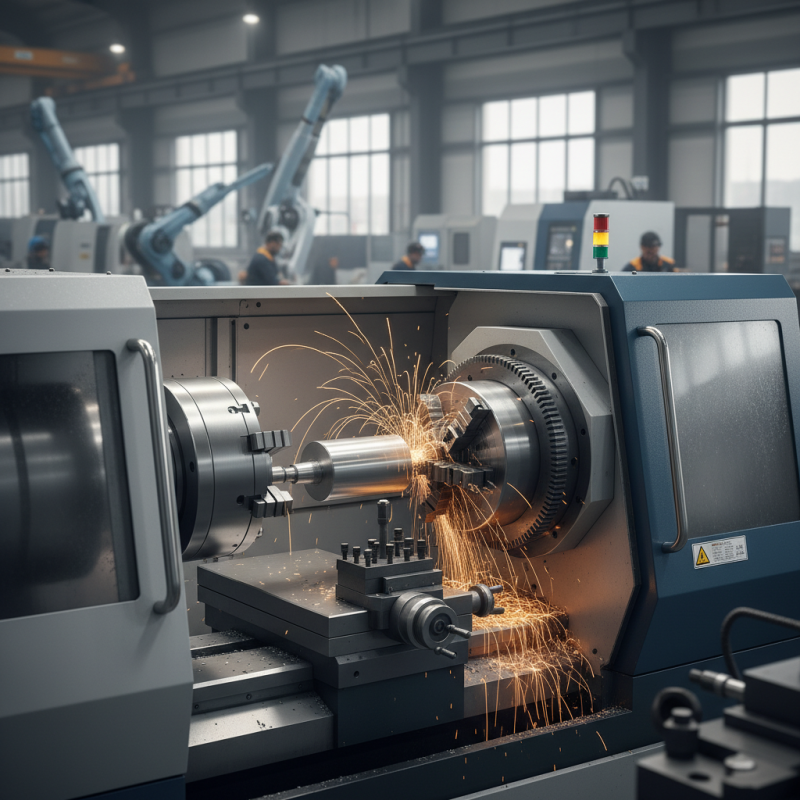
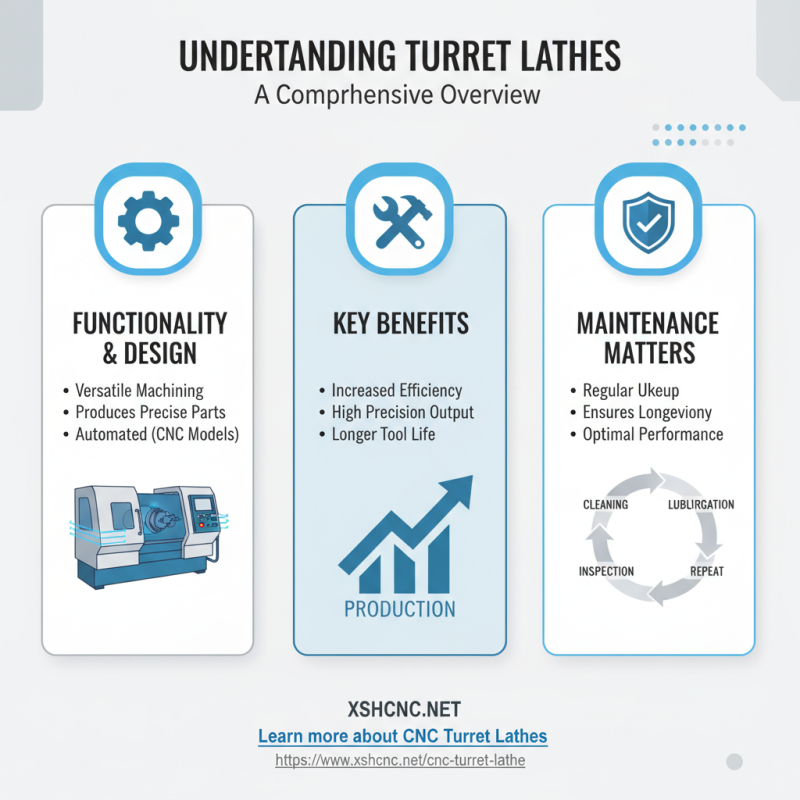
Understanding turret lathes requires a grasp of their functionality and design. These machines are versatile tools in machining, ideal for producing precise parts. A Cnc Turret Lathe automates the process, increasing efficiency. However, users often overlook the importance of regular maintenance. Proper upkeep ensures longevity and optimal performance.
When considering a turret lathe, evaluate the tooling system. The capacity to change tools quickly allows for flexibility in production. Additionally, think about the machine’s control systems. A user-friendly interface can significantly reduce learning curves. Complexity in operation can lead to errors, impacting overall productivity.
Tip: Always request a demonstration before purchasing. Observe how the turret lathe operates in real time. Understanding its mechanics firsthand can reveal operational hiccups that manuals may not cover. Aim for machines with solid technical support to address any future issues. Remember, investing in quality means investing in your production capability.
When considering turret lathes, global buyers should focus on several key features. The versatility of a Manual Turret Lathe stands out. It allows for multiple operations with minimal setup time. According to a recent report, about 70% of manufacturers prioritize speed and precision in machining. A turret lathe can handle various materials, enabling efficient production lines.
Another crucial aspect is the ease of use. Simple controls and interface design can significantly reduce training time. Research suggests that operators become proficient in using turret lathes within weeks. This highlights the importance of user-friendly models. Moreover, the durability of components directly impacts maintenance costs. Frequent breakdowns can affect productivity, which is a concern for many manufacturers.
Lastly, while many models offer advanced features, buyers should assess their specific needs. Not all lathes will meet every requirement. Some users may find a lack of support or unclear usage guidelines, leading to frustration. Customization options can also be a double-edged sword, offering potential but risking added complexity. Understanding these nuances is vital for making informed purchasing decisions.
When considering turret lathes, material and build quality stand out as critical factors. The durability of a turret lathe greatly influences its performance and longevity. According to industry reports, nearly 30% of machine failures result from inferior materials or poor construction. Therefore, manufacturers should prioritize high-grade steel alloys and robust components.
Using low-quality materials can lead to premature wear and frequent maintenance. Such issues not only disrupt operations but can also elevate costs by 40% over time. It's essential to evaluate the specifics. Look for precision-engineered parts that offer resistance to wear and thermal expansion.
On another note, while many lathes boast solid indicators of durability, not all truly deliver. Buyers should scrutinize independent data and real-world performance tests. Many machines undergo stress tests and fatigue evaluations. These results provide valuable insights into a lathe’s actual capabilities versus its claimed features. Taking the time to assess these elements can safeguard your investments and enhance productivity.
| Feature | Description | Importance | Common Materials Used | Average Durability Rating |
|---|---|---|---|---|
| Frame Material | The material used for the lathe frame affects stability and vibration absorption. | High | Cast Iron, Steel | 8/10 |
| Bearing Quality | Quality of bearings determines the smoothness and accuracy of operation. | Very High | High-Precision Bearings | 9/10 |
| Tool Holder Material | Material of the tool holder influences strength and chip removal efficiency. | High | Tool Steel, Carbide | 7/10 |
| Finish Quality | The surface finish affects corrosion resistance and ease of maintenance. | Medium | Powder Coating, Anodized Aluminum | 6/10 |
| Rigidity and Stability | Affects precision and the ability to handle heavy cuts. | Very High | Composite Materials, Reinforced Steel | 9/10 |
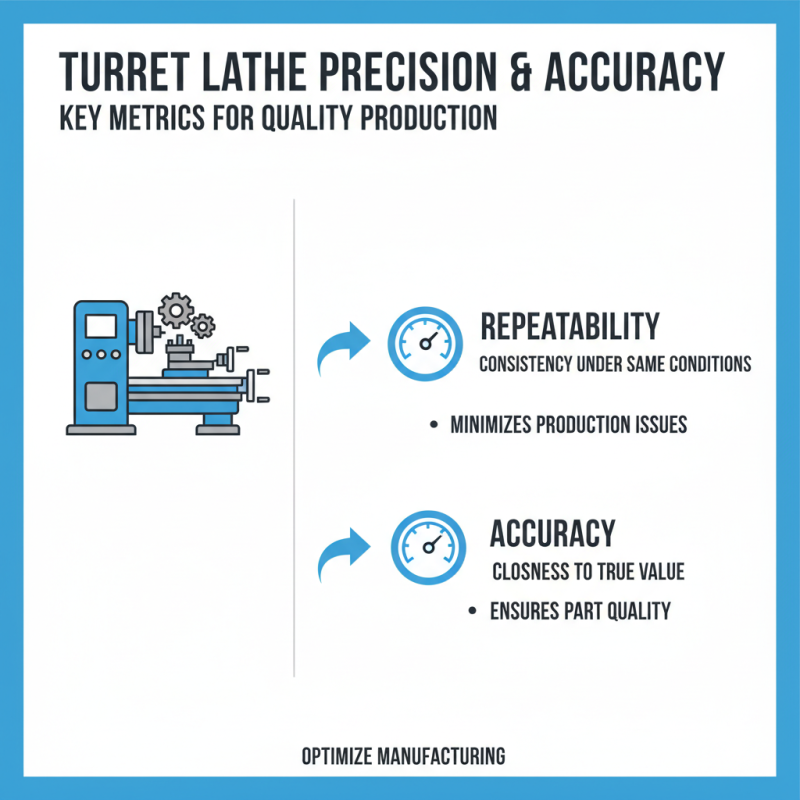
When considering precision and accuracy in turret lathes, several critical metrics emerge. A primary factor is the machine's repeatability. This refers to how consistently a turret lathe can achieve the same results under the same conditions. Small variations can lead to significant issues in production, affecting overall quality.
Another vital metric is the machine's spindle accuracy. This accuracy directly impacts the finished product's dimensions and surface finish. High-quality Turret Lathe Machines often have tolerances as tight as a few microns. However, achieving such precision often requires routine maintenance and calibration.
Additionally, the rigidity of the turret lathe plays a role in its performance. A less rigid machine may flex or vibrate, leading to inaccuracies. Buyers should also reflect on the machine's operational parameters, including feed rate and cutting speed. Balancing these factors can be complex. Each decision affects productivity and final output quality. Thus, it’s essential to choose a Turret Lathe Machine that meets specific project requirements while maintaining dependable precision.
Automation and control options are crucial for maximizing productivity in any manufacturing environment. A Vertical Turret Lathe equipped with advanced automation features can drastically reduce manual intervention. This improvement leads to consistent quality and faster machining cycles. Automation also allows for the integration of real-time data analytics, helping operators monitor machine performance effectively.
Consider the type of control systems available for a Vertical Turret Lathe. CNC systems provide precise control over the machining process. However, the learning curve can be steep. On the other hand, simpler programmable systems may lack some advanced functionalities, but offer ease of use. The choice between them depends on the skill level of the workforce and the complexity of tasks required.
Another aspect to reflect on is the compatibility of automation options with existing equipment. Not all machines can easily adapt to new technologies. Businesses should evaluate their current setup before implementation. This step ensures that investments in automation yield the desired productivity gains. In a rapidly evolving industry, balancing functionality and user-friendliness in automation is key.
When considering turret lathes, maintenance requirements rank high among global buyers. Proper upkeep ensures maximum efficiency and longevity of the equipment. According to a recent industry survey, about 30% of breakdowns stem from inadequate maintenance. Regular inspections and adherence to maintenance schedules can significantly mitigate unexpected repairs.
Service availability is another critical factor. Access to skilled technicians can influence operational uptime. Surveys indicate that over 40% of manufacturers prioritize equipment supported by local service centers. This localized assistance minimizes downtime during repairs. It’s crucial to evaluate the availability of spare parts as well. Long lead times can disrupt production.
Tip: Create a proactive maintenance schedule. Regularly check components such as tool holders and coolant systems. Invest in training your team for basic servicing tasks.
Additionally, consider the flexibility of service agreements. Some manufacturers offer packages that include routine maintenance checks. This can relieve you from managing various service providers. Always assess their track record in your region. A reliable service partner can make a big difference in your production flow.
When budgeting for turret lathes, consider both initial costs and long-term expenses. Many buyers focus solely on the purchase price. However, maintenance and operation costs are equally essential. Regular servicing can prevent unexpected breakdowns and costly repairs.
Another factor to examine is energy consumption. Turret lathes can vary significantly in efficiency. A machine that consumes more power may lead to higher operational costs over time. Look for features that enhance energy efficiency, even if they increase initial expenses.
Investing in training for operators can also be an overlooked budget consideration. Well-trained personnel improve productivity and reduce errors. Consider creating a training budget alongside your machine purchase. Balancing these aspects ensures that your investment remains sound in the long run.
Small Cnc Lathe machines with tailstocks are gaining popularity in precision machining due to their enhanced capabilities. One of the most significant advantages of these machines is their longer Z axis travel, which allows for more extensive machining operations without sacrificing accuracy. The extended Z axis not only enables the handling of larger workpieces but also contributes to improved stability during operation. This stability is crucial for achieving high-quality results, especially when producing intricate components that require tight tolerances.
Another noteworthy feature of small CNC lathes with tailstocks is their increased rigidity. This characteristic minimizes vibrations during machining, which in turn enhances processing accuracy. Operators appreciate how easy it is to make adjustments on these machines, allowing them to quickly adapt to different machining tasks or materials. With user-friendly controls and a design that promotes straightforward operation, these lathes stand out as practical solutions for both amateur and professional machinists seeking efficiency and precision in their projects.
: Repeatability measures how consistently a turret lathe achieves the same results under similar conditions.
Spindle accuracy affects the dimensions and surface finish of the finished product significantly.
Flexing or vibrating of a less rigid machine can lead to inaccuracies during operation.
Balancing feed rate and cutting speed affects productivity and final output quality significantly.
Include initial purchase price, maintenance costs, and operation costs in your budget.
Energy-efficient machines reduce long-term operational costs and can save money over time.
Trained personnel improve productivity and decrease the likelihood of errors during machining.
Regular servicing can prevent unexpected breakdowns and reduce costly repairs in the long run.
Understanding a machine’s parameters helps choose the right model for specific project needs.
Ignoring long-term expenses can lead to unplanned costs and affect overall profitability.
The article "Turret Lathe Best Features to Consider for Global Buyers" provides an in-depth examination of turret lathes, focusing on key attributes that are essential for informed purchasing decisions. It begins with a comprehensive overview of turret lathes, explaining their design and operational capabilities. The discussion highlights crucial features such as material and build quality, ensuring durability, as well as precision and accuracy metrics that influence machining outcomes.
Furthermore, the article delves into automation and control options that enhance productivity, detailing how modern advancements can streamline operations. Maintenance requirements and service availability are also considered, providing insights on long-term ownership. Finally, the article addresses cost considerations, offering guidance for budgeting effectively when investing in turret lathes. Overall, it serves as a valuable resource for global buyers seeking to optimize their investment in turret lathe technology.