Leave Your Message
You know, in this fast-changing world of precision engineering, Metal CNC Machines really play a huge role. They’re key players in boosting efficiency and sparking innovation across all kinds of industries. I came across a report from MarketsandMarkets that says the global market for CNC machines is expected to hit around USD 100 billion by 2024. That’s a pretty massive jump, mainly because automation and manufacturing tech are just moving so quickly. Over here at Taizhou Luqiao Shiheng CNC Lathe, we’re super proud to be pushing the envelope when it comes to Cnc Machine Tools. Our dedicated R&D team, made up of some of the top engineers in the field, is constantly working to bring the latest tech into our Metal CNC Machines. It’s all about improving precision and productivity, but also giving creative projects the high-tech edge they need to tackle today’s engineering challenges. As we dive into what makes Metal CNC Machines tick, you’ll see how they’re not just for industry—they’re also great for creative pursuits, helping us stay competitive on the global stage.
CNC machines have really changed the game in metalworking, offering incredible precision and efficiency. At the heart of these machines are some key components and how they work together. So, CNC—short for Computer Numerical Control—is basically about automating machine tools with the help of a computer. This tech lets metalworkers craft super detailed and accurate designs, cutting down on mistakes and speeding things up. Honestly, it's pretty amazing how much more productive you can be with it.
If you’re just getting started with CNC, you’ll want to get familiar with a few basic terms and concepts. Usually, a CNC setup includes a computer, a controller, and various cutting tools like lathes and mills. The computer sends commands to the controller, which then translates those digital designs into precise movements of the tools. And don’t forget about the software part; knowing how to design and program with it is a big deal because it opens up all kinds of possibilities—whether you're making car parts or creating art sculptures. With some proper knowledge and practice, anyone in metalworking can really tap into the full potential of CNC, boosting both creativity and precision in their work.
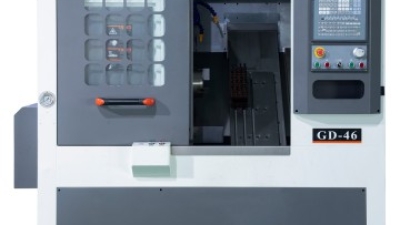
In the pursuit of maximizing manufacturing efficiency, particularly in CNC machining, understanding the innovations in CNC lathe precision and linear guide rail technologies is paramount. Recent industry reports indicate that the integration of advanced CNC lathe models, like the GD46 slant bed CNC lathe, can significantly enhance productivity and precision. This model is lauded for its reasonable structure and excellent performance capabilities, making it suitable for processing a diverse array of parts with varying shapes and sizes. According to data from industry studies, manufacturers utilizing high-low rail systems have reported a 25% increase in operational efficiency compared to traditional systems, underscoring the benefits of modern engineering.
Linear guide rail advancements are also playing a critical role in improving CNC machining outcomes. Innovations in linear guide technologies have led to higher accuracy and improved load capacities, resulting in better overall machining performance. The GD46, equipped with state-of-the-art guide rails, ensures smoother movement and reduces friction, leading to lower maintenance costs and extended machine life. Reports suggest that implementing such innovations can reduce error rates by as much as 15%, further supporting manufacturers in their quest for precision and reliability in production processes. As industries continue to adapt and evolve, integrating these advanced technologies will be key to staying competitive in the rapidly changing landscape of manufacturing.
: CNC technology automates intricate cutting and shaping processes, allowing for the production of components that adhere to exact specifications with minimal human error. This is crucial in industries like aerospace and medical device manufacturing where precise tolerances are required.
CNC machining allows artists to create intricate designs with unparalleled accuracy and detail, enabling them to explore complex geometries and textures that would be difficult to achieve by hand.
Modern CNC machines offer enhanced operational efficiency due to innovations like artificial intelligence, which optimizes machining processes, reduces waste, and improves product quality.
Artists can use CNC technology to combine different materials and techniques, experiment with multimedia elements, and rapidly prototype their designs, thereby enhancing the creative process.
It is important to consider your specific project requirements and the capabilities of the CNC machine in relation to those needs, as well as emerging technologies that can enhance productivity.
CNC technology accelerates the prototyping phase by allowing for faster iterations and development cycles, enabling engineers to experiment with innovative designs while maintaining precision.
AI enhances operational efficiency in CNC machines by automating setups and adjustments, optimizing the machining process for improved production quality and sustainability.
Yes, the development of compact and user-friendly CNC machines, like desktop CNC routers, has made precision engineering accessible to small businesses and hobbyists at an affordable cost.
CNC technology is particularly crucial in industries that demand exact tolerances, such as aerospace and medical device manufacturing, where even minor deviations can lead to significant issues.
CNC machining democratizes artistic creation by making it easier for artists to transform their ideas into tangible pieces, allowing for broader creative expression and access to advanced fabrication techniques.
When it comes to precision engineering and creative projects, Metal CNC machines have really become essential tools. They’re known for boosting accuracy and offering a lot of versatility. If you're new to metalworking, getting a handle on the basics of CNC machines is a solid starting point—it helps you figure out which type is best suited for your specific projects, whether you're working on industrial parts or artistic designs. Thanks to recent advances in CNC tech, creating detailed, intricate designs and super precise components is easier than ever. It’s pretty amazing how much these machines have changed the game in modern manufacturing.
At Taizhou Luqiao Shiheng CNC Lathe Co., Ltd., we take pride in staying ahead when it comes to CNC machine tool tech. Our R&D team is always experimenting with new features and cutting-edge innovations—it's all about making sure our Metal CNC machines are top-notch. We want to meet the unique needs of both engineers and artists alike, so we put a lot of effort into ensuring our products are reliable and adaptable.