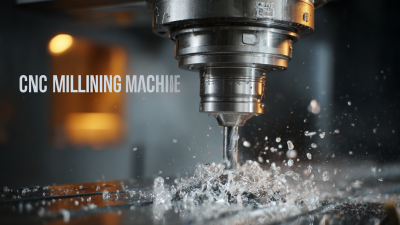
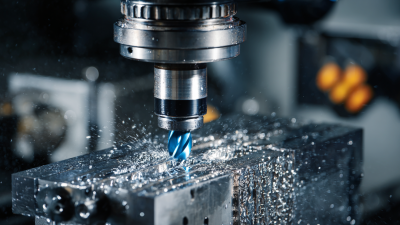
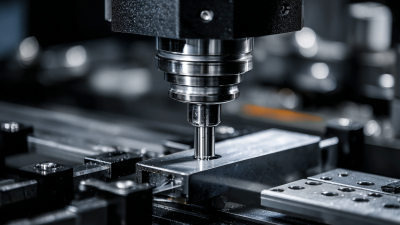
Picking the right Cnc Milling Machine is a big deal for any business looking to streamline their manufacturing process and get those precise cuts right. Honestly, with all the rapid tech updates in CNC machine tools these days, it can feel pretty overwhelming trying to sort through all the options out there. Here at Taizhou Luqiao Shiheng CNC Lathe Co., Ltd., we're really proud of how we're staying ahead of the curve — thanks to our amazing R&D team, who keep pushing to bring the latest innovations into our products. In this blog, I want to share five key tips to help you make smarter choices when picking a CNC milling machine that actually fits your specific needs. Whether you're a seasoned pro or just starting out, understanding these important factors will help you boost your production and hit those business goals more easily.
Understanding Your Production Needs for CNC Milling Machines
So, when you're picking out a CNC milling machine, the most important thing is really understanding what you actually need for your production. I came across a report from MarketsandMarkets that says the global market for CNC machines is expected to hit around $100 billion by 2026. And it’s no surprise that milling machines play a big role there—they’re super versatile and precise, which makes them a popular choice. Basically, figuring out which materials you’ll be working with, how complicated the parts are, and how much you need to produce can make a huge difference in your decision. For example, if accuracy is your top priority, then machines with features like five-axis milling might be what you’re looking for.
Another thing to keep in mind is the workload capacity. A study from IBISWorld points out that industries like aerospace and automotive are driving up the demand for CNC milling—these sectors need machines that can handle tough, demanding tasks without sacrificing precision. If you’re into rapid prototyping or just doing smaller batches, a smaller, more nimble CNC machine might do the trick.
But for bigger production runs? Investing in solid, heavy-duty equipment probably makes more sense for better efficiency and saving money in the long run. Basically, getting a clear handle on these factors will help you choose the perfect milling machine tailored specifically to what you’re trying to achieve in your manufacturing setup.
Key Features to Look for When Selecting a CNC Milling Machine
When you're picking out a CNC milling machine, there are a few key features you really want to pay attention to — because they can make a big difference in how smoothly your manufacturing process runs. First off, accuracy and precision are super important. You wanna go for machines that can produce parts within tight tolerances. Usually, aiming for something under ±0.01mm is ideal if you're dealing with high-precision stuff. Also, it’s worth looking for a machine with a sturdy spindle that can handle different loads and speeds without skipping a beat — after all, you want things to stay efficient and hassle-free.
Another thing to keep in mind is how versatile and user-friendly the machine is. A CNC mill with intuitive software that makes programming and tweaking designs quick and easy is a big plus. Especially nowadays, with rapid prototyping and custom parts more in demand than ever, being able to adapt quickly will keep you ahead of the game. Thanks to some pretty awesome recent tech developments, many CNC machines now need less manual fiddling, which can save you both time and money. As automation becomes a bigger part of things, it’s also smart to consider machines that can be integrated with robots — this can really streamline your workflow and boost your overall productivity.
5 Essential Tips for Choosing the Right CNC Milling Machine for Your Needs
| Feature | Importance | Recommended Range |
| Spindle Speed | Higher speeds lead to more efficient cutting | 8000 - 24000 RPM |
| Axis Configuration | More axes allow for complex shapes and better flexibility | 3-axis to 5-axis |
| Work Envelope | Size of materials you can work with | 30" x 18" to 60" x 30" |
| Control System | Ease of use and programming capabilities | Fanuc, Haas, Siemens |
| Tool Changing Capability | Reduces downtime between tool changes | Automatic tool changers recommended |
Comparing CNC Milling Machine Types: Horizontal vs. Vertical
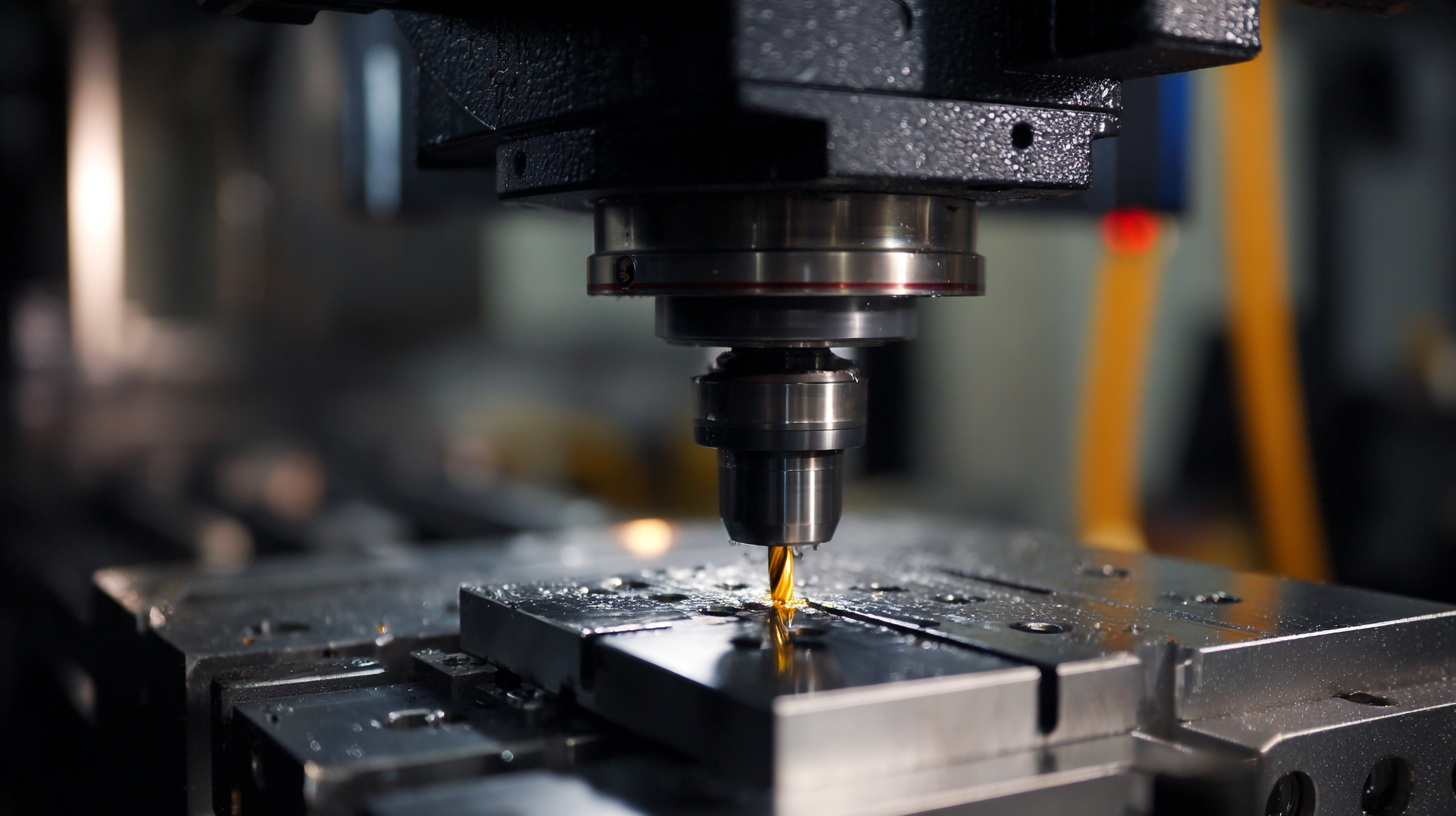 So, when you're trying to decide on a CNC milling machine, it really helps to understand the difference between horizontal and vertical setups. Horizontal mills have a spindle that runs side to side, which is great because it helps with pushing chips out more easily and handles bigger, heavier pieces better. If you’re working on deep or wide parts, a horizontal machine is often the way to go — plus, they tend to be more stable, which means less wobbling and vibrations during cutting. Pretty handy, right?
On the flip side, vertical milling machines are vertically oriented and are fantastic when you need precision and detail. They’re super versatile for a range of tasks like drilling or boring. They usually take up less space too, so if your workshop is tight on room, a vertical mill might be just what you need. While they might not be as good with super heavy-duty materials compared to horizontal ones, vertical mills shine when it comes to intricate work and quick setup changes. At the end of the day, picking between the two really comes down to what your specific projects need and what features matter most for your machining work.
Evaluating the Importance of Machine Precision and Tolerance
When you're in the market for a CNC milling machine, it’s super important to really get what precision and tolerance are all about. I came across a recent report from the International Society of Automation, and it honestly made me realize how much these details can impact the quality of your parts. Like, even a tiny 0.001-inch deviation can bump up your production costs by around 20% — thanks to extra waste and reworking. So, picking a machine that can keep those tolerances tight, pretty consistently, is key to keeping things running smoothly and saving some cash in the long run.
A good rule of thumb? Carefully check out the machine’s specs. You want to look for ones that control tolerances tightly — somewhere between +/- 0.001” and +/- 0.0005”, depending on what you’re working on. Machines with features like thermal stability or a well-designed spindle tend to perform better, especially when accuracy is critical. Plus, don’t forget about the software — the better the programming tools, the more they can help optimize the machining process for better precision.
And another thing to keep in mind is how sturdy the machine is. A solid, rigid frame really cuts down on vibrations, which is a huge factor when you're aiming for high accuracy. According to Modern Machine Shop, boosting a machine’s rigidity by about 30% can actually lead to a similar jump in precision. So, it’s worth considering machines built with quality materials—think cast iron or heavy steel frames—to make sure they stay stable during those long, demanding runs.
Budget Considerations: Finding the Best Value for CNC Milling Machines
When you're looking to buy a CNC milling machine, your budget really needs to be a top priority. Finding that sweet spot between cost and what the machine can actually do is super important—it's not always easy to get the right one without spending a fortune. A good starting point is to set a clear budget, but don’t forget to factor in ongoing costs like maintenance, tooling, and any software you might need down the line.
Pro tip: do your homework and do it thoroughly. Shop around, compare different brands and models, and figure out which ones give you the best bang for your buck. Think about the features that really matter for your work—things like spindle speed, how many tools it can handle, and how precise it is. Try to find a machine that offers a decent mix of quality and affordability so you're not sacrificing performance.
Also, don’t overlook the possibility of buying used. A well-maintained used CNC mill can save you a lot of money and often works just as well as a brand new one. Just be sure to check if it comes with any warranty or service options—that stuff really adds to the value of your investment and peace of mind.
Assessing Brand Reputation and Customer Support Options in CNC Milling
When you're in the market for a CNC milling machine, it's really important to consider the brand's reputation and how good their customer support is. A well-known brand usually hints at reliability and good quality—something you definitely want when precision is a must for your business. And with the rising demand for intricate parts—like those tiny aluminum housings used in everything from gadgets to aerospace—picking a brand that's innovative and efficient can make a big difference.
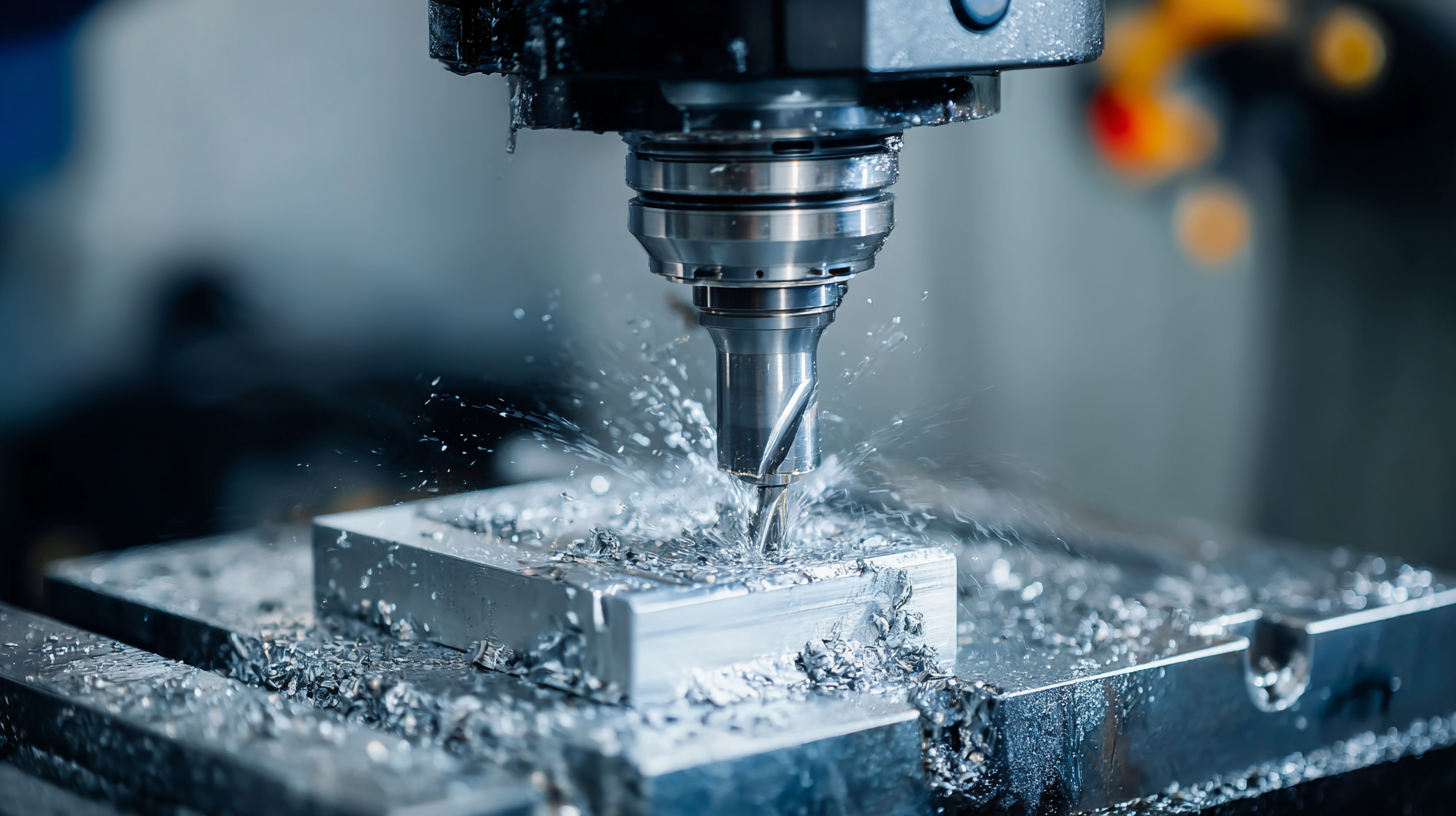
But hey, don’t forget about support! Having access to solid technical help and quick service can totally change your experience with the machine. It’s especially helpful when you're dealing with long wait times, which are pretty common in this industry. As companies are always trying to speed things up and cut down delays so they can jump on new opportunities faster, having a trustworthy support system really sets a brand apart. Going with a manufacturer that invests in good customer service means you’re better equipped to handle any logistical hiccups and stay competitive in this fast-moving market.
Maximizing Precision and Efficiency: The Small Slant Bed CNC Lathe Machine with Optional Milling Function
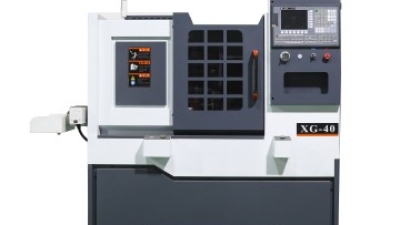
In today’s fast-paced manufacturing landscape, maximizing precision and efficiency is paramount. The small slant bed CNC Lathe Machine, particularly the XG40 and XG46 models, stands out as a game-changer. Designed with a unique slant bed architecture, these machines offer exceptional chip removal performance, ensuring that operations run smoothly without the hindrance of debris build-up. This feature not only enhances productivity but also supports the longevity of the machine, making it a reliable addition to any workshop.
Moreover, the robust rigidity and high precision of the XG series enable manufacturers to achieve tight tolerances in their machining processes. The small footprint of these machines is another significant advantage, allowing them to fit seamlessly into various shop layouts without sacrificing performance. With easy operation and a high degree of automation, these CNC lathes are ideal for a wide range of applications, from intricate components in the aerospace sector to everyday manufacturing tasks. The optional milling function further enhances their versatility, making them a comprehensive solution for those looking to optimize their machining capabilities.
FAQS
: You should evaluate the types of materials you'll work with, the complexity of the parts you need to produce, and the desired production volume. This can help determine whether you need advanced capabilities like five-axis milling or simpler machines for lower production demands.
Workload capacity is crucial, especially for industries such as aerospace and automotive, which require machines that handle rigorous demands while maintaining accuracy. For rapid prototyping or low-volume production, smaller machines may suffice, whereas larger production runs may require more robust machinery for efficiency.
For precision machining applications, a tolerance of less than ±0.01mm is often sought after to ensure high-quality part production.
Very important. A user-friendly interface and adaptability for programming changes are crucial for maintaining competitiveness, especially as the demand for rapid prototyping and customized parts increases.
Your budget should encompass the initial purchase cost as well as future expenses like maintenance, tooling, and necessary software. Setting a comprehensive budget helps ensure you don’t overspend on your investment.
Thoroughly research the market by comparing various brands and models, focusing on features relevant to your needs like spindle speed and precision levels. Look for machines that balance quality and affordability.
Yes, a well-maintained used CNC milling machine can offer significant savings and often performs comparably to new models. Be sure to check warranties and service options to enhance the value of your investment.
Look for machines that require less manual intervention and offer capabilities for robotic integration. These advancements can reduce production costs and lead times, ultimately enhancing productivity.
Conclusion
When you're trying to pick the right CNC milling machine for your production needs, it’s really important to get a solid handle on what you actually require. I’d start by taking a good look at the key features that match up with your specific projects—think about the types of materials you'll be working with, how much you plan to produce, and just how precise you need things to be. Oh, and don’t forget to consider the differences between horizontal and vertical mills — each has its own perks, depending on the kind of work you're doing.
Precision and tolerances are a big deal, honestly—they can make or break the quality of your final product, so understanding just how critical these factors are really matters. Of course, your budget shouldn’t be neglected either. The trick is to find a machine that gives you the best bang for your buck, while still performing well. And last but not least, take a moment to check out the company's reputation and their support options. Going with a trusted partner like Taizhou Luqiao Shiheng CNC Lathe Co., Ltd., can make all the difference—they're at the forefront of CNC tech, backed by a serious R&D team and tons of industry experience. It’s all about making a smart choice that fits your needs, right?