When you're diving into manufacturing, getting a handle on the different types of Lathe Machinesis pretty essential. Experts like John Harris from Precision Tooling Co. like to point out that, "Picking the right Lathe Machine can really make a difference in how efficient your production is and how good the final quality turns out." For folks around the world trying to make sense of it all, it can feel a bit overwhelming, but honestly, it’s also pretty rewarding if you get it right.
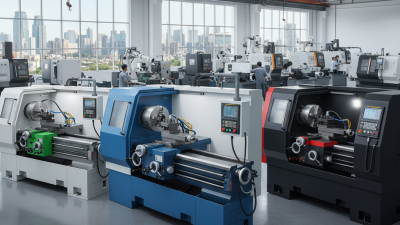
Lathe Machines come in all shapes and sizes — from Cnc Lathes to good old manual models — and each has its own perks. When choosing one, you really need to think about your specific production needs, your budget, and how precise you need your work to be. It’s not just about going for the cheapest brand or the flashiest machine; it’s more like planning ahead for where you want your business to go in the future.
A lot of people don’t know all that much about these machines — maybe they don’t fully understand what each one can do. That’s why it’s smart to check out both new and used options. Each has its ups and downs, so doing your homework can really pay off. Making a well-informed choice can lead to better productivity and less downtime in the long run. Chatting with industry pros can also help fill in those gaps in your knowledge and guide you toward making the best decision in today’s super competitive market.
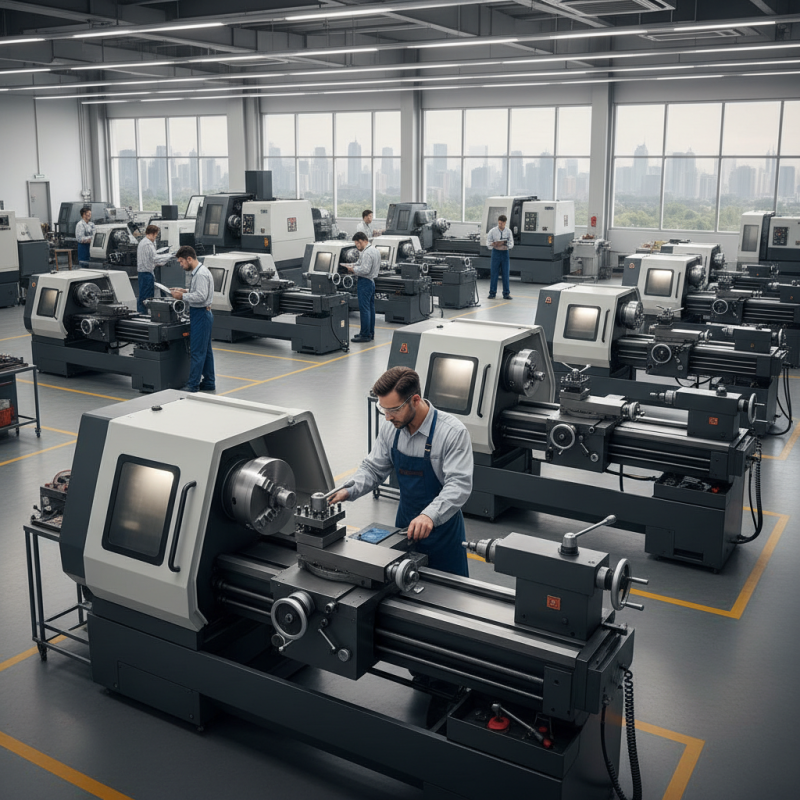
Overview of Lathe Machines and Their Importance in Manufacturing
Lathe machines play a crucial role in modern manufacturing. They shape and cut materials into desired forms. Many industries rely on these machines for precision work. In fact, according to a report by the International Federation of Robotics, the demand for lathe machines has increased by over 15% annually in recent years. This growth underscores their significance in production processes.
Cnc Lathe Machines have revolutionized the manufacturing landscape. They automate complex tasks that were once time-consuming. These machines can produce high-quality parts with minimal human intervention. A recent study found that companies using CNC technologies reported a 30% increase in productivity. However, integrating such machines can be challenging, especially for smaller operations.
Here are some tips for considering a lathe machine purchase. Assess your production needs carefully. Understand that not all lathes fit every business model. Research various types to find the right match for your work. Finally, ensure proper training for operators to maximize machine efficiency. Ignoring these steps could lead to costly mistakes.
Top Lathe Machine Types for Global Buyers to Consider
Types of Lathe Machines: A Comprehensive Breakdown
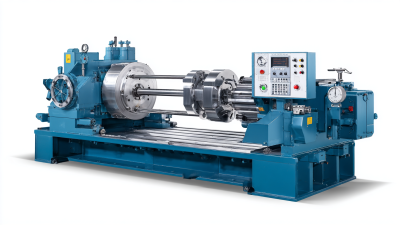
Lathe machines come in various types, each designed for specific applications. Understanding these types helps global buyers make informed decisions. The Turret Lathe Machine stands out for its versatility. It features multiple cutting tools, which enhances productivity. This machine is ideal for turning complex shapes and is often found in job shops.
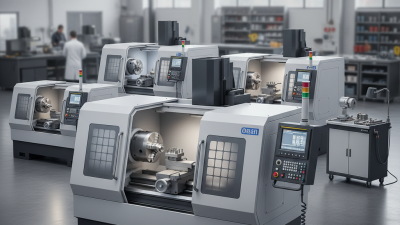
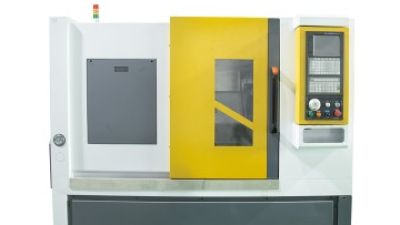
Another type worth mentioning is the CNC lathe. It offers precision and automation, making it a popular choice for mass production. These machines rely on computer programming, allowing for intricate designs that manual lathes cannot achieve. However, setting up a CNC lathe requires skilled operators and can lead to initial overhead costs.
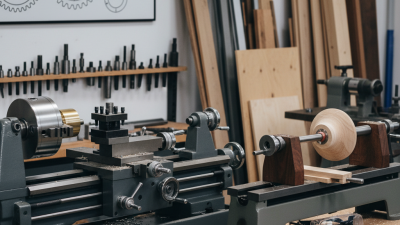
Manual lathes still have a place in many workshops. They provide greater flexibility for small projects or unique tasks. However, using a manual lathe can be labor-intensive and may result in inconsistencies without skilled operation. Buyers need to assess their specific needs, considering the trade-offs of each type.
In the end, choosing the right lathe machine involves understanding both its capabilities and limitations.
Key Features to Look For When Choosing a Lathe Machine
When selecting a lathe machine, buyers should prioritize key features to ensure optimal performance. One vital aspect is spindle speed, which affects the material removal rate. Higher RPM allows for efficient cutting, particularly in Cnc And Lathe Machine applications. A report by Research and Markets reveals that machines with adjustable spindle speed saw a 30% increase in productivity for users.
Another important feature is the machine's weight and stability. Heavier lathes provide better vibration dampening. This stability is crucial for precision work, particularly in metal machining. According to a leading manufacturing industry study, firms investing in heavier, well-constructed lathes reduced operational errors by nearly 25%. This directly improves the overall quality of finished products.
Moreover, the versatility of a lathe machine can significantly impact operations. Machines equipped with automatic tool changers enhance productivity. They reduce the downtime between tasks, a point emphasized in a 2023 tooling report. Buyers should consider the capability for multi-axis machining as well. This feature allows for more complex designs, catering to a broader range of applications. However, not all users may fully utilize this capability, indicating a need for skills development in the workforce. The investment in advanced machinery must be matched by training to maximize return.
Comparison of Manual vs. CNC Lathe Machines
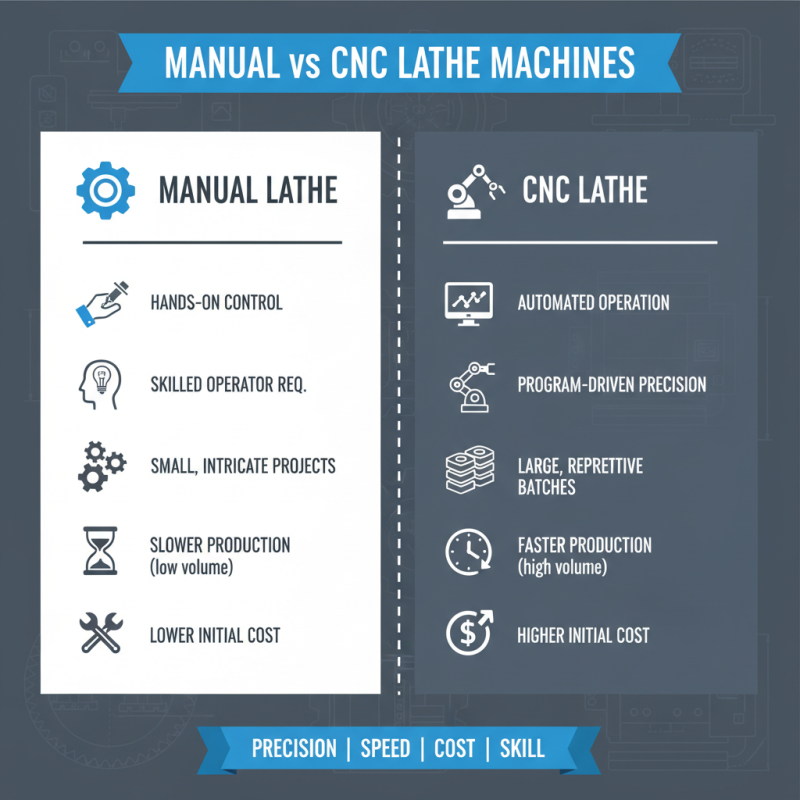
When comparing manual and Cnc Lathe Machines, different factors come into play. Manual lathes offer a hands-on approach. They require skilled operators who can control the machine's movements. This can be advantageous for small, intricate projects. However, it demands significant operator experience.
On the other hand, CNC lathes excel in precision and efficiency. They can produce complex parts consistently and quickly. Programmers can set them to work autonomously, reducing the chance of human error. Yet, this technology may not be accessible to everyone. The learning curve can be steep, and initial costs are higher.
Both options have their merits and drawbacks. Manual lathes foster a deeper connection between the operator and the craft. Many find satisfaction in the tactile nature of manual machining. Conversely, Cnc Machines offer speed and scalability. The choice between them often hinges on project needs and available expertise. Reflecting on what each machine offers can guide a buyer's decision.
Popular Lathe Machine Brands Preferred by Global Buyers
When considering lathe machines, several brands stand out among global buyers. According to a recent industry report, over 40% of manufacturers prefer machines known for their reliability and precision. Key features such as automatic spindle speed adjustment and user-friendly interfaces frequently attract attention.
Market analysis indicates that top-performing lathes offer advanced technology. For instance, CNC lathes are now favored for their capability to produce intricate designs with minimal human oversight. These machines can reduce cycle times by up to 30%, which is appealing to businesses aiming for efficiency.
However, not all brands meet the expectations of quality. Users frequently report challenges with after-sales support and warranty services. This inconsistency can influence purchasing decisions. Buyers should conduct thorough research to identify brands with strong technical support and proven reliability.
Essential Accessories and Tools for Optimizing Lathe Operations
When optimizing lathe operations, the right accessories and tools play a crucial role. Essential equipment includes cutting tools designed for precision and durability. High-speed steel (HSS) tools are often favored for their versatility. Carbide tools are also popular, as they offer longevity and can handle tough materials.
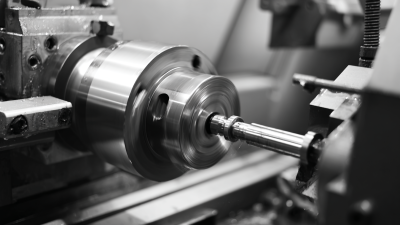
Another important accessory is the lathe chuck. This device holds the workpiece securely in place. A quality chuck minimizes vibrations, leading to smoother cuts. Tool holders are equally significant as they enhance tool stability and reduce setup time. Properly maintained tool holders prevent misalignment during machining.
These components can improve efficiency but require careful selection. Many users overlook the significance of proper calibration. Ignoring this detail can result in packaging less than optimal results. Keeping a regular maintenance schedule for accessories is vital. Ensuring everything is clean and in good working condition contributes to a successful lathe operation. The goal is consistency in output without compromising on quality.
Maintenance Tips for Longevity of Lathe Machines
Maintaining lathe machines is crucial for their longevity. Regular maintenance can prevent wear and improve accuracy. Start by cleaning the machine regularly. Dust and shavings can accumulate and affect performance. A simple brush or vacuum can help keep surfaces clean. It's also wise to lubricate moving parts. Proper lubrication reduces friction and extends the machine's life.
Check the accuracy of your Cnc Auto Lathe Machine periodically. Calibration ensures precision in your work. If your machine shows signs of inaccuracy, adjustments are needed. Inspect belts and gears for wear as well. A worn belt can lead to power loss and increased wear on other components.
Don't forget about the electrical systems. Regular inspections can catch potential problems before they escalate. If you notice any flickering lights or strange noises, investigate immediately. Ignoring these symptoms can lead to costly repairs. Reflect on your maintenance routine to find areas for improvement. Small changes can result in significant benefits.
Enhancing Precision and Efficiency in Manufacturing: Insights from Industry Reports on Heavy Duty Integral Slant Bed CNC Lathe Machines
In the realm of manufacturing, the integration of advanced technologies like the heavy-duty integral Slant Bed Cnc Lathe machine signifies a crucial step towards enhancing precision and efficiency. The slant bed design inherently promotes excellent chip removal performance, which is vital for maintaining the machining process's integrity. This feature minimizes downtime and ensures consistent performance, making it particularly suitable for industries that demand high-volume production of complex parts such as shafts, discs, and sleeves.
The operational characteristics of modern CNC lathes also contribute to their effectiveness in the manufacturing sector. With a strong emphasis on automation, these machines reduce the need for manual intervention, thereby increasing reliability and efficiency. Their high precision capabilities allow manufacturers to achieve tighter tolerances and superior finishes, which are essential in today’s competitive market. Furthermore, the ease of operation combined with a large processing range positions CNC lathes as an indispensable asset in manufacturing processes, capable of handling varied and complex tasks with remarkable proficiency.
FAQS
: A turret lathe machine features multiple cutting tools for enhanced productivity. It's ideal for turning complex shapes.
CNC lathes offer precision and automation for mass production. They create intricate designs that manual lathes struggle with.
Setting up a CNC lathe needs skilled operators. Initial costs can be high, which might deter some buyers.
Yes, manual lathes provide flexibility for small projects. However, they can be labor-intensive and may lead to inconsistencies.
Higher spindle speeds improve cutting efficiency. Adjustable speeds are essential for maximizing productivity, especially in CNC applications.
Heavier machines offer better stability and reduced vibration. This stability is vital for precision, especially in metal machining.
Automatic tool changers reduce downtime between tasks, boosting productivity during operations.
Yes, multi-axis capability improves design complexity. However, training is needed to fully utilize this feature effectively.
Buyers often underestimate training needs. Investing in advanced machinery without proper skills development can limit returns.
Evaluate your specific projects and required capabilities. Understand the trade-offs of different machines to make an informed choice.
Conclusion
Lathe machines play a crucial role in the manufacturing industry, offering precision and versatility in shaping various materials. This article provides a comprehensive overview of the different types of lathe machines, ranging from manual to CNC variants, highlighting their unique features and applications. When choosing a lathe machine, buyers should consider key aspects such as size, power, and versatility to meet their specific operational needs.
Additionally, the article emphasizes the importance of essential accessories and tools that can enhance lathe operations while also offering maintenance tips for ensuring longevity and optimal performance. A thorough understanding of these components will empower global buyers to make informed decisions when selecting the right lathe machine for their manufacturing processes.