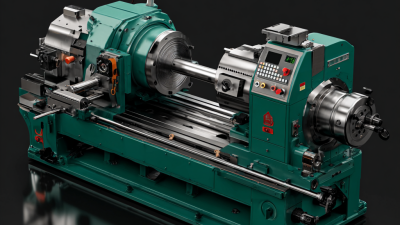
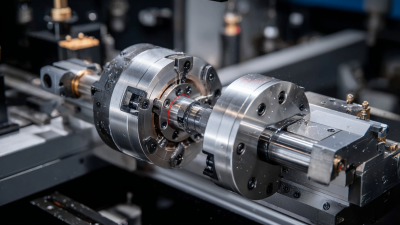
In today’s super competitive manufacturing world, choosing the right machine is really key if you want to succeed. The Flat Bed Lathe Machineis a staple in many industries — it offers a great mix of precision and flexibility for all kinds of machining work. I was just reading a recent market report, and it said the global Cnc Lathe market could hit around$4.5 billion by 2025, growing at about 5.2% per year.
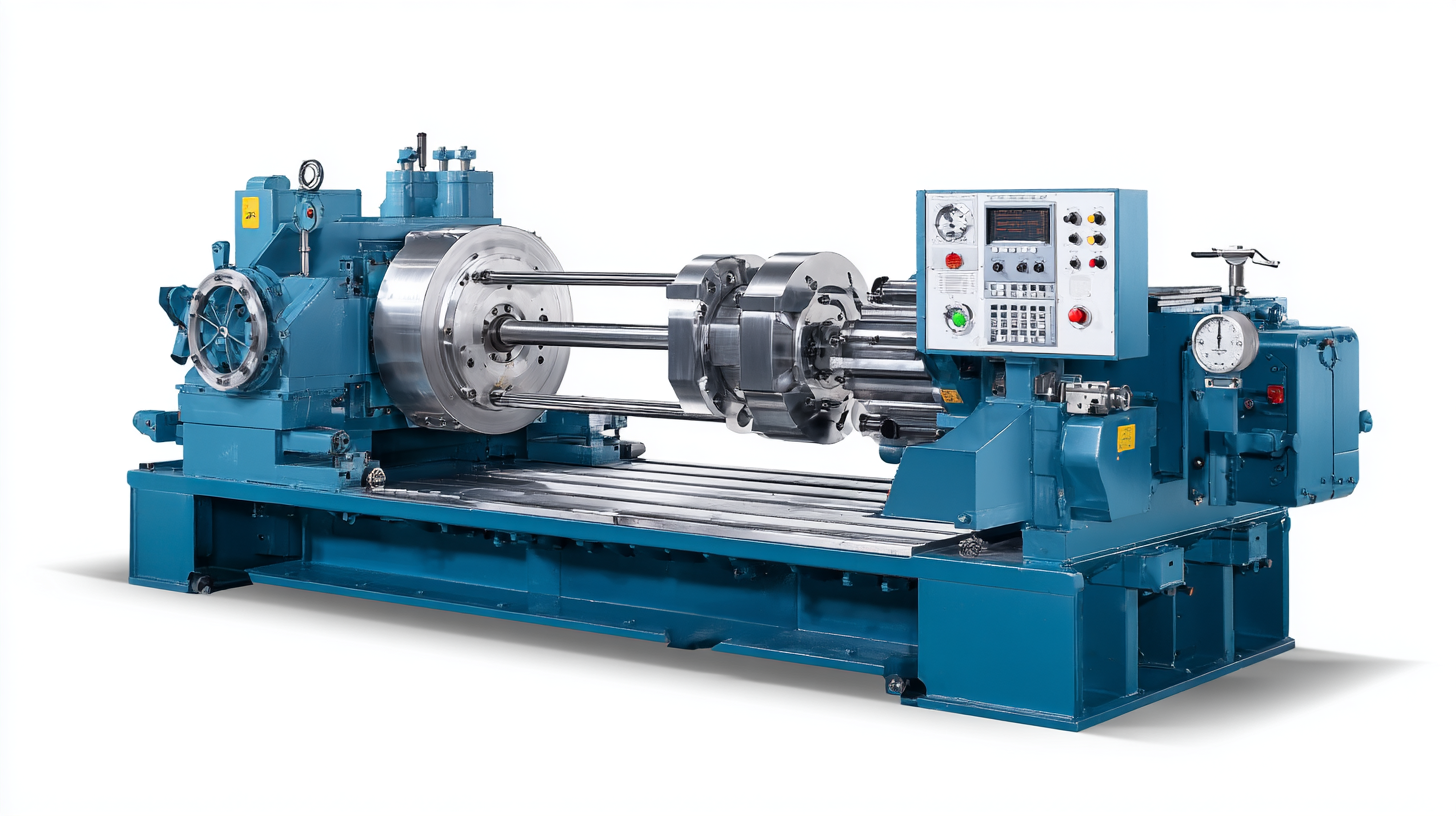
Over here at Taizhou Luqiao Shiheng CNC Lathe Co., Ltd., we’re pretty proud of staying ahead when it comes to Cnc Machine tech. Our R&D team, made up of some of the best engineers and experts out there, is always on the lookout for new tech to improve ourFlat Bed Lathe Machines.
That way, we can make sure they keep aligning with what manufacturers need as things change. This guide is here to help you figure out how to pick the best Flat Bed Lathe Machine for your shop — so you can level up your production and get the best results possible.
Key Features to Look for in a Flat Bed Lathe Machine
When you're on the hunt for the best flat bed lathe machine for your manufacturing setup, it’s pretty important to get a grip on the key features that can boost your productivity and give you that accuracy you need. One of the main things to look out for is how solid and stable the machine is. A strong, well-built frame helps cut down on vibrations during operation, which really makes a difference in the final quality of your work. So, it's a smart idea to choose machines made with good materials and sturdy construction — they tend to last longer and perform better over time.
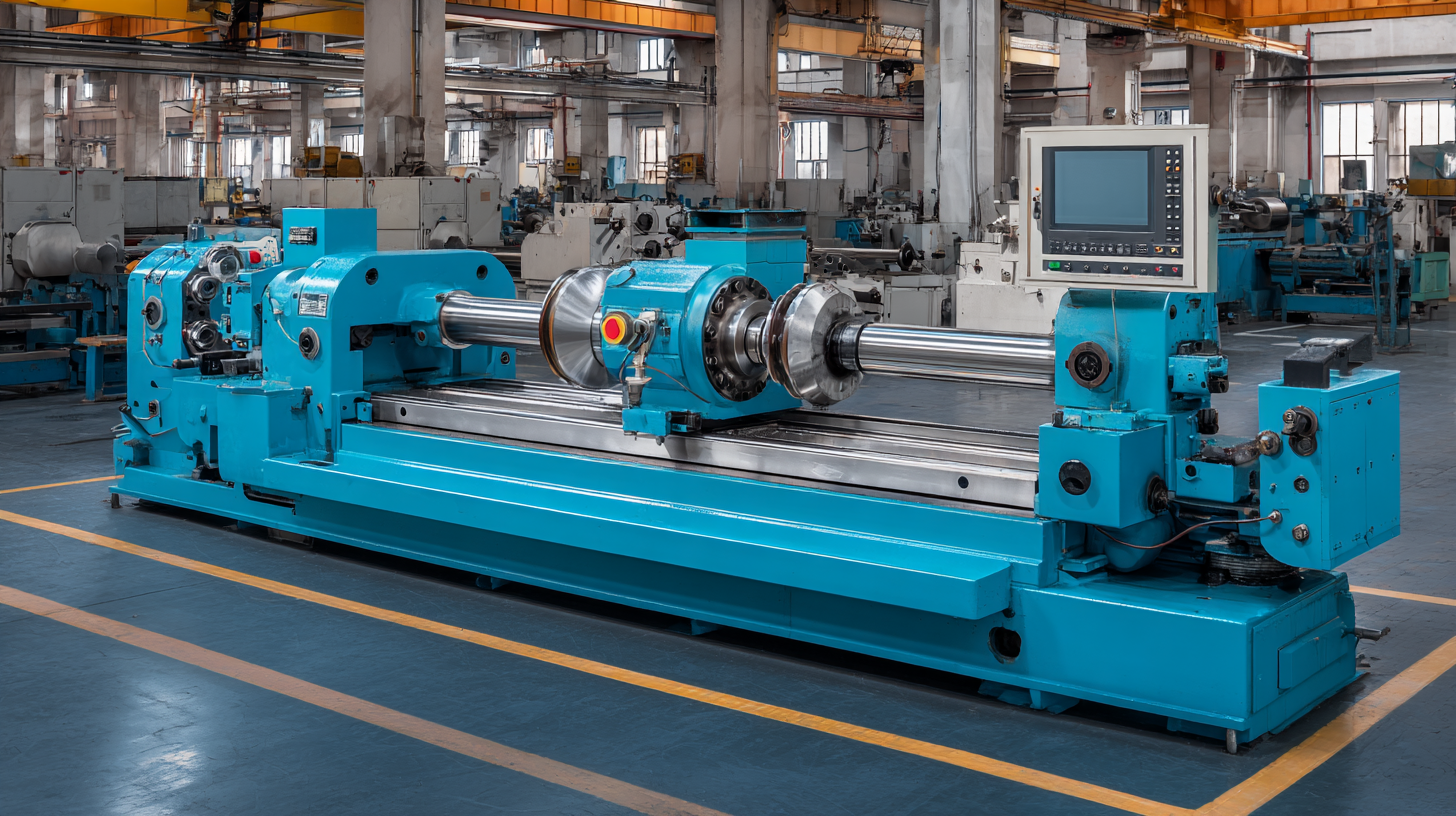
Another thing not to overlook is the spindle speed range and torque. Having a variety of speeds means you can handle different types of materials and complex designs without a hitch. Plus, torque at various speeds is a game-changer, especially when you're working with tougher materials — it keeps things running smoothly and efficiently. Don’t forget to check out what kind of tooling options are available too. Machines that can swap out or support a variety of tools give you the flexibility to customize your projects and meet different manufacturing needs. If you focus on these features, you’re pretty much setting yourself up for better performance and a more satisfying experience overall.
Understanding Different Types of Flat Bed Lathes
When you're trying to pick the best flat bed lathe for your manufacturing needs, it’s pretty important to understand the different types out there. Flat bed lathes are pretty common in lots of machining tasks, and they come in a few main flavors—like manual, CNC (that’s Computer Numerical Control), and precision lathes. From what industry reports say, about 40% of manufacturers lean towards CNC lathes because they can produce really precise parts with barely any human effort, which means you get more done, faster.
**Pro tip:** Think about how much you’re planning to produce. If it’s a smaller run, a manual lathe might do just fine. But if you’re looking at high-volume stuff, a CNC lathe is usually the way to go.
Plus, don’t forget to look at the tooling options and how stable the machine is. Generally, precision lathes are built for better rigidity, helping you get smoother finishes and tighter measurements. Some studies even suggest that a stable machine can boost performance consistency by around 30%, which means less waste and fewer reworks.
**Another tip:** Make sure the lathe you pick can handle a variety of tooling—it’ll give you more flexibility for different projects or materials down the line.
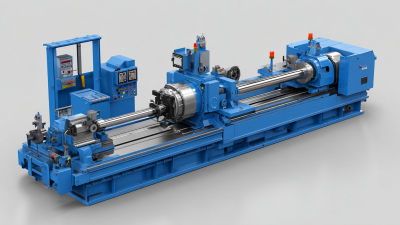
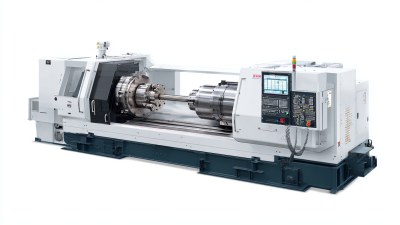
The Best Flat Bed Lathe Machines Comparison
Essential Specifications for Optimal Performance
When you're choosing a flat bed lathe machine, it’s pretty important to get a good handle on the key specs — stuff like spindle power, maximum swing diameter, and bed length. I read somewhere recently, like in a report by Technavio, that machines with over 5 HP spindle power can really boost productivity, mainly because they cut down cycle times. That’s a big deal if you’re doing high-volume runs. Oh, and don’t forget about the swing diameter — it’s kinda crucial because it determines what size workpieces you can handle. Bigger diameters mean you’ve got more flexibility to work with different sizes.
Here’s a quick tip: think about what you actually need the lathe for. If you’re planning to machine larger parts, then definitely look for one with a bigger swing. It’ll save you headaches down the line.
Another thing to pay attention to is the rigidity of the machine. The ones with solid static stiffness tend to stay more precise even at higher speeds, which means a better finish on your work and longer-lasting tools. A market report I saw recently mentioned that improving rigidity can boost machining efficiency by about 20%. Pretty impressive, right?
And one more thing — if you can, go for features like CNC controls. They add a whole new level of precision and automation, making things way easier and reducing mistakes, especially when you’re dealing with complicated projects. All in all, it’s about finding that sweet spot between specs and your real-world needs.
Top Brands: A Comparison of the Best Flat Bed Lathes
Choosing the right flat bed lathe machine for your manufacturing setup isn’t just about picking a brand; it’s really about understanding what each top brand brings to the table — their strengths and weaknesses. Take Taizhou Luqiao Shiheng CNC Lathe Co., Ltd., for example. They’re all about pushing the envelope with the latest tech, backed by a team of top-notch engineers who are constantly innovating. That dedication to staying at the forefront means their CNC lathes don’t just meet current manufacturing standards — they often go beyond. Actually, a recent industry report kinda backs this up — companies using high-precision flat bed lathes can boost their efficiency by up to 30%, which really helps cut down on production time and costs.
When you’re comparing different flat bed lathes, it’s good to keep an eye on some key features: spindle speed, torque, and how solid the build feels. Brands like Haas Automation and Okuma have built quite a reputation for reliability and performance — they’re often on top of the list for serious manufacturers. One pro tip is to look for machines that come with fancy features like adaptive control systems; these can really help streamline your machining process and give productivity that extra push.
And don’t forget about support — having a good tech support network can make all the difference when it comes to machine longevity and keeping things running smoothly. Studies show that catching and fixing issues early with expert advice can cut machine downtime by about 20%. So, putting your money into a dependable flat bed lathe, paired with strong technical support, could really level up your manufacturing game.
Cost Considerations: Budgeting for Your Lathe Purchase
Thinking about buying a flat bed lathe? Well, one of the first things you gotta do is get a clear picture of your budget. It’s pretty important because these machines can really vary in price depending on their features, brand, and size. Don’t forget to factor in costs beyond just the machine—things like accessories, maintenance plans, and even training for whoever’s going to operate it. Taking this all into account upfront can save you from those nasty surprises when the bills start piling up after your initial purchase.
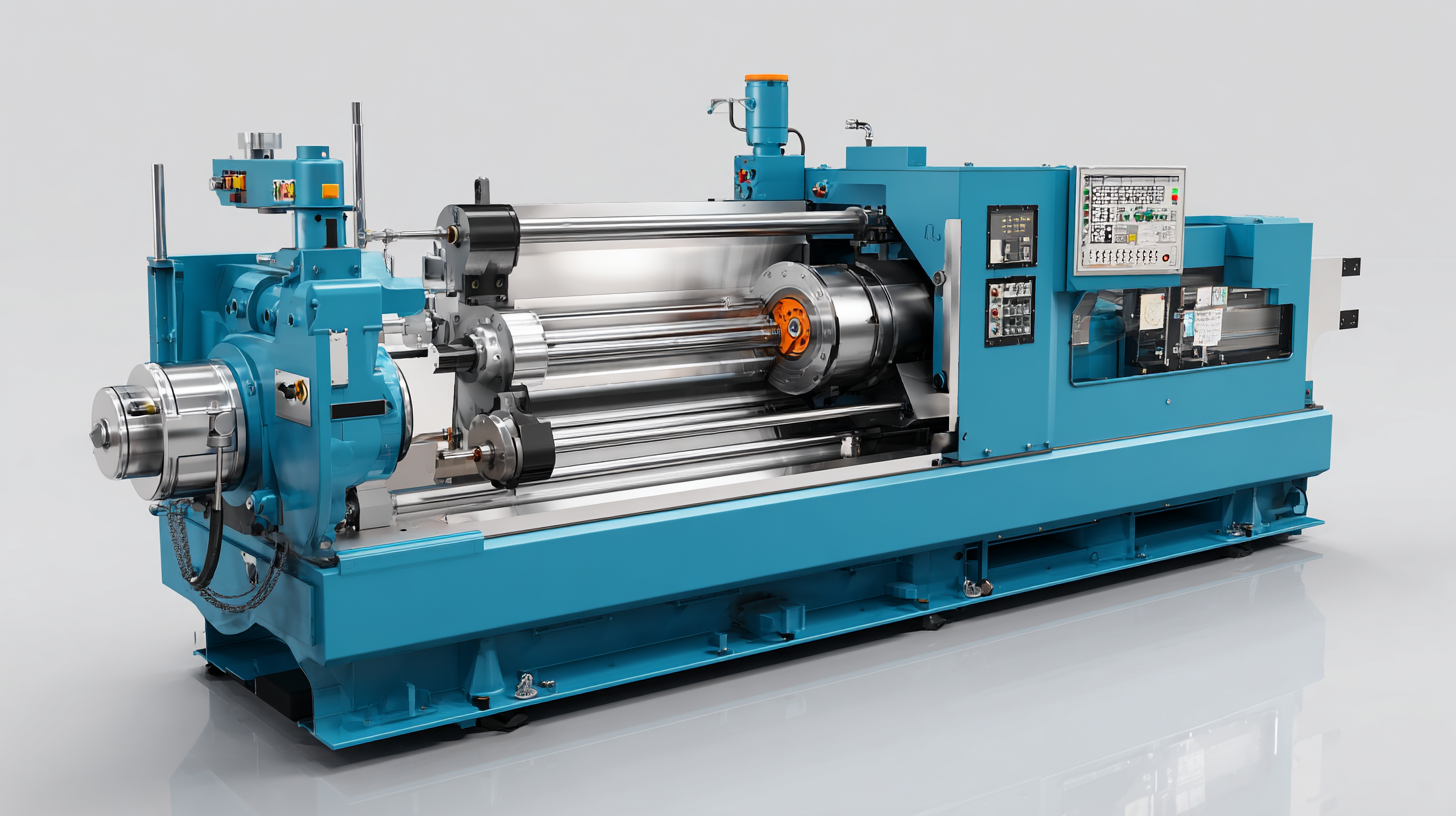
And hey, it’s also worth thinking about what kind of value you’re gonna get in the long run. Sure, a really high-end lathe might cost more at the beginning, but the increased efficiency and accuracy could actually boost your productivity and cut down on operational costs over time. Spend a bit of time analyzing your current production needs and future plans—that way, you can pick a machine that fits your budget but still offers room to grow and adapt. Bottom line: making a smart financial choice now will save you headaches later on and keep your manufacturing running smoothly and profitably.
Maintenance Tips to Extend the Life of Your Flat Bed Lathe
If you want your flat bed lathe machine to keep running smoothly and last a long time, regular maintenance is key—trust me, it really makes a difference. I came across a report from the American Machine Tool Distributors' Association, and it basically said that machines not properly maintained can see productivity drop by as much as 25%. That really emphasizes how important it is to stick to a maintenance routine that covers daily, weekly, and monthly checks. For daily stuff, you’ll want to focus on cleaning it up, checking fluids, and making sure all the parts are working like they should.
Beyond those daily checks, following the manufacturer’s recommended preventive maintenance can seriously extend how long your lathe lasts. The National Association of Manufacturers mentions that companies with scheduled maintenance actually see about half the downtime—pretty impressive, right? Some of the basic preventive steps include lube for moving parts, inspecting belts and gears for wear, and recalibrating your lathe to keep things precise. Using smart tech, like predictive maintenance tools, can also help you catch issues before they turn into costly problems by signaling when parts might need replacing. Putting these habits into practice doesn’t just keep your lathe in top shape—it also helps your whole manufacturing operation run more smoothly and efficiently.
FAQS
: Key specifications include spindle power, maximum swing diameter, bed length, and rigidity. These factors influence the machine's productivity, versatility, and ability to maintain tolerances during operations.
Spindle power exceeding 5 HP can significantly enhance productivity by reducing cycle times, which is crucial for high-volume production environments.
The maximum swing diameter impacts the lathe's capability to handle various workpieces; larger diameters allow for greater versatility in machining larger components.
Higher rigidity improves surface finishes and extends tool life by maintaining tolerances better during high-speed operations, potentially increasing machining efficiency by up to 20%.
Invest in additional features like CNC controls and adaptive control systems to enhance precision, optimize performance, and reduce operator error during complex manufacturing processes.
Brands like Haas Automation and Okuma are known for their reliability and performance, which can lead to efficiencies of up to 30%, significantly reducing production times and costs.
Budgeting should include not only the machine cost but also expenses for accessories, maintenance plans, and operator training to avoid unexpected financial strains.
A high-quality flat bed lathe may have a larger upfront cost, but its efficiency and precision can lead to higher productivity and lower operational costs over time, ensuring a beneficial return on investment.
A strong technical support network can significantly impact machine longevity and performance; addressing maintenance issues promptly can reduce downtime by about 20%.
Analyzing past production requirements and anticipated future needs helps determine the best machine that fits your budget while providing scalability and versatility for your operations.
Conclusion
When it comes to manufacturing these days, picking the right flat bed lathe machine is a pretty big deal. It’s all about streamlining your production and making sure everything runs precisely. This guide is here to help you out — we’ll walk through the important features you should look for, like build quality, power, and control systems. Plus, we’ll go over the different types of flat bed lathes out there, so you can find one that really fits your specific needs. Knowing the key specs is super important if you want your machine to perform at its best. And to make things easier, we’ve also thrown in a comparison of some top brands, so you can make a decision you’re confident in.
Of course, budget matters when you’re shopping around for a lathe, and paying attention to maintenance tips can really help the machine last longer. Here at Taizhou Luqiao Shiheng CNC Lathe Co., Ltd., we’re all about innovation. That’s why our machines incorporate the latest tech, helping us stay ahead as leaders in Cnc Machine Tools. Trust us — we’ve got your back in getting the right equipment for your operation.