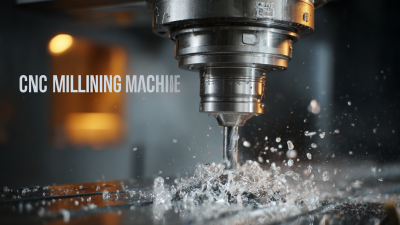
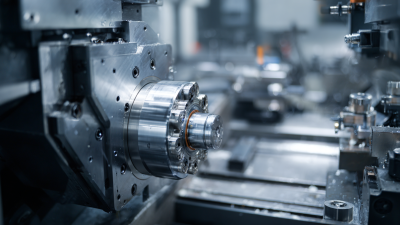
In today’s competitive world of manufacturing, choosing the right equipment isn’t just important — it’s pretty much everything. Take the Heavy Duty Cnc Lathe, for example. It really stands out as a must-have tool if you're serious about precision machining. Lots of buyers around the globe are on the hunt for reliable equipment that can boost productivity and meet those high standards. But let’s be honest — figuring out which machine fits best isn’t always straightforward. It takes a bit of know-how and some careful attention to details.
As we dig into the top 10 heavy-duty Cnc Lathes for 2026, it’s worth keeping a few things in mind. The market is packed with brands like Haas, DMG Mori, and Mazak — each one offering something a little different. Sure, these machines promise efficiency, but whether they’re the right fit really depends on your specific needs. Can they handle all kinds of materials? That’s an important question.
This guide is here to help you make sense of it all and pick the perfect Heavy Duty Cnc Lathe. Good machining is really about understanding the latest tech and what you actually need from your equipment. You gotta ask yourself — what are your production goals? And then find a machine that lines up with that vision. With innovation happening all the time, staying in the know is key when making this kind of decision. So, take your time, do your research, and choose wisely — it’s worth it!
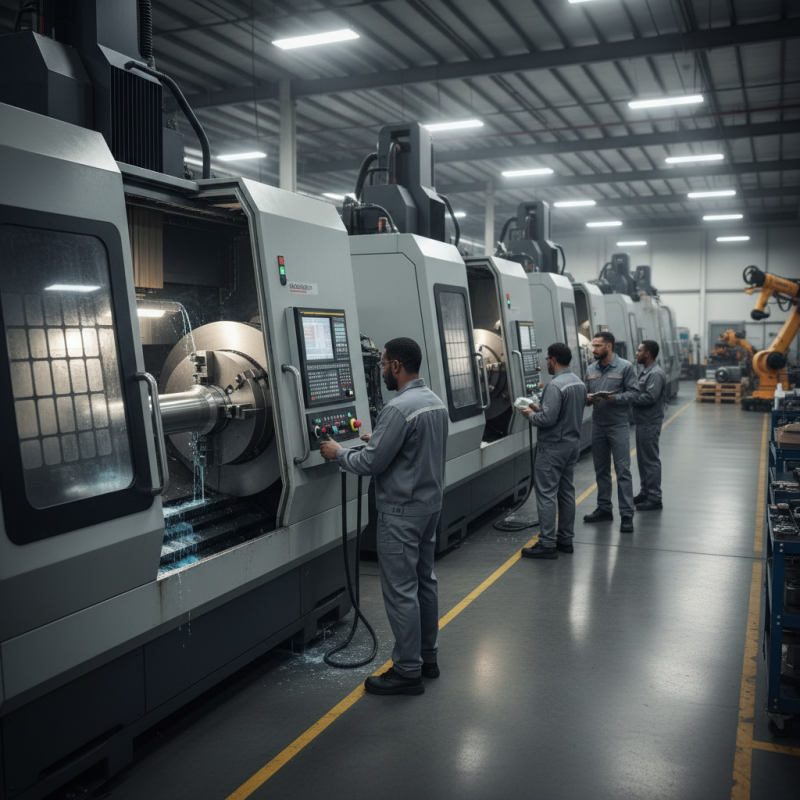
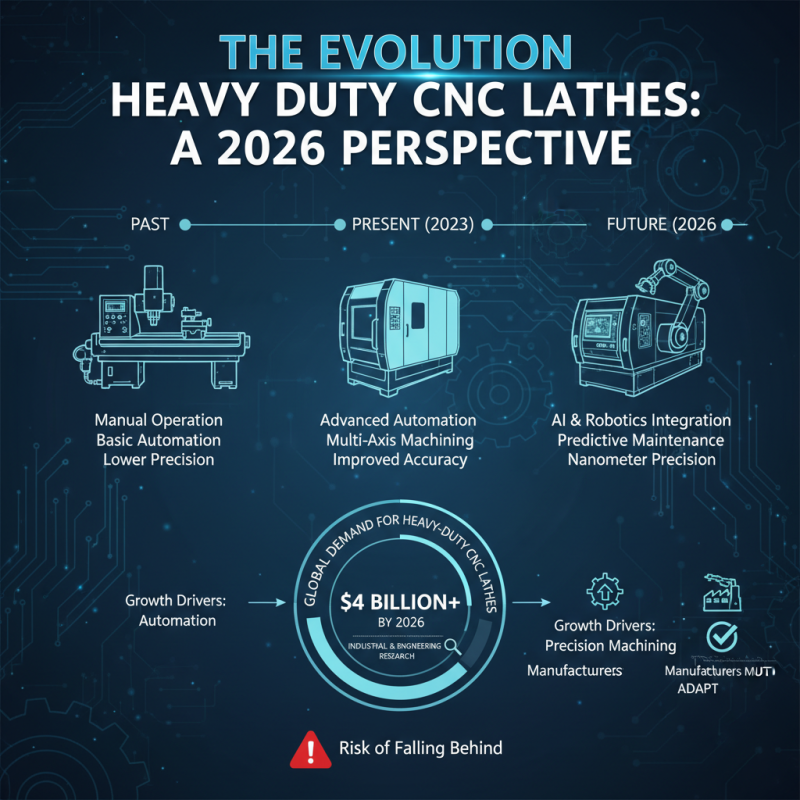
The Evolution of Heavy Duty CNC Lathes: A 2026 Perspective
The evolution of heavy-duty CNC lathes is essential for manufacturers' growth. By 2026, global demand for CNC heavy-duty lathes is expected to exceed $4 billion, according to a market analysis by Industrial & Engineering Research. This rise reflects advancements in automation and precision machining capabilities. Manufacturers must adapt to these changes or risk falling behind.
Recent trends indicate a shift towards energy efficiency in CNC heavy-duty lathes. This is often overlooked but vital. Reports show that machines focused on reducing power consumption can enhance sustainability while delivering high performance. In an industry that increasingly values eco-friendliness, this aspect is crucial. Yet, many companies still ignore basic maintenance, impacting the machines' longevity and reliability.
Moreover, the integration of IoT into CNC technology is impressive. It allows real-time monitoring and data collection. However, many manufacturers struggle with the implementation. They often lack the expertise to fully utilize these features. As the market evolves, navigating this technological landscape will be challenging. Failing to do so might hinder growth opportunities for manufacturers using CNC heavy-duty lathes. Continuous improvement and training are needed to stay competitive.
Key Specifications and Features to Consider in Heavy Duty CNC Lathes
When selecting a heavy-duty CNC lathe, several key specifications deserve attention. The machine's rigidity is crucial for achieving precision. A rigid framework helps minimize vibration during operation. This stability is essential for maintaining accuracy throughout the machining process. The weight of the lathe also significantly impacts its performance. Heavier machines tend to handle cutting forces better and reduce the risk of deformation.
Tooling capability is another vital factor. A heavy-duty Lathe Cnc should support a range of tooling options. This flexibility allows for various machining tasks, from simple turning to complex contouring. Consider the spindle speed range as well. Different materials require different speeds for effective machining. A versatile speed range enhances the lathe's ability to adapt to various applications.
Additionally, CNC control features are paramount. User-friendly interfaces can improve efficiency. However, some control systems may have steep learning curves. It's worth reflecting on your team's ability to adapt to new technology. Finally, energy consumption is becoming increasingly important. Machines that consume less power not only reduce costs but also align with sustainability goals. Investing in an efficient Lathe Cnc can make a significant difference in long-term operations.
Top Global Manufacturers and Market Share Analysis for 2026
The Cnc Lathe market is seeing significant growth. As industries demand precision machining, the market share of heavy-duty CNC lathes rises. According to a recent industry report by ResearchAndMarkets, the global CNC lathe market is projected to reach $5.67 billion by 2026, with a compound annual growth rate (CAGR) of 6.2%. This surge highlights the increasing reliance on automated machinery for complex tasks.
Major manufacturers dominate the market landscape. Their strategic investments in technology advance production capabilities. The top players accounted for approximately 40% of the global market share as of 2022. Innovations in CNC lathe design and enhanced operational efficiency are key factors driving this growth. However, challenges persist. Smaller firms struggle to compete due to high capital investment requirements. Additionally, the talent gap in skilled operators poses a potential risk for these high-tech machines, emphasizing the need for ongoing training and development.
Market analysts predict the rise of smart CNC lathes integrated with IoT solutions. This could reshape machining processes significantly. Companies must adapt or risk falling behind. As demand fluctuates, manufacturers must remain agile. Balancing innovation and operational efficiency is essential to capture market opportunities. The evolution of heavy-duty CNC lathes will require strategic foresight and technological adaptation in the coming years.
Technological Innovations Impacting Heavy Duty CNC Lathe Performance
Technological innovations are significantly shaping the performance of heavy-duty CNC lathes. Advanced automation features streamline production processes. These innovations reduce the risk of human error. This results in higher precision and efficiency in manufacturing. The integration of AI and machine learning drives better decision-making. Machines can now adapt to changing conditions and optimize workflows in real time.
Moreover, enhanced materials and engineering techniques lead to greater durability. New cutting tools are designed to last longer and perform better. With increased toughness, manufacturers can tackle more complex projects. Yet, these advancements come with challenges. Not all companies can keep up with rapid technological changes. Smaller enterprises may struggle to invest in the latest machinery. Balancing cost and innovation is crucial for sustained growth.
Lastly, user training is essential. As machines become more complex, operators need comprehensive skills. Without proper training, the full advantages of technology may not be realized. This gap could hinder productivity. Therefore, continuous education is vital for maximizing performance. Investing in workforce development is as important as acquiring new technology.
Case Studies: Successful Implementations of CNC Lathes in Industry
In recent years, the adoption of CNC lathes has transformed industries globally. One notable case is a manufacturing plant that integrated a heavy-duty CNC lathe into their operations. This machine enhanced precision and speed, boosting overall productivity. However, challenges arose during the implementation phase. Operators needed sufficient training to handle the equipment effectively. Without proper knowledge, mistakes were common, leading to increased waste.
Another case study involved a small automotive parts supplier that decided to invest in a Diy Cnc Lathe. Initially, the team faced difficulties calibrating the machine correctly. Searching for guidance online became a crucial step for them. After numerous trials, they managed to streamline their processes. The experience highlighted how important it is to continuously learn and adapt when using advanced technology. This trial-and-error approach proved beneficial in the long run.
Additionally, a large aerospace company showcased the effectiveness of CNC lathes in their production line. They encountered issues with machine downtime due to maintenance. Identifying and resolving these problems required a commitment to ongoing evaluation. The lesson learned was clear: success in CNC operations demands vigilance and a willingness to learn from both successes and failures.
Market Trends: Demand Forecast for Heavy Duty CNC Lathes in 2026
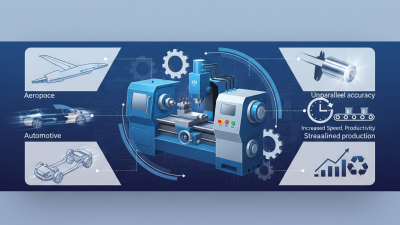
The demand for heavy-duty CNC lathes is set to rise sharply in 2026. Manufacturers are focusing on producing durable and efficient machines. These lathes are essential for industries like aerospace, automotive, and heavy machinery. Precision and reliability are critical factors driving this trend.
Market analysts predict a substantial increase in production capacity. Companies will invest in advanced technologies to enhance performance. Data-driven insights show that customization and flexibility will be key priorities. However, this shift may not come without challenges. Integrating newer technologies can be costly and complex.
Additionally, workforce skill gaps could hinder progress. Training and development are crucial for utilizing advanced CNC lathes effectively. Companies must also adapt to changing regulations and sustainability goals. Failure to address these issues may limit growth potential. Industry leaders must remain vigilant and innovative to meet the evolving market demands.
Cost-Benefit Analysis of Investing in Heavy Duty CNC Lathes
Investing in heavy-duty CNC lathes can be a significant decision. The initial costs are often high, but the long-term benefits can outweigh these expenses. These machines enhance productivity and precision in metalworking. They offer efficient solutions for complex tasks, reducing time spent on production.
Tips: Look for machines with robust features. Advanced technology can lead to greater accuracy and less wasted material. This will save costs in the long run.
Consider maintenance and training costs. Regular upkeep is essential for these machines. Operators should receive adequate training to maximize their efficiency. This investment in skills can lead to fewer errors and increased output.
Weigh the immediate costs against potential gains. Heavy-duty CNC lathes can elevate production capacity. However, assess your business needs carefully. Reflect on how these machines will impact overall performance and profitability.
Enhancing Precision Machining: The Impact of Small Slant Bed CNC Lathe Machines with Optional Milling in Modern Manufacturing
In the competitive landscape of modern manufacturing, small slant bed Cnc Lathe Machines with optional milling capabilities have emerged as pivotal tools for enhancing precision machining. These innovative machines, characterized by their unique design and advanced technology, significantly improve chip removal performance, leading to better efficiency and productivity. According to a report by the International Federation of Robotics, the adoption of CNC lathe machines is projected to grow at a compound annual growth rate (CAGR) of over 7% through the next five years, reflecting the increasing demand for automation and high-precision manufacturing processes.
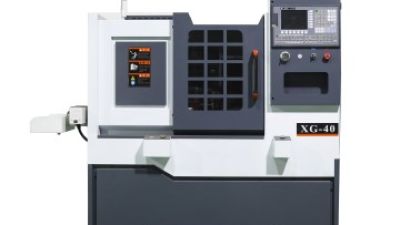
The design of slant bed CNC lathes, such as the XG40 and XG46 series, contributes to their strong rigidity and high precision. The slanted design not only facilitates optimal chip flow but also minimizes the risk of tool wear and tear, thus extending the lifespan of the equipment. Furthermore, these machines occupy a compact footprint, making them ideal for manufacturers looking to optimize floor space without compromising functionality. Research indicates that manufacturers who have integrated such advanced CNC technology into their operations see a significant reduction in setup times and an increase in throughput, enabling them to respond swiftly to market demands.
With a high degree of automation, small slant bed CNC lathes can perform a wide range of machining tasks, including turning and milling, thus broadening their application scope. The versatility of these machines allows manufacturers to undertake complex projects with ease, reducing the need for multiple setups and enhancing overall operational efficiency. As the manufacturing sector continues to evolve towards smart factory concepts, the integration of small slant bed CNC machines with advanced milling options will play a crucial role in maintaining competitiveness in a rapidly changing industry landscape.
FAQS
: Innovations streamline production, reducing human error. This increases precision and efficiency for manufacturers.
AI improves decision-making. Machines adapt to changing conditions, optimizing workflows in real time.
Better materials lead to greater durability. New tools perform better and last longer, allowing for complex projects.
Smaller enterprises may find it hard to invest in new technologies. Keeping pace with rapid changes is difficult.
Training is essential. Operators need skills to maximize technology benefits. Without it, productivity can suffer.
Demand is projected to rise due to focus on efficiency and durability in industries like aerospace and automotive.
Integrating new tech can be costly and complex. Companies need to manage these challenges wisely.
Skill gaps hinder effective usage of advanced lathes. Continuous education is vital to bridge this gap.
Precision and reliability are key drivers. Companies must also address regulations and sustainability goals.
They must remain innovative and adaptable. Addressing training and regulatory issues is crucial for success.
Conclusion
The article "Top 10 Heavy Duty CNC Lathes for Global Buyers in 2026" explores the advancements and essential features of heavy-duty CNC lathes. It highlights the evolution of these machines, providing a 2026 perspective on their technological innovations and key specifications that buyers should consider. The analysis includes a market share overview of top manufacturers, revealing trends in demand and performance that are shaping the industry.
Furthermore, the article presents case studies showcasing successful implementations of heavy-duty CNC lathes across various sectors, illustrating their impact on productivity and efficiency. It concludes with a cost-benefit analysis, emphasizing the advantages of investing in these machines for manufacturers seeking to enhance their operational capabilities in 2026 and beyond.