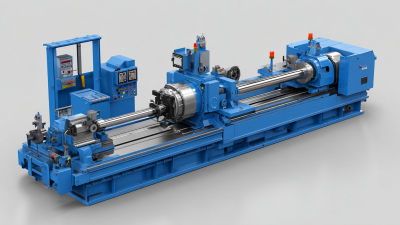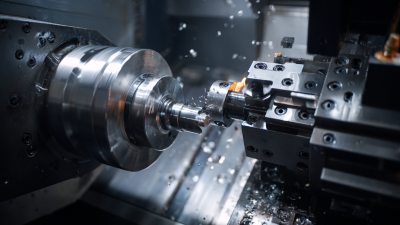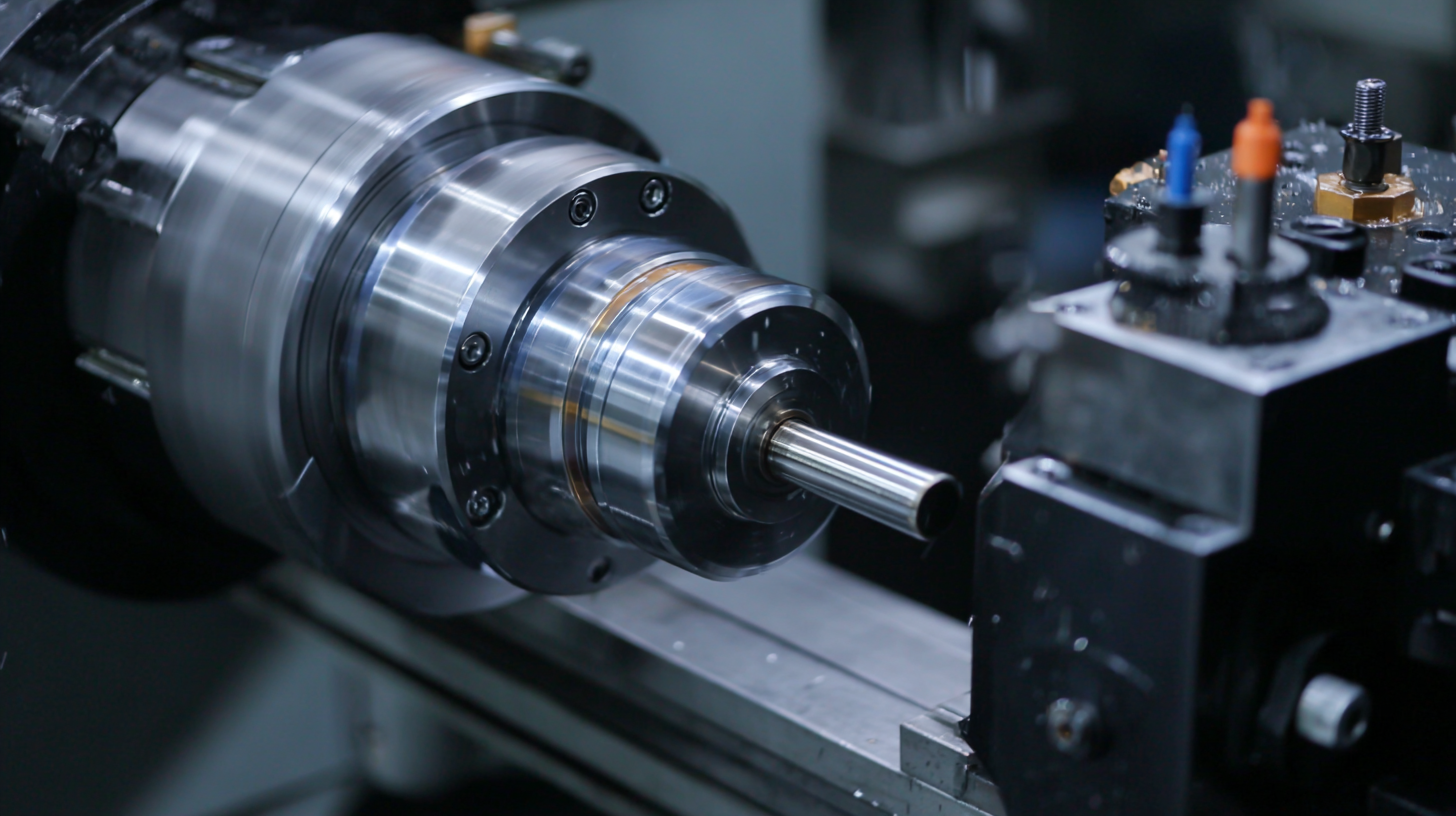
When you think about modern manufacturing these days, it's all about efficiency and precision, right? Lately, we've seen a real surge in the use of Parallel Lathes. Industry reports actually predict that the global CNC lathe market will hit around 3.3 billion USD by 2026, growing at about 5.2% annually. That just goes to show how much demand there is for smarter, more advanced lathe techniques that can boost both productivity and quality. Here at Taizhou Luqiao Shiheng CNC Lathe Co., Ltd., we're proud to be leading the way in CNC machine tool technology. Our R&D team is packed with top-notch engineers and experts who are passionate about pushing the boundaries of what's possible. We're always working to incorporate the latest tech into our products because we believe that’s the best way to provide real solutions for mastering Parallel Lathe techniques. As we dive into the ins and outs of this critical machinery, our goal is to help manufacturers get the most out of their operations and reach results they can really be proud of.
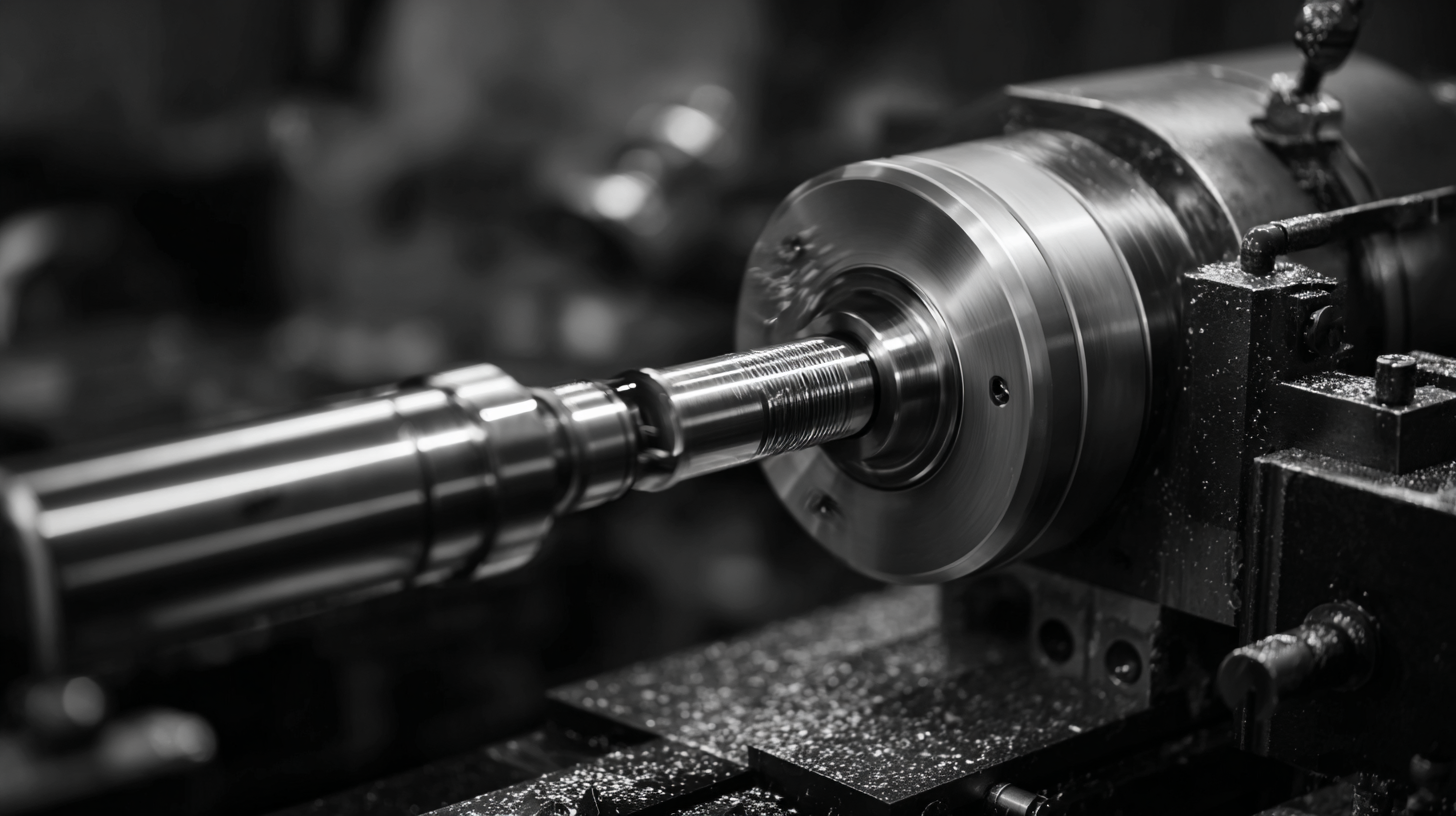
If you're into metalworking or machining, mastering parallel lathe techniques is pretty much a must-have. At its core, it’s all about really getting the mechanics of the lathe, choosing the right tools, and knowing the materials you're working with. Getting the hang of parallel turning means making sure your workpiece is firmly held and lined up just right—that way, you can take accurate measurements and make precise adjustments as you go. That kind of solid foundation makes all the difference when you want smooth, consistent results in your finished pieces.
Another big part of learning these techniques is familiarizing yourself with different cutting tools and when to use each one. Some tools are better for roughing out the shape, while others are meant for finishing touches or threading. Knowing which tool to pick and how to use it properly can really speed things up and improve your results. Plus, understanding the properties of various materials—from soft metals to tougher alloys—helps you adapt your approach for the best outcome. The more you practice and get comfortable with these basics, the better you'll become at turning raw material into top-quality parts. Trust me, it’s all about patience, practice, and a bit of curiosity to keep improving.
Getting really good at parallel lathe operations can be a game-changer in the Cnc Machining world — where precision and efficiency are everything, right? With the global CNC market expected to grow from around $101 billion in 2025 to nearly $196 billion by 2032, it’s clear that sharpening those lathe skills is more important than ever. Not only does this boost your production, but it also helps you keep up with the increasing demands across various industries.
One of the coolest perks of mastering these techniques is being able to hit tighter tolerances. This is especially crucial if you’re aiming for top-notch quality in your work. Plus, with the U.S. CNC machine market projected to hit about $4 billion by 2030, having solid lathe skills puts you in a prime spot to grab new market opportunities. It can even help your business stay competitive with better pricing and better profits.
**Quick tip:** If you want to level up your parallel lathe game, start experimenting with different materials—get a feel for how each behaves. Don’t forget to keep your machine in tip-top shape by regular maintenance and calibration. And if you’re serious about staying ahead, check out industry workshops or online courses; they’re a great way to stay updated with the latest tech and techniques.
When it comes to machining, getting the hang of parallel lathe techniques is pretty important if you want better precision and accuracy in your work. I came across a report from the American Society of Mechanical Engineers (ASME) that shows even small differences in tolerances can really affect how well machined parts perform and how reliable they are. For most tight-tolerance jobs, hitting a tolerance of plus or minus 0.005 inches is a must, which just goes to show how crucial it is to use refined lathe techniques to meet those strict standards.
On top of that, there's a study from the Manufacturing Technology Association (MTA) that points out that shops using more advanced parallel lathe methods can actually boost their productivity by up to 20%. That kind of jump comes from shorter cycle times and less rework, which makes a big difference. When machinists apply these techniques, they can make better use of materials and still produce high-quality parts that stick to industry standards. Focusing on precision and accuracy with smarter machining practices can really help manufacturers cut costs and stay competitive out there. It’s all about working smarter, really.
Getting the hang of parallel lathe techniques can really boost efficiency in a bunch of industries — think aerospace, automotive, you name it. The precision involved in these methods is a big deal for making sure the parts come out top-notch. For example, using advanced tooling systems and better coolant management makes a real difference—it helps with heat control, chip removal, and getting that smooth surface finish everyone wants. When you bring these strategies into play, manufacturers can tackle common turning challenges and end up with far better results.
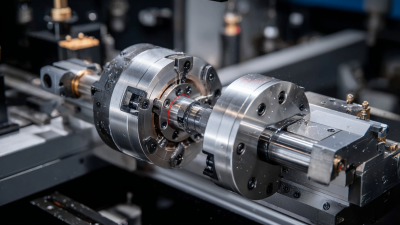
On top of that, the magic really happens when you combine smart machinery—like automated twin-spindle lathes paired with milling machines. It just shows how versatile parallel lathe techniques are. This kind of setup not only speeds things up but also gives you way more control when working on tricky shapes. Here at our company, we're all about pushing CNC machine tool tech forward through continuous R&D. By staying on top of the latest innovations, we’re better equipped to help different sectors optimize their lathe work and really hit that sweet spot of operational excellence.
When you're learning to master parallel lathe techniques, steering clear of common mistakes can really make a big difference in how your projects turn out. One of the most frequent missteps? Not setting up your workpiece properly. Make sure the material's securely clamped and lined up with the lathe's spindle—that way, you avoid vibrations that mess up your cuts. Taking the time to get your setup right isn’t just about better accuracy; it also helps your tools last longer, which is always a win.
Another thing folks often overlook is choosing the right cutting speed and feed rate for the material you're working with. Every material has its own sweet spot, and using the wrong settings can wear out your tools faster or give you a rough surface finish. So, it’s worth taking a moment to get familiar with the specs of what you’re working with, and don’t be afraid to tweak your settings for better results.
And one more thing—don’t underestimate how crucial good tooling and regular maintenance are. Dull or damaged tools can throw off your accuracy and even cause accidents. Always double-check your tools before you start, and keep them sharp. Keeping your lathe in good shape will also make your machine run smoother and save you from unexpected breakdowns. If you prioritize these little things, you'll see your skills improve, and your projects will turn out way better than you might expect.
| Mistake | Description | Consequences | Prevention Tips |
|---|---|---|---|
| Improper Tool Setup | Not aligning the tool correctly in the tool post. | Can lead to inaccurate cuts and possible tool damage. | Ensure precise alignment before cutting. |
| Incorrect Speed Settings | Using wrong RPM for the material being machined. | May cause poor finish quality or overheating. | Refer to material and tool manufacturer’s guidelines. |
| Neglecting Lubrication | Not using lubrication when cutting. | Increased friction and heat leading to tool wear. | Apply appropriate cutting fluid based on the material. |
| Ignoring Workpiece Stability | Not ensuring the workpiece is securely held. | Can result in vibrations leading to inaccurate machining. | Use appropriate clamps and supports to stabilize the workpiece. |
As the world of parallel lathe tech keeps evolving, it’s super important for machinists and manufacturers to stay on top of what’s coming next and the best ways to adapt. I recently came across a report by Professor Liu Qiangfrom Beihang University—quite interesting stuff—highlighting how Cnc Machine Tools have come so far, touching on their history and what’s ahead. It’s clear thatautomation and smart tech are really about to change the game, making operations faster and more precise than ever.
If you want to stay competitive, I’d suggest really investing in modern CNC tech that boosts productivity. Also, don’t forget to keep learning—regular training on the newest tools and methods is key. Plus, trends are leaning heavily toward sustainability—more manufacturers are pushing for eco-friendly materials and greener processes. Jumping on board with these changes not only helps with environmental standards but also appeals to a broader customer base that cares about sustainability.
My tip? Work closely with suppliers offering green solutions and make sure your team is trained on these new approaches. Keeping up with these trends is pretty much essential if you’re aiming for long-term success in the world of parallel lathes.
: Mastering parallel lathe operations enhances precision, efficiency, and production capabilities, making professionals better positioned to capitalize on emerging market opportunities and improving overall profitability.
Achieving tight tolerances, such as ±0.005 inches, is crucial for high-quality outputs and is essential for most tight-tolerance applications, impacting the performance and reliability of machined parts.
Facilities using advanced parallel lathe methods can increase overall productivity by up to 20% due to reduced cycle times and lower rework rates, allowing for more effective material use and consistent high-quality production.
Future trends include the integration of automation and smart technologies, which are expected to enhance efficiency and precision in parallel lathe operations, alongside a growing focus on sustainability.
To enhance your skills, practice with various materials, maintain and calibrate your lathe regularly, and consider participating in workshops or online courses to stay updated with the latest technologies and techniques.
Manufacturers are increasingly prioritizing eco-friendly materials and processes, aligning with global environmental standards and appealing to customers who value sustainability, which is becoming a significant trend in the industry.
The global CNC machine market is projected to grow from $101.22 billion in 2025 to $195.59 billion by 2032, highlighting the increasing importance of refining lathe techniques.
Ongoing training is essential for maintaining a competitive edge, as it helps machinists stay informed about modern CNC technology and best practices, ensuring they can adapt to industry advancements effectively.
When it comes to machining, getting the hang of Parallel Lathe techniques is pretty much a must if you want top-notch precision and efficiency. This guide walks you through the basics of these techniques, pointing out their main perks — like better accuracy and the flexibility to use them across different industries. If you really get a handle on the best practices and apply them, you can dodge some common pitfalls and get great results on your projects.
Looking ahead, the tech behind Parallel Lathes is still evolving, thanks to the latest innovations from industry leaders. At Taizhou Luqiao Shiheng CNC Lathe Co., Ltd., our R&D team is all about pushing the boundaries — constantly working to incorporate new advancements into our CNC machines to make Parallel Lathes even more powerful for today’s manufacturing needs. Keeping up with these trends really helps companies stay competitive in such a fast-moving industry.