In today’s fast-changing world of manufacturing tech, getting a handle on Vertical Cnc Machines is more important than ever for companies looking to boost efficiency and accuracy. I mean, according to MarketsandMarkets, the Global Cnc Machine market is expected to smash through$100 billion by 2025. And a big part of that growth is driven by vertical CNC machines—they’re super versatile and can produce really complex parts with precision that’s hard to beat. Brands like Haas Automation and Okuma are leading the way, offering high-tech vertical CNC solutions that work across a bunch of industries—think aerospace, medical devices, and more.
As manufacturers try to keep up with Industry 4.0 demands, bringing vertical CNC machines into the mix helps make workflows smoother and productivity better. A study from the National Institute of Standards and Technology (NIST) even shows that companies using pretty advanced CNC tech can see productivity jumps of up to 30%. So, it’s really crucial for operators and engineers to get comfy with how these machines work. But more than that, they should also learn some of the smart techniques and best practices to get the most out of them. Here’s a handy guide with ten key tips to help pros master their Vertical CNC Machines—because, let’s face it, staying competitive means staying sharp and making the most of these awesome tools.
Understanding the Basics: Key Components of Vertical CNC Machines
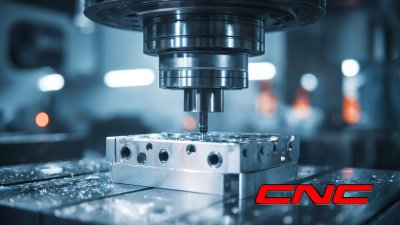
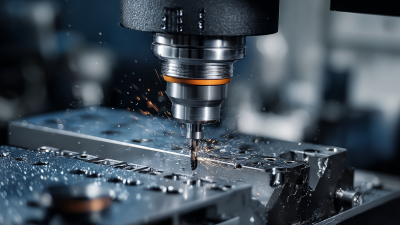
Vertical CNC machines are integral to modern manufacturing, providing high precision and efficiency in machining operations. Understanding the key components of these machines is crucial for operators aiming to maximize their performance. The main components include the spindle, which holds the cutting tool; the worktable, where the material is secured; and the axes, which provide movement. According to a report by MarketsandMarkets, the global Cnc Machining market is forecasted to reach $100 billion by 2025, indicating a growing reliance on these technologies.
To effectively utilize a vertical CNC machine, consider regular maintenance of the spindle. This ensures optimal cutting performance and extends the machine's lifespan. Implementing a dust extraction system can also help maintain cleanliness, which is vital for accuracy in machining. Additionally, aligning the machine correctly can reduce wear and improve precision, making your processes more efficient and cost-effective.
Another crucial aspect is the programming of the CNC machine. Familiarize yourself with the G-code to better control the machining operations. Effective programming helps to reduce cycle times and enhances productivity. A report by Technavio highlighted that efficient CNC programming could increase production speeds by up to 25%, showcasing the importance of mastering the software tools associated with these machines.
Mastering Your Vertical CNC Machine: Key Components Overview
Essential Setup Techniques for Precision and Accuracy
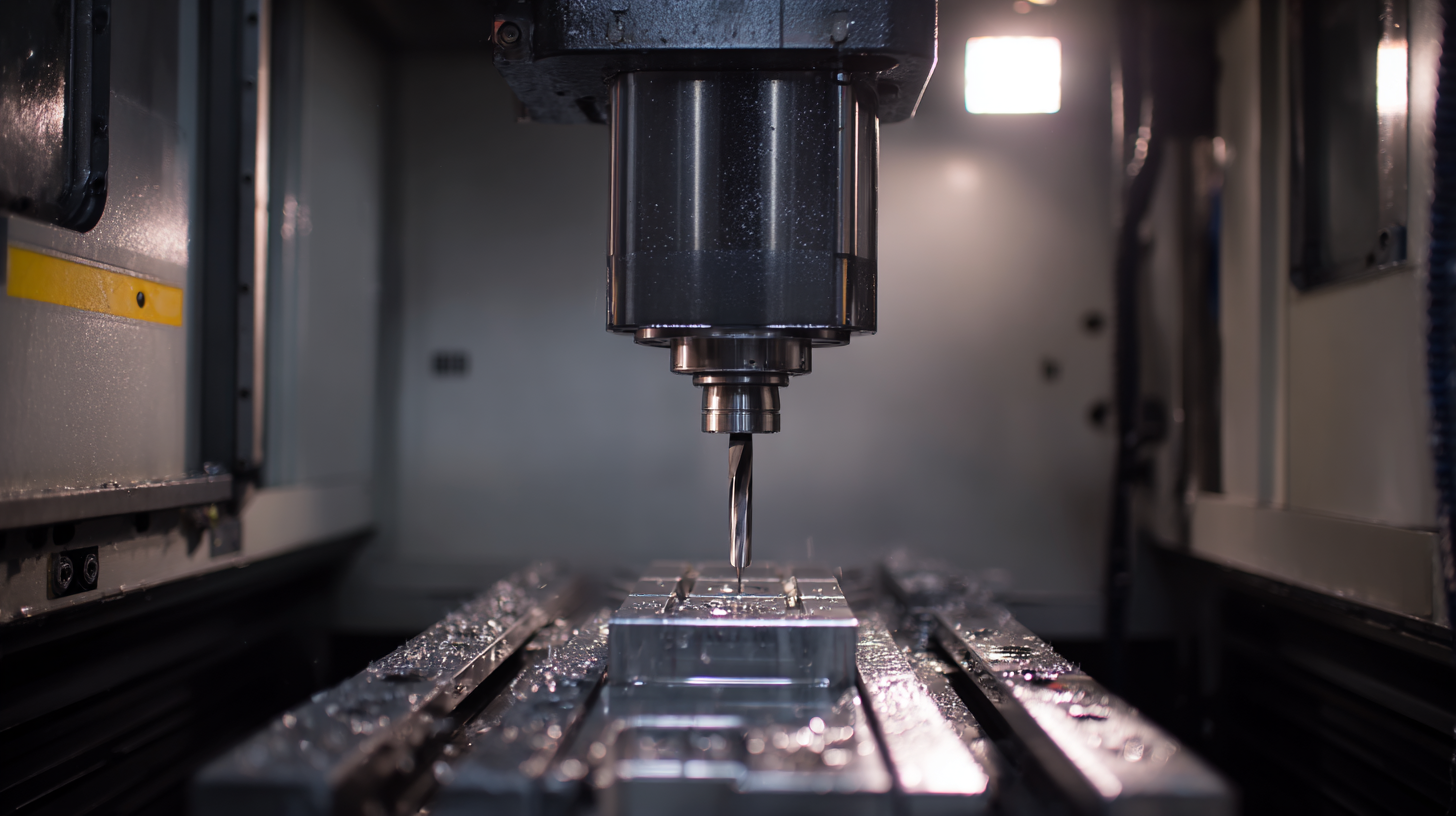 When it comes to achieving precision and accuracy with your vertical CNC machine, the setup process is critical. According to a report by the International Society of Automation, nearly 30% of machining errors can be traced back to improper setup. To mitigate this risk, users should start with a thorough assessment of the machine’s calibration. Regularly checking the machine's alignment, using precision tools such as a dial indicator, can help identify any discrepancies before production begins.
Furthermore, maintaining a stable environment is essential for optimal accuracy. A study published in the Journal of Manufacturing Science and Engineering highlights that temperature fluctuations can adversely affect machining precision by up to 15%. To combat this, CNC operators should ensure that their machines are placed in climate-controlled areas. Properly organizing tools and workpieces can also enhance efficiency, allowing for a smoother workflow that minimizes setup time and reduces the chances of error during operation. By focusing on these essential setup techniques, manufacturers can significantly improve the overall performance of their vertical CNC machines.
Best Practices for Tool Selection and Maintenance
When mastering a vertical CNC machine, selecting the right tools and maintaining them effectively is crucial for achieving optimal performance and precision. Tool selection should be based on the materials being machined and the specific requirements of each job. It's essential to choose high-quality cutting tools that are suited to the material properties, whether it’s aluminum, steel, or composite materials. Consider factors such as hardness, wear resistance, and geometry to ensure efficient cutting performance and longer tool life. Regularly updating your tool inventory and experimenting with different types to find the most effective combinations can lead to significant efficiency improvements.
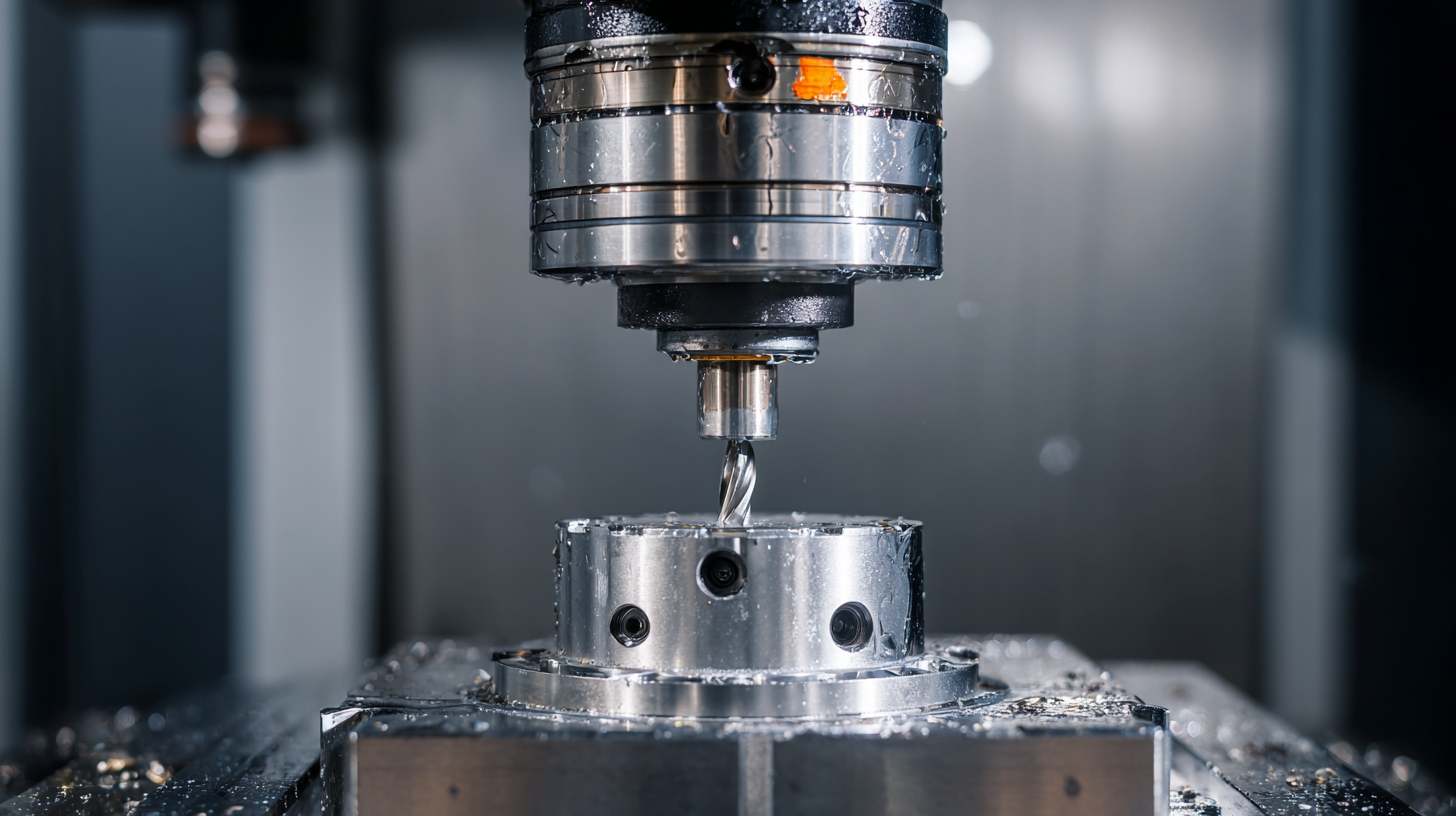
Maintenance plays a pivotal rolein the longevity and performance of your Cnc Tools. Regular inspection for wear and damage is vital; any signs of dullness or breakage should prompt immediate replacement to prevent compromised machining quality. Additionally, tools should be cleaned after use to remove debris and buildup that can affect cutting efficiency. Utilizing proper storage solutions, such as tool holders or cabinets, can protect your tools from environmental damage and physical impacts.
Implementing a systematic maintenance schedule will not only enhance tool lifespan but also ensure consistent output quality in your machining operations.
Programming Tips for Efficient CNC Machining
When it comes to programming your vertical CNC machine for efficient machining, understanding the nuances of G-code and M-code can greatly enhance productivity. Research highlights that optimized CNC programming can lead to a 20-30% reduction in production time, which is crucial in today’s highly competitive market. According to a study by the Association for Manufacturing Technology, implementing advanced programming techniques has resulted in significant cost savings and improved turnaround times for manufacturers.
At Taizhou Luqiao Shiheng CNC Lathe Co., Ltd., we emphasize the importance of continuous innovation in CNC machining processes. Our R&D team, comprised of top-tier engineers, integrates the latest technological advancements to improve programming efficiency. Utilizing features such as tool path optimization and adaptive feed rates can minimize wear on tools and machinery, extending their lifespan and reducing operational costs. Data show that companies adopting these strategies witness up to a 15% increase in tool life, resulting in substantial long-term savings. By mastering programming techniques, operators can not only enhance their CNC operations but also ensure they remain at the forefront of machining technology.
Common Mistakes to Avoid When Using Vertical CNC Machines
When mastering vertical CNC machines, understanding common mistakes can significantly enhance operational efficiency. One prevalent error is the neglect of proper collet maintenance. Research indicates that improper handling and assembly of collets can lead to costly production errors and tool wear. Regular inspections and the use of the right collet type for specific tasks can mitigate these risks, reinforcing the importance of diligence in tool maintenance.
Another critical mistake is inadequate machine simulation before actual production. Industry reports suggest that machine simulation software can reduce errors by up to 30% during machining operations. This technology allows operators to visualize tool paths and identify potential clashes or inefficiencies before cutting materials. By integrating simulation into the pre-production process, shops can save both time and resources, facilitating a smoother transition from design to actual work.
Lastly, overlooking the importance of programming can lead to significant setbacks. Effective CNC programming is fundamental; suboptimal code can cause misalignments and waste materials. Continuous training and updating of programming skills are necessary to keep up with advancements in CNC technologies, ensuring that operators remain proficient and capable of utilizing their machines to their full potential.
Advanced Techniques for Maximizing Machine Productivity
Maximizing productivity in vertical CNC machining requires not just skill, but also the implementation of advanced techniques that can significantly enhance throughput and efficiency. According to a recent study by the Association for Manufacturing Technology, employing sophisticated programming techniques can increase machine efficiency by up to 30%. One essential tip to achieve this is to adopt advanced toolpath strategies, which can minimize machining time and extend tool life. Utilizing toolpath simulations can also help identify potential issues before actual machining, reducing downtime significantly.
Another vital aspect is the regular calibration and maintenance of the CNC machine. Industry data from the American Machinist indicates that routine maintenance can prevent up to 40% of machine downtime. Implementing a scheduled maintenance plan that includes checks on alignment, lubrication, and software updates can ensure your machine continues to perform at optimal levels. Additionally, investing in real-time monitoring systems can help identify inefficiencies instantaneously, allowing for immediate corrective actions.
Lastly, employee training plays a crucial role in maximizing machine productivity. A report by the National Institute for Standards and Technology states that companies with well-trained operators see productivity improvements of as much as 25%. Regular training sessions focused on the latest machining techniques and software can empower operators to utilize the full capabilities of their vertical CNC machines, fostering an environment of continuous improvement.
10 Essential Tips for Mastering Your Vertical CNC Machine - Advanced Techniques for Maximizing Machine Productivity
| Tip Number | Tip | Description | Expected Outcome |
| 1 | Proper Setup | Ensure correct tool and workpiece setup to avoid errors. | Improved accuracy and reduced downtime. |
| 2 | Regular Maintenance | Performing routine maintenance checks on the machine. | Extended machine lifespan and consistent performance. |
| 3 | Optimal Tool Selection | Choose the right cutting tools for the materials being machined. | Enhanced machining efficiency and surface finish quality. |
| 4 | Speed and Feed Rates | Adjust speeds and feeds according to material and tooling. | Increased material removal rates and tool life. |
| 5 | Coolant Management | Use proper coolant for operational efficiency and tool life. | Reduced heat and extended tool longevity. |
| 6 | Program Optimization | Optimize CNC programs for efficient tool paths and cycles. | Reduced cycle times and increased throughput. |
| 7 | Training and Skill Development | Invest in training operators for better skills and knowledge. | Enhanced operator efficiency and reduced errors. |
| 8 | Quality Inspections | Implement quality checks at different stages of production. | Improved product quality and reduced scrap rates. |
| 9 | Tool Wear Monitoring | Monitor tooling wear to prevent failures during machining. | Consistent part quality and reduced machine downtime. |
| 10 | Efficiency Metrics | Track production metrics to identify areas for improvement. | Informed decision-making and enhanced productivity. |
The Ultimate Guide to Choosing the Right Small High Precision CNC Lathe Machine with Flat Bed for Your Workshop
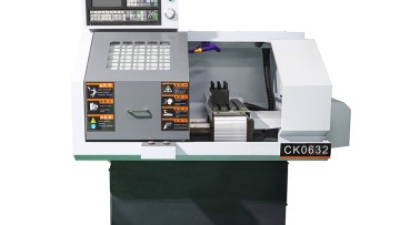
When it comes to selecting the perfect small high precision CNC lathe machine with a flat bed for your workshop, understanding the essential features can significantly impact your decision. A small horizontal bed CNC lathe is an excellent choice for those looking for cost-effective solutions without compromising on quality. Its design incorporates an integral high-strength cast iron bed, which not only enhances stability but also eliminates internal stress that can hinder performance over time. This ensures that the lathe maintains precision even during prolonged use.
Moreover, the machine’s guide rail is engineered for high hardness and wear resistance, enabling it to withstand large cutting forces while preserving accuracy. This feature is particularly beneficial for workshops handling a diverse range of materials, including cast iron, steel, and alloys. With options for semi-enclosed or fully enclosed protection, the lathe guarantees a safe working environment by effectively preventing splashes of coolant and shavings, allowing you to focus on your work with peace of mind. Selecting this lathe will not only enhance your workshop's productivity but also ensure the longevity of your equipment, a crucial aspect for any serious machinist.
FAQS
: The setup process is critical because nearly 30% of machining errors can be traced back to improper setup. Proper setup ensures precision and accuracy in machining.
Users should start with a thorough assessment of the machine’s calibration, regularly check the machine's alignment, and use precision tools such as a dial indicator to identify discrepancies.
Temperature fluctuations can adversely affect machining precision by up to 15%. Maintaining a stable environment is essential for optimal accuracy.
Properly organizing tools and workpieces, as well as placing machines in climate-controlled areas, enhances efficiency and minimizes setup time, reducing the chances of operational errors.
Optimized CNC programming can lead to a 20-30% reduction in production time, which is crucial in a competitive market, and result in significant cost savings and improved turnaround times.
Techniques such as tool path optimization and adaptive feed rates can minimize wear on tools and machinery, extending their lifespan and reducing operational costs.
Companies adopting advanced programming techniques can witness up to a 15% increase in tool life, leading to substantial long-term savings.
Continuous innovation is important as it helps improve programming efficiency and ensures that manufacturers remain at the forefront of machining technology.
The R&D team integrates the latest technological advancements into CNC machining processes to enhance efficiency and productivity.
By focusing on essential setup techniques, manufacturers can significantly improve the overall performance of their vertical CNC machines, enhancing precision and reducing errors during operation.
Conclusion
Mastering your vertical CNC machine requires a solid understanding of its key components and the technical aspects that influence precision and accuracy. By implementing essential setup techniques and following best practices for tool selection and maintenance, operators can significantly enhance machine performance. Additionally, efficient programming is vital for optimizing machining processes, while recognizing common mistakes can help avoid pitfalls that may affect productivity.
As the industry evolves, our company, Taizhou Luqiao Shiheng CNC Lathe Co., Ltd., remains committed to integrating the latest technological advancements into our vertical CNC machines. Our dedicated R&D team ensures that users have access to advanced techniques aimed at maximizing productivity, ultimately driving success in the competitive landscape of CNC machining.