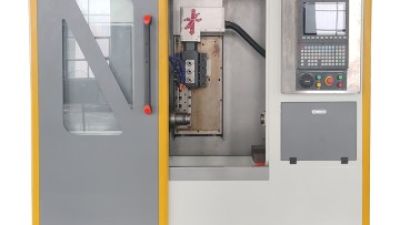
Using a Parallel Lathe can seriously change the way you approach machining. It provides that sweet spot of precision, flexibility, and efficiency. But here’s the thing—if you really want to get the most out of it, you’ve gotta know how to operate it properly.
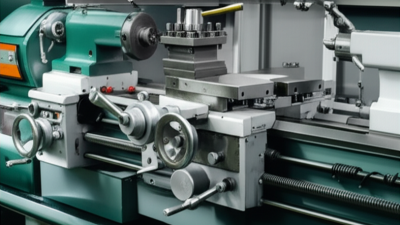
A lot of folks tend to overlook some simple tips that could totally level up their results. Getting familiar with the machine’s parts is key—trust me, a well-maintained Parallel Lathe runs like a dream. And don’t forget, it’s usually the small details that make all the difference. Checking your tools and settings regularly can save you from those annoying errors that waste time.
Also, think about your workspace. A messy, cluttered area is just asking for trouble. Good lighting? Totally worth it—it helps you see what you’re doing and can prevent mistakes before they happen. Basically, it’s all about setting yourself up for success.
And remember, as you’re working with it, don’t get discouraged if things don’t go perfectly every time. Mistakes are just part of the learning process, and they often teach you something valuable. So, embrace them and keep experimenting—that’s how you improve.

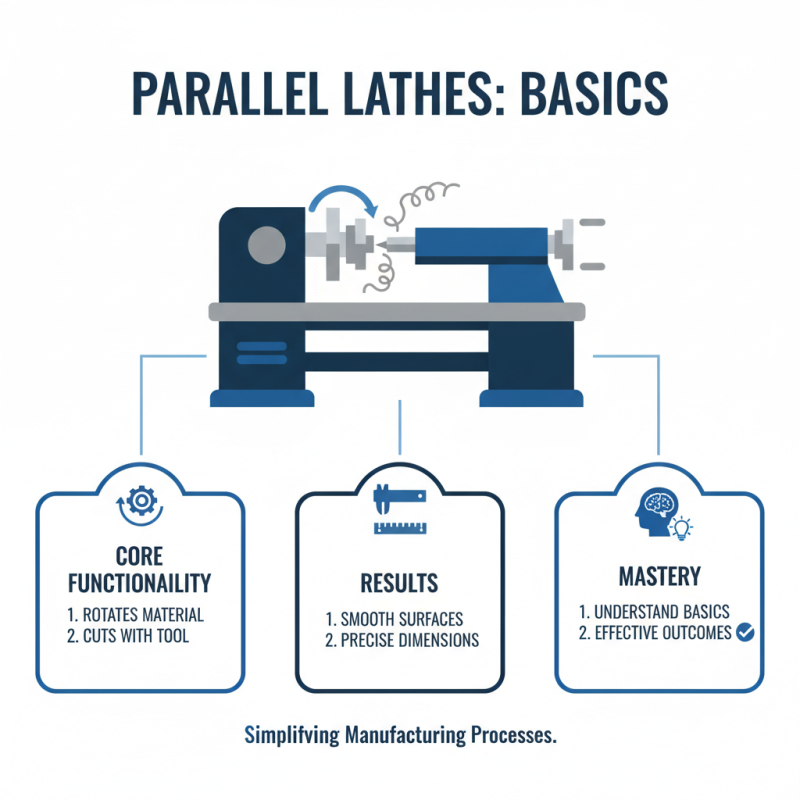
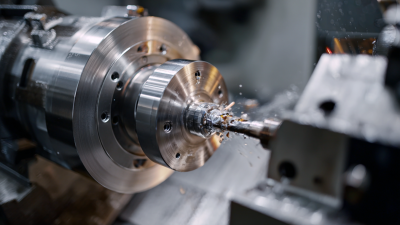
Understanding parallel lathes begins with recognizing their core functionality. These machines are designed to shape materials by rotating them against a cutting tool. This results in smooth surfaces and precise dimensions. Mastering these basics helps in achieving effective results.
Operating a parallel lathe can present challenges. For instance, aligning the workpiece correctly is crucial for accuracy. Misalignment can lead to uneven cuts, affecting the final product. Regularly checking and adjusting the alignment is essential but often overlooked. Operators may need to develop a keen sense of observation.
Another aspect to consider is tool selection and maintenance. Different materials require different cutting tools. Using the wrong tool can cause wear and tear. Over time, this can lead to costly mistakes. Ensuring that the tools are sharp and suited for the task at hand is vital for efficiency and effectiveness. Regular maintenance checks should not just be routine; they should be a priority.
Operating a parallel lathe requires strict attention to safety. Proper personal protective equipment is essential. Always wear safety glasses to prevent debris from entering your eyes. Gloves may seem like a good idea, but they can get caught in machinery. It's best to keep hands free and away from moving parts.
Before starting, inspect the lathe for any issues. Check for loose parts or worn components. A small crack or uneven surface can lead to accidents. Ensure the workpiece is properly secured. A poorly mounted piece can fly off at high speeds, causing serious injuries. Always keep your workspace tidy. Clutter can lead to distractions and mistakes.
Knowledge of safety procedures is crucial. Familiarize yourself with emergency stops and how to handle unexpected situations. Regularly review safety protocols with your team, even if it feels repetitive. Reflect on past incidents; learning from them can enhance your practices. A moment of inattention can lead to accidents, making vigilance key in Lathe Cnc operations.
When using a Cnc Lathe, choosing the right tools is crucial. The type of cutting tools you select can greatly affect the quality of your work. Consider the material you're cutting. Different materials require different tool types. For example, high-speed steel works well for softer materials. Carbide is better for harder metals. Test various tools to see which ones perform best for your specific projects.
Materials are just as important as tools. Visually inspect your workpiece before starting. Look for any flaws that could lead to problems. Ensure the material is secured properly in the lathe. Clamp it tightly to avoid any movement during machining. Experiment with different materials to expand your skills. Each material behaves differently, providing unique challenges.
Don't be afraid to make mistakes. Reflection is valuablein the learning process. If a cut doesn't go as planned, analyze why. Was it the tool? The feed rate? Understanding these factors will enhance your expertise. Keep a journal of your projects. Document what works and what doesn’t. This practice will guide your improvements on future Cnc Lathe projects.
Setting up a parallel lathe effectively is crucial for achieving quality results. Start by ensuring your workspace is clean and organized. A clutter-free area enhances focus and safety. Make sure all tools are easily accessible. This can minimize time wasted searching for items.
Calibration of the lathe is essential. Check the alignment before starting. Misalignment can lead to inaccuracies in your work. Regularly inspecting the tailstock and headstock ensures precision. Keep your cutting tools sharp. Dull tools can cause chatter and poor finishes.
Tip: Before you begin, measure twice, cut once. This old adage rings true. Quality work comes from careful planning. If adjustments are needed during operation, make them cautiously. Take your time to reflect on any mistakes—it’s part of the learning process.
Another key point is maintaining a steady feed rate. A consistent speed can improve surface finish. Too fast can lead to damage; too slow may affect efficiency. Always listen to your machine. Unusual noises can indicate issues. Address them immediately to avoid bigger problems later.
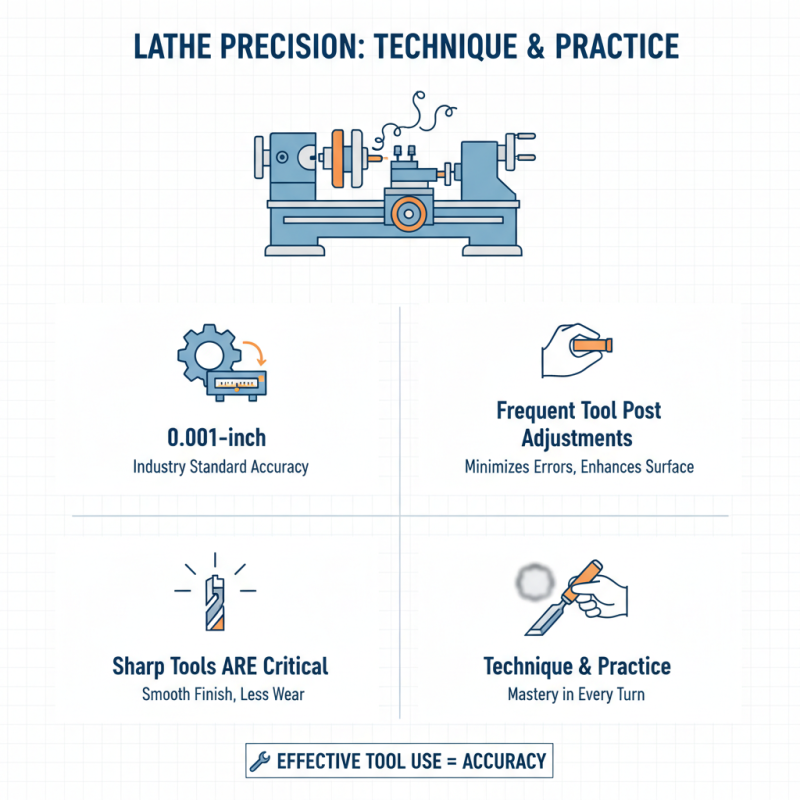
Precision cutting and shaping on a lathe require a delicate balance of technique and practice. Effective use of tools ensures accuracy in every turn. According to industry reports, achieving a 0.001-inch tolerance is ideal for most metalworking tasks. Frequent adjustments to the tool post minimize errors and enhance surface quality. Maintaining sharp tools is critical. Dull blades lead to rough finishes and increased wear on the lathe.
Creating the perfect setup can be tricky. It's essential to check alignment and test cuts before committing to larger projects. A study from the Precision Machining Association found that 30% of operators did not perform initial checks, resulting in wasted materials. Proper lubrication is equally important. It reduces friction and improves the overall lifespan of the Xyz Lathe. However, overuse can lead to slippage, causing imperfect finishes.
During operation, operators should develop a feel for the machine. Rushing can result in catastrophic failure. Monitoring cutting speeds and feed rates can prevent inconsistencies. Many professionals recommend starting slow. Gradual increases can reveal unseen issues before they impact the final product. Balancing speed and precision is key to successful lathe operations. Practicing these techniques will lead to better outcomes and enhanced skill over time.
Maintaining a parallel lathe is crucial for its longevity and efficiency. Regular cleaning is essential. After each use, remove chips and debris from the machine. Dust and oil can accumulate, impacting performance. Make sure to use a soft cloth to wipe down surfaces and components.
Inspecting the belts and gears is vital too. Look for signs of wear and tear. These parts can wear out over time, leading to larger issues. Lubricate moving parts to reduce friction. This will enhance performance and extend the life of your lathe.
Tip one: Adjust the tool post carefully. A poorly adjusted tool can cause damages. Another tip: Always check the alignment of the headstock and tailstock. Misalignment can lead to inaccurate work. Don’t overlook these details; neglecting them can result in costly mistakes down the line.
| Tip Number | Tip Description | Maintenance Frequency | Expected Lifespan |
|---|---|---|---|
| 1 | Keep the lathe clean and free from debris. | Daily | Indefinite |
| 2 | Check and calibrate the alignment regularly. | Monthly | Years |
| 3 | Lubricate moving parts with appropriate oil. | Weekly | Years |
| 4 | Use proper cutting tools and replace them as needed. | As needed | Depends on usage |
| 5 | Monitor spindle speed for maximum efficiency. | Continuously | Years |
| 6 | Store the lathe in a dry, dust-free environment. | Always | Indefinite |
| 7 | Ensure power supply and electrical components are safe. | Quarterly | Years |
| 8 | Train all operators on proper lathe use and safety. | Annually | Indefinite |
| 9 | Inspect belts and pulleys for wear and tear. | Monthly | Years |
| 10 | Follow the manufacturer's manual for specific maintenance tips. | As recommended | Depends on model |
Troubleshooting common issues with parallel lathes can be challenging. Many users face problems like excessive vibration, which often comes from improper setup. According to a recent industry report, over 30% of lathe operators cited vibration as a top complaint. This can lead to inaccuracies in machining and damage to tools. A Small Lathe, while versatile, can amplify these issues if not stabilized properly. Ensure the lathe is on a solid surface to minimize unnecessary movement.
Another frequent problem is tool wear, particularly with high-speed operations. Studies show that maintaining cutting tools can significantly enhance performance. Regularly check for signs of dullness. Dull tools can lead to poor surface finish and increased strain on the motor. Operators often overlook this until it's too late. In a worst-case scenario, you risk damaging components of a Small Lathe, resulting in costly repairs.Monitoring tool condition should be a priority.
Lastly, chip removal is crucial for effective machining. If chips accumulate, they can interfere with the lathe's operation. An industry survey notes that about 25% of machinists experience issues due to poor chip clearance. Therefore, invest time in ensuring your parallel lathe has a reliable chip removal system. Ignoring this can lead to blocked tools and higher downtime. Reflect on these issues to enhance your machining operations.
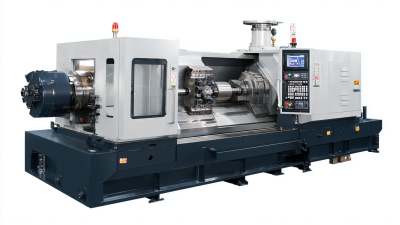
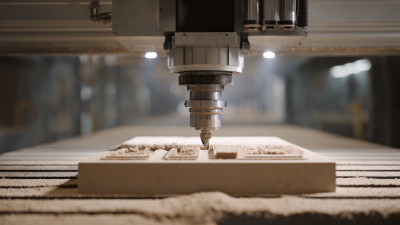
In the ever-evolving landscape of manufacturing, the integration of advanced technologies such as 5-axis lathes and CNC milling machines represents a significant leap towards enhancing precision and efficiency. Recent industry reports indicate that the Global Cnc Machine market is projected to grow substantially, driven by the increasing demand for high-precision components across sectors like aerospace, automotive, and electronics. The 5-axis lathe, in particular, allows for complex geometries to be machined in a single setup, minimizing errors and reducing production time.
One notable advancement in this realm is the introduction of high-speed and precision electric spindles, which are designed to operate with minimal vibration and maximum rigidity. These spindles facilitate faster machining while maintaining the critical tolerances required in precision engineering. With a high-end ball screw system for the X, Z, and Y guide rails, the overall running accuracy of machines significantly improves, enhancing dynamic characteristics and reducing wear on components. As the manufacturing sector increasingly prioritizes efficiency, tools that offer these capabilities are becoming indispensable.
Moreover, safety features such as full containment shields in modern CNC machines not only ensure compliance with industry standards but also enhance the operational stability of the equipment. This focus on safety, combined with high efficiency and precision, positions the latest generation of 5-axis lathes as a critical resource for manufacturers striving to meet the growing demands of today’s market. Combined insights from industry data support the notion that investing in such machinery is pivotal for companies aiming to stay competitive in an increasingly precision-oriented environment.
: It is designed to help improve daily routines and enhance productivity.
Follow the instructions for setup. Experiment with different methods to see what works best for you.
Yes, it is designed for a wide range of age groups, but supervision may be needed for younger users.
Yes, there are many online articles and videos available for further assistance and ideas.
Troubleshooting steps are provided. If problems persist, consider reaching out for support.
Yes, there is a return policy, but be aware of the specific conditions and time frames involved.
Some users may find a learning curve. Results can vary depending on individual usage.
Consistency is key. Daily use may yield better outcomes, but find a rhythm that suits your schedule.
Yes, it can, but sharing may lead to varying experiences for different users, which is worth considering.
Users often report better focus and efficiency, but your experience might differ. Reflection is important.
A Parallel Lathe is a versatile machine that plays a crucial role in precision machining and metalworking. To effectively utilize a parallel lathe, it is essential to understand its basic functions and adhere to vital safety practices. Choosing the right tools and materials can greatly enhance the quality of your projects. Proper setup and preparation are also key factors, ensuring the lathe operates smoothly from the start.
Implementing techniques for precision cutting and shaping will lead to improved results in your work. Regular maintenance and care of the lathe equipment are necessary to ensure its longevity and reliability. Additionally, being aware of common issues and their troubleshooting methods can significantly reduce downtime. By following these guidelines, users can maximize their productivity and achieve high-quality outcomes with their parallel lathe.