Leave Your Message
0%

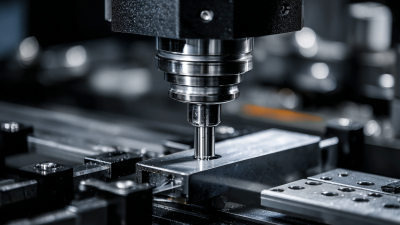
In today’s fast-changing world of manufacturing, staying precise and efficient is more important than ever. One of the coolest innovations making waves right now is the Parallel Lathe technique. At Taizhou Luqiao Shiheng CNC Lathe Co., Ltd., we’re pretty proud to be leading the charge when it comes to Cnc Machine Tools. We’re always pushing the envelope in metalworking and trying to do better. Our R&D team, made up of top-notch engineers and experts, is dedicated to bringing the latest tech into our products. Using Parallel Lathe methods not only boosts accuracy but also helps speed up production—so, manufacturers can keep up with the rising demands of today’s market. As we explore what this tech can really do, we want to show how pivotal it is for shaping the future of manufacturing. Our goal? Keep innovating and maintaining top quality, one turn of the lathe at a time.
Unleashing Precision with Parallel Lathe Techniques for Modern Manufacturing

Understanding the Basics of Parallel Lathe Techniques in Manufacturing

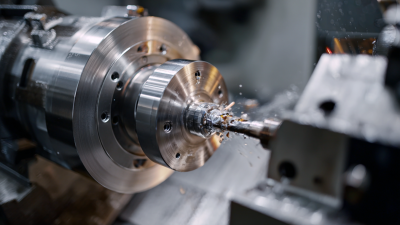
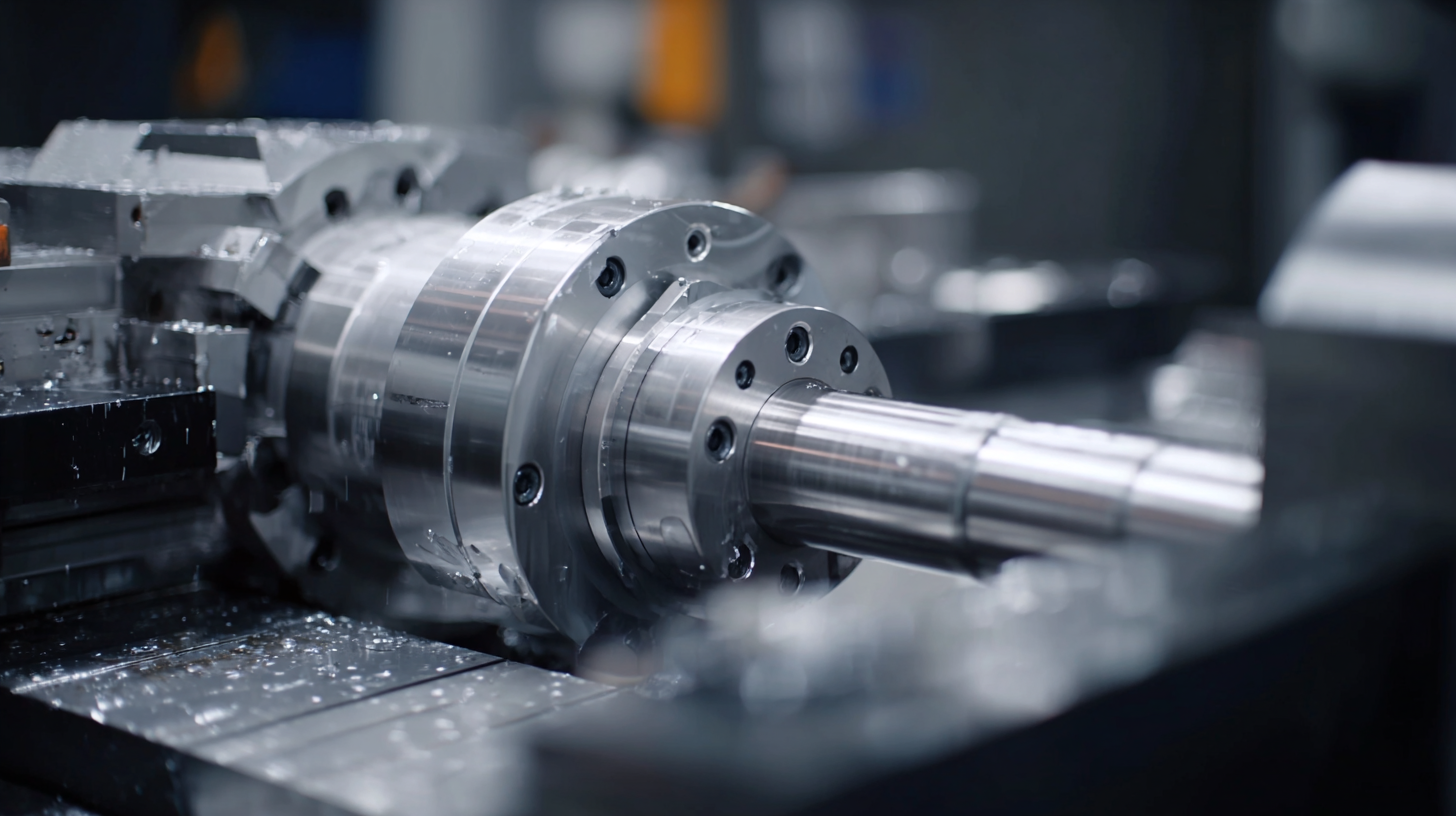
You know, parallel lathe techniques are pretty much the backbone of modern manufacturing these days. They’re super important for achieving the kind of precision and efficiency that companies really need. Basically, this method involves moving both the workpiece and the cutting tool at the same time along parallel axes, which makes it possible to craft really detailed and complex shapes with great accuracy. I read somewhere—like in a report from Grand View Research—that the global CNC lathe market hit around $4.5 billion in 2020. That’s a huge jump, showing just how much demand there is for precision machining across industries like aerospace, auto manufacturing, and medical devices.

Getting a handle on the basics of parallel lathe techniques means understanding a few key concepts—stuff like spindle speed, feed rate, and what kind of tooling you’re using. When you get these factors working together smoothly, it can really cut down on cycle times and boost the quality of your parts. For example, a study from the Society of Manufacturing Engineers mentioned that manufacturers who use more advanced parallel lathe methods have managed to speed up production by as much as 30%—and they’re doing it without losing any accuracy. As industries keep pushing for better efficiency and smarter manufacturing, mastering these lathe techniques is pretty much a must for anyone wanting to stay competitive in this increasingly automated world.

Unleashing Precision with Parallel Lathe Techniques for Modern Manufacturing

Technique Precision Level (%) Typical Applications Material Types Advantages
CNC Parallel Turning 98% Aerospace components Aluminum, Titanium High accuracy, automation
Manual Lathe Turning 85% Small custom parts Steel, Brass Flexibility, low setup cost
Hydraulic Lathe Process 90% Heavy machinery components Cast Iron, Composite Materials Powerful cutting capability
Multi-Axis Lathe Turning 95% Complex geometry parts Aluminum, Plastic Increased machining options
Electrochemical Machining 99% High-strength alloys Nickel, Cobalt Minimal mechanical stress

Key Advantages of Precision Machining with Parallel Lathes

In today’s world of modern manufacturing, using parallel lathes for precision machining really stands out for all the amazing benefits they offer. When you leverage parallel kinematics, these lathes just get better at hitting those high standards of accuracy and efficiency, which ultimately means the end product is way better. It’s pretty cool that the global market for CNC machines is expected to grow a lot—going from about $101 billion in 2025 up to nearly $196 billion by 2032. That clearly shows how many industries are hunting for advanced machining tools that give them more precision and productivity, and parallel lathes are right there in the mix. They’re just so well-suited for these needs.

Unleashing Precision with Parallel Lathe Techniques for Modern Manufacturing

One of the biggest perks of using parallel lathe tech is how stable they stay during operation, even when handling heavy loads. Take the H-850 parallel kinematics hexapod positioning system, for example—it’s a real innovation. It allows for super precise positioning across six axes, which means manufacturers can handle complex machining tasks with very little deviation. That’s crucial for making sure products live up to those tight quality standards.

Tips: Always, like, take a good look at what you actually need before picking a parallel lathe. Think about the materials you’ll be working with—different lathes have features that are better suited for certain applications. And don’t forget, keeping these systems well-maintained is key to keeping that precision and reliability going strong over time.

Essential Tools and Equipment for Effective Parallel Turning

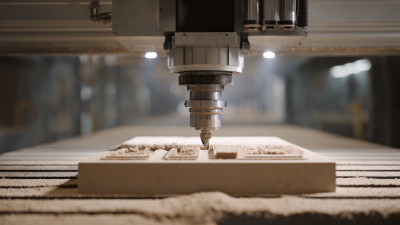
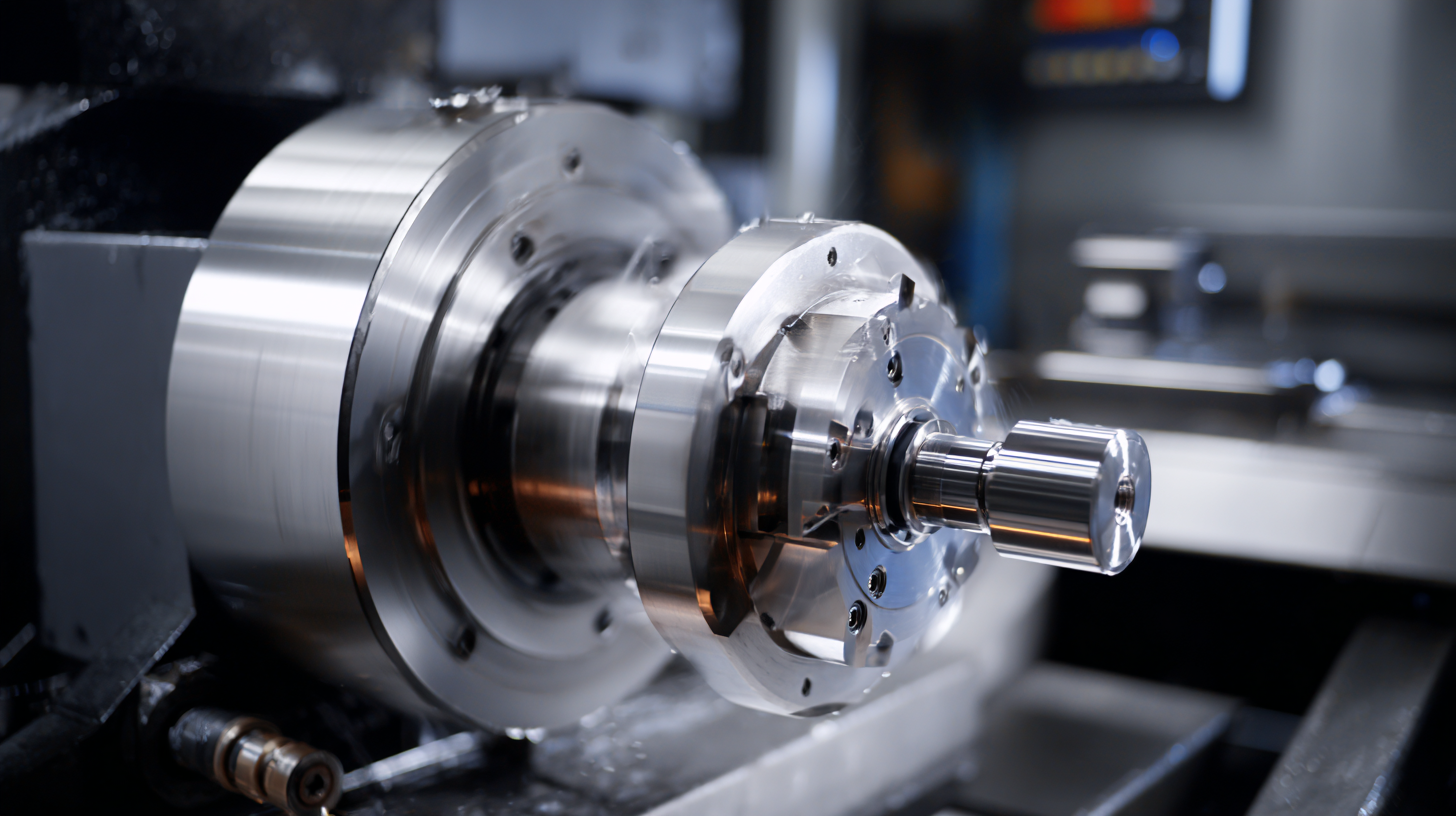
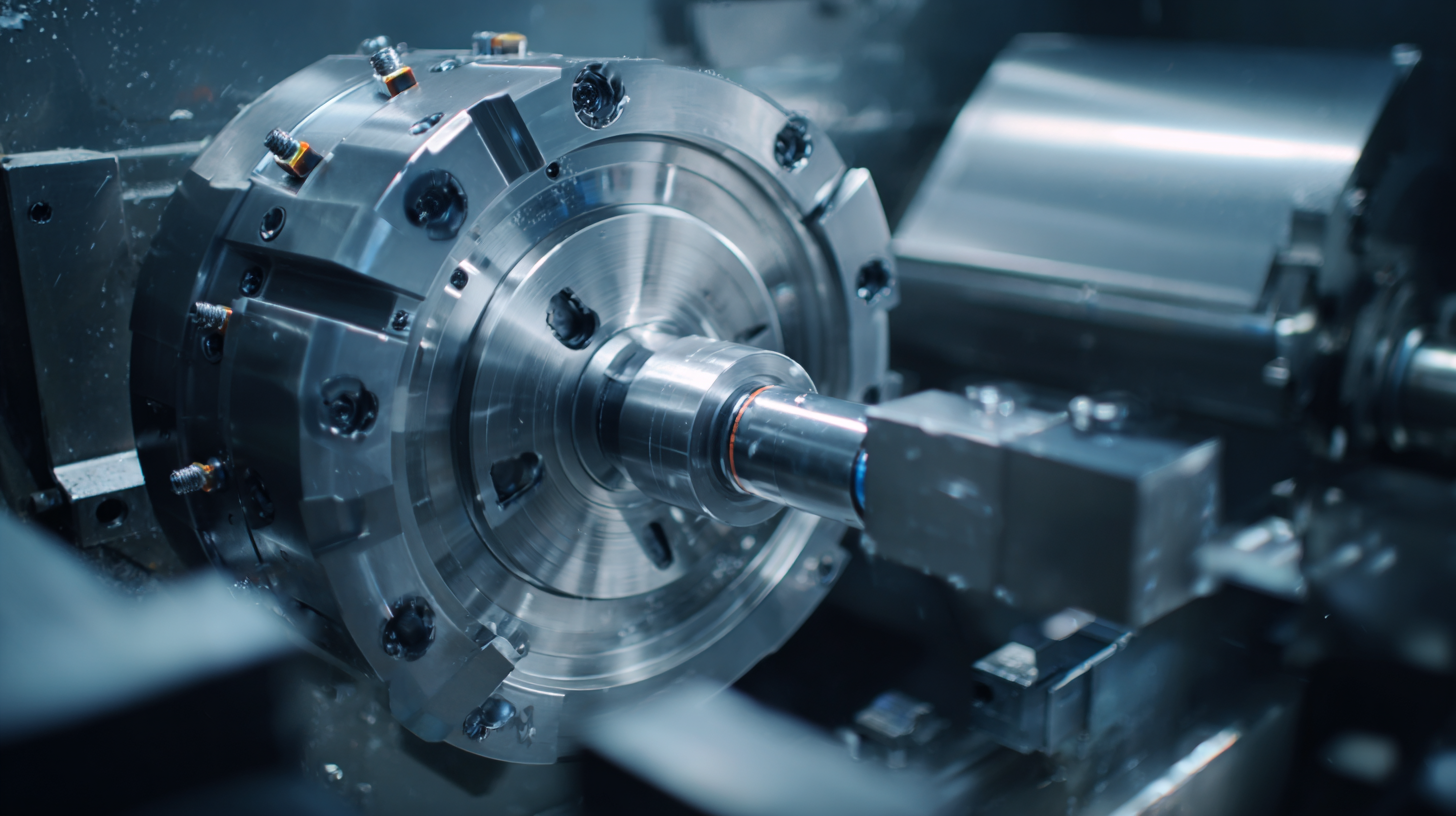
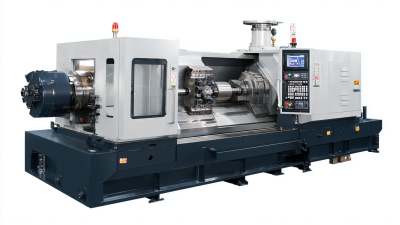
When it comes to modern manufacturing, getting effective parallel turning right really depends on using the right tools and equipment that boost precision and make everything more efficient. It all starts with a good-quality Lathe Machine—something that runs smoothly and can be easily adjusted for different tasks. Take CNC lathes, for example—they’re pretty amazing because they offer advanced automation and precision, so manufacturers can pull off complex designs with hardly any manual effort. Oh, and don’t forget about the cutting tools—things like high-speed steel and carbide inserts. They’re super important because they not only help you cut more efficiently but also last longer, which means less downtime and lower operational costs.

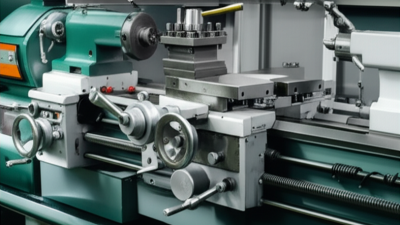
Plus, having the right tool holders and fixtures makes a huge difference. You want to pick your tool holders based on what you’re working on to make sure everything stays secure and performs at its best. The fixtures, which hold the workpiece steady, are just as critical—they keep everything precise throughout the process. And of course, investing in good measuring tools like digital calipers and micrometers really helps you hit those tight tolerances and keep quality in check. When you put all these tools and equipment together, manufacturers can really unlock the full potential of parallel lathe techniques and take their production to the next level.

Step-by-Step Guide to Setting Up a Parallel Lathe for Optimal Results

Setting up a parallel lathe might seem like a lot, but with a bit of patience, it’s totally doable—and it really pays off in terms of precision and efficiency. I read somewhere that almost 60% of manufacturers rely heavily on lathes for their machining jobs, so it’s pretty clear that getting the setup right is a big deal if you want to keep up with production demands. First off, make sure the lathe is perfectly level and bolted down solidly. I mean, even tiny wobbles can throw off your measurements and end up with a finished piece that’s not quite right.

Then, you want to calibrate your cutting tools based on the material you’re working with, following standards like those from ANSI. For example, using a tool with the right rake angle can boost your productivity by as much as 20%, according to some research by NIST. Oh, and don’t forget to support your workpiece properly—this helps cut down on vibrations and gives you a smoother surface finish. Basically, following these steps not only helps reduce waste but also speeds up cycle times. That’s pretty important these days, especially since industries like aerospace and auto manufacturing are always looking for that high-precision edge.

All in all, taking the time to do it right really makes a difference and can save you headaches down the line.

Unleashing Precision with Parallel Lathe Techniques for Modern Manufacturing

Common Challenges in Parallel Lathe Operations and Their Solutions

For folks into modern manufacturing, dealing with parallel lathe operations can sometimes be a real headache—things like tool wear, misalignment, and vibrations can really throw a wrench in productivity and accuracy. At Taizhou Luqiao Shiheng CNC Lathe Co., Ltd., we’re all about tackling these challenges head-on. Our team of top-notch engineers is constantly pushing the envelope, blending the latest tech into our CNC machines so operators can work faster and with better precision.

Here's a little tip: regular maintenance is key—keeping those tools sharp and the machine calibrated keeps everything running smooth. It’s worth scheduling routine checkups to catch any issues early and avoid surprises.

And don’t forget, making sure everything is properly aligned is super important if you wanna get consistent, high-quality results. Misaligned setups can mess with your product quality big time. We stress the importance of careful setup and realignment; it’s all about keeping standards high.

Another handy tip: using software for real-time monitoring can be a game-changer. It helps you keep an eye on machine performance and catch problems early before they turn into bigger headaches. Not only does this save time, but it also helps produce a better end product, no doubt.

Future Trends in Parallel Lathe Techniques and Modern Manufacturing

You know, the way parallel lathe techniques are evolving is really shaking up the manufacturing world. It’s especially exciting because industries are shifting more and more towards automation and precision engineering—big time. I came across this recent report from MarketsandMarkets, and it’s crazy to think that the global CNC lathe market might hit around 2.5 billion dollars by 2025. It’s growing at an average of about 7.5% per year since 2020. That’s mainly because there’s such a huge demand for super-precise parts, especially in aerospace, auto, and medical device sectors where tight tolerances really matter.

On top of that, the tech behind parallel lathes is just getting more advanced. With stuff like IoT and real-time data analytics now being incorporated, traditional manufacturing is changing fast. I read a study by Grand View Research that says these so-called smart machining tools can boost production efficiency by up to 25%. Not only does that help cut down on waste, but it also speeds things up. As more manufacturers jump on this bandwagon, the whole landscape of precision machining is set to keep transforming—think more customization and greater flexibility than ever before. Honestly, it seems like the future of parallel lathe tech in manufacturing is looking pretty darn promising with all these new trends coming into play, especially to meet the growing demands of the market.

Exploring the Advantages of Small CNC Lathe Machines with Tailstock for Precision Machining

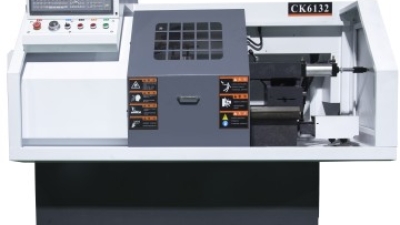
Small CNC lathes with tailstock, such as the CK6130 and CK6132 models, are gaining popularity in precision machining due to their impressive design features and operational advantages. One of the most notable improvements in these machines is the elongated Z-axis. This design enhancement significantly increases the travel distance in the Z-axis direction, allowing for more versatility in machining operations. According to a report by the International Journal of Advanced Manufacturing Technology, machines with extended Z travel can enhance operational efficiency by up to 30%, enabling them to accommodate larger workpieces and complex geometries.

Moreover, the stability and rigidity of these small CNC lathes have been greatly enhanced. The integration of a tailstock provides additional support, which is essential for maintaining precision during machining processes. A study published in the Journal of Manufacturing Science and Engineering highlights that increased rigidity can lead to improved processing accuracy, reducing the occurrence of errors that might arise from vibrations. Additionally, operators benefit from the easy adjustment features that come with these machines, making them user-friendly and efficient for both experienced machinists and newcomers to the field.

Ultimately, small CNC lathes with tailstocks represent a significant advancement in the realm of precision machining. Their combination of enhanced stability, increased rigidity, and ease of operation aligns well with industry demands for high-quality, efficient manufacturing solutions. With the ability to perform complex tasks with greater accuracy, these machines are set to lead the way in precision engineering.

FAQS

: What tools are essential for effective parallel turning?

: Essential tools for effective parallel turning include high-quality lathe machines, cutting tools such as high-speed steel and carbide inserts, tool holders, workpiece fixtures, and measuring instruments like digital calipers and micrometers.

Why is a high-quality lathe machine important?

A high-quality lathe machine enables smooth operation and versatile adjustments, which are crucial for achieving precision in machining and accommodating intricate designs.

How does the choice of cutting tools affect production?

The choice of cutting tools affects production by improving cutting efficiency, prolonging tool life, and reducing downtime and operational costs, thereby enhancing overall quality.

What is the significance of setting up a parallel lathe correctly?

Proper setup of a parallel lathe is vital for ensuring precision and efficiency in manufacturing, as even minor deviations can lead to inaccuracies in the final product.

How can calibrating cutting tools impact productivity?

Calibrating cutting tools according to material specifications can increase productivity significantly, with reports indicating improvements by up to 20% when using the correct tool parameters.

What role do measuring instruments play in the parallel turning process?

Measuring instruments like digital calipers and micrometers aid in achieving desired tolerances and ensure quality control in the final output, which is essential for high-precision manufacturing.

What future trends are shaping parallel lathe techniques?

Future trends include the growth of CNC lathe usage, advancements in IoT integration, and real-time data analytics that enhance production efficiency and enable greater customization.

How are advancements in parallel lathe technology affecting manufacturing?

Advancements in parallel lathe technology are transforming manufacturing processes by increasing efficiency, reducing cycle times, and enabling more precise component production, particularly in critical industries.

What is driving the growth of the global CNC lathe market?

The growth of the global CNC lathe market is driven by the increasing demand for high-precision components in sectors like aerospace, automotive, and medical devices.

What impact does smart machining technology have on production?

Smart machining technology can enhance production efficiency by up to 25%, mitigating waste and contributing to faster cycle times in manufacturing operations.

Conclusion

Hey, have you checked out the article titled "Unleashing Precision with Parallel Lathe Techniques for Modern Manufacturing"? It really digs into how parallel lathes play a crucial role in making machining more precise. The piece kicks off with the basics—kind of a primer on parallel lathe techniques—and then dives into the main perks, like boosting accuracy and speeding things up in production. It also covers the must-have tools and equipment you'll need for efficient parallel turning, plus offers a step-by-step guide to help you set up your lathe just right for the best results.

On top of that, it doesn’t shy away from addressing the common hiccups folks run into when working with parallel lathes. But don’t worry; it throws in practical tips to keep everything running smoothly. Looking ahead, there's some interesting chatter about future trends—how advancements in CNC tech are shaping things up, and it's pretty exciting stuff. By the way, companies like Taizhou Luqiao Shiheng CNC Lathe Co., Ltd. are really leading the charge here. Their focus on innovation, backed by a team of experts in R&D, is helping push manufacturing into a new era of precision and efficiency. Honestly, it’s a pretty insightful read if you’re into modern machining techniques.
Emily

Emily

Emily is a dedicated marketing professional with an exceptional expertise in CNC machine tool technology. With a deep understanding of our company’s core business and its advanced product offerings, she plays a pivotal role in communicating our innovative solutions to the industry. Emily works......
Previous Global Manufacturing Excellence Discover the Best Twin Spindle Lathe from China