Picking the right Incline Bed Lathe Machine is a pretty big deal when it comes to your machining projects. Did you know that, according to the American Society of Mechanical Engineers (ASME), over 75% of manufacturing companies have upgraded their lathes in just the past five years? That really highlights how crucial modern tech is for boosting productivity these days. As industry pro Jack Thompson puts it, "Choosing the right machine can really make a difference in how efficient and productive your work is."
When you're looking into an Incline Bed Lathe Machine, it’s important to really think about your specific needs. Things like how big your shop is, what kind of projects you’re doing, and what your budget looks like all matter a lot. Sometimes, companies get caught up in the bells and whistles and miss the details that actually help them make a smarter choice. Honestly, a machine that fits into your workflow smoothly often beats the fancy, expensive models that don’t quite match what you’re aiming for.
And here’s a little tip — be careful. Not every lathe is gonna be perfect for every job. The market’s pretty crowded, and it’s easy to get overwhelmed with all the options. A lot of buyers forget to check key features like power, spindle speed, and rigidity, which are super important. Taking the time to educate yourself and choose wisely can really open up your efficiency and boost your output in the long run.
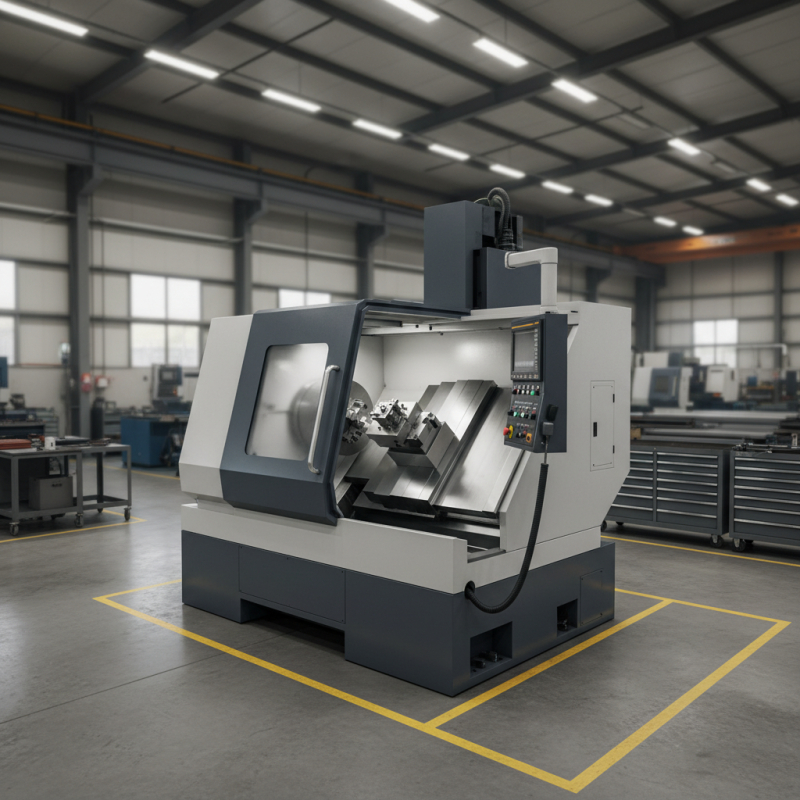
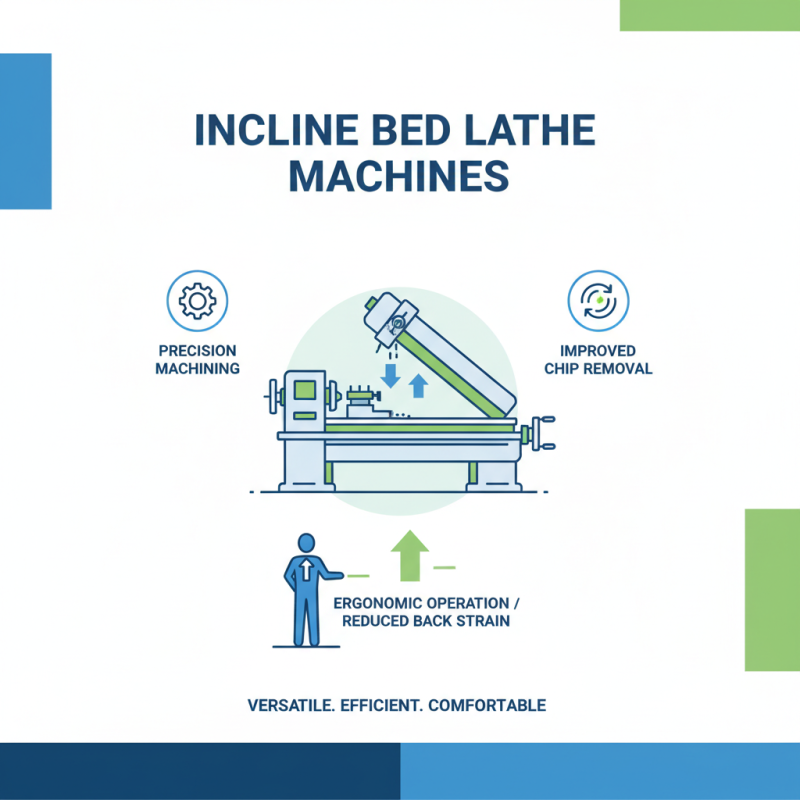
Incline bed lathe machines are versatile tools for precision machining. They are designed with a bed tilted at an angle, which helps improve chip removal and visibility. This unique angle allows for better ergonomics while operating, reducing strain on the user's back. Understanding these basics is crucial as you search for the right machine.
When selecting an incline bed lathe, consider your specific needs. What materials will you work with? Different machines handle materials differently. Watching videos of various machines in action can help clear confusion. It's essential to match the lathe's capabilities with your projects.
Tip: Always check the machine’s weight capacity. A robust lathe can handle larger projects without deformation.
Some users may overlook the importance of the spindle speed. Higher speeds can produce higher quality finishes but require more control. A machine with variable speed settings offers flexibility for different tasks.
Tip: Test different speeds before deciding. Take your time—and reflect on what works best for you. This is a critical step many skip. Adjust your approach based on results.
When selecting an incline bed lathe, several factors play a critical role. The bed design is essential for stability. An incline bed can offer better chip clearance and ease of operation. Pay attention to the bed length as it directly impacts the length of the materials you can work with. Short beds may limit your projects, which can be frustrating.
Another vital feature is the spindle speed range. A broader range allows you to handle various materials. It’s beneficial if your projects vary in complexity. Higher speeds are great for softer materials, while lower speeds assist with tougher ones. A variable speed option can give you more flexibility.
Don’t overlook the tailstock. This component should be easy to adjust for convenience. A poorly designed tailstock can cause misalignments. Alignments matter greatly when achieving precision work. The ease of tool changes is also relevant; it can impact your workflow. However, some machines may have tools that aren't easy to access, leading to unnecessary delays. Balancing components from both Flat Bed Lathe Machines and incline bed lathes can help you find the right fit for your needs.
When selecting an incline bed lathe machine, assessing your machining needs is crucial. The size of the machine directly impacts your projects. For larger workpieces, opt for a bigger machine. Typically, a lathe with a swing over bed of at least 14 inches accommodates most industrial tasks. However, smaller shop spaces might limit your options.
Weight is another critical factor. Heavier machines offer stability. A machine that weighs over 1,500 pounds usually has less vibration. This leads to better precision. Reports indicate that vibration can lead to 30% inaccuracies in machining processes. Ensure your shop’s floor can handle the weight.
Tip: Consider your workspace and storage. Make sketches to visualize unit placement before purchasing.
Material choice affects lathe performance. Steel machines are durable and ideal for tough materials. However, if you often machine softer materials like aluminum, a lighter, more portable machine could suffice. Trade-offs exist. Lighter machines may lack the sturdiness required for heavy-duty tasks.
Tip: Evaluate existing workloads and future plans. Your current needs might change. An adjustable setup might be wiser in the long run. Keeping flexibility in mind prevents purchasing errors.
When selecting an incline bed lathe machine, it’s vital to consider the various types available. Incline bed lathe machines differ in design and functionality. Some are designed for heavy-duty work, while others cater to lighter tasks. Each type serves specific needs, which can complicate your choice if you're not clear on your requirements.
The incline bed design enhances chip clearance and tool accessibility. This makes it easier for operators to work efficiently. On the other hand, a Flat Bed Cnc Lathe Machine offers more precision and control. It's perfect for intricate designs but may not handle larger materials as effectively. Reflecting on your production goals helps in this decision.
Size and weight capacity are crucial. A machine that’s too small may limit your projects. Conversely, a larger machine could require more space and power. Think about your workspace and the materials you use. Each detail matters in finding the best fit for your workshop.
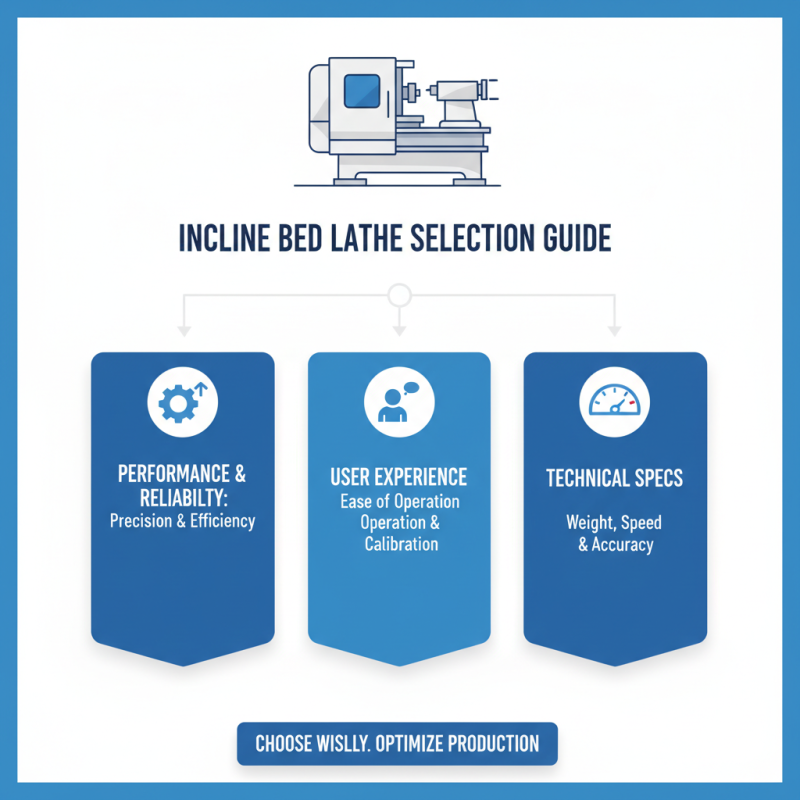
When selecting an incline bed lathe machine, consider the attributes that matter most. Each model varies in performance and reliability. Some may excel in precision while others offer better user experience. A Cnc Bed Milling Machine can provide efficient operation. Look into the specifications offered by different models. Pay attention to the manageable weight, speed settings, and ease of calibration.
Brand comparisons can also shed light on quality. Seek reviews from other users. Some models may have short lifespans despite glowing recommendations. It's crucial to assess long-term reliability. An attractive design might not equal durability. Common problems often arise after extended use.
Price is always a consideration, but don’t rush into decisions based solely on cost. A cheaper machine could lead to more losses over time. Investigate customer support and warranty services. Both are vital for long-term satisfaction. Ask questions, request demonstrations, and seek feedback before purchasing. Choosing wisely ensures a worthwhile investment in your machinery.
When budgeting for your incline bed lathe investment, consider both costs and benefits. The initial price of a Slant Bed Lathe can vary widely. A lower-end model might save money upfront but could lack essential features. More expensive machines often offer better precision and durability.
Maintenance costs are another factor to consider.A Slant Bed Lathe may require regular upkeep, which can add to long-term expenses. Make sure to factor in the cost of tools and accessories.These can sometimes be overlooked but are crucial for optimal performance.
Evaluate how the lathe fits your specific needs. A more expensive model may not be necessary for simple projects. On the other hand, if your work demands high precision and complex designs, investing more upfront can save money later. Reflect on how often you’ll use it. The right choice should balance your current budget and future needs.
When investing in an incline bed lathe machine, maintenance is often overlooked. Proper care can significantly extend a machine’s lifespan. Regular cleaning is essential. Dust and debris can cause wear on critical components. A soft brush and cloth can work wonders in keeping the machine clean. Lubrication is another crucial aspect. Neglecting this can lead to metal-on-metal wear, resulting in costly repairs.
Support is equally important. Establishing a relationship with a knowledgeable technician can save time and stress later. They can provide valuable insights on potential issues or upgrades. Always keep a close eye on performance. If you notice unusual sounds or vibrations, address these immediately. It might be tempting to ignore minor issues, but they can escalate quickly. Noticing small changes helps maintain optimally functioning equipment.
Documenting maintenance schedules can be beneficial. It might seem tedious, but tracking the work you've done aids in planning future tasks. Disorganized notes can lead to missed maintenance windows. Consider creating a checklist for routine inspections. This simple tool can be invaluable. It ensures nothing is overlooked and helps keep the lathe running smoothly.
: It improves efficiency and saves time. Users report enhanced productivity and smoother operations.
Consider your specific needs and goals. Reflect on your current challenges.
Many platforms offer a trial period. It allows you to test features.
Seek help from customer support. Make sure to document your problems clearly.
Regular use is recommended. However, adjust frequency as necessary.
Yes, many guides are available online. Participate in community forums for shared experiences.
Consider what went wrong. Think about your usage and expectations.
User feedback is crucial. Companies often rely on it for improvements.
Most providers have a policy in place. Review the terms carefully.
Regularly review your progress. Learn from peers and adapt your methods.
When choosing the best incline bed lathe machine for your needs, it's essential to understand the fundamental principles behind these machines. Key features to consider include build quality, precision capabilities, and operational ease. It's also important to assess your specific machining needs by evaluating the size, weight, and material you’ll be working with.
Additionally, analyzing different types of incline bed lathe machines can help you make an informed decision. Comparing various models based on reliability and performance will assist in determining the best fit for your production requirements. Budgeting wisely for your investment, while considering both costs and benefits, will ensure you get a machine that delivers value. Finally, maintaining and securing support for your incline bed lathe machine is crucial for its longevity and optimal performance.