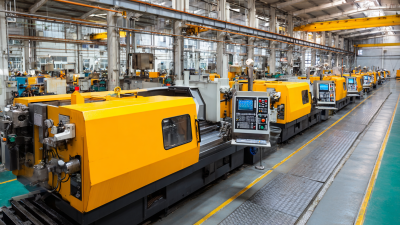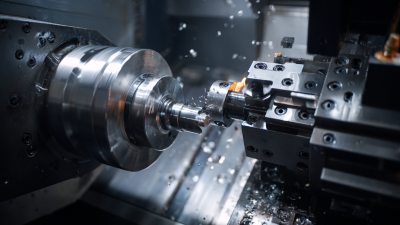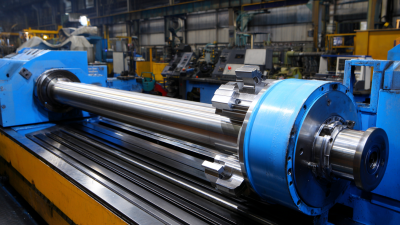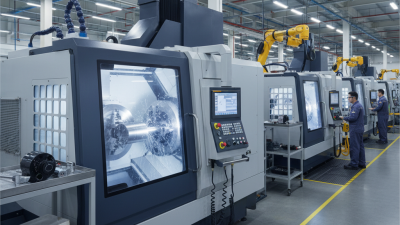
Choosing the right Cnc Lathe Machine can honestly feel pretty overwhelming at first. With so many options out there, it’s easy to get lost trying to figure out what actually fits your needs. A lot of people tend to overlook some important features, so really understanding what you need is key.
When you’re shopping around, think about things like size, speed, and precision — every machine has its own specs. Take some time to really think about your projects and what they require. Sure, a super powerful machine might catch your eye, but ask yourself—can it actually handle everything you throw at it?
Also, don’t forget to check out customer reviews. Sometimes, companies might not deliver exactly what they promise, so it’s worth reading what other users have to say. You want a CNC lathe that makes your work easier, not more complicated. At the end of the day, the best choice depends on what’s most important to you and your specific needs. And trust me, picking the right machine can make a pretty big difference in your work life.
Cnc Lathe Machines are essential tools in modern manufacturing. They automate the process of shaping materials like metal and plastic. Understanding their functions is key to making an informed choice. A CNC lathe machine uses computer numerical control to drive the cutting tools. This results in high precision and repeatability, which manual lathes can't achieve effectively.
When selecting a CNC lathe machine, consider your project needs. Are you creating small parts or large components? The size will significantly influence your choice. A machine too small may limit your capabilities. On the other hand, a larger machine can be more expensive and require more space.
Also, think about the complexity of the parts you need to make. Basic designs may not need advanced features. Yet, intricate designs will benefit from machines that offer advanced tooling options. It's easy to overlook these details and end up with the wrong CNC lathe machine. Sometimes, simpler is better. Always ensure the machine aligns with your specific production goals.
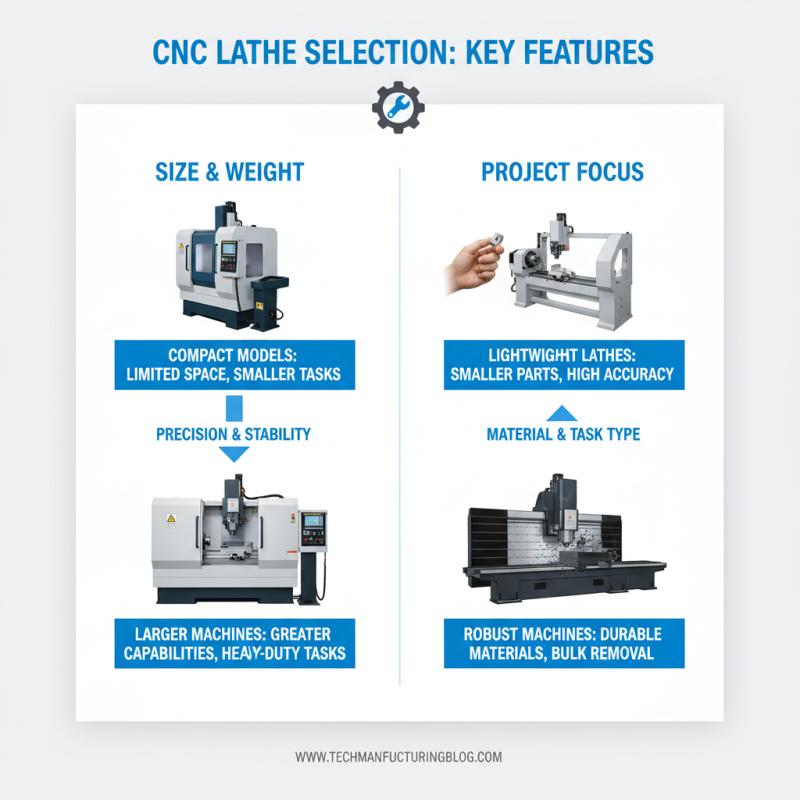
When selecting a CNC lathe machine, key features play a crucial role. Start with the machine's size and weight. This affects both precision and stability. If your workshop has limited space, consider a compact model. Larger machines offer greater capabilities but require more room. Think about your specific projects. Heavy-duty tasks may need robust machines. Lightweight lathes can work well for smaller tasks.
Next, evaluate the controls. User-friendly interfaces can enhance productivity. Cnc And Lathe Machines with intuitive software save time during setup. Look for machines that support various programming languages. This versatility can be vital for adapting to different projects. Don't overlook the importance of the spindle speed. High speeds are necessary for certain materials. However, a balance is needed. Too high a speed can lead to errors or damage.
Lastly, consider the machine's durability. It’s essential to research the materials used in construction. Longevity is key for investment. Some machines may appear robust but rely on fragile components. Pay attention to the warranty and maintenance options. A reliable machine should withstand regular use without frequent issues. You might find that some features are not as practical as they seem. Choose wisely to meet your production goals.
When selecting a CNC lathe, it’s vital to understand the types available. Cnc Auto Lathe Machines are popular for high precision and efficiency. These machines excel in mass production. They can create complex shapes with ease. This makes them ideal for manufacturing parts in various industries.
Another type is the Cnc Vertical Lathe. It is suitable for larger workpieces. Users often choose vertical lathes for their stability. However, they may require more space. Some operators find the learning curve steep, which can hinder initial productivity.
Then, there are CNC Swiss lathes. These machines are designed for small, intricate parts. They are excellent for tight tolerances. Yet, they may also come with high costs. Evaluating your production needs is essential. Consider factors like size, material, and part complexity. Finding the right CNC auto lathe machine requires careful thought and planning.
When assessing your project needs, material compatibility is crucial. Understanding the type of materials you will work with can significantly influence your choice of CNC lathe machine. For instance, aluminum requires different settings compared to harder alloys like stainless steel. A study showed that nearly 70% of machining issues stem from improper material compatibility. It's clear that investing time in material assessment can greatly enhance productivity.
Different materials may also demand specific tooling and feed rates. For example, softer materials like plastics can be machined at higher speeds, while harder metals require slower, more careful approaches. A report indicated that selecting the right tooling based on material could improve tool life by up to 30%. Testing with different materials can help you understand what works best with your chosen machine.
You should also consider the complexity of your projects. If you're producing intricate parts, specific machines may offer advanced features like live tooling and multi-axis capabilities. Yet, these features might come with a steep learning curve. Many operators report difficulties adjusting to sophisticated machines. Reflecting on your experience level and project demands is vital. Balancing between capability and complexity will ultimately guide you in making the right choice.
When choosing a CNC lathe machine, budget is critical. You might find machines ranging from $5,000 to over $100,000. A more expensive model often boasts advanced features. However, the key is to balance cost and functionality. According to a recent industry report, features like precision and speed can significantly impact production efficiency.
Keep in mind that budget constraints can limit your options. A cheaper machine may lack automation capabilities. This can increase manual work and time lost in production. For small businesses, investing in a high-quality Cnc Lathe Machine Tools might seem out of reach. Yet, these machines often pay for themselves over time through improved efficiency and reduced waste.
Tips: Focus on what features you truly need. Don't overspend on unnecessary options. Read reviews and user experiences—it can save you money. Remember, a robust machine can be more cost-effective than a cheaper one that breaks down often. Evaluate the long-term benefits of each CNC lathe machine tools you consider.
When selecting a CNC lathe machine, evaluating manufacturer reputation is essential. A reputable manufacturer often indicates quality and reliability. Look for feedback from previous customers. Reviews can reveal insights that specifications may not. A strong industry presence usually signals trustworthiness.
Support services are equally important. Consider how responsive the manufacturer is to inquiries. If an issue arises, fast support can minimize downtime. Check if they provide training for your team. This can significantly enhance your efficiency with the machine. Some manufacturers offer extensive resources, while others may fall short.
Not all manufacturers have the same level of service. Some may promise support but fail to deliver. This inconsistency can lead to frustration. Reflect on your needs and the kind of support that will benefit you most. Choosing a manufacturer requires careful consideration to avoid future challenges.
| Dimension | Description | Importance |
|---|---|---|
| Manufacturer Reputation | Research customer reviews, ratings, and feedback online. | Critical for assessing reliability and quality. |
| Support Services | Evaluate availability of customer support, technical assistance, and warranty options. | Essential for ongoing maintenance and troubleshooting. |
| Machine Specifications | Examine size, speed, precision, and tooling capability of the lathe machine. | Important to match capabilities with project needs. |
| Training and Resources | Check if the manufacturer offers training manuals, videos, or online resources. | Helps ensure efficient operation and safety. |
| Cost and Value | Assess pricing against the machine features and benefits provided. | Vital for budgeting and investment justification. |
When selecting a CNC lathe, the importance of maintenance and training cannot be overlooked. Regular maintenance is essential to ensure optimal performance. A study by the Manufacturing Technology Association found that 40% of breakdowns could be mitigated with proper upkeep. Scheduled inspections and routine lubrication can prolong machine life and enhance accuracy.
Training is equally crucial. Operators need to understand both machine functions and safety protocols. Surveys show that companies investing in operator training see a 30% increase in productivity. Many operators struggle with complex CNC systems. This gap can lead to machine misuse or errors, compromising production quality.
Implementing a structured training program can bridge this gap. Hands-on experience paired with theoretical knowledge boosts confidence. However, training sessions often require significant time and resources. Some companies underestimate these needs, which can lead to poor operator performance. A comprehensive plan that includes periodic refresher courses could mitigate these issues, ensuring that every team member is up to date.
: The product aims to improve daily convenience. It helps users manage tasks effectively.
Instructions are simple. Follow the steps provided in the manual.
Yes, but consider the weather. Avoid using it in heavy rain.
A warranty is typically included. Always check the details before purchase.
First, check the manual for troubleshooting tips. If unresolved, contact support.
Yes, always follow the safety guidelines. Avoid using it near water.
Yes, settings can be adjusted easily. Explore the options in the menu.
Use a soft cloth for cleaning. Avoid abrasive materials to prevent damage.
Yes, regularly check the battery life. This helps maintain optimal performance.
You can reach customer support via email or phone. Responses may vary in time.
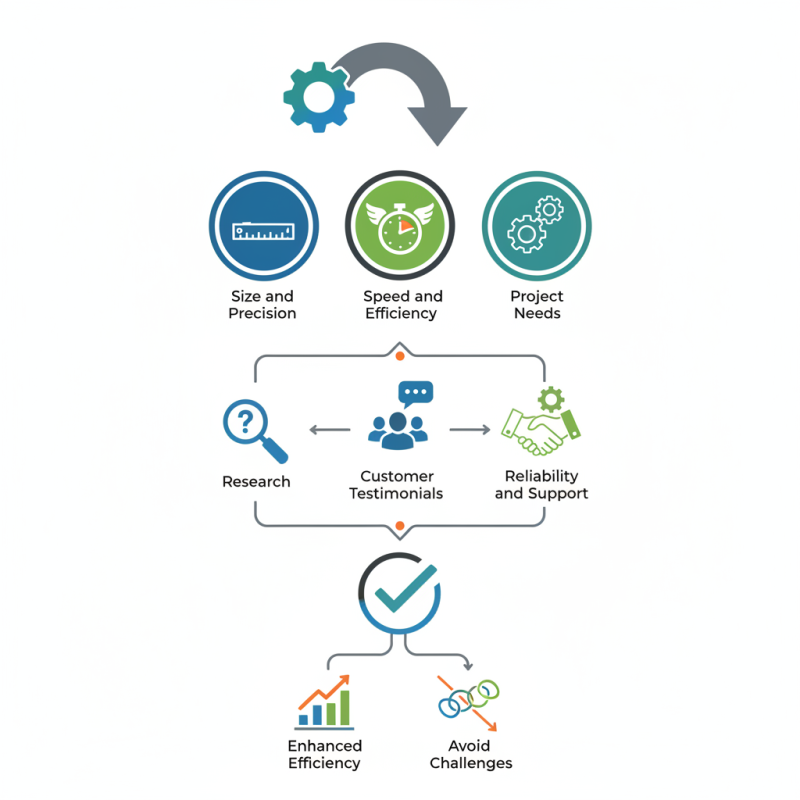
When selecting the best CNC lathe machine for your needs, it's essential to understand the various factors influencing your decision. Start with a brief overview of CNC lathe machines and consider key features such as precision, versatility, and automation capabilities. Different types of CNC lathes serve specific applications, so assessing your project needs and material compatibility is critical.
Budget considerations also play a significant role, as you must weigh cost against desired features. Additionally, evaluating the reputation of the manufacturer and the availability of support services ensures long-term reliability. Finally, don’t overlook maintenance and training needs, as these elements are vital for maximizing the performance and lifespan of your CNC lathe machine.