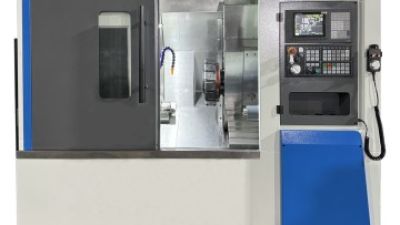
Manufacturing as a whole keeps changing, mostly thanks to new tech that boosts both efficiency and precision. One pretty impressive innovation right now is the Automatic Cnc Lathe. Honestly, it’s really changed the game for companies that make parts — automation that helps save time and cut down on labor costs.
Take XYZ Corp, for example — they've seen a big jump in productivity ever since they brought these machines in. The accuracy they provide is pretty amazing, cutting down on mistakes and making sure the quality stays high. That said, deploying these machines isn’t a walk in the park. Training people and tweaking existing workflows can be tricky, you know?
When you look into Automatic CNC Lathes, it’s good to weigh the pros and cons. They’re super fast and reliable, but there's also that risk of becoming too dependent on the tech. Finding the right balance between skilled humans and machines is still the key to making manufacturing work smoothly and effectively.
Overview of Automatic CNC Lathes and Their Purpose
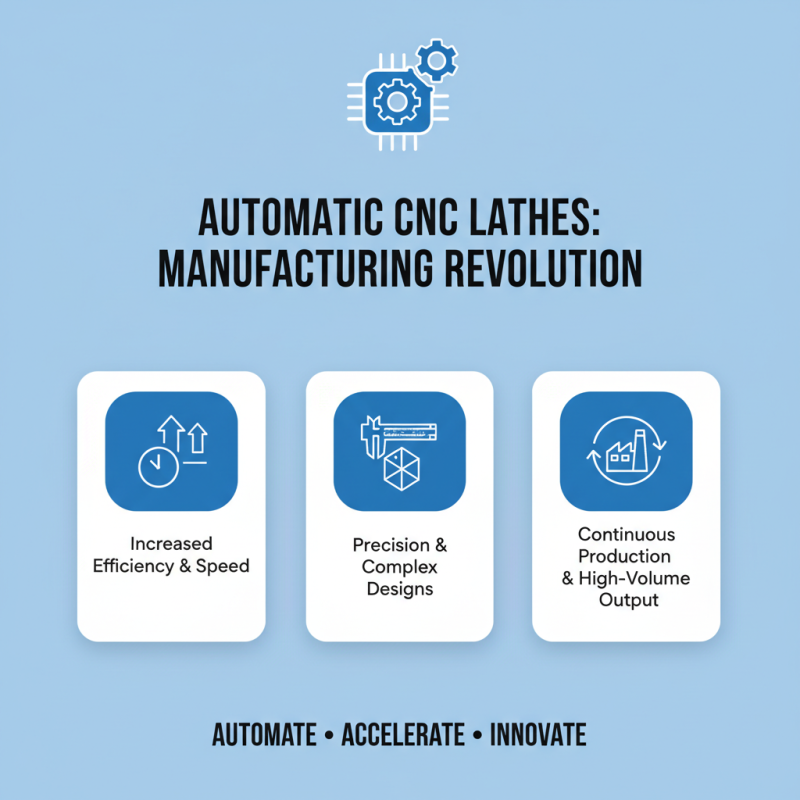
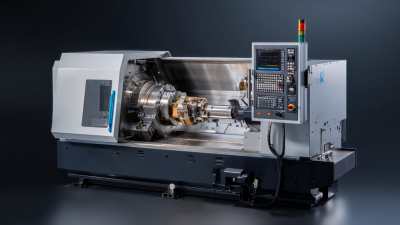
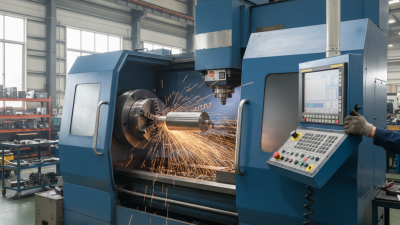
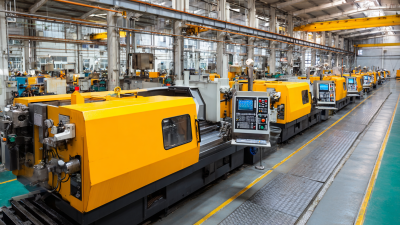
Automatic Cnc Lathes are vital tools in modern manufacturing. They automate the machining process, bringing efficiency to the forefront. These machines can handle complex designs with precision, reducing human error significantly. A well-programmed Automatic CNC lathe can work continuously, producing parts at a faster rate than manual methods. This capability allows manufacturers to meet high-demand production cycles.
In addition to speed, these lathes offer versatility. They can switch between different tasks without extensive downtime. However, mastering the programming can be challenging. Operators must understand various settings, speeds, and tool types to maximize performance. This learning curve can be frustrating and may lead to initial production inconsistencies. Despite these challenges, the integration of an Automatic CNC lathe can lead to substantial long-term benefits. The investment often pays off with improved throughput and reduced labor costs.
Key Features of the Best Automatic CNC Lathes in 2026
When exploring the best automatic CNC lathes in 2026, key features stand out. Precision engineering remains a top priority. Advanced software controls enhance programming ease, allowing users to create complex designs effortlessly. The capability for multi-axis machining means operators can produce intricate shapes in one setup, saving time and improving accuracy.
Another notable feature is the integration of smart technology. Real-time monitoring systems help detect potential issues before they escalate. This leads to minimal downtime and efficient production schedules. Additionally, user-friendly interfaces simplify the operation, but some users may find the learning curve steep.
However, with all these features, there are ongoing challenges. Maintenance is critical. Regular upkeep can be labor-intensive and time-consuming. Operators must also adapt to constantly evolving software updates. Embracing these advancements might not always yield immediate satisfaction, but the potential rewards are significant. Balancing technology with hands-on expertise remains crucial for optimal performance.
Benefits of Using Automatic CNC Lathes for Precision Machining
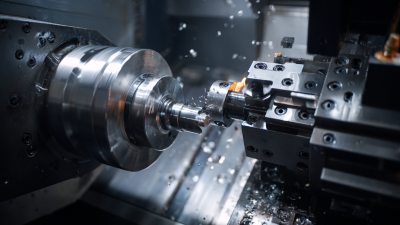
Automatic CNC lathes offer significant advantages in precision machining. These machines enhance accuracy and reduce human error. Their designs allow for complex shapes and tight tolerances. Job setups are quicker, saving time and resources. Operators can focus on monitoring rather than manual tasks. Each cycle ensures a consistent product.
Using an Automatic Cnc Machine improves workflow efficiency significantly. However, challenges exist. Machines may require initial programming and calibration that can be time-consuming. Not all materials respond well to automation. Some processes need traditional methods for better results. Choices must be made carefully to balance speed with quality.
The ability to produce parts quickly is remarkable. Yet, reliance on automation can lead to skill gaps in the workforce. Young machinists may need hands-on experience for traditional techniques. Automation isn't a magic bullet; it requires thought and planning. Understanding when to use these machines will lead to better outcomes.
Comparative Analysis of Different Automatic CNC Lathe Models
In the evolving landscape of manufacturing, a comparative analysis of automatic CNC lathe models reveals crucial insights. Research indicates that Cnc Machine Automatic options have enhanced precision rates. Many models achieve tolerances as tight as 0.005mm. However, not all machines meet this benchmark uniformly. Some lower-end models struggle with consistency, showing variability in production quality.
Evaluating features, advanced control interfaces are common in leading models. They allow for intuitive operation, yet usability may differ. For example, some designs are complex, requiring extensive training. In contrast, simpler systems enhance user experience but might sacrifice advanced functionalities. Production data suggests a significant percentage, around 30%, of operators prefer user-friendly controls over intricate features.
Moreover, speed and reliability are key metrics. While many Cnc Machine Automatic lathes offer rapid cycle times, reliability can vary. Some lathes suffer from mechanical failures after prolonged use, highlighting the need for regular maintenance. Addressing these issues ensures optimized performance. It's essential to weigh these factors when selecting the right model, as the perfect machine involves balancing feature sets and operational demands.
2026 Best Automatic CNC Lathe Features and Benefits Explained
| Model | Spindle Speed (RPM) | Max Turning Diameter (mm) | Control System | Weight (kg) | Feature Highlights |
| Model A | 4000 | 300 | CNC 8025 | 1500 | High precision, user-friendly interface |
| Model B | 5000 | 250 | Fanuc 0i | 1400 | Fast processing speed, strong build |
| Model C | 3500 | 280 | Siemens 828D | 1600 | Energy-efficient, compact design |
| Model D | 4500 | 320 | Mitsubishi M80 | 1550 | Automatic tool changer, versatile |
| Model E | 6000 | 350 | Yasnac 200i | 1700 | High efficiency, enhanced safety features |
Technological Innovations in 2026 Automatic CNC Lathes
In 2026, automatic CNC lathes are witnessing a surge in technological innovations. Enhanced precision and speed are at the forefront. Reports indicate that these machines can achieve tolerances as tight as ±0.005 mm, revolutionizing manufacturing processes. This level of accuracy not only reduces waste but also ensures high-quality outputs. Many industries, ranging from aerospace to automotive, are relying on these advancements.
More manufacturers are adopting smart CNC technologies. Features like IoT connectivity allow for real-time monitoring. A recent study shows that these innovations can improve production efficiency by up to 30%. However, the integration process can be challenging. Many companies struggle to fully utilize data analytics for optimal performance. This gap reveals a need for better training and adaptation.
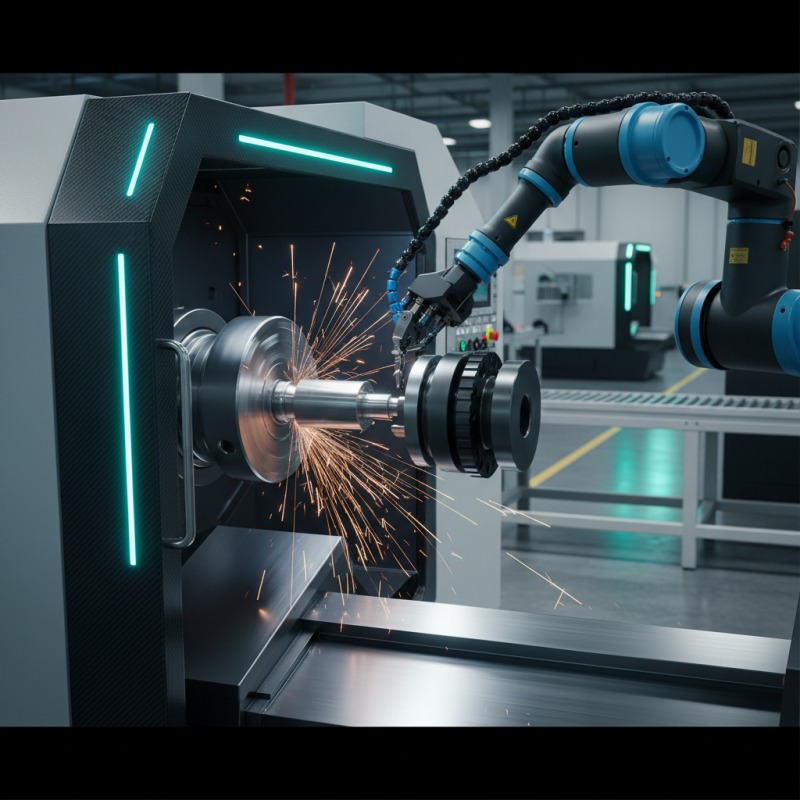
Automation in Cnc Machine Cnc setups is also increasing. Collaborative robots often work alongside lathes, enhancing flexibility. Yet, this comes with a cost. Smaller operations may find it hard to keep pace with these advancements. Balancing automation and skilled labor remains a crucial hurdle for manufacturers. The evolution continues, highlighting both opportunities and challenges in the CNC landscape.
Maintenance Tips for Maximizing CNC Lathe Performance
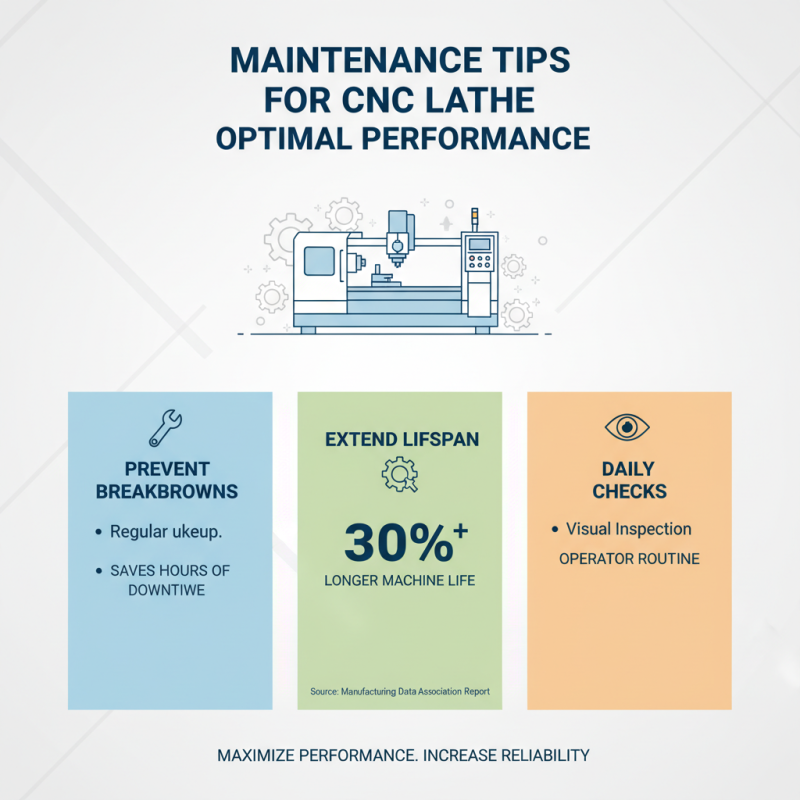
Maintaining your CNC lathe is crucial for optimal performance. Regular maintenance can prevent unexpected breakdowns. According to a report by the Manufacturing Data Association, proper upkeep can enhance machine lifespan by up to 30%. Operators need to conduct daily checks. A simple visual inspection can save hours of downtime.
Lubrication plays a key role in maintenance. Ensure all moving parts receive the right amount of lubricant. Many operators overlook this step. Inadequate lubrication can cause excessive wear and tear. A study shows that machines with regular lubrication run 50% smoother. It's essential to adhere to the manufacturer's guidelines for lubrication frequency.
CNC lathes often face wear problems. Regular replacement of worn-out parts is vital. Components like tools and screws should be checked routinely. Ignoring these details can lead to greater issues later. Additionally, monitor coolant quality. Contaminated coolant can affect precision and surface finish. A clean coolant system boosts performance significantly, making it an integral part of the maintenance routine.
Future Trends in Automatic CNC Lathe Technology and Applications
The automatic CNC lathe technology is evolving rapidly. In 2026, expect advancements in precision and speed. Improved software will enhance user interfaces, making programming easier. This trend supports industries seeking efficiency. Real-time monitoring systems will become integral to operations. They offer feedback and insights for immediate adjustments.
Moreover, the applications of CNC lathes are expanding. Industries will utilize these machines for complex projects, such as aerospace components. New materials, like advanced composites, will be machinable with high precision. However, not all users adapt quickly. Some may struggle with training and technology integration. There's a need to reflect on skill gaps in the workforce. Improving training programs is essential for maximizing potential.
Sustainability will be another theme. Companies will focus on reducing waste and energy consumption. Future lathes may incorporate eco-friendly practices. But challenges remain in balancing efficiency and environmental impact. Users need to consider both performance and responsibility in their operations.
2026 Best Automatic CNC Lathe Features and Benefits
Maximizing Efficiency and Precision: The Advantages of CNC Turning and Milling Machines with Y Axis and Tailstock
Cnc Turning and milling machines equipped with Y-axis and tailstock are revolutionizing the manufacturing landscape by significantly enhancing efficiency and precision. These advanced machines, such as the GD5245Y Composite Machine, are designed with integrated features that optimize the machining process. For instance, the slant body design aids in superior chip discharging, reducing downtime and improving machining cycles. Additionally, the machine's 12-station turret allows operators to utilize multiple tools for diverse processes, thus streamlining production and maximizing output.
A key feature of modern CNC machines is their structural integrity, which directly impacts performance. The reinforced internal rib structure of machines like the GD5245Y provides increased rigidity, ensuring consistent results even under demanding conditions. The Z-axis drive options of 350mm or 550mm contribute to flexibility in different machining applications, allowing operators to tackle a broad range of products. Furthermore, the non-contact double feedback indexing system enhances precision, enabling high-resolution positioning that is crucial for complex machining tasks.
Industry reports indicate that the adoption of CNC technology can lead to productivity improvements of 30% or more within manufacturing operations. The integration of hydraulic locking systems in spindle design facilitates rapid tool changes and high-speed rotation, minimizing idle time and maximizing throughput. As manufacturers continue to embrace these advanced CNC solutions, the drive for operational excellence and product quality remains at the forefront of industry efforts.
FAQS
: Automatic CNC lathes automate machining processes, increasing efficiency in manufacturing.
They can produce parts continuously, resulting in faster output than manual methods.
Operators must learn various settings and programming, which can be frustrating.
Some can achieve tolerances as tight as ±0.005 mm, reducing waste.
Expect better software for easier programming and real-time monitoring systems.
It allows real-time monitoring, improving production efficiency significantly.
Better training helps users maximize the machines’ performance and integration.
Companies are focusing on reducing waste and energy consumption in operations.
Aerospace and automotive industries are increasingly relying on CNC lathe advancements.
They may struggle to keep up with technological changes and costs.
Conclusion
Automatic CNC lathes have revolutionized precision machining by combining advanced technology with user-friendly functionality. The article explores their primary purpose, which is to enhance productivity and accuracy in manufacturing. Key features of the best automatic CNC lathes of 2026 include high-speed operation, improved automation, and enhanced tooling capabilities, making them suitable for various industrial applications.
The benefits of using automatic CNC lathes are numerous, including reduced labor costs, increased output quality, and minimized human error. A comparative analysis of different models illustrates the diverse options available to meet specific machining needs. Additionally, the article highlights the latest technological innovations that improve performance and efficiency. To maintain optimal operation, it provides essential maintenance tips. Looking ahead, future trends in automatic CNC lathe technology promise even more advancements, making them indispensable in modern manufacturing processes.