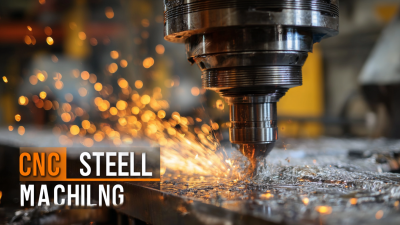
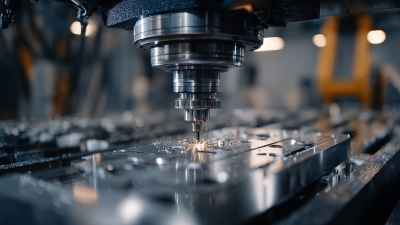
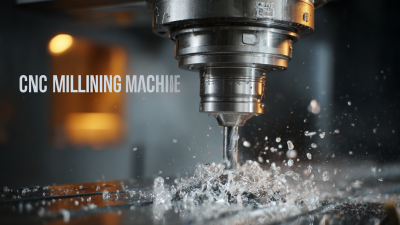
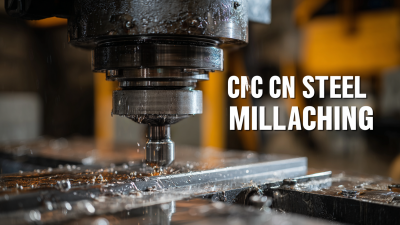
Picking the right CNC steel milling machinereally matters when it comes to manufacturing with precision. I mean, did you know that, according to IBISWorld, the global Cnc Machining market is projected to hit around $95 billion by 2025? That’s a huge deal! It just shows how important it is to choose a machine that fits your specific production needs, whether you're running a small setup or a big operation.
A good Cnc Steel Milling Machine should be reliable, sure, but also flexible enough to adapt as your needs change. Honestly, the choice you make can really affect how smoothly your operations run. Industry folks often suggest looking at things like precision and speed when you're evaluating options. Finding a machine tailored to your particular requirements can totally boost productivity.
Here's the thing, though — the market’s packed with options. Not all CNC steel mills are equal, and some might fall short when it comes to handling complex projects. Others might not give you the consistency you need for repetitive tasks. So, it’s super important to think about your long-term needs, not just the initial investment and ongoing maintenance. Making an informed choice here can save you a lot of trouble and actually help increase your output in the long run.
Understanding CNC Steel Milling Machines and Their Functions
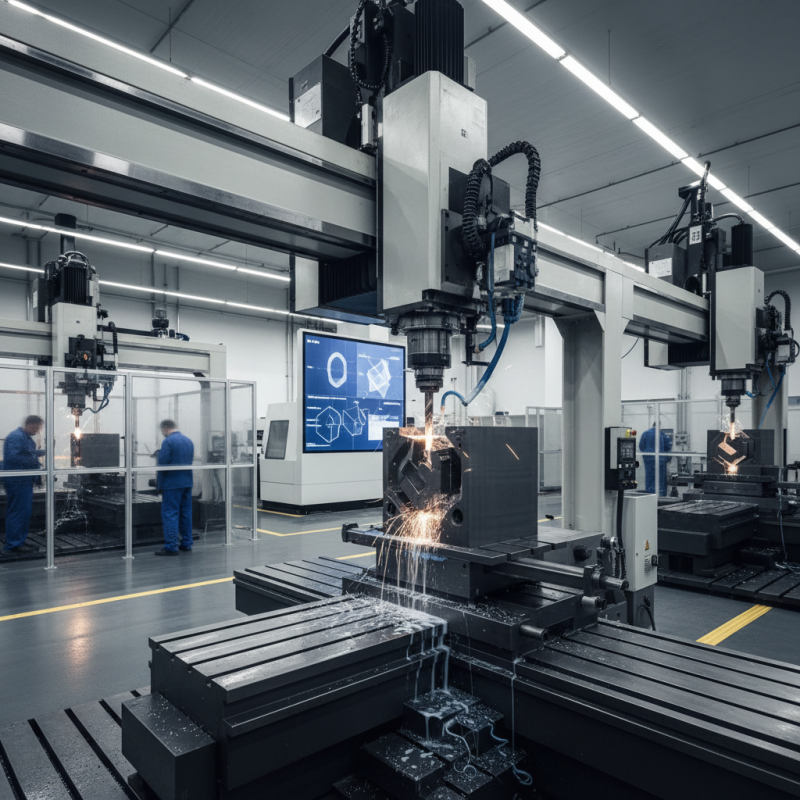
CNC steel milling machines play a crucial rolein modern manufacturing. These machines cut, shape, and finish steel with precision. Understanding their functions helps businesses choose the best models to meet their needs. According to a recent industry report by Grand View Research, the global Cnc Milling Machine market is expected to reach$85 billion by 2027. Demand is driven by advances in automation and the need for high-quality steel components.
CNC steel milling machines offer various functionalities like contouring, drilling, and tapping. This versatility is vital for different industries, including automotive and aerospace. High-speed machining can improve production efficiency, but it requires a good understanding of tooling and materials. Some machines might not be compatible with all steel grades, which could limit their utility.
Tips: When selecting a Cnc Steel Machine, consider the size and power of the spindle. Research the machine’s accuracy ratings. Look for user reviews to uncover potential issues. Regular maintenance is essential for longevity. An informed decision leads to better investment outcomes and enhances production capabilities.
Key Factors to Consider When Choosing a CNC Milling Machine
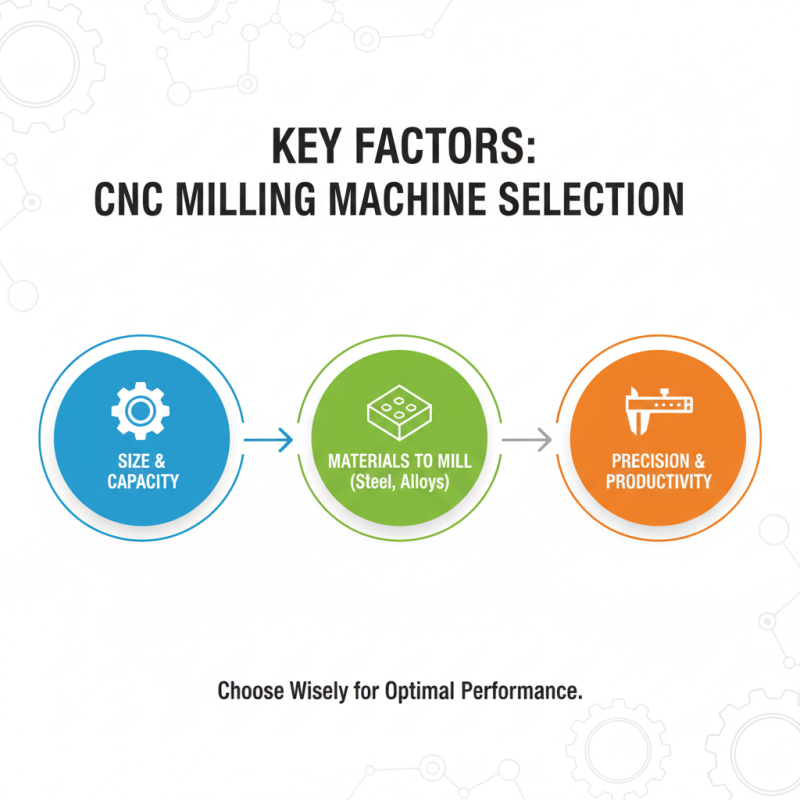
Choosing the right CNC steel milling machine is crucial for precision and productivity. Many factors influence this decision. The machine's size and capacity determine its ability to handle specific projects. You should consider the materials you will be milling. Different machines excel at working with varied steels and alloys.
One essential factor is the machine's cutting speed and feed rate. These specs impact the quality of the finished product. A higher spindle speed is often required for harder materials. Remember to analyze the machine's rigidity and stability. A stable machine produces more accurate cuts and lasts longer.
Tips: Evaluate your workshop space. Ensure you can accommodate the machine comfortably. Maintenance is another essential consideration. Regular upkeep ensures performance and longevity. Lastly, don’t overlook the control system. A user-friendly interface enhances your productivity. Choose a machine that allows you to adapt to new software or updates seamlessly.
Types of CNC Steel Milling Machines and Their Applications
When it comes to CNC steel milling machines, understanding the different types is crucial. There are several common varieties, including vertical, horizontal, and universal machines. Vertical Cnc Milling Machines excel in precision work and are ideal for detailed machining. According to a recent industry report, vertical machines account for nearly 45% of the CNC milling market due to their versatility in creating complex designs.
Horizontal CNC milling machines are favored for larger workpieces. They are often utilized in heavy manufacturing sectors, where durability is key. These machines can handle tougher materials and provide efficient chip removal. Research indicates that horizontal machines can increase productivity by up to 30%, especially for bulk production tasks.
Universal CNC milling machines combine features of both vertical and horizontal types. They are adaptable, allowing for various operations. However, they may require more skill to operate effectively. This variety showcases the importance of matching the CNC milling machine to your specific needs. Understanding these types not only aids in decision-making but also highlights the potential challenges in choosing the right equipment for your production line.
Assessing Your Budget and Cost of Ownership
When selecting a CNC steel milling machine, budget and ownership costs are paramount. A tight budget may limit options, while an expansive one could open doors. It's vital to evaluate not only the initial purchase price but also the long-term expenses associated with maintenance and operation. A Vmc Cnc Milling Machine, for example, may come with higher upfront costs, but its efficiency could lead to savings over time.
Consider the machine’s energy consumption. While some models are pricier, their lower energy usage can offset initial investments. Calculate the total cost of ownership, including part replacements and service fees. Tips: Track your expenses for the first year. This will give you a clearer picture of actual costs.
Evaluate potential hidden costslike software licenses and upgrades. A Vmc Cnc Milling Machine may require ongoing software support, which can add to expenses. Reflect on how often you will need to update or upgrade your machine. Make sure to ask about warranties. Choices can appear attractive until you factor in long-term service or support costs.
Essential Features and Specifications to Look For
When selecting a CNC steel milling machine, key features can significantly impact your productivity. Look for a machine with a robust spindle and adequate power, as these are essential for efficient milling. Industry reports indicate that machines with a 10,000 RPM spindle speed enhance material removal rates, leading to better workflow. A good minimum torque value is also critical; a range of 500-800 Nm is ideal for steel milling processes.
Another crucial specification is the machine's rigid structure and stability. Machines with a high-weight design tend to minimize vibrations during operation. Reports suggest that machines weighing over 2,500 kg show a notable decrease in workpiece deflection. This stability leads to improved accuracy and finish quality, especially in intricate designs.
Lastly, the machine's control system plays a vital role in usability. An intuitive interface reduces the learning curve for new operators. A study showed that user-friendly systems could increase operational efficiency by up to 30%. Furthermore, frequent software updates ensure that the machine can handle various milling tasks effectively. However, consider the level of technical support available for the control system. Reliable support can make a significant difference in troubleshooting and maintenance.
Evaluating Brand Reputation and Customer Support
When selecting a CNC steel milling machine, evaluating brand reputation is crucial. A reliable brand often indicates quality and consistency in performance. Look for companies with a long history in the industry. Their experience can offer insights into machine reliability and user satisfaction. Check online reviews and ratings. Customer feedback can reveal potential issues and highlight strengths.
Customer support is another key factor. A reputable brand should offer accessible and effective support services. Consider their response times and availability for assistance. It's essential to have help when issues arise, especially in a production environment. Explore support channels, such as phone, email, or live chat. Knowing you can reach someone quickly can provide peace of mind.
Sometimes, brands may seem perfect at first glance. However, checking for hidden critiques can uncover flaws. Some users may report challenges with specific models or parts. Take these points into account. Reflecting on both positive and negative experiences helps in making a well-rounded decision. Balancing reputation and support can lead you to the best CNC milling machine for your needs.
Tips for Finding Reliable Suppliers and Dealers
Finding reliable suppliers and dealers for a New Cnc Milling Machine is crucial. Start by researching online platforms that specialize in industrial machinery. Check reviews and ratings from other customers. Look for suppliers with a proven track record and quality certifications. A reputable dealer should have expertise and knowledge about their products.
Attend industry trade shows or conferences to connect directly with suppliers. This face-to-face interaction can provide valuable insights and build trust. Pay attention to how they address your questions. A knowledgeable dealer will readily share information about machine specifications and operational benefits. Online forums can also highlight common issues customers face with certain suppliers.
Consider asking for references from previous clients. This can validate a supplier's reliability. Be wary of deals that seem too good to be true. They might indicate a compromise in quality or service. High-quality CNC equipment usually comes at a competitive price. A well-informed choice will impact your operations positively. Each decision should reflect your specific needs and expectations for the New Cnc Milling Machine.
How to Choose the Best CNC Steel Milling Machine for Your Needs?
| Feature | Considerations | Recommended Specifications | Example Range |
| Machine Size | Workspace dimensions, weight capacity | 500mm x 500mm working area | 250mm - 2000mm |
| Spindle Speed | RPM range, type of materials | 8000 RPM | 3000 - 24000 RPM |
| Control System | Ease of use, programming features | CNC controller with G-code | Fanuc, Siemens compatible |
| Precision | Tolerance levels depends on applications | ±0.01mm | ±0.005mm - ±0.1mm |
| Power Consumption | Understanding operational costs | 5kW | 2kW - 15kW |
| Warranty and Support | Length of warranty, service options | 2-year warranty with support | 1 - 5 years |
| Price Range | Budget considerations | $15,000 | $10,000 - $100,000 |
FAQS
: Budget is crucial. A tight one limits options; a larger budget allows better choices.
Consider maintenance, operation, and energy consumption. These impact overall ownership expenses significantly.
Models with lower energy use might cost more upfront but save money long-term.
Look for a robust spindle, adequate power, and a rigid structure to ensure stability during milling.
A stable machine minimizes vibrations and improves accuracy, especially in complex designs.
Research online reviews, check ratings, and attend industry events for trusted suppliers.
Hidden costs like software licenses and support can significantly affect overall expenses.
An intuitive interface reduces the learning curve and can boost operational efficiency significantly.
Look for a proven track record, quality certifications, and positive customer feedback.
Yes, they may signify compromised quality or service. Always prioritize informed choices.
Conclusion
When choosing the best CNC steel milling machine for your needs, it's essential to understand its functions and how they align with your specific applications. Start by assessing key factors such as the machine's capabilities, precision, and the types of materials it can handle. Different CNC steel milling machines are designed for various applications, so identifying your primary use will help narrow down your options.
Additionally, consider your budget and the total cost of ownership, which includes maintenance, tooling, and operating costs. Look for essential features like control systems, ease of operation, and safety mechanisms. Evaluating brand reputation and customer support can also significantly impact your decision, ensuring you receive reliable service and assistance. Finally, sourcing from trustworthy suppliers and dealers can help guarantee the quality and longevity of your CNC steel milling machine.