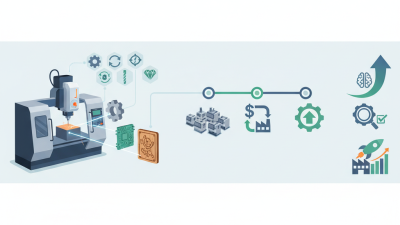
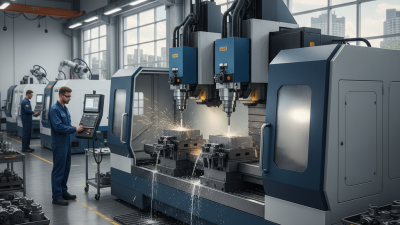
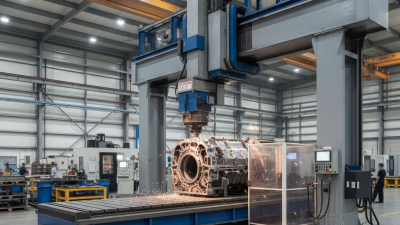
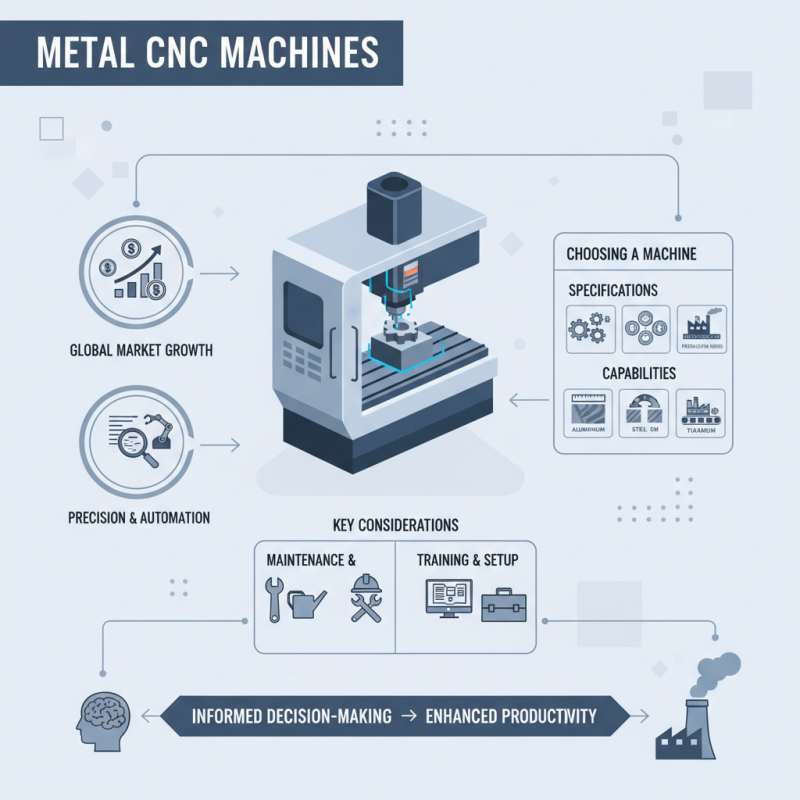
These days, the metal manufacturing scene is really leaning heavily on advanced tech. For instance, a Metal CNC machinehas become pretty much a must-have for precision work. According to Allied Market Research, the global market for CNC machines is expected to hit around $100 billion by 2026, which just shows how important automation is becoming in metalworking. When you're choosing the right Metal Cnc Machine, it’s really about understanding the specs, what it can do, and what your specific production needs are. Companies like Haas Automation and DMG Mori offer a variety of options, but each machine has its own purpose. It's crucial to think about things like speed, accuracy, and whether it’s compatible with the materials you're working with. Honestly, with so many choices out there, the decision can get pretty overwhelming. Looking back at past decisions can definitely help you pick better this time around. Some folks forget about the importance of regular maintenance or basics like having skilled operators, and that can really mess with productivity. Industry reports tend to stress how important proper training and reliable setups are. The right Metal CNC machine can boost your efficiency big time, but only if you make an informed choice in the first place.
What is a Metal CNC Machine?
A metal CNC machine is a computer-controlled tool used for shaping and cutting metal. These machines operate with high precision, making them essential in manufacturing and fabrication. The process involves coding designs into software, guiding the machine to execute complex tasks. Users often appreciate the consistency and accuracy achieved with these machines.
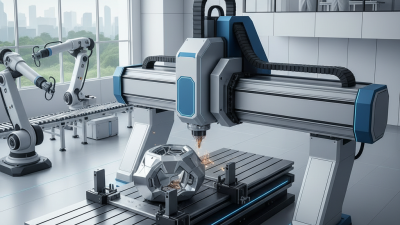
When choosing a metal CNC machine, consider its capabilities. Different models, like the 5 Axis Metal Cnc Machine, offer varied functionalities. The number of axes determines the complexity of the shapes you can create. A 5-axis machine allows for more intricate designs and reduces the need for multiple setups. This can increase efficiency, but the learning curve may be steep.
Think about the materials you'll work with. Not all machines can handle every type of metal. Additionally, pay attention to the machine’s strength and durability. A robust machine can manage higher workloads, but it might come with a higher price tag. Researching and comparing options can be overwhelming. Make sure to gather insights from experienced users to make an informed decision.
The History and Evolution of CNC Machining
Cnc Machining has come a long way since its inception in the mid-20th century. Originally, it started as a tool to automate processes in manufacturing. The first machines relied on punched tape or cards. These early systems were limited and not user-friendly. Over time, advancements in computer technology began to revolutionize CNC machining. With the introduction of digital controls, the process became more precise and flexible.
Today’s Cnc Metal Cutting Machines showcase the remarkable evolution of this technology. Modern CNC systems offer enhanced capabilities. They can handle complex designs and a variety of materials with ease. New software allows for faster programming and simulation. As a result, manufacturers now achieve higher efficiency and better output quality. However, the transition to these advanced systems can be daunting. Not all operators are familiar with the latest technology or require proper training.
While CNC machines have transformed manufacturing, they are not without challenges. Maintenance and operational costs can become significant. Moreover, outdated equipment may still linger in some shops, leading to inefficiencies. Choosing the right Cnc Metal Cutting Machine requires careful consideration. Each potential solution has its pros and cons. Overall, the journey of CNC machining from its roots to modern technology reflects innovation and continuous improvement.
Key Components and Mechanisms of Metal CNC Machines
When looking at metal CNC machines, understanding key components is essential. The primary elements include the spindle, motors, and control systems. The spindle holds the cutting tool and determines the machine's speed. It directly impacts the quality of the cuts. Motors provide the movement, while control systems manage the machine's functions. A reliable control system enhances precision in operations.
Tips for selecting a machine: Evaluate the spindle speed and power before making a decision. Look for machines that allow easy adjustments. Pay attention to the types of materials you will be working with. Different machines excel with various metals, impacting your production efficiency.
Another important factor is the bed size. A larger bed accommodates bigger workpieces. However, ensure the machine fits in your workspace. Consider the maintenance required. Frequent service can lead to increased downtime. Thus, assess the manufacturer’s support and resources. Understanding components and their roles will guide your choice more effectively.
Types of Metal CNC Machines and Their Applications
Metal CNC machines come in various types, each designed for specific applications. One common type is the Cnc Metal Milling Machine. This machine excels at removing material from metal workpieces to create precise shapes and dimensions. It uses rotary cutters to achieve complex geometries, which are essential in manufacturing processes. Industries like aerospace and automotive benefit from the accuracy this machine offers.
Another type is the CNC metal lathe, which is ideal for cylindrical parts. It rotates the workpiece against a cutting tool to create uniform shapes. This technique is crucial when producing shafts, bushings, and fittings. Operators often face challenges programming the lathe, especially in intricate designs. The learning curve can be steep, prompting some manufacturers to rely on experienced machinists.
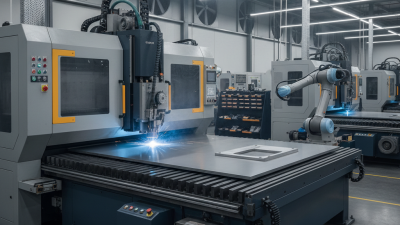
Lastly, plasma CNC machines are used for cutting thicker metals. They utilize high-temperature plasma to achieve clean cuts. However, achieving high-quality edges can be tricky. Operators need to calibrate the machine meticulously. Inappropriate settings can lead to messy cuts and increased material waste. Each type of machine has its pros and cons, demanding careful evaluation based on specific project needs.
Factors to Consider When Choosing a Metal CNC Machine
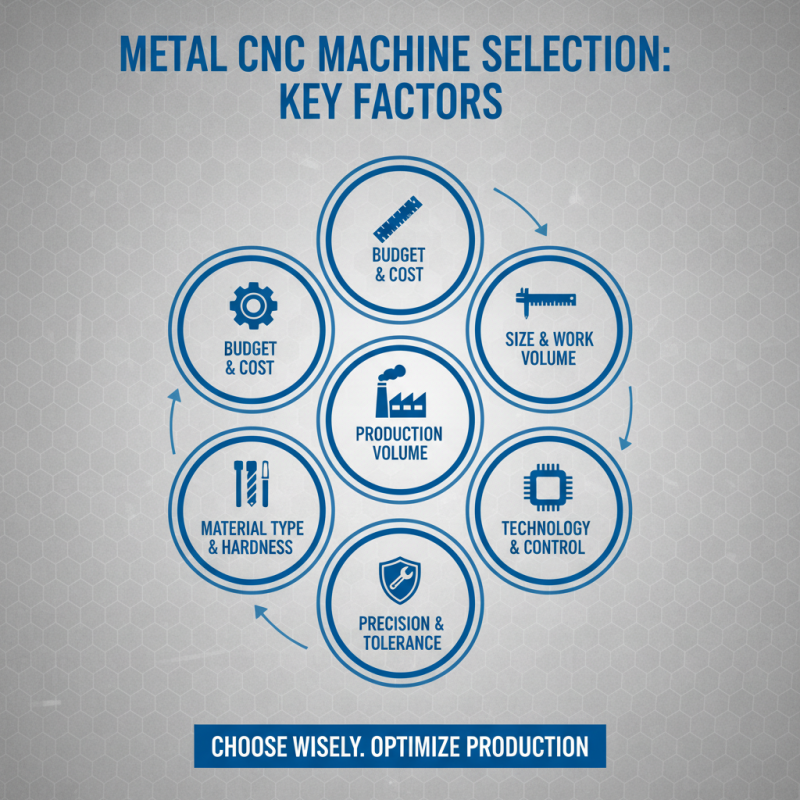
Choosing the right metal CNC machine can be daunting. Several factors influence this decision. Understanding these factors helps ensure you select a machine that meets your specific requirements effectively.
First, consider the type of materials you will work with. Many CNC machines excel with aluminum but struggle with harder metals like titanium. A report by the International Manufacturing Technology Show noted that machining around 70% of metals involves aluminum. If your projects involve tougher materials, prioritize machines capable of higher cutting forces.
Next, pay attention to the machine's precision and repeatability. Tolerances often range from +/- 0.01 mm to +/- 0.1 mm in various applications. Higher tolerance machines provide better accuracy, crucial for intricate parts. However, more precision generally means increased machine costs and maintenance. Reflecting on budget constraints may lead to choosing a less precise model that is easier to maintain, albeit with trade-offs in performance.
Another vital aspect is the software compatibility. Modern Cnc Machines often demand advanced software for programming and running. Reports show that about 45% of manufacturers struggle with software integration issues. It’s essential to ensure that your CNC machine can easily connect with your existing systems to avoid bottlenecks in production. Evaluate your team's proficiency with specific software as well. A machine that seems perfect might create challenges if your team is unfamiliar with its operating system.
Comparative Analysis of Leading Metal CNC Machine Brands
When evaluating metal CNC machines, it's crucial to consider brand reliability and technology integration. Recent industry reports indicate that around 55% of manufacturers prioritize accuracy and speed. Brands leading in this sector often showcase advanced features like closed-loop control systems, significantly enhancing machining precision. However, some users have noted inconsistencies in customer service from these top brands.
Another significant factor is the machine’s compatibility with various materials. Data shows that about 67% of professionals prefer machines that can handle diverse metal types, such as aluminum, steel, and titanium. While leading brands may excel in performance, their adaptability can be a source of concern. Users frequently report that machines designed for specific metals struggle with versatility.
Moreover, ongoing maintenance costs should not be overlooked. A notable percentage of users (over 40%) feel unprepared for the long-term maintenance required, often leading to increased downtime. A competitive analysis reveals that while some brands offer extensive warranties, others have limited support, raising questions about their long-term reliability. Evaluating these factors can guide choices in the complex landscape of metal CNC machines.
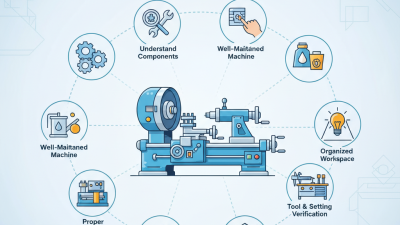
Maintenance Tips for Metal CNC Machines to Ensure Longevity
Regular maintenance of metal CNC machines is vital for their longevity and performance. Research suggests that proper upkeep can extend the lifespan of equipment by as much as 30%. Simple steps like daily inspections and cleaning can prevent major breakdowns. Lubrication of moving parts reduces wear, while ensuring accurate operations. This is crucial for a Metal Carving Machine, which requires precision for optimal outcomes.
Moreover, implementing a structured maintenance schedule helps identify issues early. Many industry experts recommend weekly checks for wear on key components. Key areas to monitor include belts, gears, and coolant levels. Neglecting these aspects can lead to cascading failures, resulting in costly repairs. Data indicates that proactive maintenance can cut downtime by 25%, greatly enhancing productivity.
Operators often overlook the importance of software updates. Outdated software can hinder performance and lead to errors. Keeping control systems updated ensures that the machine operates smoothly. Similarly, regular training for operators can improve handling and troubleshooting skills. Investing in both machine care and crew knowledge pays dividends in efficiency and machine life.
Maintenance Tips for Metal CNC Machines
Maximizing Precision and Efficiency with the VMC Machine: A Comprehensive Guide to 3, 4, and 5 Axis CNC Capabilities
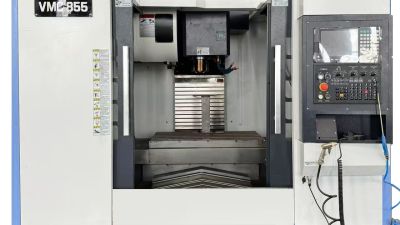
In today's manufacturing landscape, precision and efficiency are paramount, and the VMC machine exemplifies these qualities through its advanced 3, 4, and 5-axis capabilities. The VMC1160 vertical machining center is designed with a robust vertical frame structure that supports an intricate system where the spindle head, saddle, and worktable can move along their respective axes—Z, Y, and X. This design allows for intricate machining processes to be executed with high precision, making it ideal for complex component fabrication.
The construction of the VMC1160 employs high-strength cast iron for its key components, such as the bed, worktable, saddle, column, and spindle head. Utilizing advanced resin sand molding technology, these components not only ensure enhanced durability but also undergo rigorous double stress-relief aging treatment. The design process incorporates sophisticated simulations via Pro/E and Ansys to optimize the structure's rigidity and stability. This meticulous attention to detail significantly reduces deformation and vibration during machining operations, allowing for cleaner cuts and superior surface finishes.
Integrating the versatility of 3, 4, and 5-axis capabilities into the VMC1160, manufacturers can achieve a higher level of operational efficiency. This machine provides the flexibility needed for various manufacturing applications, making it an essential tool for those looking to elevate their precision machining processes. By maximizing the capabilities of CNC technology, businesses can enhance productivity while maintaining the highest standards of quality.
FAQS
: The main components include the spindle, motors, and control systems. Each plays a crucial role in functionality.
Spindle speed affects cut quality and operational efficiency. It's vital to evaluate it before making a choice.
A larger bed accommodates bigger workpieces. However, ensure it fits your available workspace.
Maintenance requirements can lead to downtime. Assess the manufacturer’s support and maintenance resources available.
Some machines excel with specific metals. It's essential to choose a versatile machine for diverse materials.
Inconsistencies in customer service and adaptability issues are frequently reported by users of leading brands.
Proper maintenance can extend lifespan by 30%. Daily inspections and lubrication reduce wear and improve accuracy.
Outdated software can hinder performance and cause errors. Regular updates ensure smooth operation.
A structured schedule helps identify issues early. Proactive maintenance can reduce downtime by 25%.
Regular training enhances operator skills. Investing in crew knowledge boosts efficiency and troubleshooting ability.
Conclusion
A Metal CNC Machine is a sophisticated tool used for precision machining of metal components through computer numerical control technology. This article explores the evolution of CNC machining, highlighting its historical advancements and the key components that contribute to the functionality of metal CNC machines, such as motors, drives, and cutting tools. Various types of metal CNC machines are discussed, each designed for specific applications ranging from prototyping to large-scale production.
When choosing a Metal CNC Machine, several critical factors should be considered, including machine size, capabilities, and the specific requirements of the intended applications. The article further provides insights into the maintenance of these machines to ensure their longevity and optimal performance. Ultimately, understanding these facets will aid users in making informed decisions when selecting a metal CNC machine for their manufacturing needs.