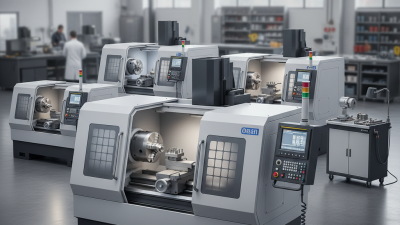
When it comes to manufacturing, you really can't overlook the importance of the Lathe Machine. According to the **National Tooling and Machining Association**, these machines handle nearly a quarter of all machining work in today's factories. They’re the backbone, turning raw materials into really precise parts—helping to boost both efficiency and accuracy. I remember talking to industry pro **James Thompson**, a senior engineer over at **Precision Machining Corp**, who once told me, "Without the Lathe Machine, a lot of industries would really struggle to get the kind of precision they need."
That said, relying on lathe machines isn’t all smooth sailing. They need regular maintenance to keep them from breaking down. Plus, if operators aren’t properly trained, mistakes can happen—and those can mess up the whole production process. Still, despite these hiccups, companies continue to depend heavily on lathe technology because of its versatility and wide range of uses. At the same time, it’s crucial for manufacturers to stay flexible and keep up with technological advancements.
In the end, the Lathe Machine really highlights both the power and the challenges of manufacturing. Finding that right balance between using this tech effectively and managing its limitations is key. As industries evolve, the lathe remains a pretty solid benchmark for success—something companies keep coming back to.
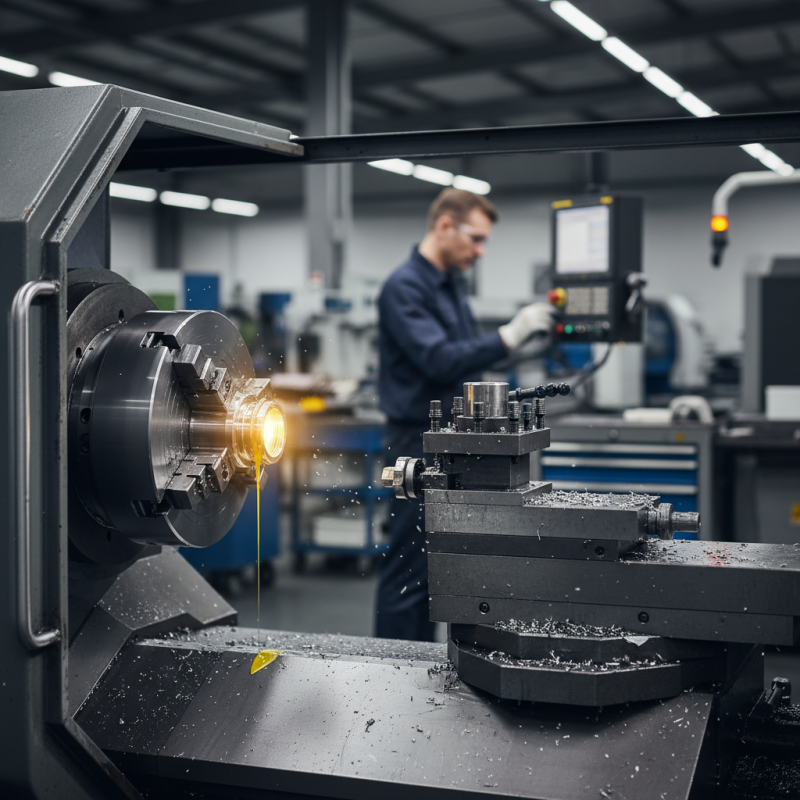
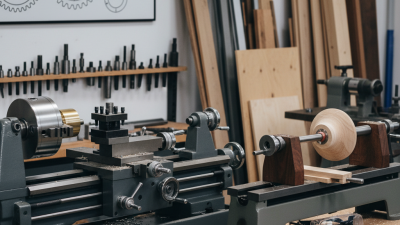
Lathe machines play a critical role in modern manufacturing processes. They allow for precise shaping of materials, enabling the creation of complex parts. From metal to wood, lathe machines can handle various materials with ease. Their versatility makes them invaluable in industries such as aerospace, automotive, and furniture making.
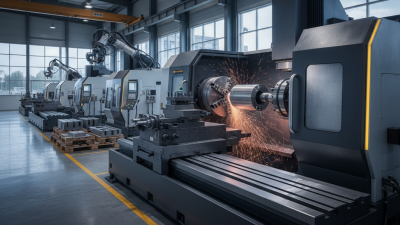
Cnc Lathe Machines have revolutionized how we approach production. They provide accurate measurements and repeatability, minimizing human error. This automation reduces waste and increases efficiency. However, operators must remain vigilant. Over-reliance on technology can lead to oversight. Regular calibration of the machines is essential to maintain precision.
Tips:
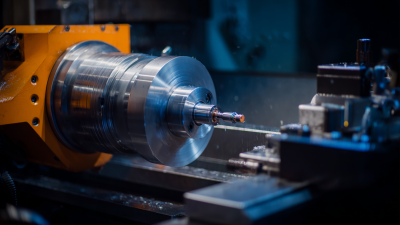
A lathe machine plays a vital role in the manufacturing industry. Its versatility allows it to shape materials like metal and wood into precise forms. The key components of a lathe include the bed, headstock, tailstock, and tool post. Each component has a specific function that contributes to the overall operation. The bed provides stability, while the headstock houses the motor and spindle. The tailstock supports the workpiece, ensuring accurate cuts.
Research indicates that nearly 70% of precision engineering relies on lathe machines. Their ability to perform operations such as turning, drilling, and threading makes them invaluable. A specific type, the Turret Lathe Machine, enhances productivity. It enables multiple tools to be used without manual changes, speeding up the process.
Tips: Always maintain your lathe to ensure its longevity. Regular inspections can prevent unexpected breakdowns. Also, consider the materials you're working with. Some materials can wear out your lathe quicker than others. Remember, the right speed settings are crucial for optimal results. Adjust according to the material type, weight, and thickness to avoid damaging your setup.
| Component | Function | Importance in Manufacturing |
|---|---|---|
| Lathe Bed | Supports other components and maintains alignment | Provides stability for precision machining |
| Headstock | Contains the main drive mechanism | Drives the workpiece for cutting operations |
| Tailstock | Supports the opposite end of the workpiece | Enhances stability for longer workpieces |
| Carriage | Houses the cutting tool and moves it across the workpiece | Enables precise control of the cutting process |
| Tool Post | Holds the cutting tool in place | Ensures accurate cutting angles and depths |
| Chuck | Holds the workpiece securely | Prevents vibration and enhances safety |
Lathe machines play a crucial role in the manufacturing sector. Their precision in shaping materials impacts overall efficiency significantly. Statistical studies reveal that using lathe machines can reduce production time by up to 30%. This means faster turnarounds and increased output for businesses.
One tip for manufacturers is to regularly maintain lathe machines. Proper care can extend the lifespan of these machines and improve their accuracy. Regular checks help prevent unexpected breakdowns, ensuring a smoother workflow. It’s important to keep tools sharp and equipment clean to achieve the best results.
However, relying solely on lathe machines can be limiting. Scripted processes sometimes stifle creativity and innovation among operators. Balancing automation with skilled craftsmanship can create a more dynamic manufacturing environment. Encourage your team to think critically about their processes. Embrace both technology and human insight for optimal efficiency.
Lathe machines are versatile tools in manufacturing. They play a key role in shaping materials like metal and wood. Industries such as automotive and aerospace rely heavily on lathe machines. According to the Machinery Acquisition Report, about 45% of manufacturers use Cnc And Lathe Machines for precision parts.
In the automotive sector, lathe machines are critical for producing engine components. They help in creating precise dimensions that ensure engine performance. A study by Industry Week revealed that 40% of automotive parts are machined using lathes. These machines allow for mass production while maintaining tight tolerances.
However, the adoption of lathe machines comes with challenges. While automation boosts efficiency, many operators lack training. A recent survey indicated that 30%of workers feel unprepared to operate Cnc And Lathe Machines confidently. It’s crucial to invest intraining programs that enhance productivity and worker safety. Advanced features in modern lathes can be underutilized if operators aren't skilled enough. Thus, the industry must bridge this gap to realize full benefits.
Lathe technology has made significant strides in recent years. The global lathe machine market is expected to reach $3.4 billion by 2025, growing at a CAGR of 3.4%. This growth reflects the increasing demand for precision engineering. Manufacturers are now able to create complex components with incredible accuracy. Modern Cnc Lathes offer enhanced programmability. They allow for quicker setup times and reduced wastage.
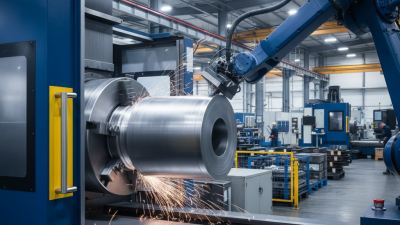
Automation has transformed lathe machines and increased productivity. Reports show that automated lathes can improve efficiency by up to 30%. However, this creates a challenge for skilled labor. The need for highly trained operators is higher than ever. Many firms struggle to find workers with the necessary expertise. The reliance on automation may also lead to skill gaps in the workforce. This could become a significant concern for future manufacturing.
Furthermore, advancements in lathe technology have raised questions about sustainability. Many older machines are less energy-efficient. Newer models are designed to be more environmentally friendly. Yet, the transition can be costly for many manufacturers. The balance between innovation and financial viability must be carefully managed. It's crucial to weigh the benefits of high-tech lathes against their impact on both the workforce and the environment.
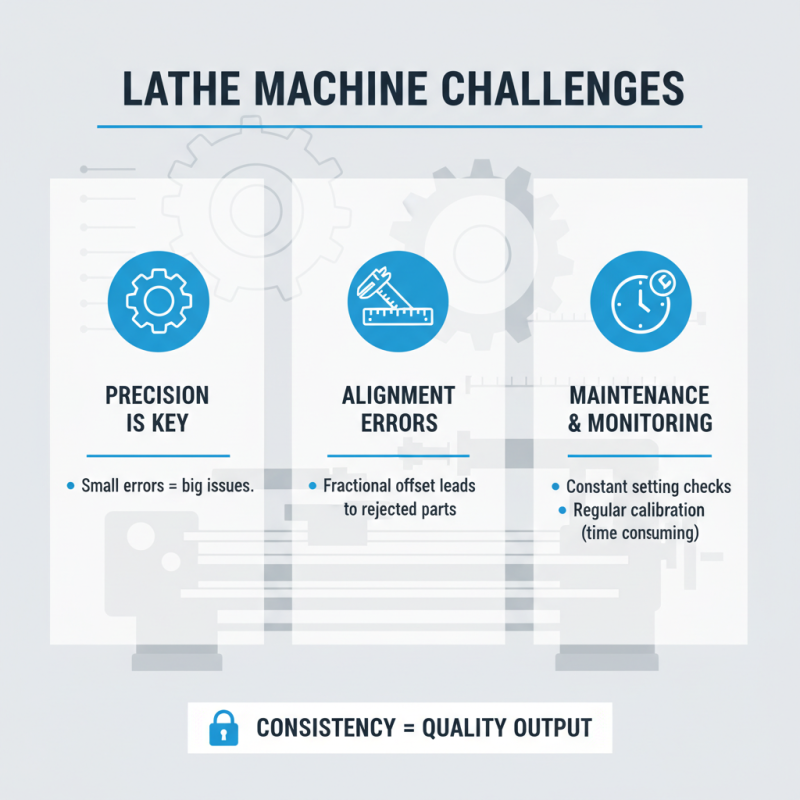
Operating a lathe machine presents unique challenges. Precision is key, and even small errors can lead to significant issues. For example, if the alignment is off by a fraction, the workpiece may not meet specifications. Operators must monitor their settings closely. Regular calibration helps, but it takes time. Consistency in measurements is crucial for quality output.
Another common issue is tool wear. Cutting tools can degrade quickly, especially in high-volume production. This impacts the final product's finish and accuracy. It’s essential to have a maintenance schedule. Operators should inspect tools routinely, replacing them promptly. This minimizes downtime and improves overall efficiency in using the Cnc Auto Lathe Machine.
Training is vital in overcoming these challenges. Skilled operators make better decisions on the shop floor. They recognize signs of wear and can adjust parameters as needed. However, not all operators are equally experienced. Continuous learning and adaptation are necessary. Mistakes will happen, but they offer valuable lessons. Emphasizing skill development can help drive success in lathe machine operations.
The landscape of lathe machine design is evolving rapidly. Automation is at the forefront, driving efficiency. According to a recent market report, the global lathe machine market is expected to reach $8 billion by 2026. This growth highlights the importance of integrating advanced technology into traditional methods.
Automation enhances precision and reduces human error. Advanced CNC (Computer Numerical Control) lathes can perform intricate tasks without constant supervision. A study showed that automation can increase production rates by up to 30%. However, reliance on technology raises concerns. There is a risk of skill gaps in the workforce. As machines become more automated, fewer operators may be needed.
Future lathe designs will likely incorporate AI and machine learning. This integration can adapt to changes in production needs. Real-time data analytics could optimize processes further. Still, the cost of implementing these technologies can be prohibitive. Smaller manufacturers might struggle to keep up. Balancing innovation and affordability will be crucial for the success of future lathe machines.
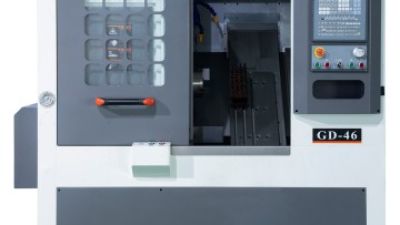
The integration of CNC lathe technology in metal machining has significantly enhanced manufacturing efficiency. One of the key advancements in this field is the slant bed design, which maximizes chip flow and minimizes the risk of tool interference during machining processes. The modern CNC lathe, such as those featuring a high-low rail system, provides a stable platform that ensures precise cutting, resulting in improved dimensional accuracy for a wide range of parts. This innovative design optimally supports varied machining tasks, making these lathes versatile for processing components of differing shapes and sizes.
Furthermore, the implementation of linear guide rail technology in CNC lathes contributes to smoother motion, facilitating higher precision and faster operational speeds. The linear guide rails reduce friction and wear, leading to prolonged machine lifecycle and consistent performance even under heavy workloads. This technology enables manufacturers to achieve tighter tolerances and superior surface finishes, ultimately driving productivity. Additionally, pairing CNC lathes with automated chip conveyors supports efficient chip management, ensuring seamless operations and reducing downtime. As these advancements continue to shape the industry, the impact on manufacturing efficiency becomes increasingly evident, redefining standards in metal machining.
: The service offers convenience, accessibility, and a user-friendly interface. It allows easy navigation and quick access.
User data is encrypted. There are strict protocols in place. Still, users need to stay cautious about sharing personal information.
Yes, the service is optimized for mobile usage. It works well on most smartphones and tablets.
Try restarting the app or device. If problems persist, reach out to customer support for assistance.
Yes, there is a user guide available online. However, it may not cover all scenarios completely.
Users can submit feedback through the app. All suggestions are welcome but may not be acted upon promptly.
The lathe machine is a crucial tool in modern manufacturing processes, playing a significant role in enhancing efficiency and precision across various industries. Its key components and functions make it integral in producing intricate parts and components, while statistical analysis highlights its positive impact on manufacturing productivity. Furthermore, lathe machines are utilized in diverse applications, from automotive to aerospace sectors, showcasing their versatility and importance.
Recent advancements in lathe technology have led to improved automation and design, allowing for faster and more accurate operations. However, challenges in their operation still exist, necessitating adherence to best practices for optimal performance. Looking ahead, future trends indicate a shift towards smarter, more automated lathe machines, which will further revolutionize manufacturing by increasing efficiency and lowering production costs.