In today’s fast-changing world of precision metalworking, you can't really overlook how important advanced machinery has become. Just recently, the International Federation of Robotics (IFR) reported that the global market for industrial robots is expected to hit around $75 billion by 2025. This really shows how much companies are counting on automation to keep their manufacturing game strong. One of the key players in this shift are CNC heavy-duty lathes—they’re essential for getting those high-precision, efficient metal fabrication jobs done right.
These heavy-duty CNC lathes are pretty much the go-to for machining big, complex parts—making them a must-have in industries like aerospace, auto manufacturing, and energy. According to fresh data from MarketsandMarkets, the market for these heavy-duty CNC lathes is projected to grow at a steady rate of over 5% annually through 2025. That’s mainly driven by the push for higher productivity and cutting down operational costs, so manufacturers are really investing in heavy, reliable Cnc Machines that deliver both accuracy and dependability.
As we look at the top CNC heavy-duty lathes for precision metalworking in 2023, it’s important to get a grip on what specifications and features make a machine stand out. This guide is here to help you navigate the latest trends and tech, so you can choose the right equipment to boost your production and stay ahead of the curve in a pretty competitive market.
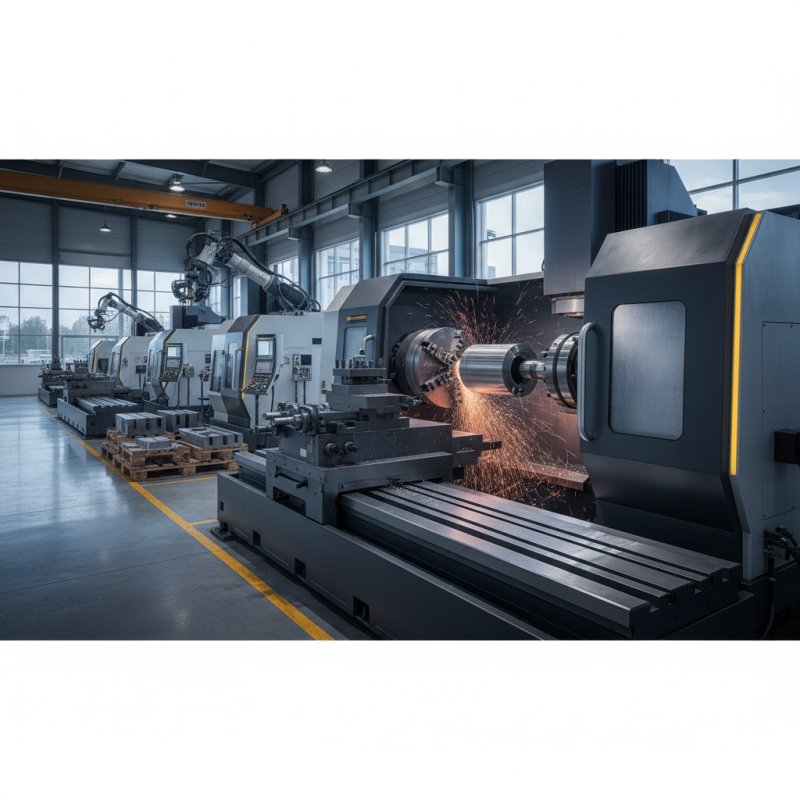
Overview of CNC Heavy Duty Lathe Machines
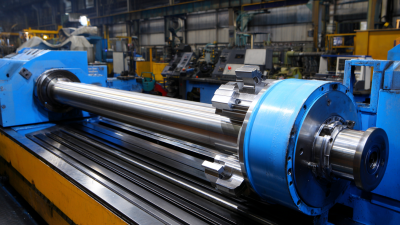
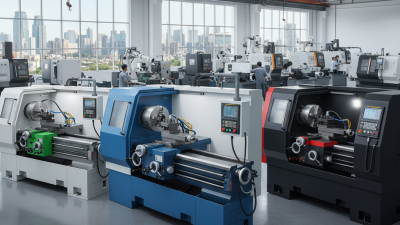
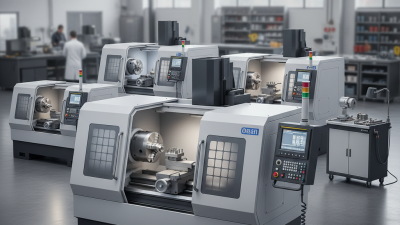
Cnc Heavy Duty Lathe machines play a pivotal role in precision metalworking, particularly in industries that demand high accuracy and efficiency. These machines are designed to handle larger and heavier workpieces, making them ideal for complex manufacturing tasks. With advanced computer numerical control (CNC) technology, these lathes allow for intricate machining processes, ensuring consistent results that meet stringent specifications.
One of the significant advantages of CNC heavy duty lathes is their ability to automate repetitive tasks, significantly reducing the time and labor required for production. This automation also enhances precision, minimizing human error and ensuring that each finished product adheres to the desired dimensions.
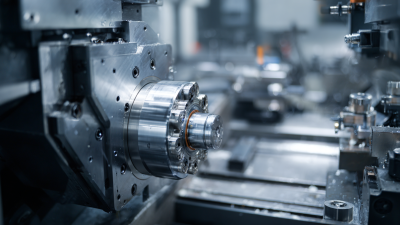
The integration of powerful spindle motors and robust construction materials in these machines contributes to their ability to manage high cutting forces, making them suitable for tough materials often used in aerospace, automotive, and heavy machinery manufacturing. As technology continues to evolve, the capabilities of CNC heavy duty lathe machines will only expand, driving further advancements in metalworking precision.
Key Features to Consider in CNC Lathes
When selecting a CNC heavy-duty lathe machine for precision metalworking, several key features are critical to consider to ensure optimal performance and efficiency. The rigidity of the machine is paramount; a rigid construction significantly reduces vibration, which can improve surface finish and increase tool life. According to a report by the International Journal of Advanced Manufacturing Technology, a stiffness increase of 10% can lead to a 20% improvement in machining accuracy. This is particularly important in heavy-duty applications where material removal rates are high, and precision is crucial.
Another essential feature is the spindle speed and torque. Machines designed for heavy-duty operations typically offer a broad range of spindle speeds, allowing the user to adjust for different materials and cutting conditions. Efficient torque at low speeds enhances productivity, especially in roughing operations. The ability to control these variables precisely can lead to better finishes and reduced cycle times. Data from the Machinery Research Group indicates that machines with variable torque capabilities can decrease cycle time by up to 30% in specific applications.
Tips: Always check for the machine's maximum load capacity, as overloading can lead to premature wear or failure. Additionally, consider lathes with advanced control systems that allow for easy programming and monitoring of operations, as this can significantly enhance workflow efficiency. Lastly, don’t overlook the importance of support and maintenance options; robust after-sales service can be invaluable for long-term operation.
Top Brands for CNC Heavy Duty Lathes in 2023
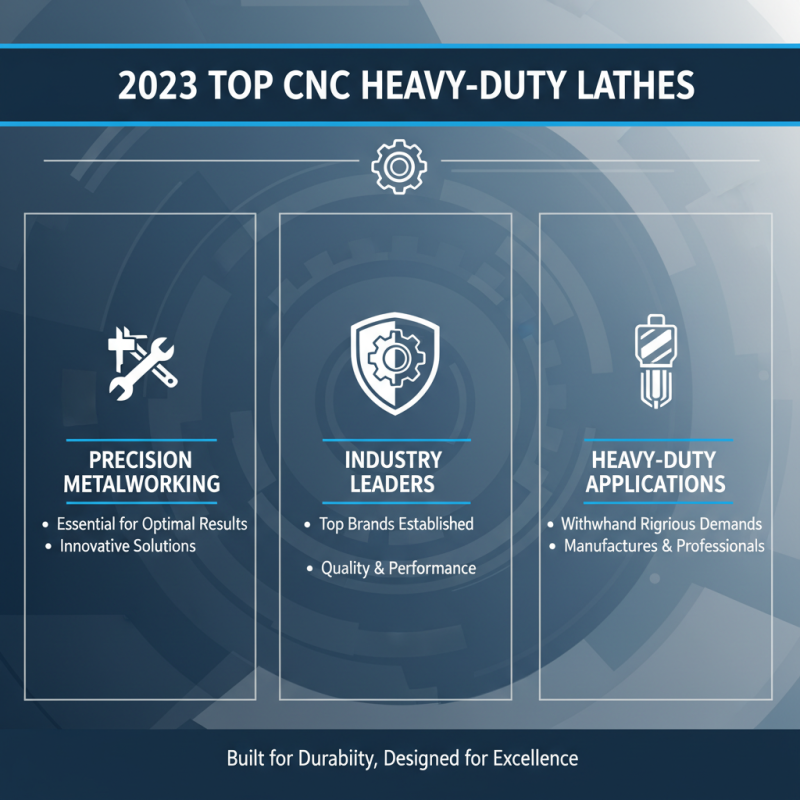
When it comes to precision metalworking, selecting the right CNC heavy-duty lathe is essential for achieving optimal results. In 2023, various top brands have established themselves in the market, providing innovative solutions for manufacturers and metalworking professionals. These brands are recognized for their commitment to quality and performance, ensuring that their machines can withstand the rigorous demands of heavy-duty applications.
The leading companies in the CNC heavy-duty lathe segment prioritize cutting-edge technology and user-friendly designs. They offer a range of features that enhance precision and efficiency, such as advanced computer controls, high torque capabilities, and robust construction. Additionally, these brands often provide customization options to cater to specific industry needs, making their lathes versatile tools for a multitude of machining tasks. As metalworking continues to evolve, these brands remain at the forefront by integrating the latest advancements to optimize productivity while maintaining accuracy.
Comparative Analysis of CNC Heavy Duty Lathe Models
When evaluating CNC heavy duty lathe machines for precision metalworking, it is crucial to consider several key factors that differentiate various models in the market. One of the main aspects to analyze is the construction and design of the lathe itself. A robust and vibration-resistant structure is essential for maintaining accuracy during operation, especially with heavier workpieces. Additionally, the materials used in the construction can significantly impact the lathe's longevity and performance under demanding conditions.
Another critical factor is the range of features offered by different models, particularly regarding automation and control systems. Advanced CNC lathes may come equipped with user-friendly interfaces, programmable settings, and adaptive controls that enhance operational efficiency and reduce setup times. Comparatively, some machines might focus on providing superior torque and spindle power, allowing for more aggressive machining of tough materials. Understanding these differences enables metalworkers to select a lathe suited to their specific application needs, whether that involves routine tasks or complex part production.
Applications of CNC Heavy Duty Lathes in Metalworking
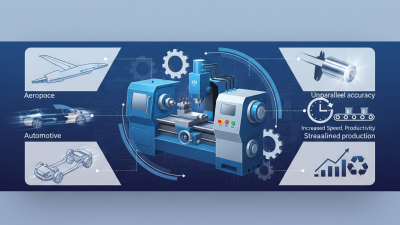
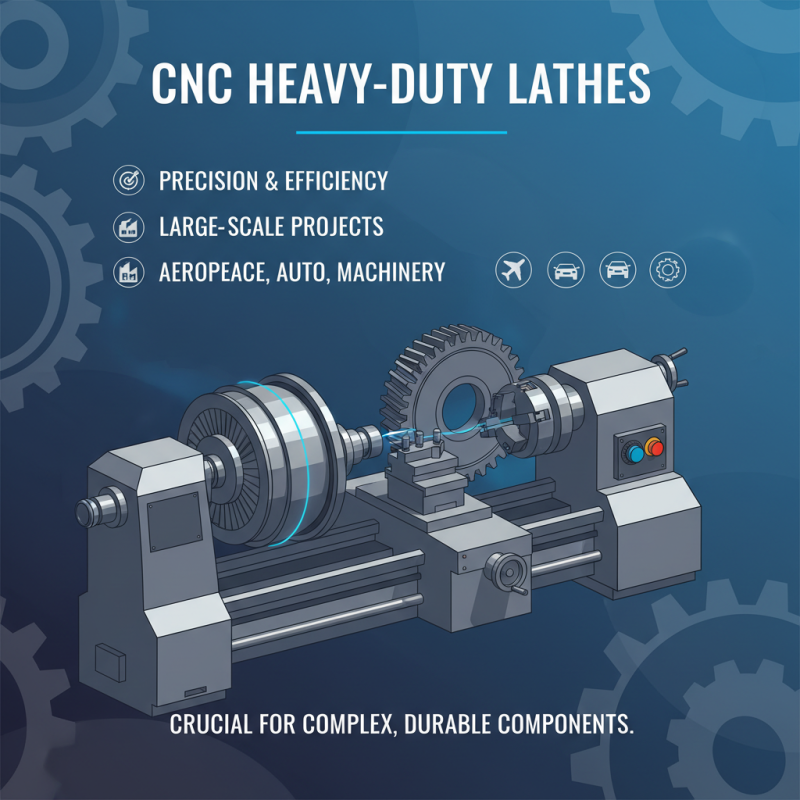
CNC heavy duty lathes play a crucial role in various metalworking applications, providing precision and efficiency for large-scale projects. These machines are particularly effective in industries such as aerospace, automotive, and heavy machinery, where complex components require high levels of accuracy and durability. The ability to handle large, heavy materials makes them indispensable for manufacturers seeking to create intricate parts without compromising on quality.
In addition to their capacity for producing large components, CNC heavy duty lathes offer versatility in machining operations. They can perform multiple functions, including turning, drilling, and milling, all within a single setup. This integration streamlines the production process, reducing setup times and minimizing material waste. Furthermore, the automation capabilities of CNC technology enhance repeatability and consistency, ensuring that each piece meets stringent quality standards. As industries continue to evolve, the importance of CNC heavy duty lathes in meeting precise engineering specifications will only grow, driving advancements in metalworking techniques and production efficiency.
Maintenance Tips for CNC Heavy Duty Lathes
Regular maintenance of CNC heavy duty lathes is crucial for ensuring optimal performance and longevity of the machines. One of the primary maintenance practices involves routine cleaning of the lathe, which helps to prevent the accumulation of metal shavings and dust. Operators should regularly check and clean the bedway, lead screws, and other precision components, as any debris can interfere with the machine’s accuracy and lead to premature wear. Furthermore, ensuring that the coolant system is functioning properly and replenishing fluids as necessary will maintain effective temperature control during operation, thereby enhancing both efficiency and cutting quality.
In addition to cleaning, lubrication is vital in keeping CNC heavy duty lathes in peak condition. Regularly applying the appropriate lubricants to moving parts, such as bearings and gears, reduces friction and minimizes the risk of overheating. It is important to follow the manufacturer's recommendations regarding lubrication intervals and types of grease or oil to use. Finally, operators should consistently monitor the machine’s performance by checking for unusual sounds or vibrations, as these can be indicators of underlying issues that require immediate attention to prevent costly breakdowns or repairs. By adhering to these maintenance tips, operators can significantly extend the lifespan of their CNC lathes and ensure consistent precision in metalworking applications.
Future Trends in CNC Lathe Technology and Design
The future of CNC lathe technology and design is poised to undergo significant transformations driven by advancements in automation, smart manufacturing, and sustainability. As industries increasingly adopt Industry 4.0 principles, the integration of IoT (Internet of Things) in CNC lathes is set to revolutionize the way precision metalworking is conducted. According to a report by MarketsandMarkets, the global Cnc Machining market is projected to reach USD 100 billion by 2026, growing at a CAGR of 6.5%. This growth is primarily fueled by the demand for precision machining in sectors such as aerospace, automotive, and medical devices.
In terms of technological advancements, the implementation of artificial intelligence (AI) in CNC lathes is expected to enhance operational efficiency and reduce downtime through predictive maintenance. Additionally, advancements in materials science will enable the production of lathes that can work with a broader range of materials, including harder metals and composites. A study published by Deloitte highlights that companies that invest in smart manufacturing technologies like AI in CNC machining can improve their productivity by up to 30%. This trend underscores the importance of adopting modern technologies to remain competitive in the evolving landscape of metalworking.
Moreover, sustainability is becoming a crucial aspect of CNC lathe development. Manufacturers are increasingly focused on creating energy-efficient machines that minimize waste and reduce carbon footprints. A report by McKinsey indicates that 70% of manufacturers are investing in sustainable technologies, which includes optimizing CNC machines to reduce energy consumption during operations. As these trends continue to evolve, it is essential for businesses to stay abreast of innovations in CNC lathe technology to enhance their productivity, sustainability, and competitiveness in the market.
Conclusion
CNC heavy duty lathes are essential tools in precision metalworking, offering robustness and accuracy for various machining tasks. When selecting a CNC heavy duty lathe, key features to consider include spindle speed, bed length, and the machine's overall rigidity. The comparative analysis of different models highlights their strengths and weaknesses, helping users make informed decisions based on specific application needs. These machines are widely used across industries for tasks such as large-scale part production and complex component manufacturing.
To ensure optimal performance, regular maintenance of CNC heavy duty lathes is crucial. This includes routine inspections, lubrication, and calibration, which can extend the machine's longevity and maintain precision in operations. As technology evolves, future trends in CNC lathe design focus on enhanced automation and smart features, aiming to improve efficiency and ease of use in metalworking applications. Overall, CNC heavy duty lathes continue to play a vital role in advancing manufacturing capabilities.