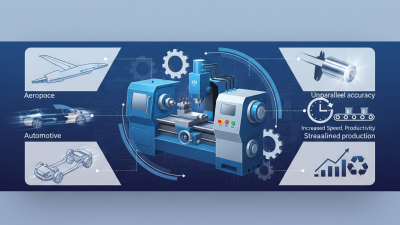
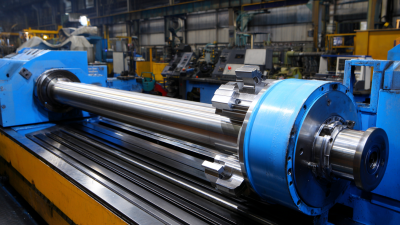
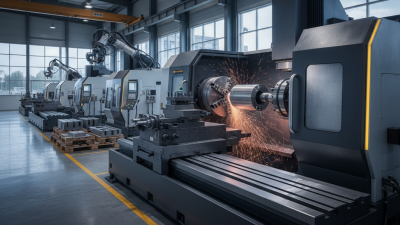
Picking the right equipment for machining can really make a difference in your overall production quality. For example, a Twin Spindle CNC Lathe is pretty impressive when it comes to its capabilities. It allows you to get more done in less time, with higher precision across various operations.
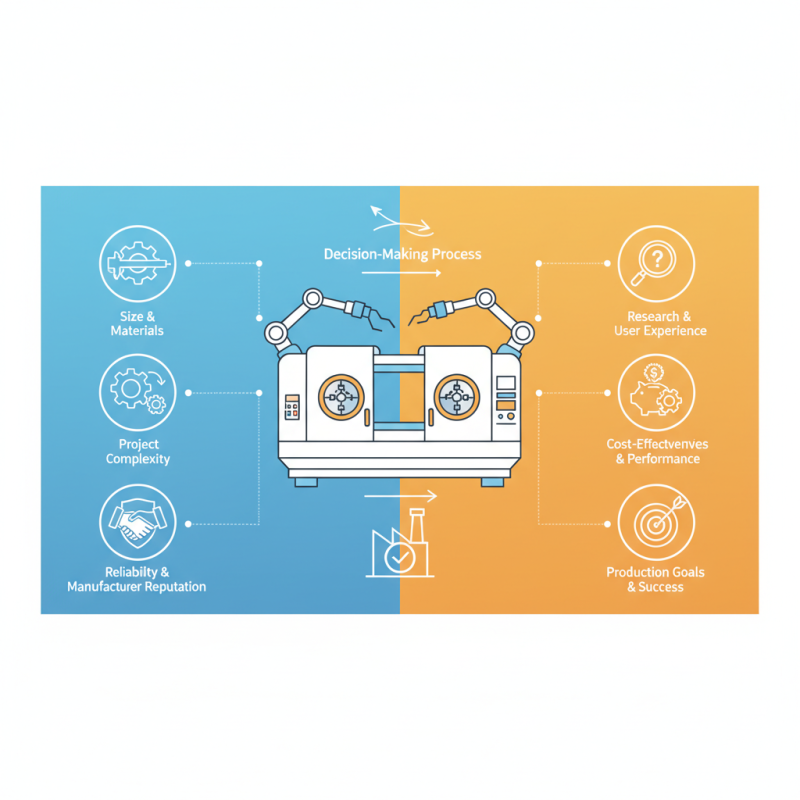
When you're shopping around for a Twin Spindle Cnc Lathe, think about things like the size of your projects and the materials you're working with. Different models are built for different needs, offering unique features that might suit some jobs better than others. Honestly, it can feel a bit overwhelming with all these options out there. Sometimes, looking back at your past experiences helps clarify what you really need. A lot of users have found that the fancy, complex features aren’t always essential for their day-to-day work.
And don’t forget — reliability is super important. Try to go for brands with a good reputation, like Haas Automation or Okuma. It’s also worth digging into their customer support and warranty policies. Chatting with folks who are already using these machines can be a goldmine of info — online reviews only tell part of the story. In the end, your choice should match your production goals. Finding a good balance between top-notch performance and cost is key if you wanna succeed in the long run.
Understanding the Basics of Twin Spindle CNC Lathes
Twin spindle CNC lathes are essential for modern machining. They allow for increased productivity and efficiency in manufacturing. According to the American Society of Mechanical Engineers, these machines can reduce cycle times significantly. Data shows that with two spindles, setups can run concurrently, cutting production time by up to 40%.
Understanding how twin spindle CNC lathes work is crucial. Each spindle can operate independently, reducing downtime. Operators can manage different processes simultaneously. However, this complexity requires a skilled workforce. Mismanagement can lead to errors, diminishing the advantages these machines offer. It's necessary to invest in training operators to maximize these capabilities.
Moreover, selecting the right machine isn't always straightforward. Factors include the materials you'll work with, part complexity, and budget constraints. Reports indicate a growing need for customization in CNC lathes to cater to specific manufacturing demands. Choosing wisely can save costs and improve output but can also lead to regret if the specifications don’t align with production goals. Balancing all these factors is vital to make an informed decision.
How to Choose the Best Twin Spindle CNC Lathe for Your Needs?
| Feature | Description | Importance Level |
| Spindle Speed | Measurement of how fast the spindle can rotate, important for determining productivity. | High |
| Tool Capacity | The number of tools that can be stored and used, critical for complex jobs. | Medium |
| Max Turning Diameter | The maximum diameter of the workpiece that can be processed. | High |
| Control System | The type of control system used (e.g., FANUC, SINUMERIK), affects usability and programming. | High |
| Workpiece Material Compatibility | Compatibility of the machine with different types of materials, important for versatility. | Medium |
| Footprint | The space required for the machine, crucial for workshop planning. | Medium |
| Maintenance Requirements | How often the machine requires maintenance and the ease of performing maintenance tasks. | High |
| Price | The cost of the machine, which should align with budget constraints. | High |
Key Features to Consider in Twin Spindle CNC Lathes
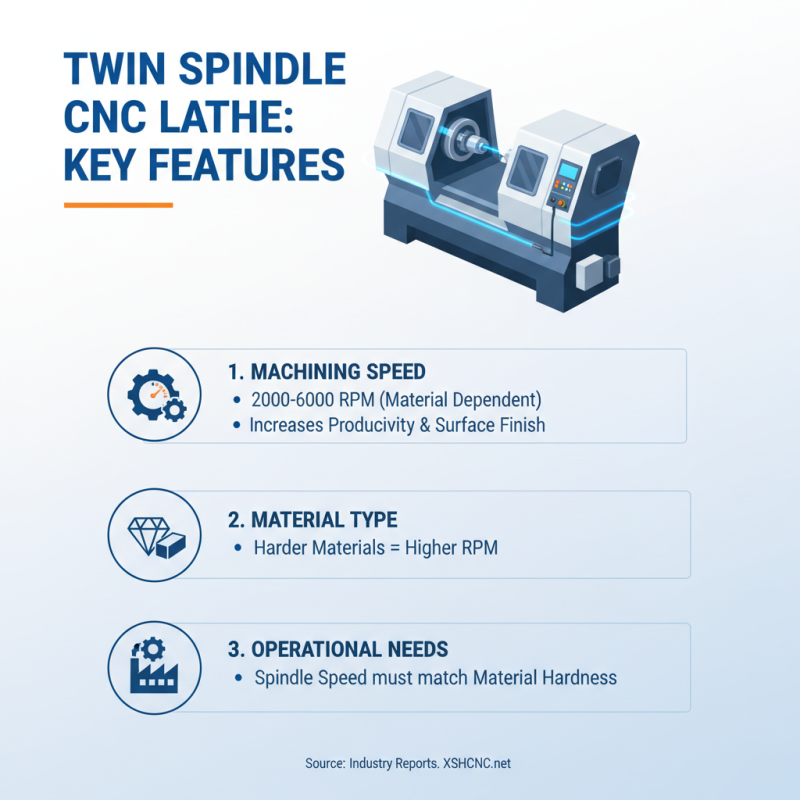
When selecting a twin spindle CNC lathe, consider key features critical to your operations. Machining speed is paramount. According to industry reports, the optimal speed range for Twin Spindle Lathes can vary between 2000 to 6000 RPM, depending on the material. This speed impacts productivity, allowing for effective chip removal and optimal surface finish. If your shop often processes harder materials, ensure the spindle speed aligns with your operational needs.
Another important factor is the tooling versatility. You should check the tool capacity and configuration. A Twin Spindle Lathe typically supports multiple tool stations, enabling efficient tool change during production. Most advanced models allow for auto-tool changers, reducing downtime. However, not all machines provide the same level of adaptability. Reflect on the specific tooling requirements of your operations to avoid limitations.
Finally, accuracy and repeatability cannot be overlooked. Precision plays a vital role in Cnc Machining. Studies indicate that twin spindle lathes may offer repeatability within 0.001 inches, but this can vary. Regular calibration and maintenance plans are crucial for maximizing performance. Failure to monitor wear can lead to production inconsistency. Balancing cost with quality features is essential for achieving reliable results with your twin spindle lathe.
Evaluating Size and Capacity Requirements for Your Projects
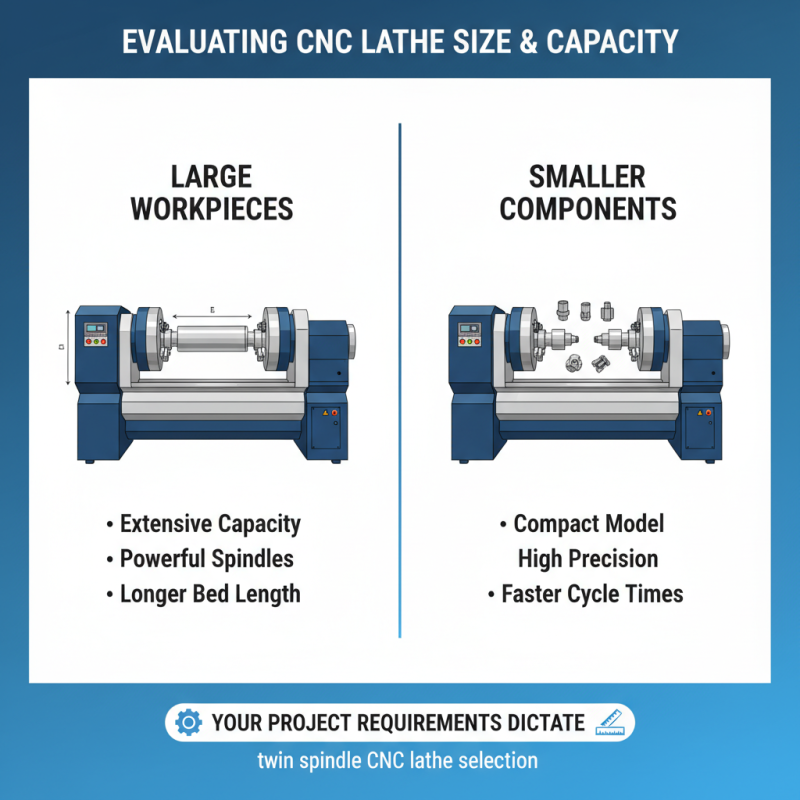
When selecting the right twin spindle CNC lathe, size and capacity play crucial roles. Your project requirements dictate what specifications you need. A larger workpiece may require a machine with extensive capacity. Conversely, smaller parts can be handled efficiently by more compact models. Evaluating the dimensions of your components is essential.
The Dual Spindle Lathe provides unique advantages. It allows simultaneous machining, which can enhance productivity. But be careful; not all models support the same size range. Some machines may handle larger diameters, while others excel with longer pieces. Understanding your typical projects will guide your choice.
In addition to size, consider weight limits. Certain lathes may struggle with heavier workpieces. This may lead to decreased performance. Think about your material too. Are you working with steel or softer metals? Each demands different lathe capabilities. Keep these factors in mind to make an informed choice.
Assessing Precision and Tolerance Levels in CNC Lathes
When selecting a twin spindle CNC lathe, precision and tolerance levels are critical factors. A study published by the International Journal of Advanced Manufacturing Technology highlights that precise tolerances can significantly affect product quality. CNC lathes typically achieve tolerances ranging from ±0.001 inches to ±0.0001 inches, depending on the machine's design and technology. Knowing where your requirements fall within this spectrum is essential for ensuring accuracy in your manufacturing process.
Understanding the specific types of materials you're machining also plays a vital role. Different materials respond uniquely to machining processes, impacting the lathe's performance. For instance, hard metals require machines that can maintain tighter tolerances without compromising speed. Research indicates that about 30% of machining failures are due to incorrect tolerance settings. This statistic serves as a reminder of the need for in-depth knowledge and careful consideration in your equipment selection.
You should also assess the spindle configuration. Twin spindles may improve efficiency, but they demand a keen insight into operation dynamics. Not all setups allow for optimal results under specific machining conditions. Machines capable of simultaneous operation can push productivity but may require adjustments to maintain accuracy. Finding the right balance between speed and precision can often be a challenging endeavor.
Analyzing Cost vs. Performance in Twin Spindle CNC Machines
When evaluating twin Spindle Cnc Machine s, cost and performance are key factors. Many manufacturers claim high precision and efficiency, but costs can vary significantly. Reports from industry leaders indicate that the average price range for a quality twin spindle CNC lathe is between $100,000 and $250,000. Buyers must analyze their production needs carefully, balancing the cost with performance requirements.
The performance of a spindle Cnc Machine is often measured in terms of itsspeed and accuracy. A flexible machine that can handle both high-volume production and intricate parts is essential. Data suggest that machines with higher RPM (revolutions per minute) significantly reduce cycle times. However, maintenance costs for high-performance machines can be substantial. Users should also consider the learning curve required for operators. Investing in training is crucial, as a poorly understood machine can hinder efficiency despite its capabilities.
Some users report dissatisfaction with machines that didn’t live up to performance claims. This gap between expectation and actual results can lead to production delays and increased costs. Therefore, examining customer reviews and industry case studies is vital. Manufacturers sometimes understate the complexities involved in operating their machines. Potential buyers should critically assess whether the claimed capabilities align with their production practices.
Exploring Automation Options for Enhanced Production Efficiency
When selecting a twin spindle CNC lathe, automation options are crucial. Advanced automation can boost production efficiency remarkably. According to a recent industry report, companies using automated CNC machines see a 30% increase in output. These enhancements can lead to significant cost savings and better resource management.
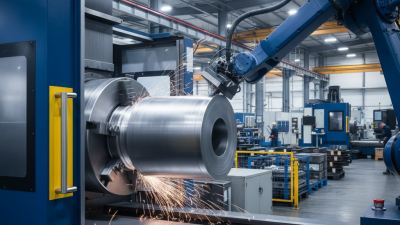
Integration of robotics in CNC operations can also minimize human error. A study showed that automation reduces machine downtime by up to 25%. For manufacturers, employing a Cnc Double Spindle Machine allows for simultaneous operations. This process not only streamlines production but also shortens lead times. However, implementing such technology requires careful planning and potential adjustments to existing workflows.
Automation does come with challenges. Initial investment costs can be high. Additionally, training staff to operate new systems can take time. Companies must weigh these factors against the long-term benefits. Embracing automation is not just about immediate gains, but also about building a more resilient manufacturing process for the future.
Comparing Top Brands and Models in the Twin Spindle CNC Market
When selecting a twin spindle CNC lathe, it's essential to understand the capabilities of each model. Many brands cater to varying production needs. Some prioritize precision, while others focus on speed. Knowing your requirements helps narrow down choices. Look into factors like spindle speed, torque, and automation features.
Consider the level of user support offered by manufacturers. Reliable customer service can significantly enhance your operational efficiency. Additionally, check for training resources that can help your team ascend the learning curve quickly. A well-supported machine can boost productivity considerably.
Tips: Research user reviews online. They often provide real-world insights into performance and reliability. Attend trade shows or workshops to see machines in action. Engaging with other professionals can highlight features that are beneficial or problematic. This firsthand information can shape your decision effectively.
Innovative CNC Solutions: Exploring the Versatility of VMC Machine with 3, 4, and 5 Axis Options for Enhanced Drilling and Milling
The versatility of vertical machining centers (VMC) in today’s manufacturing industry has revolutionized the way companies approach drilling and milling tasks. With the evolution of technology, VMC machines are now available in 3-axis, 4-axis, and 5-axis configurations, allowing for a more comprehensive range of machining operations. According to a report by MarketsandMarkets, the global CNC machine market is projected to reach USD 100 billion by 2025, driven by advancements in automation and increasing demand for precision manufacturing.
The VMC1160 vertical machining center exemplifies these advancements with its robust vertical frame structure, where a fixed column supports the efficient movement of the spindle head along the Z-axis, saddle along the Y-axis, and worktable along the X-axis. Constructed from high-strength cast iron, these components are designed using state-of-the-art resin sand molding technology, ensuring exceptional durability and performance. Industry studies indicate that the use of optimized design simulations, such as Pro/E and Ansys, significantly enhances the structural integrity of machining equipment, resulting in minimized deformation under cutting forces—a crucial factor in maintaining precision during complex drilling and milling operations.
Furthermore, manufacturers are increasingly recognizing the importance of stability and rigidity in machine design. Research shows that machines with enhanced structural rigidity can reduce vibration levels by up to 30%, which directly correlates to improved machining accuracy, extended tool life, and reduced maintenance costs. As companies continue to invest in innovative CNC solutions like the VMC1160, the opportunities for achieving higher productivity and superior machining quality are profound, allowing for greater flexibility in production capabilities across various industries.
FAQS
: The optimal speed can vary between 2000 to 6000 RPM. This depends on the material being processed.
Tooling versatility allows efficient tool changes. Multiple tool stations can enhance productivity during production.
They may offer repeatability within 0.001 inches. Regular calibration is needed to maintain this precision.
Automation can increase output by 30%. It also minimizes human error and reduces machine downtime.
Initial costs can be high. Additionally, training staff to use new systems can take a significant amount of time.
Good user support enhances operational efficiency. It can help teams learn quickly and boost overall productivity.
Look into spindle speed, torque, and automation features. Understanding your specific requirements is essential.
Failure to monitor wear can lead to production inconsistency. Regular checks help maintain quality and reliability.
They provide real-world insights into machine performance. Engaging with professionals can reveal beneficial or problematic features.
Automation builds a more resilient manufacturing process. It enables better resource management and significant cost savings over time.
Conclusion
Choosing the best Twin Spindle CNC Lathe for your needs involves understanding the basic functionalities and advantages these machines offer. Key features to consider include the level of automation, precision, and speed necessary for your projects. It's crucial to evaluate the size and capacity requirements, as these factors directly impact efficiency and production output. Precision and tolerance levels must also be assessed, as they determine the quality of the final product.
Furthermore, a thorough analysis of cost versus performance will guide you in making a financially sound investment in a Twin Spindle CNC Lathe. Exploring automation options can significantly enhance production efficiency, making the machinery more adaptable to varying project demands. By comparing various models and their configurations in the market, you can ensure the selection of a lathe that perfectly fits your specific operational requirements.