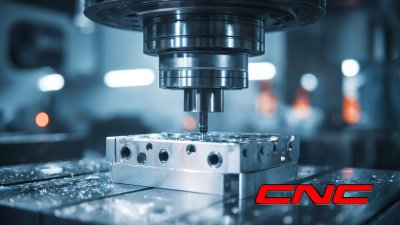
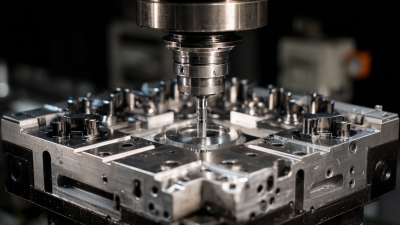
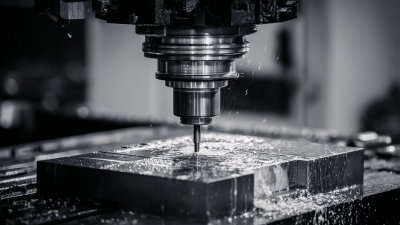
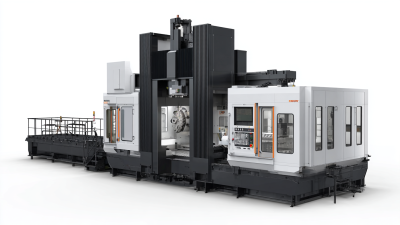
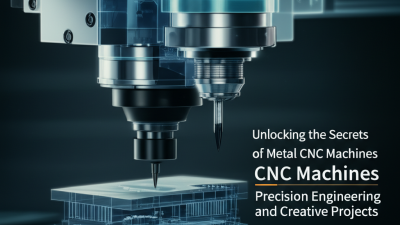
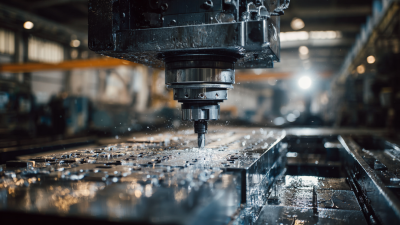
The automotive industry is really on the verge of some serious changes, all thanks to new tech innovations. One big player in this shift is the Automotive CNC machine. If you ask me, it’s a game-changer. According to a recent report from Market Research Future, the Global Cnc Machine market might hit around $100 billion by 2026—that's a huge jump! It clearly shows there's a rising buzz for precision and automation when it comes to building cars.
Big names like Haas Automation and DMG Mori are really leading the charge here. They're coming out with machines that not only boost efficiency but also cut down on waste—pretty impressive, huh? But, let’s be real—making the switch to these advanced Automotive Cnc Machines isn’t all smooth sailing. Manufacturers often face hurdles when it comes to integrating new tech into their existing setups, and a lot of folks need to undergo some serious training.
And then there’s the whole sustainability thing. The auto industry is under pressure to lower its carbon footprint, which is a good thing. These New Cnc Machines can help, no doubt, but they also make us think about energy use and resource consumption. Every time we get a new innovation, it’s like a double-edged sword—full of opportunities, but also some questions and concerns that need to be thought through. Moving forward, the real challenge is finding that sweet spot where tech progress and responsible practices go hand in hand, ensuring a brighter and cleaner future for auto manufacturing.
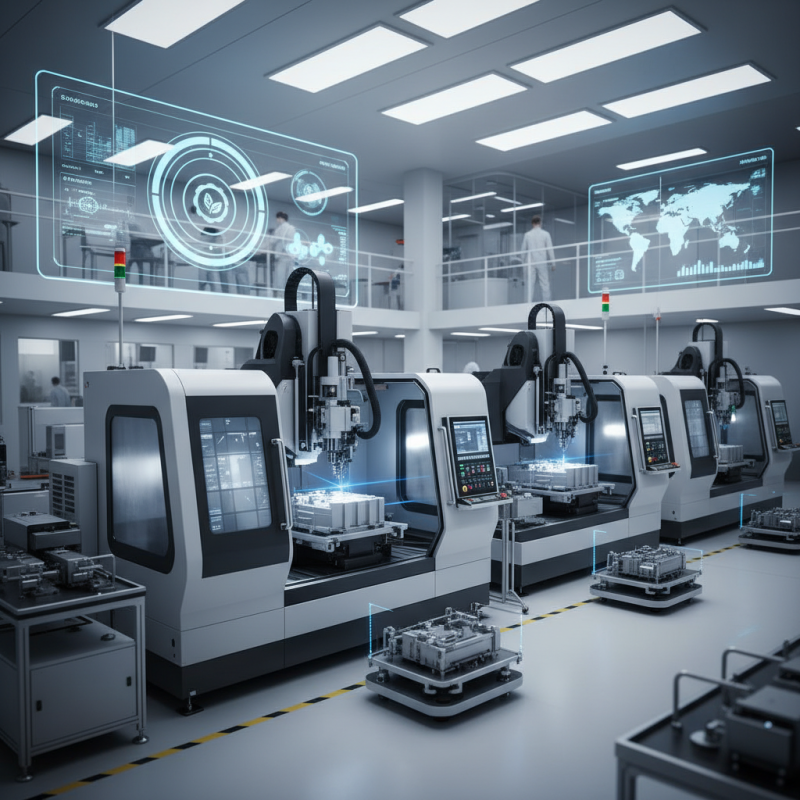
2026 CNC Machine Innovations in Automotive Manufacturing: An Overview
In 2026, the automotive industry will witness groundbreaking innovations in CNC machine technology. These advancements aim to enhance precision and efficiency in manufacturing processes. Revolutionary tools are emerging, allowing for intricate designs and complex shapes. This transformation is pivotal for meeting the growing demands of automotive production.
Numerous manufacturers are exploring new materials tailored for CNC machines. These materials promise durability and lightweight designs, critical for modern vehicles. Additionally, automated systems are becoming more prevalent. They improve production speed and reduce human error, but this trend raises concerns about workforce implications.
Integrating AI into CNC machines brings another layer of innovation. Such machines can adapt to various production requirements. This adaptability can streamline operations, yet it also prompts questions about reliability and maintenance. As industry leaders adopt these technologies, they will need to address these challenges rigorously. The future of automotive manufacturing lies in the ability to embrace change while considering the broader implications of CNC advancements.
Key Trends in Automotive CNC Technology Advancements for 2026
The automotive industry is rapidly evolving, and CNC technology plays a crucial role. As we look ahead to 2026, several key trends are shaping this field. One major focus is on automation. Advanced CNC machines are incorporating AI to enhance efficiency. This allows for real-time monitoring and adjustments during the manufacturing process.
Another significant trend is the integration of sustainability measures. Manufacturers are exploring eco-friendly materials and processes. This shift may lead to reduced waste and a lower carbon footprint. However, the challenge is ensuring these technologies remain cost-effective.
Finally, the move towards customization continues to grow. CNC machines now offer more flexibility in design. This allows manufacturers to quickly adapt to changing consumer demands. While the innovations are promising, the industry must reflect on how to balance speed with quality. There’s a risk of compromising craftsmanship in the rush for efficiency.
2026 Top Automotive CNC Machine Innovations and Trends
| Trend | Description | Impact on Industry | Expected Adoption Rate |
| Intelligent Automation | Integration of AI and machine learning to optimize CNC operations. | Increased efficiency and reduction of machine errors. | 70% |
| Additive Manufacturing | Use of CNC machines to integrate 3D printing capabilities. | Facilitates rapid prototyping and custom part production. | 60% |
| Multi-axis Machining | Expanded capabilities for complex geometries in one setup. | Higher precision and efficiency in part manufacturing. | 65% |
| Sustainability Innovations | Development of eco-friendly machining processes and materials. | Reduction of environmental impact and resource consumption. | 50% |
| Remote Monitoring | Real-time tracking of CNC machine performance and diagnostics. | Enhances maintenance schedules and reduces downtime. | 75% |
Impact of AI and Machine Learning on CNC Operations in the Automotive Industry
The automotive industry is witnessing a transformative wave, driven by advancements in artificial intelligence and machine learning. CNC operations are becoming smarter and more efficient. AI algorithms analyze vast data, optimizing machining processes. Predictive maintenance is now possible, reducing downtime significantly.
However, this innovation comes with its own set of challenges. There is a learning curve involved for operators. They must adapt to new technologies and processes. Not all facilities have the resources to implement these advanced systems. This disparity could widen the gap between large manufacturers and smaller ones.
Moreover, while AI enhances efficiency, it raises concerns about job displacement. Workers fear that automation will replace their roles. Balancing technology and human skills is crucial. The industry must find a way to integrate AI without sidelining the workforce. Addressing these issues will shape the future of CNC in automotive manufacturing.
Sustainable Practices: Eco-Friendly CNC Machines Transforming Automotive Production
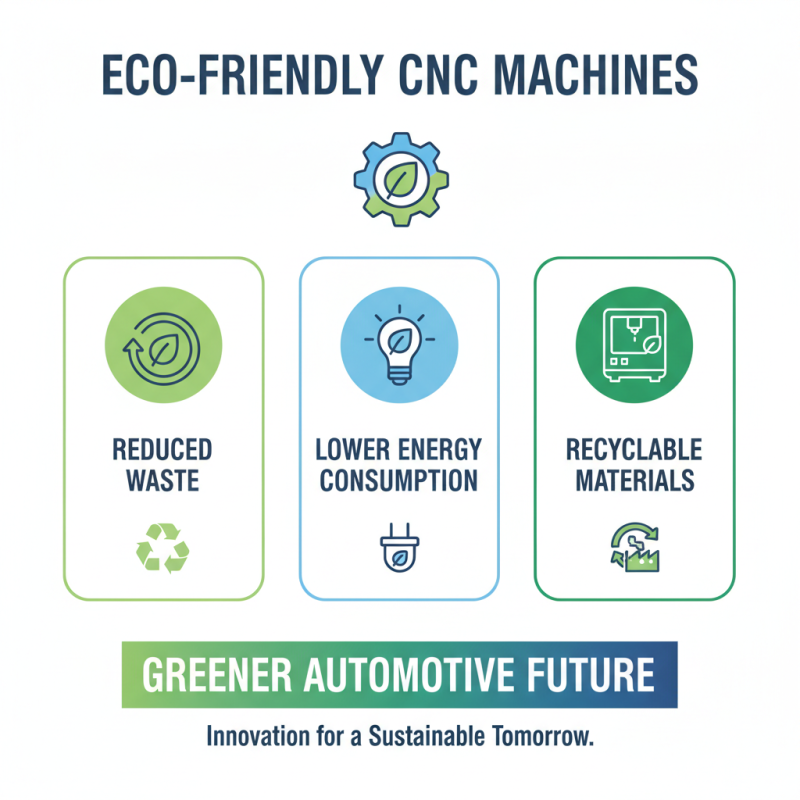
As the automotive industry evolves, sustainable practices are at the forefront. Eco-friendly Cnc Machines are emerging as a powerful solution. These machines reduce waste and energy consumption during production. Their design prioritizes the use of recyclable materials. This shift is not just beneficial but necessary for a greener future.
The integration of biodegradable lubricants is transforming machining processes. Sustainable CNC machines often use energy-efficient motors. They can significantly decrease carbon footprints. However, not all manufacturers are ready for this change. Some face technical challenges in adopting these eco-friendly practices. The transition may require rethinking workflows and investing in new technologies.
Innovation in CNC machine technology is ongoing. Efficiency and sustainability can coexist, but it takes commitment. The path toward greener automotive production demands continuous improvement. Research into smart technologies and process optimization is vital. With concerted efforts, the automotive sector can embrace a more sustainable future.
Enhancements in Precision and Speed: Statistics on CNC Performance in 2026
In 2026, the automotive industry is witnessing remarkable progress in CNC machine technology. The enhancements in precision and speed are driving the manufacturing process to new heights. Statistics show that the Latest Cnc Machines can achieve tolerances of less than0.01mm. This level of precision is critical for producing intricate parts in a highly competitive market.
Speed is equally impressive. Many modern CNC machines complete tasks up to 30% faster than those from just a few years ago. This boost in efficiency reduces production time and costs. However, it's essential to consider the trade-offs. As manufacturers push for speed, the potential for errors may increase. Maintaining quality in quicker cycles is a challenge.
The role of the Nc Cnc Machine also evolves. These systems now offer more automation and integration with software. However, training operators remains a significant hurdle. Without skilled workers, even the best technology falls short. As we embrace new CNC innovations, we must remain vigilant about quality and workforce development.
Integration of IoT in CNC Machines: Revolutionizing Automotive Manufacturing
The integration of IoT in CNC machines is transforming automotive manufacturing. This merging of technologies allows for real-time data exchange, enhancing efficiency. Imagine machines communicating with each other, sharing insights about performance and maintenance needs. Such innovation not only improves production speed but also reduces downtime.
Tips: Regularly update your CNC machine’s software. Outdated software can hinder performance. Ensure your team is well-trained to use IoT features effectively. This can lead to increased productivity and fewer errors.
However, this innovation is not without challenges. Security risks arise as machines become more connected. Protecting sensitive data in the manufacturing process is crucial. Additionally, adapting to these technologies can be overwhelming for some workers. Continuous training and support are essential.
The future lies in smart, connected manufacturing. The "Cnc Machine Big" trend signifies major changes ahead. Embracing IoT can lead to smarter operations, yet organizations must remain vigilant about cybersecurity and workforce adaptation.
Future Market Projections for CNC Machines in the Automotive Sector by 2026
The automotive industry is poised for significant growth in CNC machine technology by 2026. Projections indicate that the demand for advanced CNC machines will soar. This is mainly due to increasing automation and the need for precision in manufacturing. OEMs are investing heavily in innovative machining solutions. The aim is to enhance production efficiency and reduce costs.
As CNC machines become more sophisticated, expect trends like AI integration and adaptive machining. These advancements will enable real-time adjustments, optimizing performance. Moreover, sustainability is a rising concern. The industry favors eco-friendly practices. Companies are looking for machines that minimize waste and energy consumption.
Tip: Always assess your current machinery. Could it benefit from an upgrade? Streamlining operations often leads to significant savings.
Investing in training for your staff is crucial. Ensure they stay updated with the latest technologies. Knowledge is power, especially in a rapidly evolving field.
Another imperative is to keep an eye on market demands. Customer expectations are changing fast. Flexible and adaptable CNC solutions will be the future. Remember, the goal is not just to keep pace; it’s also to innovate.
2026 Top Automotive CNC Machine Innovations and Trends
This chart illustrates the projected impact of various innovations and trends in the automotive CNC machine sector by 2026. Key focus areas include automation, precision engineering, material advancements, software integration, sustainability, and customization, highlighting their expected contributions to the industry.
Unleashing Precision and Versatility: The Small Slant Bed CNC Lathe Machine with Optional Milling Function
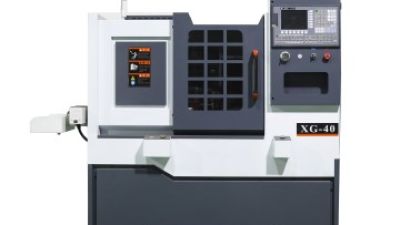
The Small Slant Bed CNC Lathe Machine marks a significant advancement in precision engineering and versatility. With its unique slant bed design, this CNC lathe model excels in chip removal performance, ensuring efficient machining even during the most demanding operations. Its robust construction provides exceptional rigidity, which is essential for maintaining high precision across various applications. Additionally, the compact footprint of this machine allows for easy integration into any workspace, making it an excellent choice for companies looking to optimize their production capabilities while conserving space.
One of the standout features of this CNC lathe is its optional milling function, which greatly enhances versatility. This flexibility allows for a broader range of machining tasks, empowering operators to switch effortlessly between lathe and milling operations without the need for additional equipment. Designed for ease of use, the machine comes equipped with a highly automated system, significantly reducing the learning curve for new users and increasing operational efficiency. Whether utilized in small workshops or larger production environments, this machine is capable of delivering outstanding results, thereby meeting the demands of various industries.
FAQS
: Many users leave carts due to unexpected costs, like shipping fees.
Use clear images and detailed descriptions. Include sizes, colors, and features.
Feedback helps identify issues and improve products. It's essential for growth.
Display reviews and testimonials. Offer easy return policies and secure payment options.
Utilize social media, email campaigns, and targeted advertisements. Content is key.
Inform customers promptly and offer alternatives. Keep them updated on restocks.
Regular updates keep content fresh and improve SEO. Consider monthly changes.
Delays due to weather or logistics can frustrate customers. Communication is crucial.
Slow websites can lead to higher bounce rates. Users expect quick loading times.
Address them professionally and offer solutions. It’s an opportunity for improvement.
Conclusion
As the automotive industry evolves, the advancements in automotive CNC machine technology are set to redefine manufacturing processes by 2026. Key innovations include enhanced precision and speed, driven by the integration of AI and machine learning, which streamline operations and improve performance metrics. Additionally, the sector is witnessing a shift towards sustainable practices, with eco-friendly CNC machines emerging to reduce environmental impact.
Furthermore, the incorporation of IoT in automotive CNC machines is revolutionizing manufacturing by enabling real-time monitoring and greater connectivity throughout production lines. This holistic approach not only boosts efficiency but also positions the automotive sector favorably in future market projections. The anticipated trends signify a remarkable transformation, shaping the landscape of automotive CNC manufacturing well into the next decade.