In today's really fast-moving world of manufacturing, the push for efficiency and flexibility has become more important than ever. This shift is changing how we approach production—making things more streamlined. One of the biggest players in this transformation? Multitasking Cnc Machines. These machines are pretty incredible—they combine several machining processes into a single setup, which helps cut down on downtime and really boost overall productivity. At Taizhou Luqiao Shiheng CNC Lathe Co., Ltd., we're pretty proud to be leading the way with CNC machine tools. Our dedicated R&D team is always working behind the scenes, pushing the envelope and adding the latest innovations into our products. In this blog, we’re diving into what the future holds for multitasking CNC machines and how they could totally change manufacturing efficiency. We’ll look at some innovative solutions that keep pace with the industry’s evolving needs. So, stick around with us—we’re excited to explore the possibilities these machines bring and how they can help manufacturers worldwide step up their game.
The Evolution of CNC Machines: A Historical Perspective
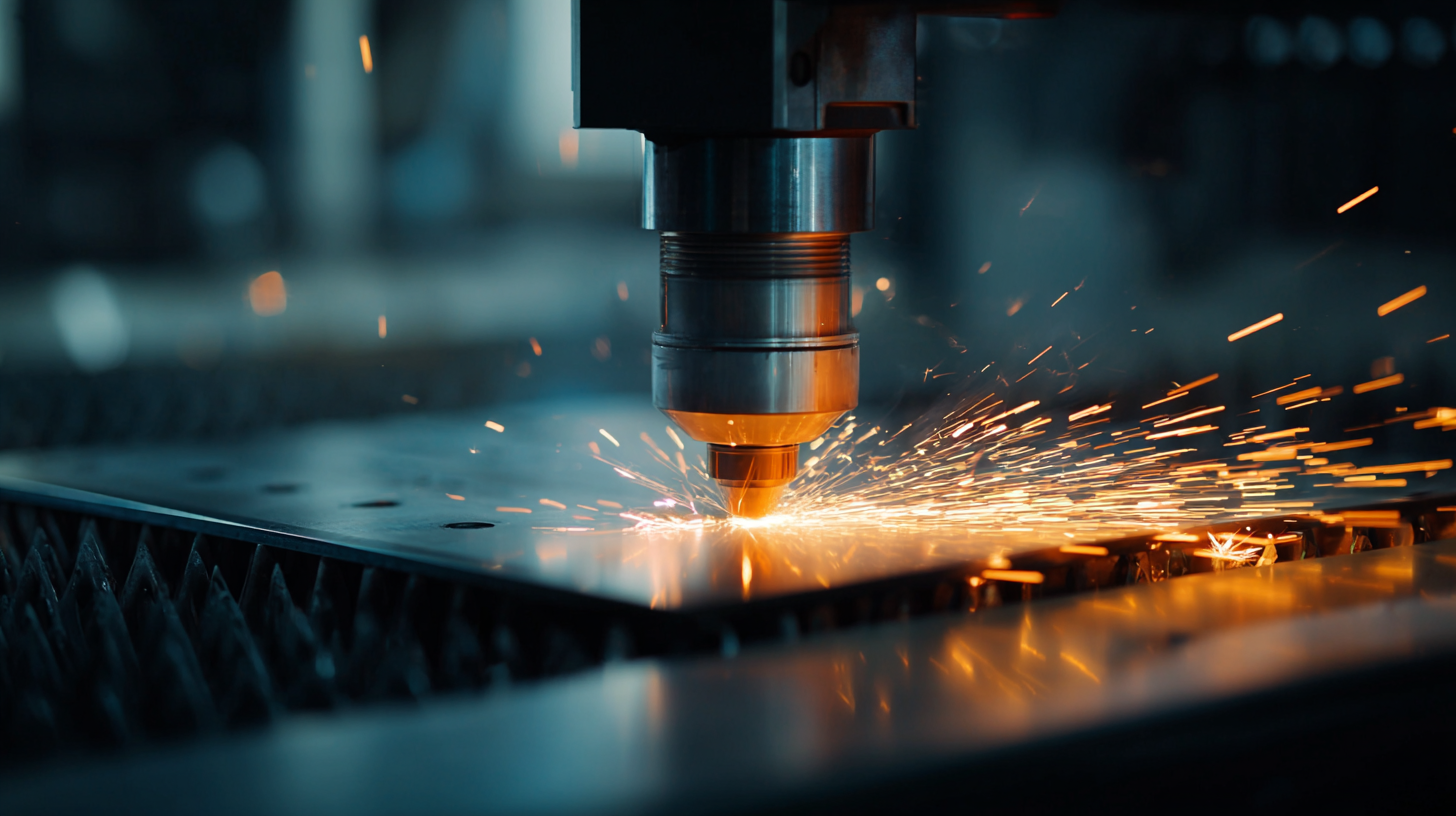
Over the past few decades, the evolution of CNC machines has truly been a game-changer for manufacturing. I mean, we’ve gone from pretty much manual operations to fully computer-controlled automation — and it’s made a huge difference. CNC tech has brought us precision and efficiency that we once could only dream of. A study on Overall Equipment Effectiveness (or OEE, if you wanna keep it simple) shows that CNC machines have really sped things up and boosted accuracy. Some manufacturers are even seeing OEE rates over 85%, thanks to integrated CNC solutions. One of the coolest things is how easily these machines can adapt to new designs — talk about flexibility in modern manufacturing, right?
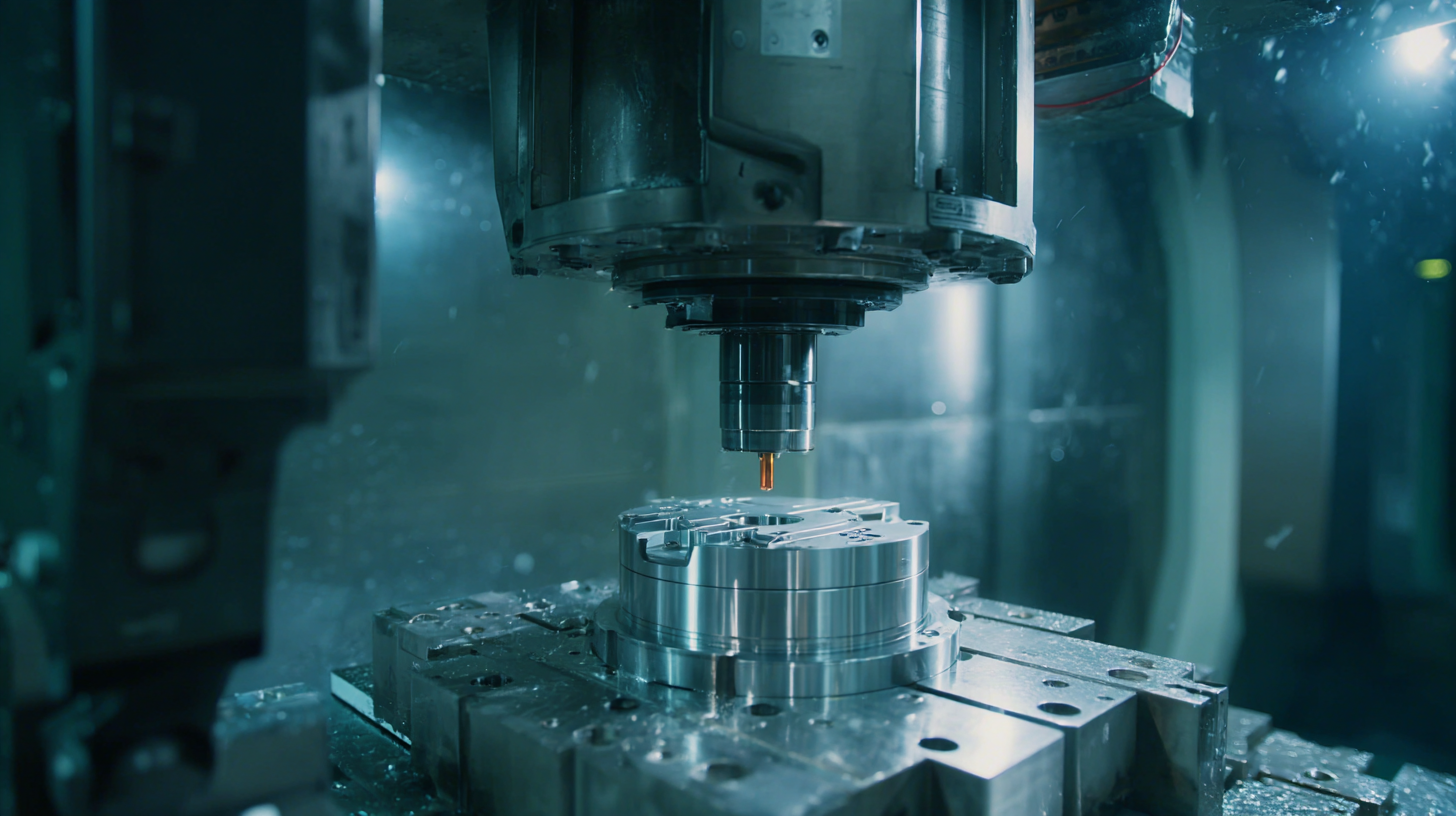
As we celebrate milestones like the 80th anniversary of a trusted brand in the cutting tools world, I think it’s worth looking back at what we’ve learned from CNC’s journey. For example, the 3D printing industry could definitely gain some insights by understanding both the struggles and wins that CNC experienced along the way. By focusing on precision and scalability — just like CNC did — 3D printing can step up its game and become a more reliable alternative in manufacturing. And with AI and robotics expected to keep shaping industries by 2025, taking a moment to reflect on where we’ve come from can really help us innovate even better in the future.
Understanding Multitasking CNC Technology: Key Features and Benefits
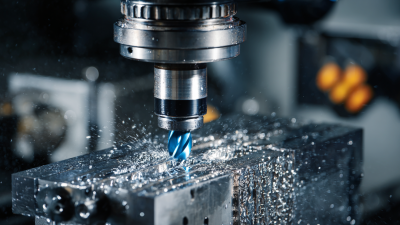
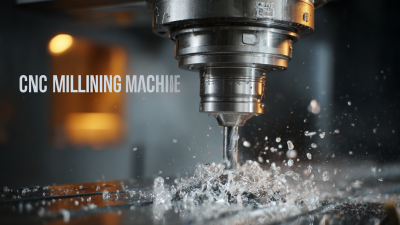
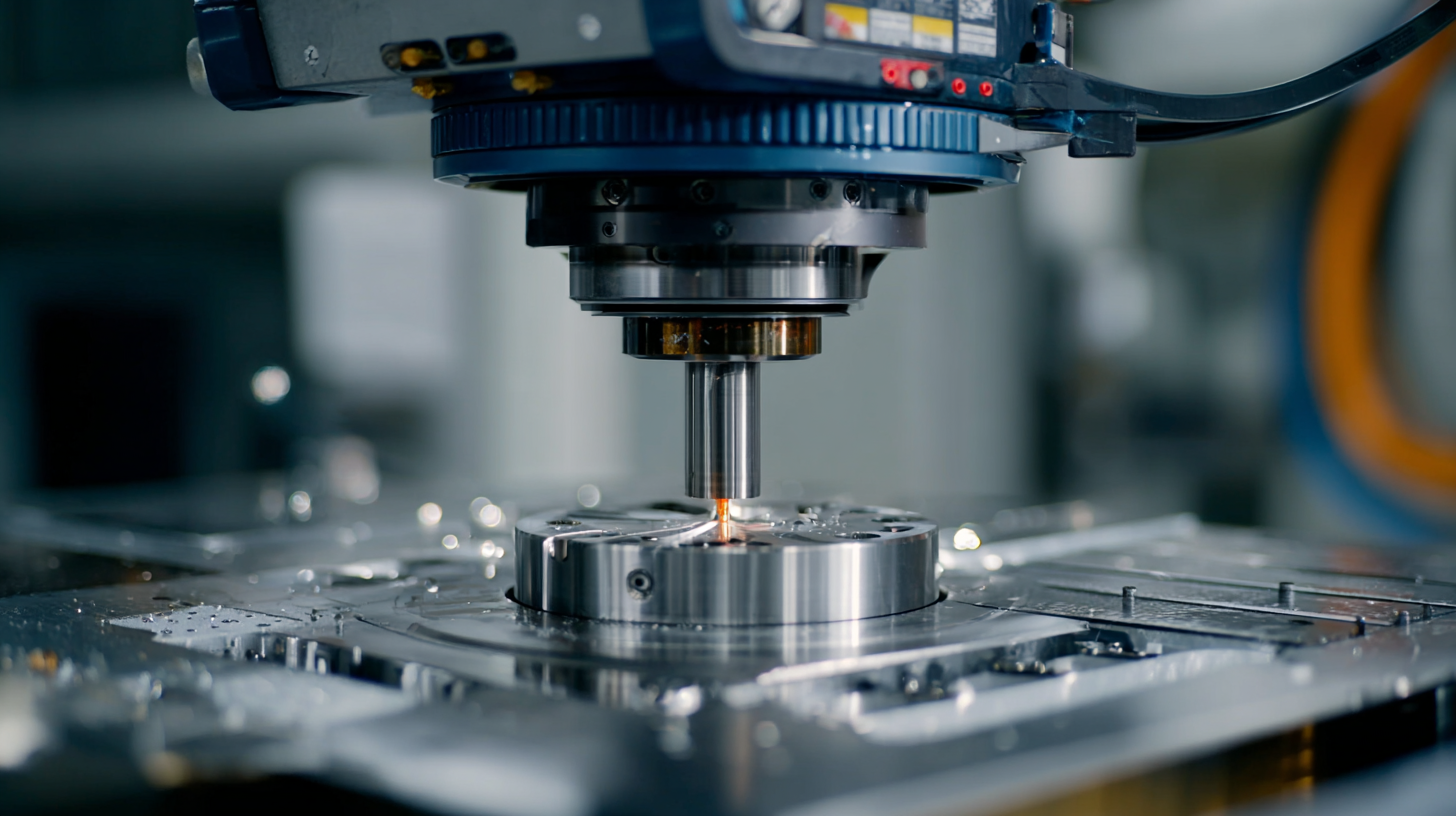
You know, multitasking CNC technology is really shaking up how manufacturing works these days. Instead of using separate machines for turning and milling, these new machines can do both in one go, all in a single setup. It’s pretty impressive because not only does this speed things up, but it also boosts precision and quality — like, you get better parts with less hassle. Some reports even say that these machines can boost productivity by up to 30%, meaning manufacturers can machine parts complete in just one clamping. That’s a huge deal since it cuts down on the number of setups needed and saves time and money when handling parts.
What’s also cool is that the latest multitasking CNC machines come with smart tech and automation features. This helps manufacturers optimize their workflows, making everything run smoother. Thanks to these innovations, cutting gets faster, so cycle times are shorter, and now they can even produce complex shapes that used to be pretty tricky. Industry folks are starting to realize that investing in these machines actually pays off — with shorter lead times and better product quality, it gives companies a real leg up in today’s competitive market. You can see this emphasis on automation everywhere at industry shows, where they’re showcasing how these techs work together to deliver higher performance and more versatility in machining. It’s pretty exciting stuff, honestly.
Impact of Multitasking CNC Machines on Manufacturing Efficiency
You know, the rise of multitasking CNC machinesis really shaking up how manufacturing works these days. I read somewhere that, according to MarketsandMarkets, the Global Cnc Machine market could hit around$100 billion by 2026 — and a big part of that growth is thanks to more companies adopting these all-in-one machines. What’s cool is that these machines combine multiple tasks like turning, milling, and drilling into one setup, which means less downtime and a big boost in productivity. Instead of juggling multiple machines and setups—which can waste up to 30% of time—manufacturers can now do more with fewer machines. It’s pretty wild how much time they save just by upgrading to multitasking CNC tech.
And get this, a study from Technavio suggests that these machines can boost production efficiency by up to 50%. That’s pretty huge! The reason? They can run several processes at once, which speeds everything up and cuts down on material waste. As manufacturers are always looking to be leaner and cut costs, investing in these multitasking machines is becoming more essential if you want to stay competitive in such a fast-moving industry. Overall, it’s pretty clear that this tech is paving the way for a more streamlined, efficient manufacturing future—definitely a revolution in the making.
Comparison: Traditional CNC vs. Multitasking CNC Solutions
Hey, have you noticed how quickly the manufacturing world is changing lately? One of the biggest breakthroughs is these new multitasking CNC machines. Unlike the old-school ones that only handle one thing at a time, now we’ve got machines that can do it all—turning, milling, drilling, and more—all in a single setup. It’s a total game-changer because it seriously boosts efficiency. You don’t need to juggle multiple machines anymore, and those annoying setup changes? They’re way less of a pain.
Over here at Taizhou Luqiao Shiheng CNC Lathe Co., Ltd., we’re really excited about being at the forefront of this tech shift. Our R&D team, made up of some of the best engineers out there, is constantly working on incorporating the latest tech into our multitasking CNC machines. By investing in smart design and automation, we’re helping our clients get more done in less time, with better precision.
Pro tip: When you’re thinking about switching to multitasking CNCs, it’s a good idea to start small—maybe with a pilot project. That way, you can get a feel for what the machine can do without ripping apart your whole production line. And don’t forget, training your team on how to use the new equipment is key. It’ll make the whole transition smoother and help you see results faster. Also, take some time to look over your current workflows and pinpoint where multitasking could really shine—this way, you’re setting yourself up for a successful switch and maximum benefits.
Future Trends in CNC Technology: What to Expect in Manufacturing
You know, the manufacturing world is changing so fast these days, mainly because of all these new CNC tech advancements. As more companies jump on the digital manufacturing bandwagon, it's pretty clear that the CNC machine market is set to expand a lot – kind of like a reflection of the bigger push toward getting more done efficiently across different industries. Plus, with AI and robotics getting more integrated into these machining processes, manufacturers are able to hit new levels of efficiency. It’s really pushing the boundaries—bringing in fresh ways to do things and totally reshaping old workflows.
On top of that, the buzz around Industry 4.0, and the upcoming shift to Industry 5.0, really emphasize how much we need personalized products and greener, more sustainable methods. This isn’t just about mass production anymore; it’s all about customizing stuff to fit individual needs, and that’s where advanced mechatronic systems come into play—making manufacturing more flexible and adaptable. As CNC machines get smarter and more connected, they’re going to be key players in streamlining production lines, making them more resilient, and helping businesses deliver exactly what customers want in this digital, connected world.
Real-World Applications of Multitasking CNC Machines in Various Industries
You know, multitasking CNC machines are really changing the game in manufacturing, whether we're talking about aerospace, automotive, or other industries. Basically, these high-tech machines can handle a bunch of different tasks—like turning, milling, and drilling—all in one smooth process. Take the aerospace industry, for example. These machines help cut down lead times because they can make complex parts with super tight tolerances in just one setup. That means better quality, fewer handling steps, and less rework, which all adds up to lower costs overall.
And it’s pretty similar in the automotive world. By combining multiple processes into one machine, manufacturers can produce really detailed parts that need to meet exact specs, and do so quickly. This flexibility makes it easier to adapt to new designs or changing market demands on the fly. Honestly, as these machines keep getting better, their uses are only going to grow, paving the way for even more efficient and flexible production lines. It’s like they might just change the way we’ve been doing things across lots of fields—pretty exciting stuff!
Maximizing Precision and Efficiency with Flat Bed CNC Lathes Featuring Linear Guides
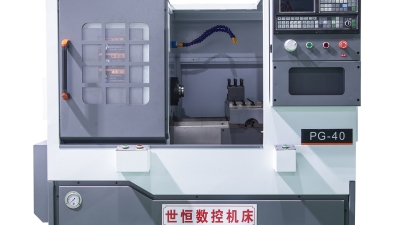
Flat bed CNC lathes equipped with linear guides represent a significant advancement in metal processing technology. Models such as the X400, XG6132, PG40, and PG40B seamlessly blend traditional turning methods with modern linear rolling guide systems, delivering remarkable enhancements in both precision and efficiency. This innovative design allows for the accurate machining of parts with varying complexities, making it an indispensable tool across diverse industries that demand high standards of precision and strength.
The integration of linear guides in these CNC lathes minimizes friction and wear, resulting in smoother movement and reduced cycle times. Consequently, manufacturers can achieve faster production speeds without compromising on quality. Furthermore, these lathes are engineered to handle intricate geometries and fine tolerances with ease, meeting the rigorous demands of sectors ranging from aerospace to automotive. As industries continue to evolve, embracing the precision and efficiency offered by flat bed CNC lathes is crucial for maintaining a competitive edge in manufacturing.
FAQS
: Multitasking CNC technology refers to advanced machines that combine turning and milling processes in a single setup, enhancing manufacturing efficiency and precision.
It can increase productivity by up to 30% by allowing manufacturers to machine parts completely in one clamping, reducing the need for multiple setups.
Key features include smart technology integration, automation, enhanced cutting efficiency, faster cycle times, and the ability to produce complex geometries.
Automation optimizes workflows, leading to improved efficiency and the ability to achieve higher performance and versatility in machining operations.
These trends emphasize mass personalization and sustainable practices, highlighting the need for advanced mechatronic systems to create adaptable manufacturing environments.
Industries such as aerospace and automotive benefit significantly, as these machines enable the production of complex components efficiently and with high precision.
They reduce lead times, enhance quality, and lower manufacturing costs by allowing the production of complex components in a single setup.
They facilitate the production of intricate parts with precise specifications, allowing manufacturers to quickly adapt to design changes and market demands.
The integration of AI and robotics will lead to unprecedented efficiencies, innovative methodologies, and a more connected and smarter manufacturing environment.
By minimizing the need for additional handling and rework, multitasking CNC machines can significantly reduce overall manufacturing costs.
Conclusion
You know, multitasking CNC machines are really changing the game when it comes to manufacturing efficiency. Instead of relying on multiple setups, these clever systems combine several functions into one smooth operation. Thanks to advancements in CNC tech, manufacturers now can streamline their processes, cut down on lead times, and save on resources. One of the coolest things about these machines is that they can handle different machining tasks at the same time — which means they're way more precise and productive, all while reducing the hassle of switching setups back and forth.
When you compare traditional CNCs to these multitasking marvels, the advantages become pretty obvious. They give businesses a real edge, especially in competitive fields like aerospace and automotive. Looking ahead, it seems like automation and connectivity are only gonna get bigger in CNC tech, totally transforming how things are made. Here at Taizhou Luqiao Shiheng CNC Lathe Co., Ltd., we’re super committed to staying on top of these innovations. That’s why we’re dedicated to delivering the latest multitasking CNC machines — helping shape the future of manufacturing, one step at a time.