Leave Your Message
0%

Picking out the right equipment for your machining shop is a big deal — it can really make or break your productivity and the quality of your work. When it comes to tools, the Flat Bed Lathe Machine is often a go-to because it’s so versatile and essential for lots of different tasks. As things in manufacturing keep changing, choosing a lathe that fits your specific needs is more important than ever. Plus, with all the new tech and tons of options out there, it can get pretty overwhelming trying to make the right call.

So, in this guide, I want to make things a bit simpler for you. I’ve put together 10 key tips to help you pick the right Flat Bed Lathe Machine for your shop. Each tip is meant to help you think about what’s unique to your operation — whether it’s the types of materials you work with, how much you’re producing, or how much space you’ve got. The goal is to help you make a smart decision that will not only boost your efficiency but also make a real difference for your business down the line, whether it’s now or in 2025. If you follow these tips, you'll be setting yourself up for success and making an investment that's going to pay off in the long run.
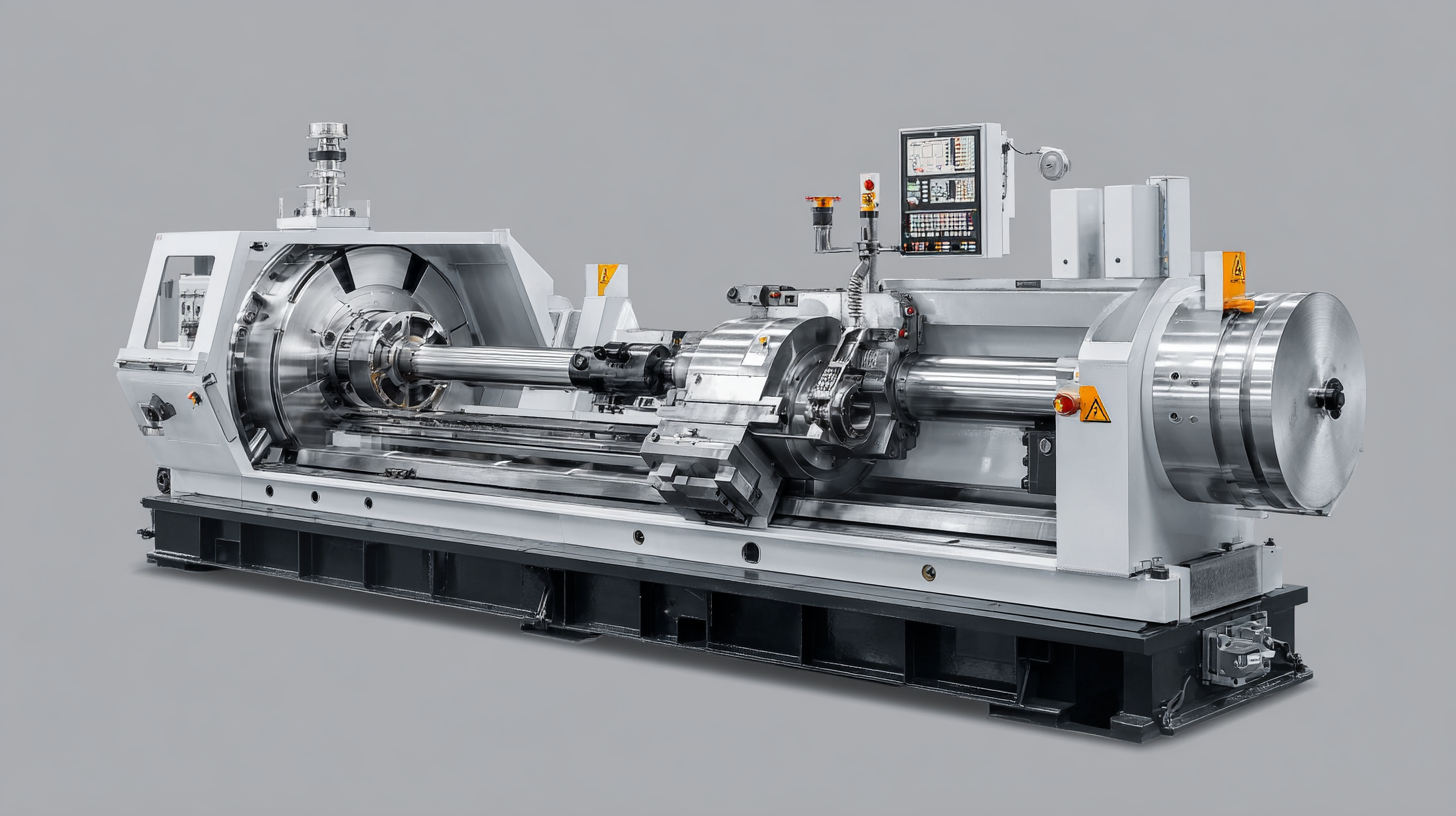
10 Essential Tips for Choosing the Right Flat Bed Lathe Machine for Your Shop

Key Factors to Consider When Selecting a Flat Bed Lathe Machine

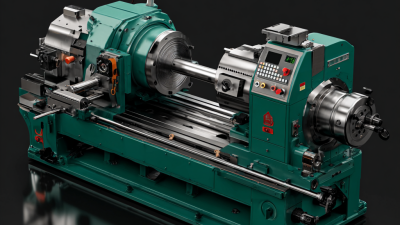
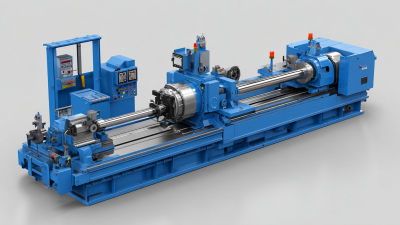
When selecting a flat bed lathe machine for your shop, several key factors come into play to ensure you make the right choice. One essential consideration is the machine's construction and rigidity. According to a report by MarketResearchFuture, the global lathe machine market is projected to grow at a CAGR of 4.3% from 2021 to 2027, underscoring the importance of investing in a durable, high-quality machine that can handle your production needs without compromising on precision.

Another critical factor is the swing and distance between centers, which should align with the size of the workpieces you intend to manufacture. A survey conducted by the American Society of Mechanical Engineers found that nearly 60% of users regretted their choice of lathe due to insufficient capacity. Thus, considering the dimensions and weight of your typical materials will help you avoid potential issues down the line.

Additionally, evaluate the lathe's technology and controls. Advanced CNC features can improve productivity significantly; the same market report indicates that Cnc Lathe Machines can reduce cycle times by up to 30%. Implementing these advanced technologies can ultimately lead to increased efficiency and better outcomes in your production workflow. Remember, investing time in selecting the right machine will pay dividends in your shop’s operations.
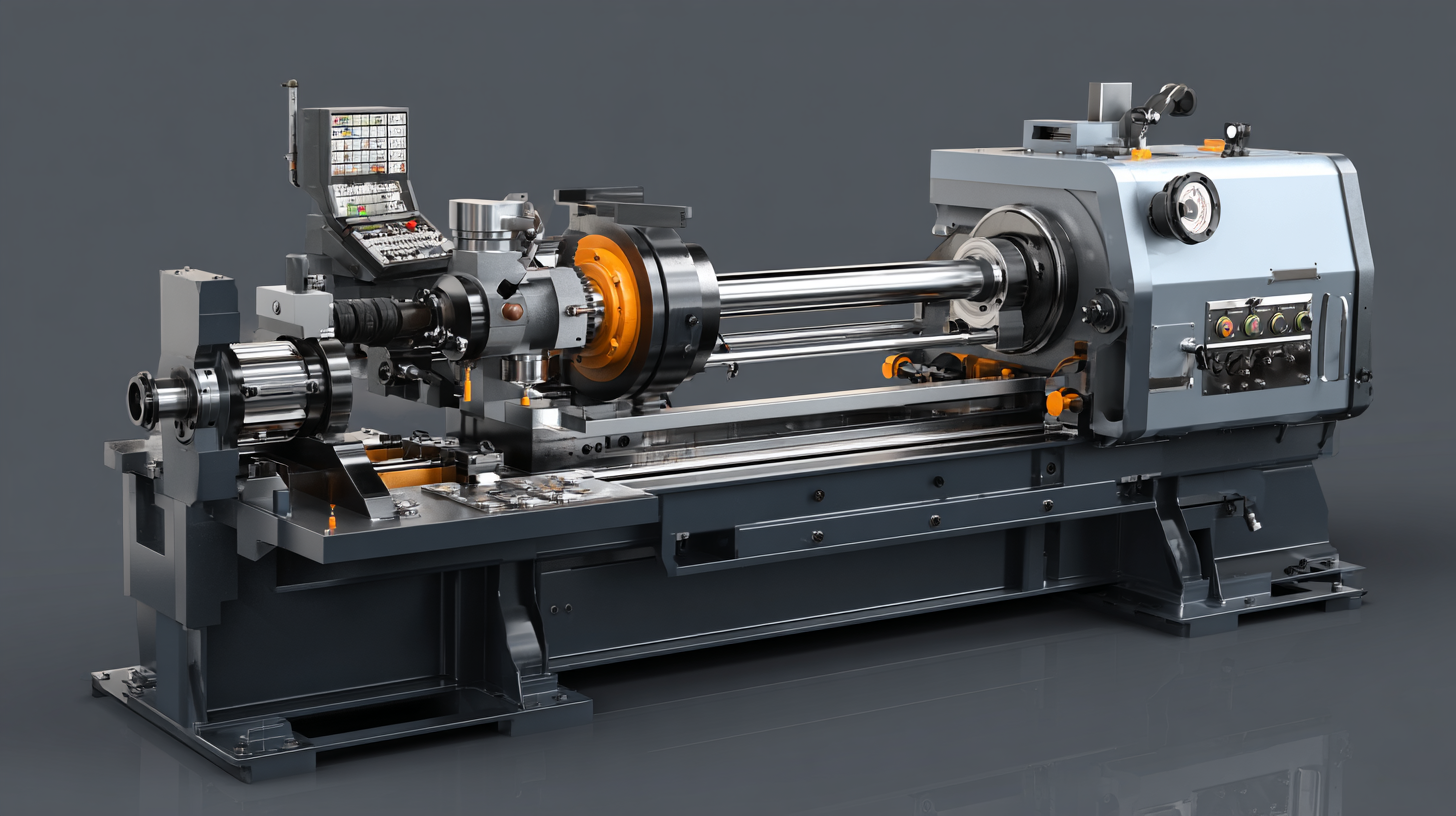
10 Essential Tips for Choosing the Right Flat Bed Lathe Machine for Your Shop

Understanding Different Types of Flat Bed Lathes Available

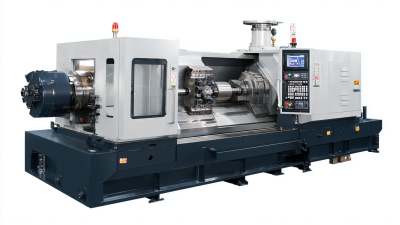
When selecting a flat bed lathe machine, it's crucial to understand the various types available in the market, each designed for specific applications and materials. The three primary categories are manual lathes, CNC (Computer Numerical Control) lathes, and semi-automatic lathes. According to a report by Market Research Future, the global CNC lathe market is projected to grow at a CAGR of 7.5% from 2020 to 2026, highlighting the increasing reliance on technology for precision machining tasks. CNC lathes, in particular, offer enhanced efficiency and accuracy, making them ideal for shops that require high production volumes and intricate designs.

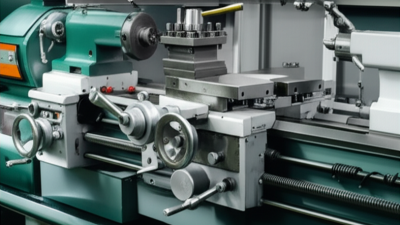
Manual lathes, while less complex, provide a hands-on approach that some operators prefer, especially for educational purposes or small-scale operations. They are often favored for their cost-effectiveness and simplicity. Semi-automatic lathes bridge the gap, offering some level of automation while still allowing for operator input. According to Grand View Research, the demand for semi-automatic lathes has risen dramatically due to their versatility, meeting the needs of both small and large manufacturing setups. Understanding these distinctions is vital for shop owners looking to invest in equipment that best suits their production needs and budget considerations.

Evaluating the Specifications and Features for Your Needs

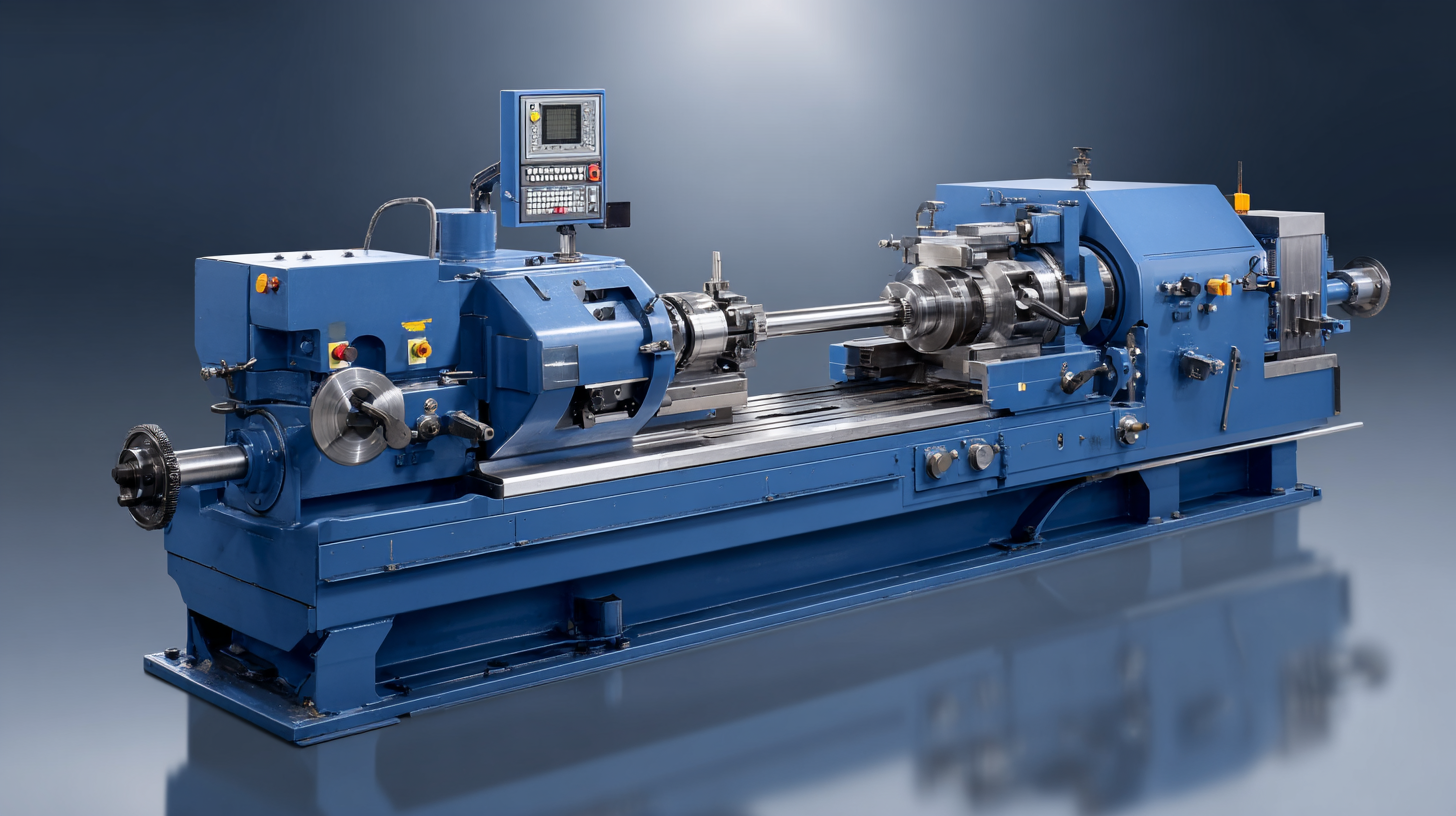
When selecting the right flat bed lathe machine for your workshop, it's crucial to evaluate its specifications and features in relation to your specific needs. Begin by considering the size and capacity of the machine. Ensure that its swing over bed and length of bed align with the types of workpieces you intend to handle. A lathe with an appropriate spindle speed range will also allow for versatility in machining different materials, which enhances productivity.

Additionally, pay close attention to the machine's construction and build quality. A heavy-duty frame typically offers greater stability and reduces vibration, which can lead to improved precision during operation. Look for features such as variable speed controls, digital readouts, and easy-to-use controls that can enhance your overall machining experience. Lastly, examine the availability of accessories and aftermarket supports, as these can play a significant role in extending the functionality and lifespan of your lathe.

10 Essential Tips for Choosing the Right Flat Bed Lathe Machine for Your Shop

Assessing Budget and Cost Efficiency in Lathe Machine Purchases

When it comes to investing in a flat bed lathe machine, assessing your budget and ensuring cost efficiency are paramount. A well-defined budget can help narrow down choices while still meeting your shop's requirements. Make sure to factor in not just the initial purchase price, but also potential ongoing operational costs, maintenance, and tool replacements. Doing so can prevent unexpected expenses down the line.

One essential tip is to prioritize the features that matter most to your operations. For instance, if high precision is crucial, it may be worth investing a little more upfront for a machine that guarantees accuracy. On the other hand, if your projects are less demanding, a more basic model may suffice. Additionally, always research the warranties and service plans offered, as these can greatly affect long-term costs.

Another valuable tip is to consider the machine's energy efficiency. A lathe that consumes less power may have a higher initial cost, but the savings on energy bills can be significant over time. Don't overlook the potential resale value of the equipment as well; machines from reputable brands often have better resale prospects, helping to mitigate the overall investment when the time comes to upgrade or change equipment.

Examining Brand Reputation and Customer Reviews for Lathe Machines

When selecting a flat bed lathe machine for your shop, examining brand reputation and customer reviews is paramount. A strong brand reputation often reflects a manufacturer’s commitment to quality and performance. Reputable brands typically have established themselves in the market, offering reliable machinery that meets the needs of various users. Customers frequently share their experiences online, and these reviews can provide invaluable insights into the performance and durability of different lathe machines.

One essential tip is to look for brands with a consistent record of positive feedback. Check online forums and review sites for comments on user experiences, paying attention to aspects like precision, ease of use, and customer support. Additionally, consider the longevity of the brand—one that has been in the market for several years often has a proven track record of excellence.

Another vital tip is to compare customer reviews across multiple platforms. Don’t just rely on the company’s website; explore third-party reviews to get a more comprehensive view. This will help you identify any recurring issues, such as the quality of service or parts availability, which can influence your decision significantly. By focusing on both brand reputation and customer feedback, you’ll be better equipped to choose a lathe machine that aligns with your shop's needs.

Maintenance and Support Services to Look for in Lathe Providers

When selecting a flat bed lathe machine for your workshop, it's crucial to consider the maintenance and support services offered by the provider. According to a report by Industry Week, over 40% of machine tool downtime is attributed to inadequate maintenance, emphasizing the need for reliable support. Ensure that the manufacturer provides comprehensive maintenance services, including regular check-ups and emergency repairs, which can significantly extend the machine’s lifespan and enhance its productivity.

10 Essential Tips for Choosing the Right Flat Bed Lathe Machine for Your Shop

In addition to maintenance, look for providers that offer robust support services. This might include operator training and customer service availability. A study from the Association for Manufacturing Technology (AMT) indicates that facilities with proper training programs see a 25% increase in operational efficiency. Reputable lathe manufacturers should also provide documentation for troubleshooting and have a dedicated support hotline, enabling quick resolutions to issues that may arise during operation.

Choosing the right flat bed lathe is not just about the initial purchase; maintenance and support can make a substantial difference in your shop's efficiency and output. As a tip, always inquire about the average response time for service calls and the availability of replacement parts. This will ensure that your operations can continue smoothly with minimal disruptions.

Maximizing Precision and Versatility: The Benefits of the Small Slant Bed CNC Lathe Machine with Optional Milling Function

The small Slant Bed Cnc Lathe machine, particularly the XG40 and XG46 models, represents a significant advancement in manufacturing technology, offering unparalleled precision and versatility. These lathes excel in chip removal performance thanks to their slant bed design, which not only enhances efficiency but also ensures that the machining process remains uninterrupted. According to industry reports, machines with slant bed configurations can improve chip evacuation by up to 30%, resulting in smoother operational flow and reduced downtime.

Another key advantage of the XG series is its robust rigidity and high precision, allowing manufacturers to maintain tight tolerances even during prolonged operations. This level of precision is critical in sectors such as aerospace and automotive, where even minute discrepancies can lead to costly failures. A study from the International Journal of Advanced Manufacturing Technology highlighted that CNC lathes with enhanced rigidity could achieve a dimensional accuracy of ±0.005 mm, underscoring the importance of investing in high-quality machinery for competitive manufacturing.

Moreover, the compact footprint of these machines makes them ideal for modern workshops that require space efficiency without sacrificing performance capabilities. With their ease of operation and high degree of automation, the XG series allows manufacturers to streamline their processes and reduce labor costs. The optional milling function further expands their utility, making them suitable for a wide application range—from prototypes to complex parts for various industries. As reported by the Global CNC Lathe Machine Market Analysis, the demand for multipurpose CNC machines is projected to grow by 9% annually, highlighting the increasing reliance on versatile machines like the XG series in today's dynamic manufacturing landscape.

FAQS

: What should I consider when setting a budget for purchasing a lathe machine?

: When setting a budget, consider not only the initial purchase price but also ongoing operational costs, maintenance, and tool replacements to avoid unexpected expenses later.

How can I determine which features are essential for my lathe machine?

Prioritize features based on the demands of your operations. For high-precision work, invest more in a machine that guarantees accuracy; for less demanding projects, a basic model may be adequate.

Why is energy efficiency important in lathe machines?

Energy-efficient lathes may have a higher initial cost, but they can lead to significant savings on energy bills over time, making them a cost-effective choice in the long run.

What maintenance services should I look for in a lathe machine provider?

Choose providers that offer comprehensive maintenance services, including regular check-ups and emergency repairs to ensure the machine’s longevity and efficiency.

How does operator training affect the efficiency of using a lathe machine?

Proper operator training can increase operational efficiency significantly; studies show that facilities with training programs see a 25% boost in productivity.

What type of customer support should I expect from a reputable lathe manufacturer?

Look for manufacturers that offer dedicated support hotlines, troubleshooting documentation, and clear information about average response times for service calls.

Why is it important to consider the resale value of a lathe machine?

Machines from reputable brands often have better resale prospects, which can help recover some costs when upgrading or changing equipment in the future.

How can maintenance and support services impact my overall operations?

Reliable maintenance and support services can significantly reduce machine downtime and enhance productivity, ensuring smooth operations in your workshop.

Conclusion

When choosing the right Flat Bed Lathe Machine for your workshop, several key factors come into play. First, understanding the various types of flat bed lathes available is crucial, as each serves different machining needs. Evaluating specifications such as size, spindle speed, and features tailored to your projects will ensure optimal performance. Budget considerations are equally important; balancing cost with efficiency can lead to better long-term investment. Moreover, examining brand reputation and customer reviews helps in identifying reliable manufacturers. Companies like Taizhou Luqiao Shiheng CNC Lathe Co., Ltd. are notable for their advanced technology and supportive services, which can significantly enhance your machinery's longevity and effectiveness.

Additionally, maintenance and support services are vital when selecting a flat bed lathe machine. A dependable provider will offer ongoing assistance and resources to keep your lathe in optimal condition. By carefully assessing these elements, you can make an informed decision that aligns with your shop's unique requirements, ensuring you choose a flat bed lathe machine that enhances your productivity and meets your operational goals.
Sophie

Sophie

Sophie is a dedicated marketing professional at the forefront of CNC machine tool technology. With an in-depth understanding of the industry, she effectively communicates the cutting-edge advancements that her company offers. Sophie regularly updates the company blog, crafting insightful articles......
Previous Global Manufacturing Excellence Discover the Best Twin Spindle Lathe from China